Why Is My Cat Pooping Outside the Litter Box?

By: Nico Avelle  | 
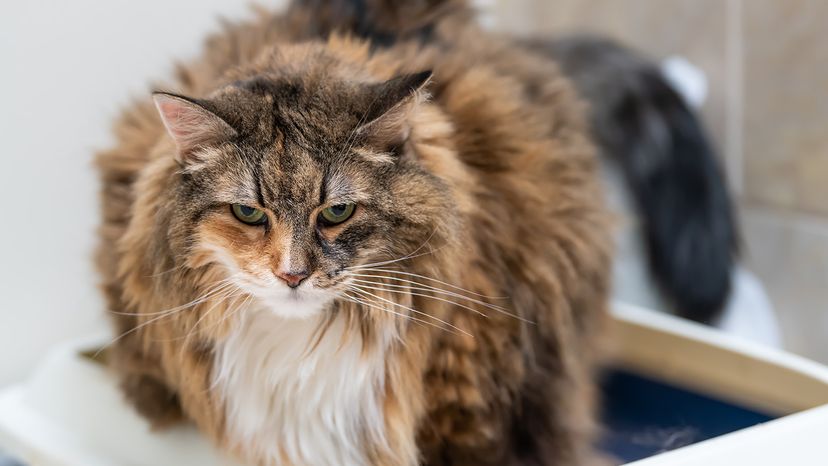
sad calico maine coon.
Make sure you're cleaning your cat's litter regularly before you start accusing them of having behavioral problems. Andriy Blokhin / Shutterstock

When your cat stops using the litter box and starts pooping elsewhere, it can be frustrating and puzzling. So, if you're Googling "why is my cat pooping outside the litter box," we're sorry for your stinky situation. The answer could range from medical issues to simple litter box preferences.

While most cats instinctively use a litter box, changes in behavior often signal a problem. Identifying the cause means looking at your cat's health, the litter box setup, and any changes in their environment or routine.

Advertisement
Medical Reasons to Rule Out First

Before assuming your cat is acting out, rule out any underlying medical condition.

Inflammatory bowel disease, constipation, or other digestive issues can lead to inappropriate elimination. Older cats may also develop cognitive dysfunction, making it harder to remember where the box is.

Advertisement

The Cornell Feline Health Center recommends consulting a vet if a cat suddenly changes its bathroom habits. Medical causes should always be addressed before investigating behavioral ones.

Litter Box Setup and Hygiene

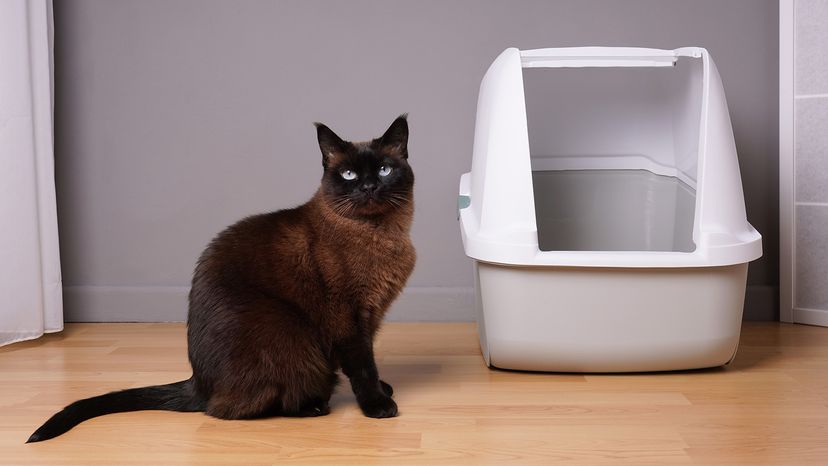
cat sitting next to closed kitty litter box
Cats are very particular about their litter box setup. Axel Bueckert / Shutterstock

Litter box issues are among the most common reasons cats poop outside the box. Make sure you're using the right litter; most cats prefer unscented litter that’s cleaned regularly.

Litter depth matters too. Cats don’t want to dig through too much or too little. A depth of about 2 to 3 inches (5 to 7 cm) usually works well.

Advertisement

Clean litter boxes with mild dish soap and warm water. Avoid strong-smelling cleaners. Wearing rubber gloves and a face mask during a deep clean can help reduce exposure to waste.

Are You Using Enough Litter Boxes?

A general rule is to have one litter box per cat, plus one extra. So if you have three cats, you should have four litter boxes. This helps prevent territorial issues, especially in households with multiple cats.

If your cats share boxes, make sure they're not placed next to food and water dishes. Many cats avoid pooping near where they eat or drink.

Advertisement

Litter Box Location Matters

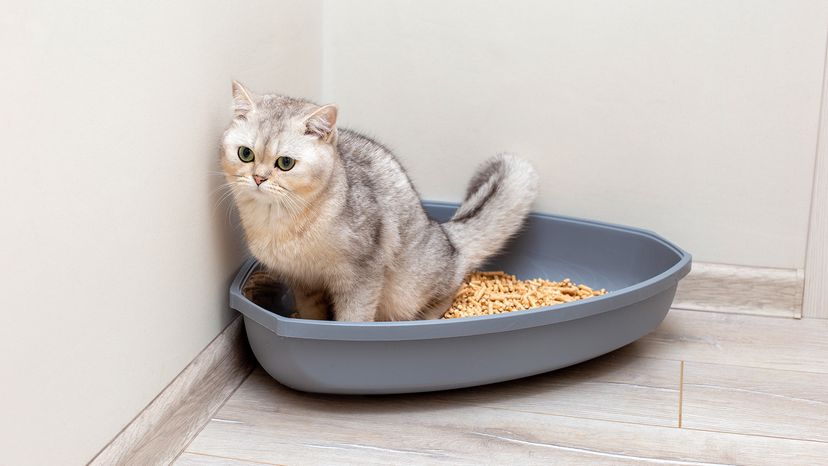
Gray British cat in litter box
Find a low-traffic area for your cat to poop in peace. Natasha Zakharova / Shutterstock

Cats prefer quiet, private areas to do their business. A box placed in a high-traffic zone, next to a noisy appliance, or behind a baby gate can lead to litter box avoidance.

Observe your cat's behavior. If they always poop in a particular area, it might be because the current litter box location doesn’t meet their needs. Try moving the box to a more secluded spot.

Advertisement

Behavioral Reasons for House Soiling

Inappropriate pooping can also be a response to environmental factors. A new cat, new pet, or changes in your cat's routine may trigger stress-related behavior. Cats are sensitive creatures, and even subtle changes can lead to house soiling.

Territorial marking with urine is more common, but bowel movements outside the box can happen too. Some cats might be expressing anxiety, while others are reacting to competition from another cat.

Advertisement

What To Do if the Behavior Continues

If your cat continues pooping outside the litter box after medical and setup issues are ruled out, focus on the cat's preferences. Test different types of litter, adjust litter depth, and offer multiple box styles. Keep track of changes in their routine and monitor for any other signs of distress.

Clean soiled areas thoroughly to remove scent markers. This discourages repeat behavior in the same spot.

Advertisement

In cases where behavioral issues persist, a vet or feline behaviorist can help determine the underlying cause and create a plan to address it.

We created this article in conjunction with AI technology, then made sure it was fact-checked and edited by a HowStuffWorks editor.

Advertisement

Advertisement

Loading...