Why Is My Cat Sleeping So Much? Do Younger Cats Sleep More?

By: Nico Avelle  | 
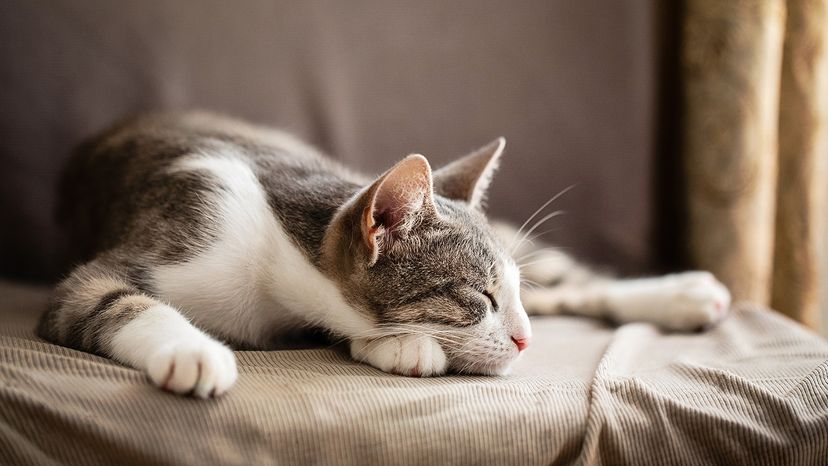
tabby cat sleeping
How many hours do you think your cat sleeps each day? Artmim / Shutterstock

You glance over, and once again, your cat is napping in the same sunny spot. Naturally, you start to wonder, why is my cat sleeping so much? While it might seem excessive, for most cats, sleeping a lot is completely normal.

Cats spend a significant portion of their day asleep, and their typical sleeping pattern is rooted in biology, age, and lifestyle. Understanding your cat's normal sleep patterns helps ease the concern for pet parents wondering if something's wrong.

Advertisement

What's Normal Sleep for a Cat?

Adult cats tend to sleep anywhere from 12 to 16 hours a day, though some may push that number closer to 20. Wildcats evolved to conserve energy between hunts, and domestic cats kept that same energy-saving strategy.

Most cats sleep in light stages, with a few brief bursts of deep sleep throughout the day.

Advertisement

Unlike humans—who generally sleep in one long block—cats follow a polyphasic sleep pattern, meaning they take multiple shorter naps rather than one extended sleep period. This helps them remain alert to changes in their environment, even while napping.

Age and Sleep: From Kittens to Seniors

Kitten playing with a toy
A kitten's sleep time differs from an adult cat's sleep time. ANURAK PONGPATIMET / Shutterstock

Kittens sleep most of the day (with short bursts of energy between meals), and adolescent cats often have erratic sleep patterns punctuated by intense playful activity. Once a cat reaches adulthood, their sleeping habits become more stable, with more set sleeping schedules.

Senior cats often sleep more deeply and more frequently than younger ones. If your older cat is sleeping constantly but remains otherwise healthy, it's likely a normal part of aging.

Advertisement

However, if a cat begins sleeping far more than usual, or if erratic sleep patterns are combined with behavioral changes, it may be time to consult your vet.

Environment and Lifestyle Factors

House cats with limited stimulation may sleep more simply because there's less to do. Conserving energy is still instinctual for cats, but boredom can amplify those tendencies. Creating an engaging environment with toys, scratching posts, and playtime can balance out excessive lounging.

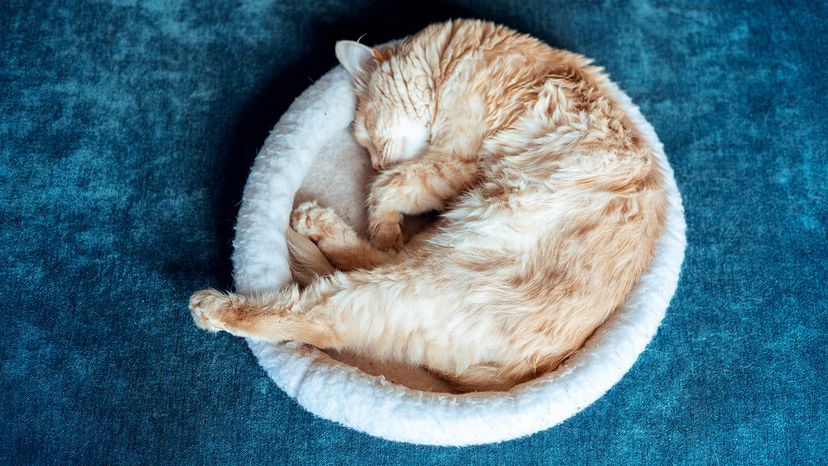
Ginger cat sleeping in cat bed
Even if you think your cat sleeps constantly, it's probably nothing to worry about.
Yanya / Shutterstock

Cats sleep deeply after a burst of activity, so if your cat wakes briefly just to change positions or check out a sound, that’s normal. Cat naps help them stay recharged, especially after climbing, exploring, or interacting with people and pets.

Advertisement

When to Be Concerned

If your cat is suddenly sleeping much more than usual and shows other symptoms like reduced appetite, changes in litter box habits, or lethargy when awake, it could signal a health issue. Erratic sleep patterns combined with these other symptoms give reason for concern.

Concerned cat owners should watch for such signs and contact their vet if something feels off.

Advertisement

Your veterinarian can perform a thorough physical exam and run diagnostic tests (such as blood work and a urinalysis) to rule out common medical issues, which provides peace of mind if everything checks out fine.

We created this article in conjunction with AI technology, then made sure it was fact-checked and edited by a HowStuffWorks editor.

Advertisement

Advertisement

Loading...