Like all insects, mosquitoes hatch from eggs and go through several stages in their mosquito life cycle before becoming adults. The females lay their eggs in water, and the larva and pupa stages live entirely in water. When the pupa change into adults, they leave the water and become free-flying land insects.
The mosquito life cycle can vary from one to several weeks depending upon the species (the adult, mated females of some species can survive the winter in cool, damp places until spring, when they will lay their eggs and die).
The word "mosquito" is Spanish for "little fly," and its use dates back to about 1583 in North America (Europeans referred to mosquitoes as "gnats").
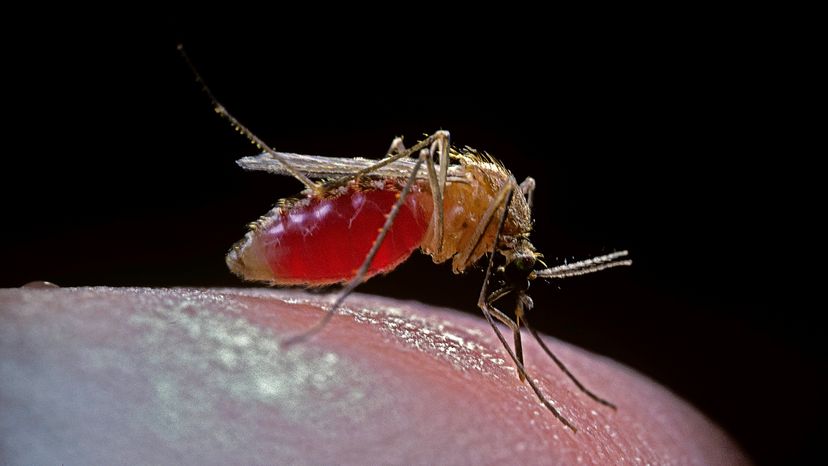
Mosquitoes belong to the order Diptera, true flies. Mosquitoes are like flies in that they have two wings — but unlike flies, their wings have scales, their legs are long and the females have a long mouth part (proboscis) for piercing skin.
Egg
All mosquitoes lay eggs in water, which can include large bodies of water, standing water (like swimming pools) or areas of collected standing water (like tree holes or gutters).
Females lay their eggs on the surface of the water — except for Aedes mosquitoes, which lay their eggs above water in protected areas that eventually flood.
The eggs can be laid singly or as a group that forms a floating raft of mosquito eggs. Most eggs can survive the winter and hatch in the spring.
Larva
The mosquito eggs hatch into larvae or "wigglers," which live at the surface of the water and breathe through an air tube or siphon.
The larvae filter organic material through their mouth parts and grow to about 0.5 to 0.75 inches (1 to 2 cm) long; as they grow, they shed their skin (molt) several times. Mosquito larvae can swim and dive down from the surface when disturbed.
The larvae live anywhere from days to several weeks depending on the water temperature and mosquito species.
Pupa
After the fourth molt, mosquito larvae change into pupae, or "tumblers," which live in the water anywhere from one to four days depending on the water temperature and species. The pupae float at the surface and breathe through two small tubes (trumpets).
Although they do not eat, pupae are quite active. At the end of the pupal stage, the pupae encase themselves and transform into adult mosquitoes.
Adult
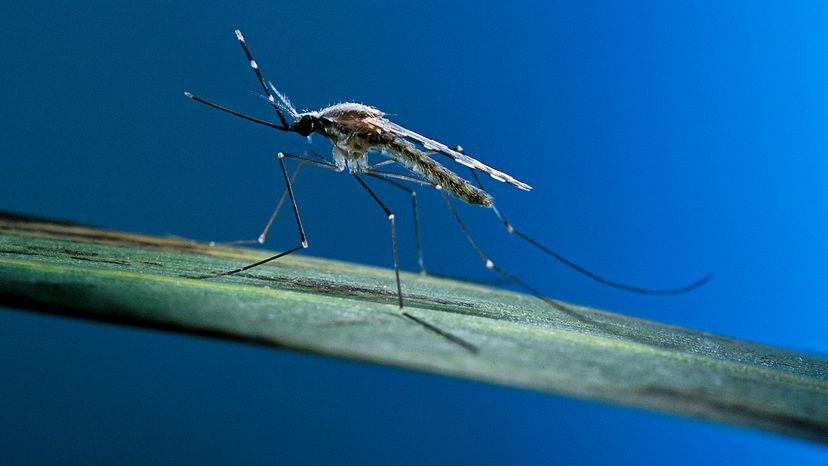
Inside the pupal case, the pupa transforms into an adult mosquito. The adult uses air pressure to break the pupal case open, crawls to a protected area and rests while its external skeleton hardens, spreading its wings out to dry. Once this is complete, it can fly away and live on the land.
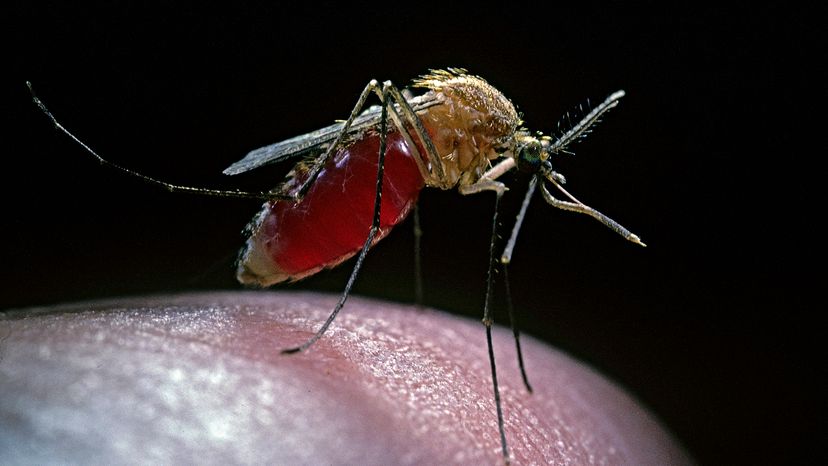
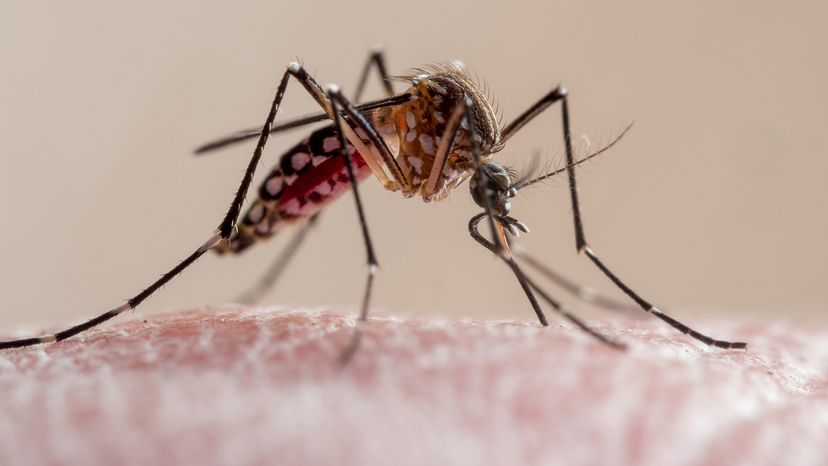
One of the first things that adult mosquitoes do is seek a mate, mate and then feed. Male mosquitoes have short mouth parts and feed on plant nectar. In contrast, female mosquitoes have a long proboscis that they use to bite animals and humans and feed on their blood. The blood provides proteins that the females need to lay eggs.
After they feed, females lay their eggs (they need a blood meal each time they lay eggs). Females continue this cycle and live anywhere from many days to weeks (longer over the winter); males usually live only a few days after mating. The life cycles of mosquitoes vary with the species and environmental conditions.