What Is a Baby Turkey Called? 'Poultry' Is About to Make So Much Sense

By: Nico Avelle  | 
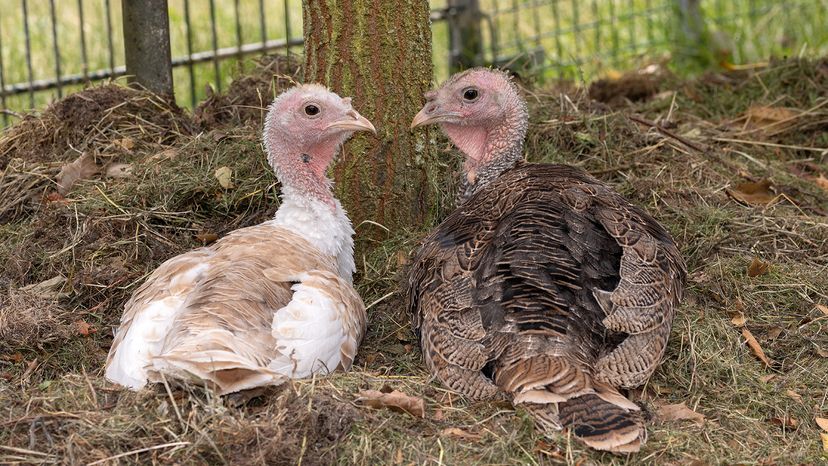
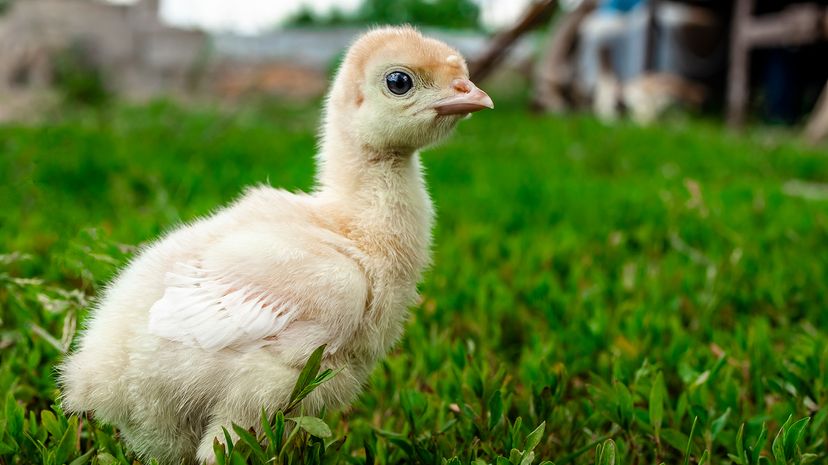
We wouldn't blame you for calling this a turkey chick, but those who know what they're talking about call it a poult. Waidelotte / Shutterstock

When you spot a wild turkey strutting across a field, it's easy to forget they start out tiny and fluffy. So, what is a baby turkey called? The answer is short and sweet: poult.

Young turkeys are called poults from the moment they hatch until they grow feathers and can fly. This early stage of life is full of growth, danger, and turkey lessons passed down from their mother.

Advertisement
What to Know About Poults

turkeys
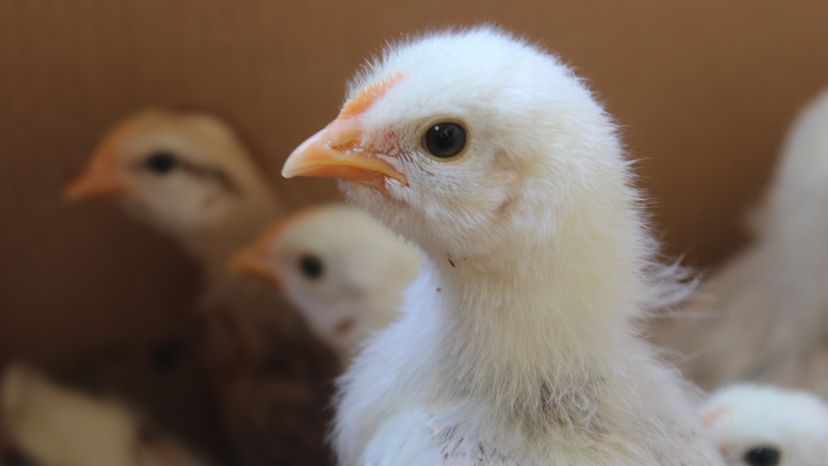
The term "poultry" suddenly makes so much more sense Santrel / Shutterstock

Poults are the baby turkeys you rarely see unless you’re out in wildlife areas or on a farm.

Like baby chickens, turkey poults hatch well-developed (precocial) and are active and alert shortly after hatching. They follow the hen, their mother, almost immediately, learning what to eat and how to avoid predators like foxes and crows.

Advertisement

In most parts of North America, wild turkeys nest on the ground. Within 24 hours, poults begin to run, follow the hen, and feed primarily on insects, occasionally nibbling on seeds. Loud noises or a leashed dog nearby can scare them into hiding.

Healthy poults grow fast, developing feathers that let them fly short distances by about 2 weeks of age.

Advertisement

From Poults to Jakes and Jennies

turkeys
Before adult male turkeys become full-blown toms or gobblers, they're called jakes. The females are called jennies before they become hens. LGieger / Shutterstock

As poults age, the terms change. Juvenile males become jakes, while young females are sometimes called jennies, though that word is less common.

Once they reach maturity, male turkeys are called toms or gobblers, and females are called hens. These names apply to both wild and domestic turkeys.

Advertisement

Poults and the Thanksgiving Connection

Domestic turkeys raised for food also start out as poults. On farms, poults are kept warm in brooders and fed a steady diet of grains and seeds.

Though most people think of a big white bird on Thanksgiving, that gobbler started as a tiny poult in a hatchery.

Advertisement

Unlike bold turkeys seen crossing roads in places like Massachusetts, baby turkeys depend entirely on their mothers or farmers for survival. Their early days are critical, and loss rates in the wild can be high due to predators and environmental conditions.

How Turkeys Learn to Live

Turkeys learn behaviors like foraging, flying, and avoiding danger by mimicking adult birds. Hens teach poults where to find food and how to respond to threats.

A flock of turkeys, called a rafter, often includes several hens with their babies moving as a group. It's a common sight in rural areas, especially in rural areas of the United States and Mexico.

Advertisement

So, next time you hear a gobble or see a turkey standing tall in a field, remember: That big bird started life as a tiny, ground-hugging poult.

We created this article in conjunction with AI technology, then made sure it was fact-checked and edited by a HowStuffWorks editor.

Advertisement

Advertisement

Loading...