10 Types of Tuna for Sushi, Fish Tacos, and More

By: Nico Avelle  | 
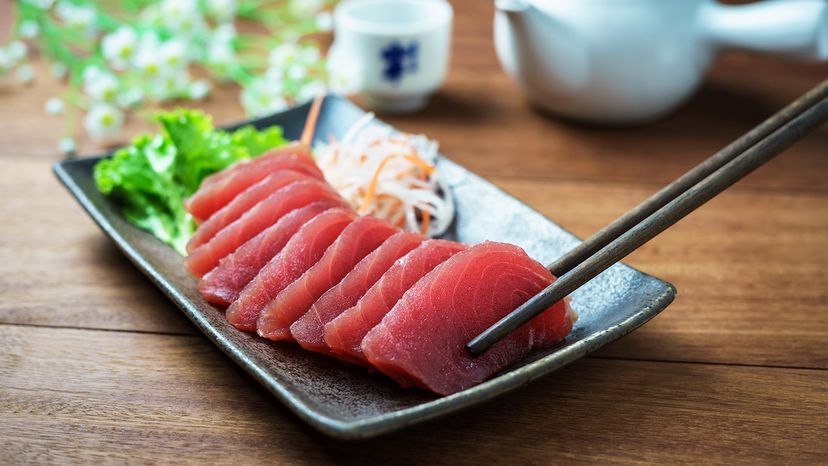
Tuna sashimi
Maybe you've heard of bluefin, but what other tuna species can you name? kitzcorner / Shutterstock

If you've ever stood in the seafood aisle wondering what separates a can of light tuna from the sleek bluefin sashimi at your favorite sushi bar, you're not alone.

The types of tuna out there range from everyday staples to delicacies that command sky-high prices. Understanding the species behind the label helps explain the taste, texture, and even health advice surrounding each one.

Advertisement

Tuna belong to the family Scombridae, and they're some of the fastest, farthest-traveling fish in the sea. Found worldwide, they play a major role in global fishing and cuisine. Here's how the different species stack up.
1. Atlantic Bluefin Tuna

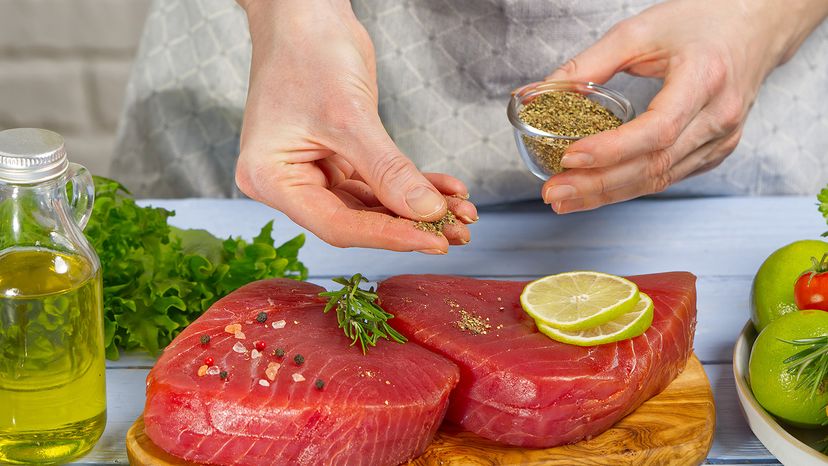
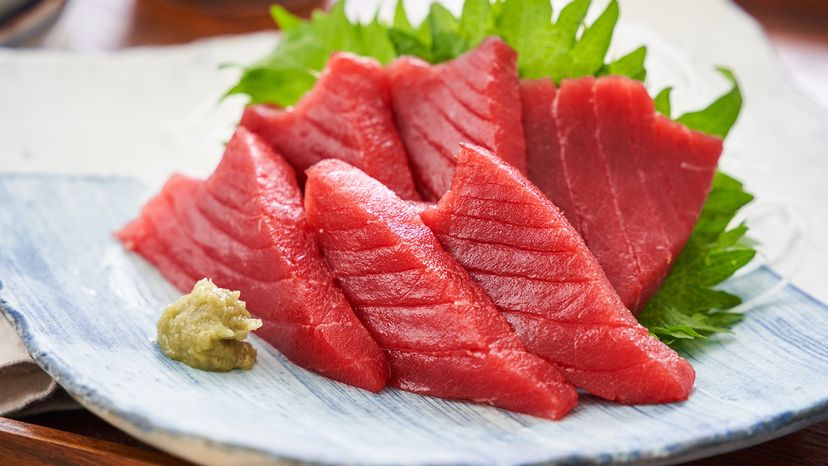
Fresh Atlantic bluefin tuna
Atlantic bluefin tuna. InFocus.ee / Shutterstock

This is the heavyweight champ of the tuna world. Atlantic bluefin can reach up to 1,500 lbs (680 kg) and are prized for their fatty belly, called otoro in Japanese cuisine.

They're mostly caught in the Atlantic and Mediterranean and show up in high-end restaurants as sushi and sashimi. Their rich, dark red meat and high fat content make them a luxurious choice.

Advertisement

2. Pacific Bluefin Tuna

Pacific bluefin tuna
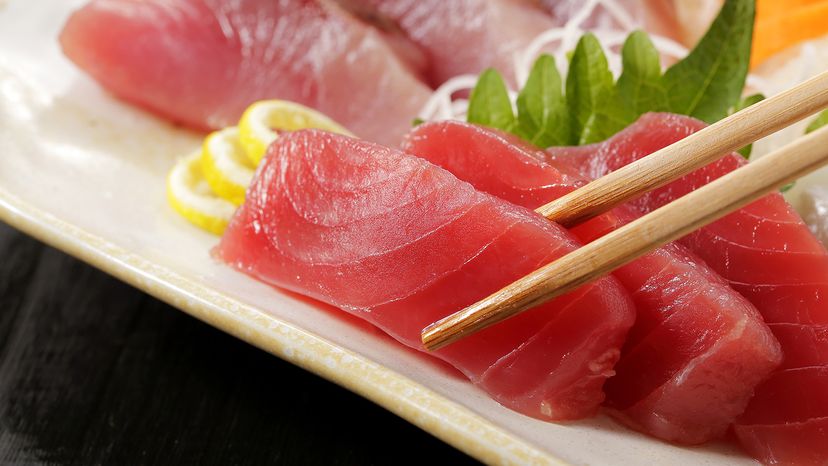
Pacific bluefin tuna sashimi. karins / Shutterstock

Smaller than their Atlantic cousins, Pacific bluefin still pack a punch in flavor. Found in the eastern Pacific, they're widely regarded as a top-tier fish for sushi.

Like other bluefin varieties, they're overfished in some areas, so sourcing matters. Their firm texture differentiates them from other species.

Advertisement

3. Southern Bluefin Tuna

These roam cooler waters in the Southern Hemisphere and are another sought-after sushi staple. Southern bluefin are slower to reproduce and often found in farms to help meet demand sustainably. Their high fat content makes them rich and flavorful, perfect for sashimi and sushi.

Advertisement

4. Bigeye Tuna

Raw bigeye tuna
Bigeye tuna sashimi. Nishihama / Shutterstock

Bigeye are named for their (you guessed it) exceptionally enormous eyes adapted for deep water.

They're common in tuna steak and sushi dishes. With a slightly higher fat content than yellowfin, they offer a milder but still rich taste. You'll often see them labeled as "ahi," especially in Hawaii.

Advertisement

5. Yellowfin Tuna

Yellowfin tuna fillet
Yellowfin tuna fillet. kariphoto / Shutterstock

Yellowfin, also called "ahi" like bigeye, are abundant and fast-growing. They’re one of the most-caught tuna worldwide, known for their lean, firm, pale pink meat—great for tuna salad, canned tuna, or a grilled steak.

Their mild flavor appeals to many, and they swim in large schools.

Advertisement

6. Albacore Tuna

Albacore tuna sashimi
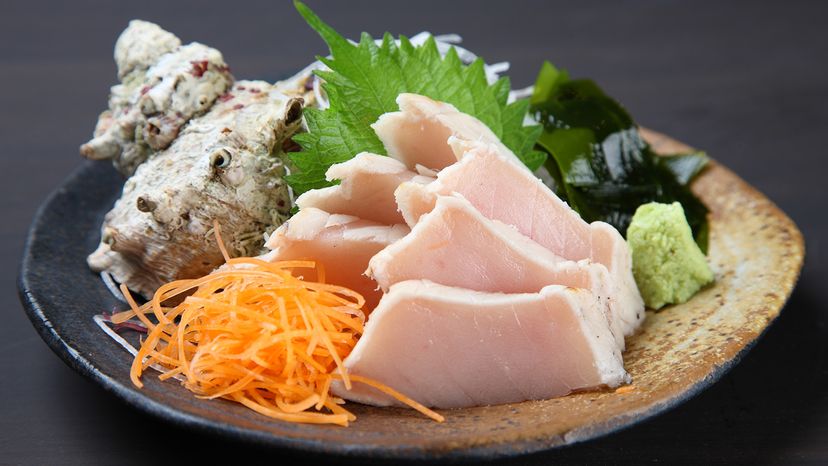
Albacore tuna sashimi. UV70 / Shutterstock

This is what most people recognize as white tuna in the U.S. Albacore has a white flesh and a mild flavor perfect for canned light tuna. They're smaller and found in the Pacific Ocean, among other regions. Health advice often cautions pregnant women to limit intake due to mercury.

Advertisement

7. Skipjack Tuna

Skipjack tuna
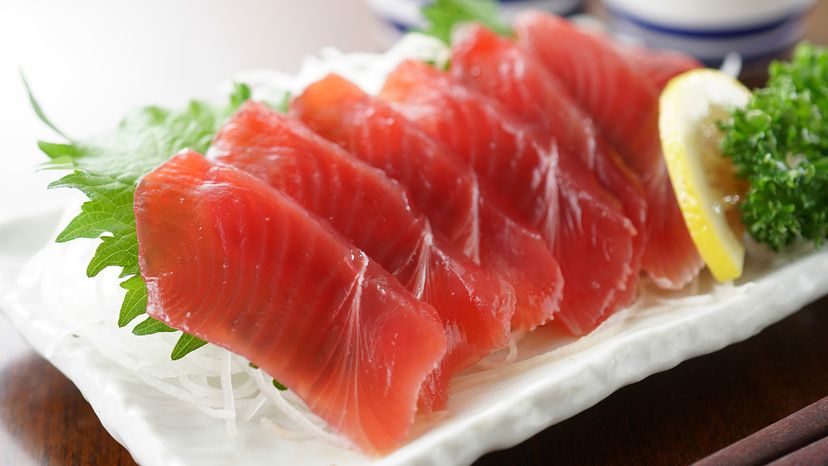
Skipjack tuna sashimi. K321 / Shutterstock

Skipjack dominate the canned tuna market. They're small, quick-growing, and swim in vast numbers. Their dark red meat is stronger in flavor and often labeled as light tuna. They’re affordable, sustainable, and form the bulk of global tuna fish consumption.

Advertisement

8. Tongol Tuna

A lesser-known variety, Tongol tuna is sometimes used in premium canned products. They’re smaller and milder than skipjack and popular in Southeast Asian markets. Their firm texture and low fat make them versatile.

Advertisement

9. Northern Bluefin Tuna

Northern bluefin tuna
Northern bluefin tuna. Oteera / Shutterstock

Sometimes used interchangeably with Atlantic bluefin, the northern bluefin is a term occasionally applied to subpopulations or historical classifications. It's essential to clarify the species for sustainability and taste expectations.

These tuna are built for speed and power, much like their Atlantic counterparts.

Advertisement

10. Little Tunny

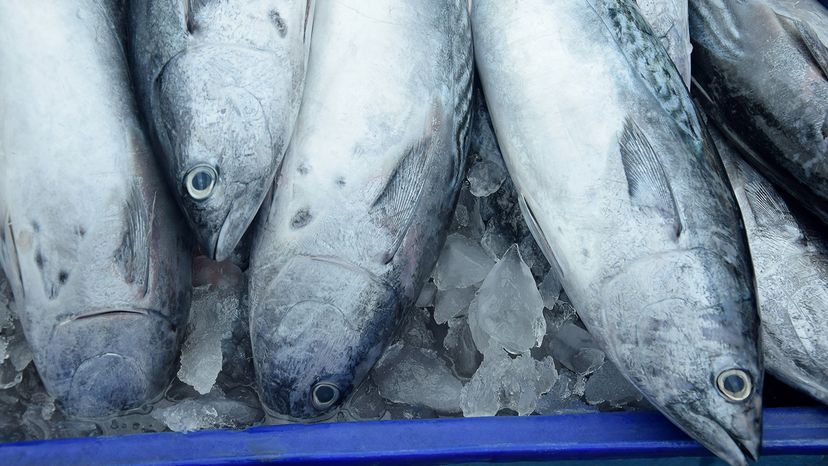
Often confused with true tunas, the little tunny is more of an "other species" relative in the tuna family. With a stronger taste and more dark red meat, they’re usually found in regional dishes rather than global markets.

We created this article in conjunction with AI technology, then made sure it was fact-checked and edited by a HowStuffWorks editor.

Advertisement

Loading...