15 Butterfly Species to Spot on (Almost) Every Continent

By: Nico Avelle  | 
Glasswing
Butterflies hit the genetic lottery, compared to some other insects. Albert Beukhof / Shutterstock

Butterflies aren't just colorful decorations fluttering around flowers. They are one of the most diverse groups of insects, with more than 17,000 known species.

Butterfly species live on every continent except Antarctica and play a crucial role in ecosystems as pollinators, prey, and indicators of environmental health.

Advertisement

From the tropical rainforests of Costa Rica to the meadows of California, many butterflies dazzle us with their patterns, behaviors and survival strategies. These insects come in many shapes, colors and sizes, and they feed, fly and even mate in dramatically different ways.
1. Monarch (Danaus plexippus)

Monarch butterflies
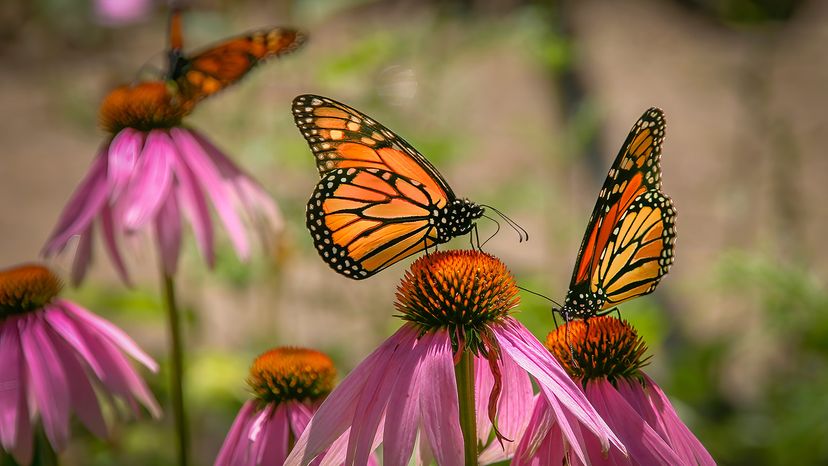
Monarch butterflies. Jim Schwabel / Shutterstock

The monarch might be the most famous butterfly. Native to North America, it completes a long-distance butterfly migration every year, flying up to 3,000 miles (4,800 km) from Canada to Mexico.

Its bright orange wings, edged in black, warn predators of its toxicity, which comes from milkweed eaten during the caterpillar stage.

Advertisement

2. Blue Morpho (Morpho peleides)

Blue Morpho Butterfly
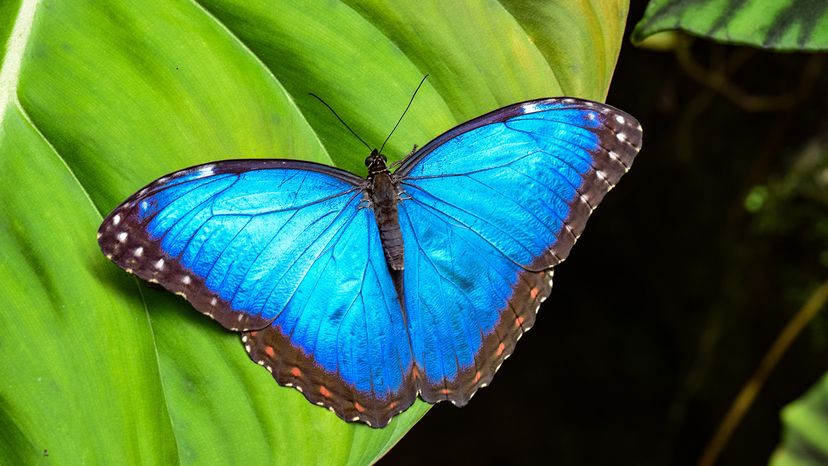
Blue morpho butterfly. Terii / Shutterstock

Found in the tropical regions of Central and South America, this butterfly is known for its brilliant structural colors. Unlike pigment-based color, structural color comes from microscopic scales that reflect light.

These butterflies often feed on rotting fruit and are especially active during the day. Their wings flash bright blue while flying but look brown while resting, providing camouflage.

Advertisement

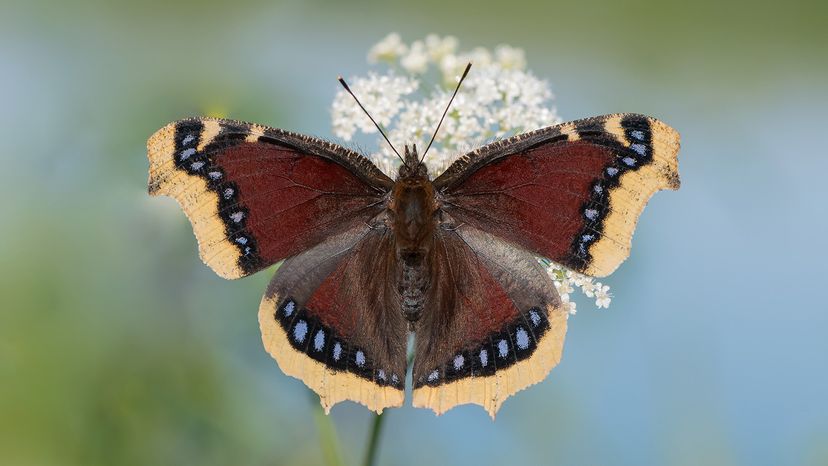
3. Mourning Cloak (Nymphalis antiopa)

Mourning cloak butterfly
Mourning cloak butterfly. Massimiliano Paolino / Shutterstock

This butterfly from the family Nymphalidae has dark wings edged in yellow. Common across meadows and woodlands in America and Europe, the mourning cloak overwinters as an adult, a rare trait among butterflies.

It feeds on sap, nectar and fruit, and its larvae have spiny bodies and are often seen in groups on tree trunks.

Advertisement

4. Zebra Longwing (Heliconius charithonia)

Zebra longwing
Zebra longwing butterflies. Nigel Jarvis / Shutterstock

With black-and-white striped wings, the zebra longwing is found in the tropics of the Americas. It belongs to a subgroup within family Nymphalidae and shows some of the most complex natural history among butterflies.

It lives longer than most species—up to several months—and even sleeps in groups. This butterfly is known to feed on both nectar and pollen.

Advertisement

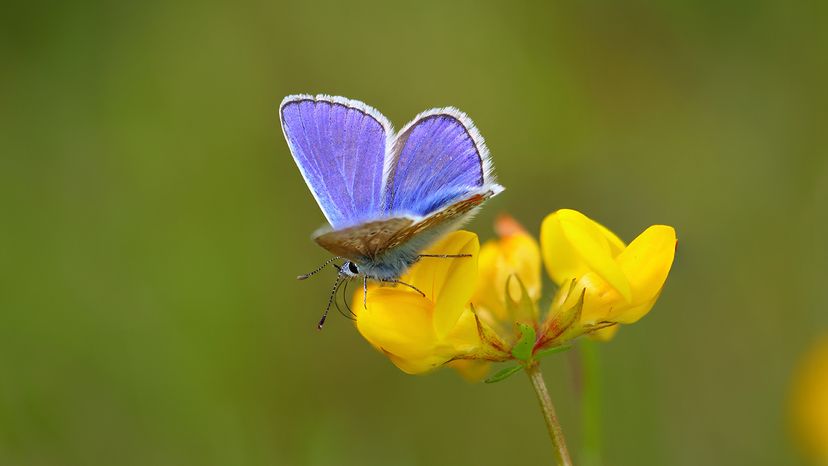
5. Common Blue (Polyommatus icarus)

Common blue butterfly
Common blue butterfly. Colin Ward / Shutterstock

A member of the family Lycaenidae, the common blue can be found across Europe, Asia and North Africa. Males are bright blue, while females tend to be brown with orange spots.

The larvae have a mutualistic relationship with ants, which protect them in exchange for sugary secretions. They’re often spotted fluttering around wildflowers in spring and summer.

Advertisement

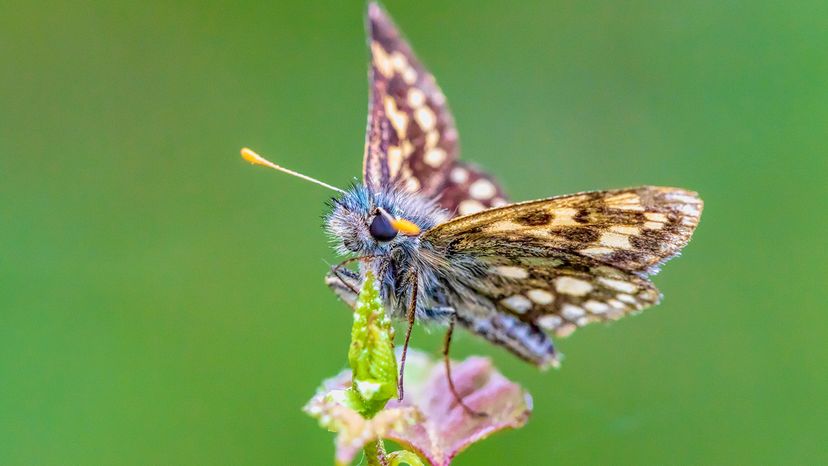
6. Skippers (Family Hesperiidae)

The chequered skipper
Chequered skipper butterfly. Sonja Ooms / Shutterstock

Skippers are a unique family of butterflies that resemble moths due to their chunky bodies and hooked antennae. They have a rapid, jerky flight and are frequently seen darting through meadows and plants.

Many skipper caterpillars feed on grasses, and adult skippers generally have a short lifespan (often only a few weeks).

Advertisement

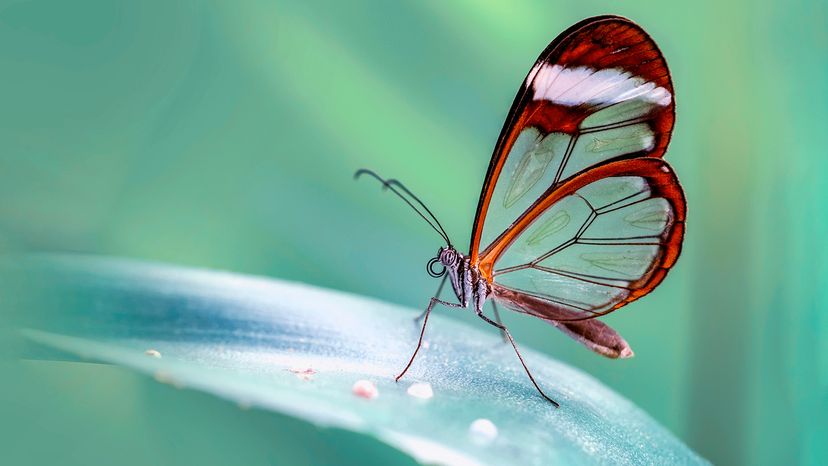
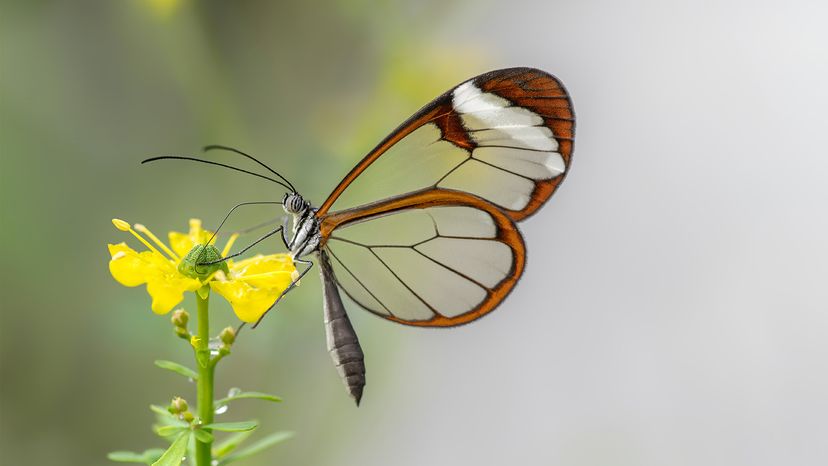
7. Glasswing (Greta oto)

Glasswing
Glasswing butterfly. Darkdiamond67 / Shutterstock

This butterfly from Central America has nearly invisible wings, making it look like floating skin and confusing predators. Its wings are framed in dark brown but mostly transparent due to the lack of colored scales.

Glasswings often visit flowers but are also attracted to rotting fruit. Their delicate wings make them favorites among butterfly enthusiasts.

Advertisement

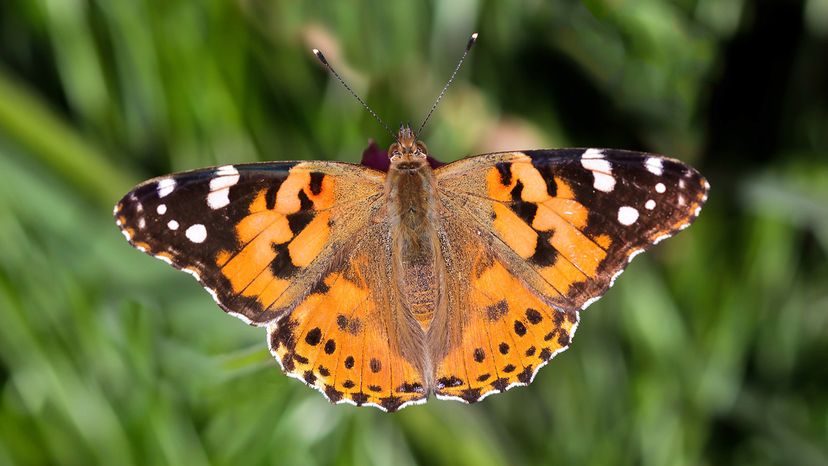
8. Painted Lady (Vanessa cardui)

Painted Lady
Painted lady butterfly. Bildagentur Zoonar GmbH / Shutterstock

Found on every continent except Antarctica and Australia, the painted lady is one of the most widespread butterfly species in the world. These butterflies can travel thousands of miles during their migration.

Their larvae feed on a wide range of plants, and adults are known to frequent urban gardens, meadows and farmlands.

Advertisement

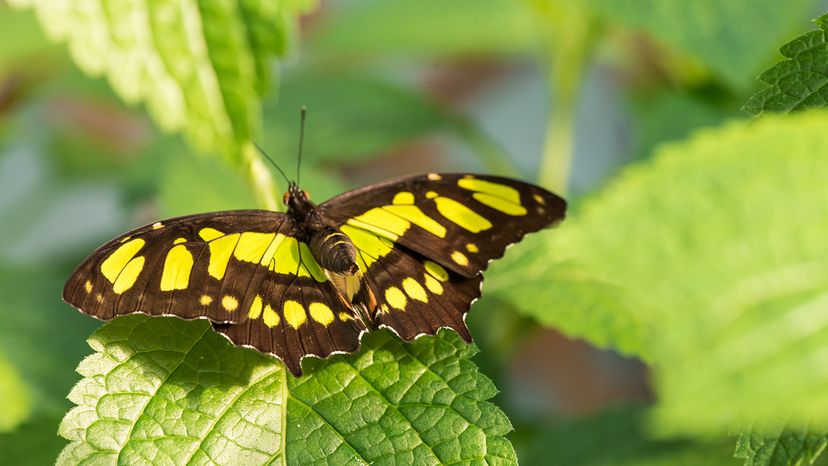
9. Malachite (Siproeta stelenes)

Malachite
Malachite butterfly. hufdoc / Shutterstock

Named for the green mineral, this butterfly has bright colors of lime green and brown. Found in tropical butterflies regions of Central and South America, malachites feed on nectar, fruit, and even decaying animal matter. T

heir strong wings and broad shape make them powerful fliers. Malachite pupae are known for their striking gold coloration.

Advertisement

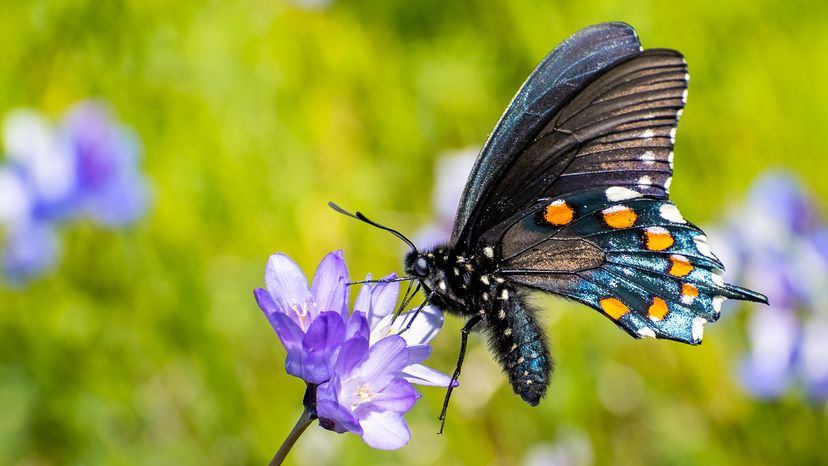
10. Pipevine Swallowtail (Battus philenor)

Pipevine swallowtail
Pipevine swallowtail butterfly. Sundry Photography / Shutterstock

This North American butterfly has deep blue iridescent hindwings and long tails extending from each wing.

Its caterpillars feed on poisonous pipevine, making both the larvae and the adult butterflies poisonous to predators. Many other butterflies, including the spicebush swallowtail, mimic its coloration to avoid predators.

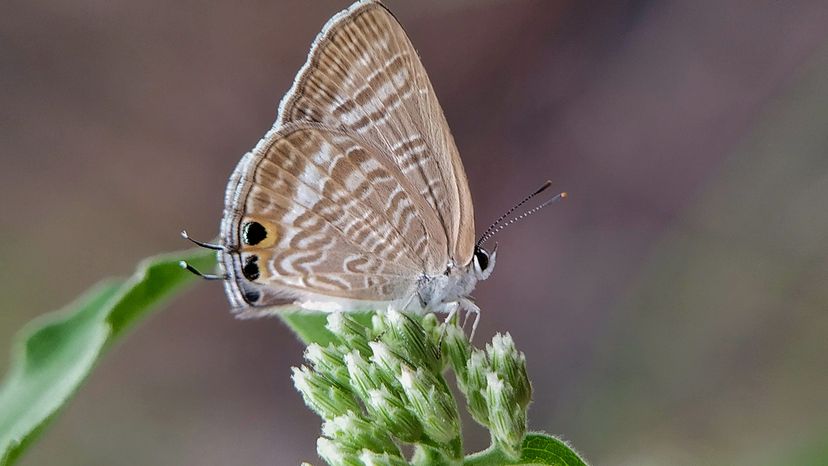
11. Long-Tailed Blue (Lampides boeticus)

Long-tailed blue
Long-tailed blue butterfly. Kasmad Macro / Shutterstock

This small butterfly from the family Lycaenidae is known for its darting flight and long tail extensions. Its larvae feed on legumes and have associations with ants.

Found in the tropics and temperate regions, it's one of the many species that complete several generations per year, especially in warm climates.

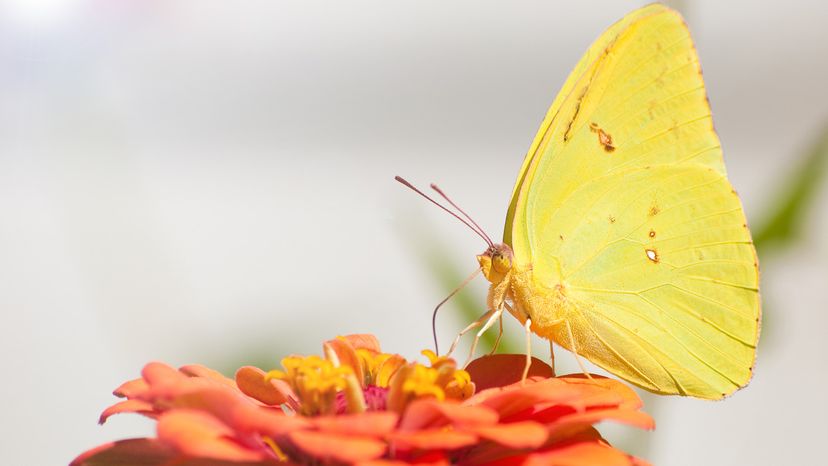
12. Cloudless Sulphur (Phoebis sennae)

Cloudless Sulphur
Cloudless sulphur butterfly. Sari ONeal / Shutterstock

Sporting all-yellow wings, this butterfly is often seen darting through meadows and along roadsides. Males are a brighter yellow, while females can be pale with brown edging.

They are strong migrants and feed on nectar from red and orange flowers.

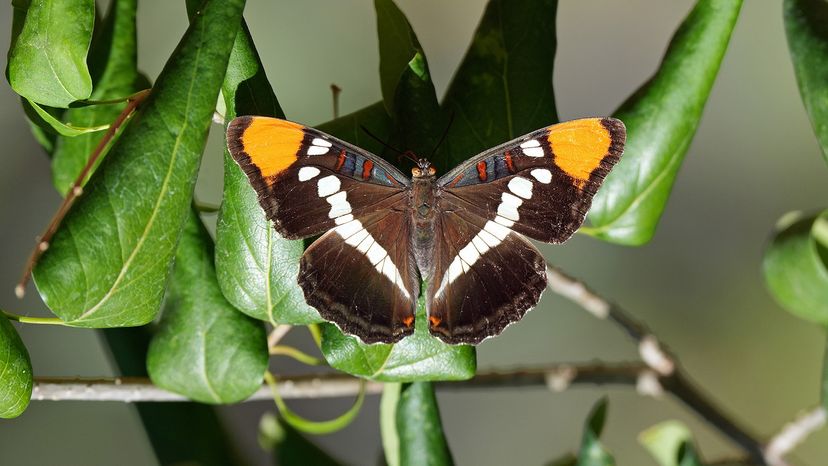
13. California Sister (Adelpha californica)

California Sister
California sister butterfly. A. Viduetsky / Shutterstock

A native of the American West, the California sister features black wings with an orange bar and white spots. It is part of the family Nymphalidae and is commonly found in oak woodlands.

Caterpillars resemble bird droppings as a form of camouflage, and adults prefer feeding on rotting fruit over flowers.

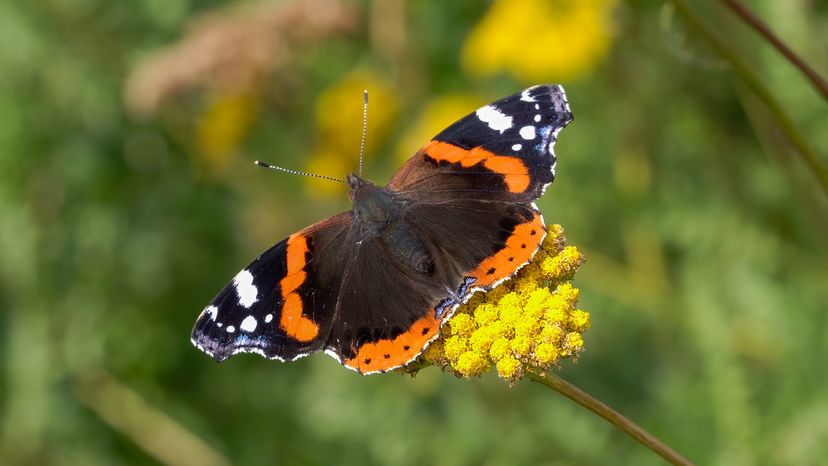
14. Red Admiral (Vanessa atalanta)

Red Admiral butterfly
Red admiral butterfly. Tony Baggett / Shutterstock

A bold black butterfly with red and white markings, the red admiral is a fast flier often found in temperate zones.

Like many butterflies, it shows territorial behavior, with males often chasing away rivals. It belongs to the genus Vanessa, known for widespread migrations and strongly territorial males.

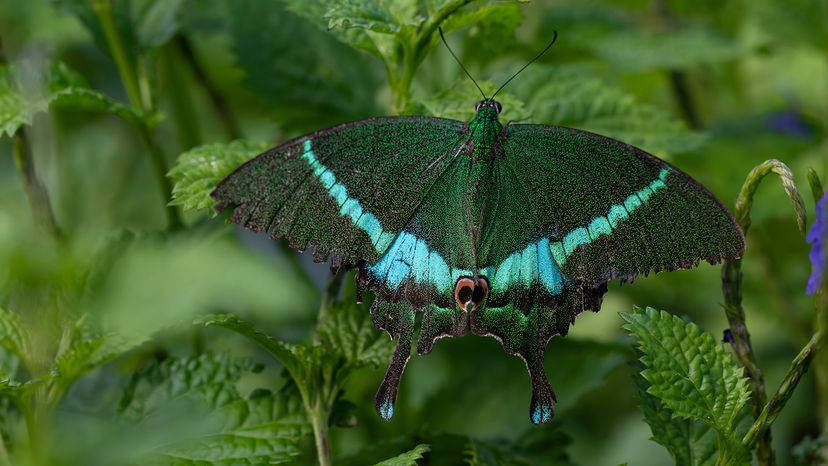
15. Banded Peacock (Papilio crino)

Common banded peacock
Banded peacock butterfly. Stagsiva / Shutterstock

Found in South Asia, this butterfly is known for its metallic blue-green bands and elaborate wing patterns. It belongs to the family Papilionidae and is a frequent visitor to flowers. Its unique wing shape and fast flight help it evade birds, which are among its top predators.

We created this article in conjunction with AI technology, then made sure it was fact-checked and edited by a HowStuffWorks editor.

Advertisement

Loading...