Why Are Blue Whales Going Silent?

By: Nico Avelle  | 
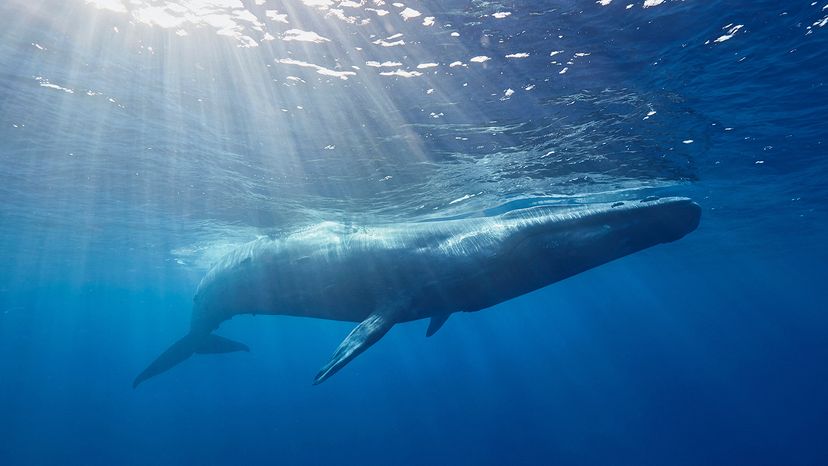
What does it mean when whales stop singing? Ajit S N / Shutterstock

The pattern of blue whales going silent has become a troubling in the Pacific Ocean, and scientists are paying close attention. Recordings show strong seasonal and year-to-year variation in blue whale vocalizations—including periods with lower detected calling—and scientists are concerned.

Changes in whale singing can reflect shifts in whale behavior and foraging conditions, but they require careful interpretation and are not a single definitive indicator of ecosystem health.

Advertisement

Blue whale singing can decrease during and after marine heatwaves, and it can fluctuate year to year with food availability. Researchers studying parts of the Pacific coast and other regions report that whale singing can fluctuate with food availability following marine heatwaves.

When the Ocean's Largest Singers Stop

Blue whales and fin whales rank among the largest animals on Earth. Their songs travel hundreds of miles through the underwater world, helping whales of the same species communicate over long distances, including in reproductive contexts.

Researchers found that blue whale song detections can vary strongly year to year and can be lower during and after major marine heatwaves. In some areas, recordings began in the early 2000s and showed strong seasonal patterns.

Advertisement

A biological oceanographer and an ecosystem oceanographer from Oregon State University, along with scientists from Monterey Bay Aquarium Research Institute and the National Oceanic and Atmospheric Administration, have tracked similar patterns.

Dawn Barlow and Benoit Bird reported that blue whale vocalizations can be lower during marine heatwaves.

Advertisement

It's Not Just Temperature

Ocean temperatures continue to rise as warming waters spread across the sea. But scientists say it's not just temperature alone that drives the silence.

Blue whales depend on krill as their primary food source. Marine heatwaves can reduce krill availability in some regions. Anchovy populations can also shift location. Without enough food, these marine mammals may spend more time and energy searching for prey and may sing less.

Advertisement

A Warning Sign for Ocean Health

Whale songs function like acoustic billboards in the ocean. When city streets go quiet, people notice. When quieter oceans replace vibrant whale songs, scientists treat it as a warning sign.

Marine heatwaves create incredibly stressful conditions. The National Oceanic and Atmospheric Administration (NOAA), part of the U.S. Department of Commerce, tracks these events as part of monitoring ocean health. According to the NOAA and the World Meteorological Organization, extreme events in the ocean are becoming more common as climate change intensifies.

Advertisement

Commercial whaling once drove blue and fin whales to low numbers worldwide. Today, most widespread poisoning from pollutants, noise pollution from ships, and rapid shifts in the marine environment add new pressure.

Each stressor alone matters. Together, they raise concerns about cumulative pressure on marine ecosystems in vulnerable regions

Advertisement

What Silence Means for the Future

Whale song detections can be lower during and after marine heatwaves, and researchers use these changes as one indicator of shifts in ecosystem state and foraging conditions.

If krill decline, blue whales may stop singing. If warming waters persist, marine mammals may need to travel farther to find food.

Advertisement

Blue whales going eerily quiet does not mean they vanish. It means behavior shifts under stress. That shift helps researchers measure how climate change reshapes life in the ocean.

In a connected world, what happens beneath the waves affects fisheries, coastal communities and global food systems. The songs of the largest animals in the sea can complement other measurements of ocean conditions.

We created this article in conjunction with AI technology, then made sure it was fact-checked and edited by a HowStuffWorks editor.

Advertisement

Advertisement

Loading...