Hare vs. Rabbit Differences: Ears, Speed, and Social Behavior

By: Nico Avelle  | 
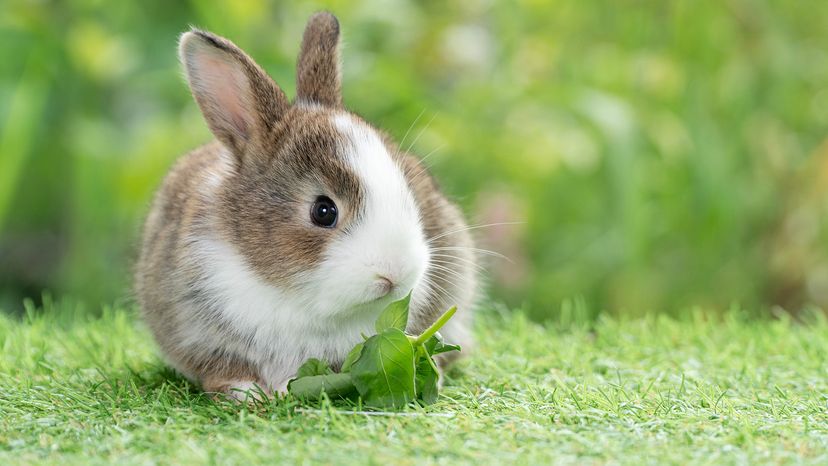
Rabbit
Both rabbits and hares are vegetarians, but that's more or less where the similarities end. Kaewmanee jiangsihui / Shutterstock

At first glance, a rabbit and a hare might look like twins in a petting zoo lineup. But the hare vs. rabbit comparison runs deeper than floppy ears and twitchy noses. These two species, while from the same family Leporidae, lead very different lives.

Both are prey animals, often targeted by foxes, birds of prey, and other animals. That’s why their long legs and sharp senses matter so much in the wild.

Advertisement

Yet when you start looking at their behavior, biology, and lifestyle, hares and rabbits part ways fast.

Born to Be Wild, or at Least Very Different

Rabbits and hares don’t raise their young the same way. Young rabbits, called kits or kittens, are born blind, hairless, and helpless. They spend their first days hidden in cozy burrows lined with fur. Rabbits live underground in social groups, often in networks called warrens.

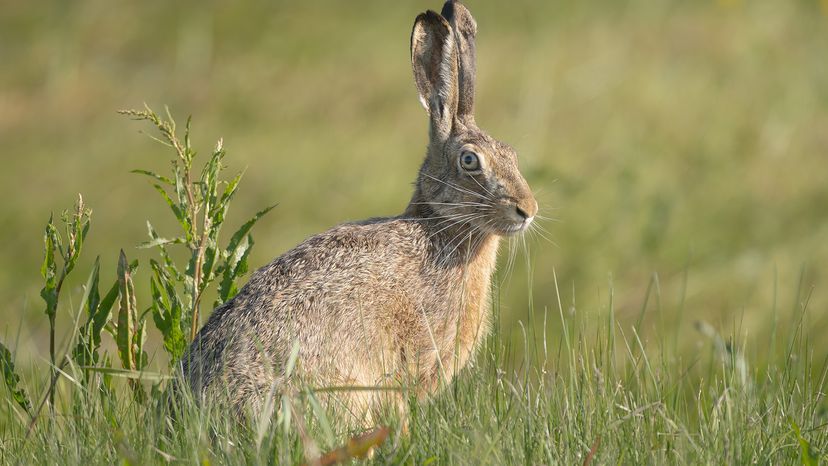
European hare
European hare.
Piotr Poznan / Shutterstock

Hares, such as the European hare (Lepus europaeus), do the opposite. A baby hare, or leveret, is born above ground with open eyes and a full coat of fur. These mammals are ready to hop within hours.

Advertisement

Hares live solitary lives and nest in shallow ground depressions instead of burrows.

Advertisement

Different Ears, Legs, and Speed

The easiest way to tell them apart? Check the ears. Hares have longer ears with black markings, a trait that helps them hear predators from far off.

Rabbits, in contrast, have shorter ears and tend to stay closer to shelter.

Advertisement

Their back legs tell another story. Hares have longer, stronger legs designed for sprinting across open fields. Jackrabbits, a type of hare, can hit speeds over 45 mph (70 km/h).

Rabbits prefer a quick zigzag hop to escape danger and tend to stay hidden in woods or grassy areas.

Advertisement

Where They Live and What They Eat

Hares prefer wide-open spaces like prairies or meadows, while rabbits seek cover in woods, hedgerows, or suburban gardens. Rabbits dig burrows for safety, while hares rely on speed and camouflage.

Both eat a vegetarian diet — mostly grass, hay, and leafy greens. But because rabbits and hares live in different places, their food choices can vary.

Advertisement

Domesticated rabbits also enjoy vegetables like carrots or parsley, though they still need hay to stay healthy.

Social Habits

Group of rabbits
Rabbits. PlNA / Shutterstock

Rabbits are social animals. They live in groups and communicate through body language and thumps. That’s part of what makes them popular pets, especially for children.

Hares are more aloof. They rarely form groups and only pair up briefly to breed.

Advertisement

Speaking of breeding, female rabbits can have several litters a year. Hares, being more independent, tend to breed less frequently but give birth to more developed young.

The Easter Bunny Confusion

Here’s where things get confusing. The Easter Bunny, often shown delivering eggs, looks like a classic rabbit. But some early legends may have drawn from hare behavior, especially because hares breed in spring and have a high-energy vibe.

Still, when it comes to the actual bunny in your backyard or hutch, odds are it’s a domesticated rabbit, not a wild hare. And while both are adorable, only one fits comfortably in your lap.

Advertisement

We created this article in conjunction with AI technology, then made sure it was fact-checked and edited by a HowStuffWorks editor.

Advertisement

Loading...