Rat Poop vs. Mouse Poop: Important Differences for Pest Control

By: Nico Avelle  | 
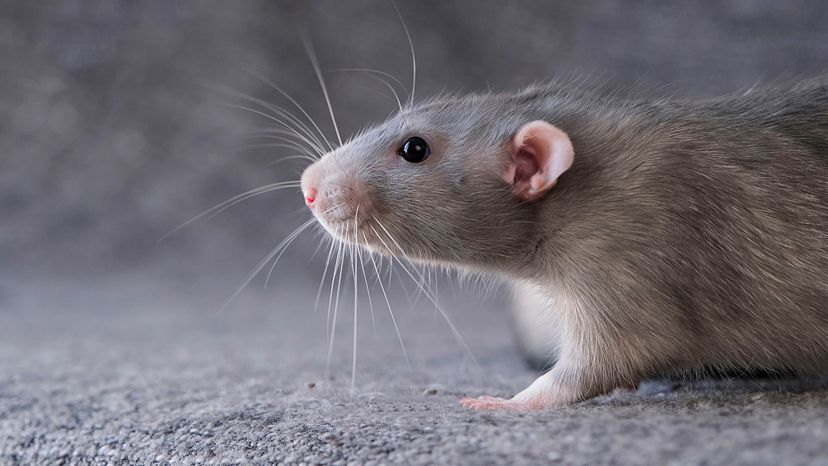
rat
Honestly, finding either is bad news. ilona.shorokhova / Shutterstock

If you’ve spotted small droppings in your home, you may be wondering how to tell if it's rat poop vs. mouse poop. Identifying the type of rodent droppings is a critical first step in addressing an infestation and avoiding health risks.

Both rats and mice are common pests, but their droppings have distinct characteristics that can help you determine which rodent is the culprit.

Advertisement
Appearance and Size

Rat droppings are typically larger, about 1/2 to 3/4 inch (1 to 2 cm) long, with blunt or rounded ends. They’re dark brown and often found near food sources, crawl spaces, or rat nests.

Norway rats and roof rats leave behind slightly different shapes, but both are noticeably larger than mouse droppings.

Advertisement

Mouse poop is much smaller, about 1/8 to 1/4 inch (0.5 cm) long, and has pointed ends. Mouse droppings are often found in cabinets, along walls, or near food debris.

A single mouse can leave around 50 to 75 pellets per day, so accumulations build up quickly.

Advertisement

Location and Pattern

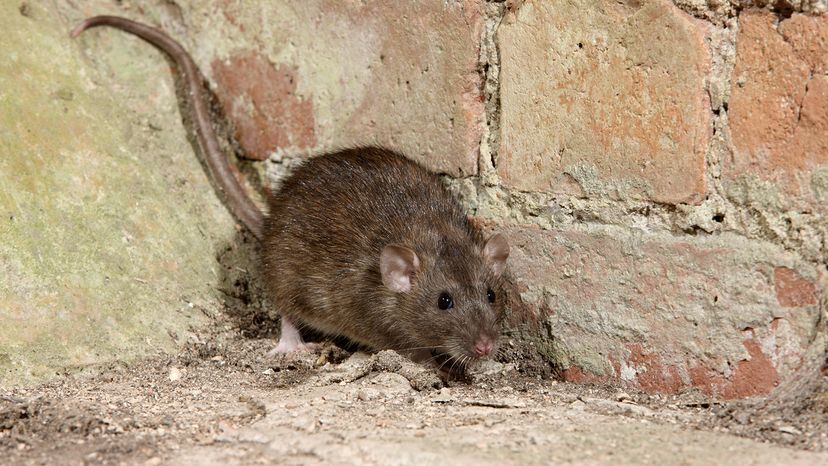
Brown rat
Brown rat. Erni / Shutterstock

Mouse droppings are usually scattered and appear in large quantities. Rats tend to leave droppings along paths or near their nests. If you find oblong-shaped droppings near baseboards, behind appliances, or in food storage areas, you’re likely dealing with a mouse infestation.

If the droppings are larger (around 1/2 inch or 1 cm long) and found in areas like crawl spaces or near building entry points, it likely indicates a rat infestation.

Advertisement

Health Risks and Safety

Both mouse and rat feces can carry harmful bacteria and viruses. Direct contact or breathing in particles from dried droppings or rodent urine can lead to serious health issues, including hantavirus, salmonella, and rat bite fever.

Rats and mice also contaminate pet food, bird seed, and household surfaces. Wear disposable gloves and use a plastic bag when cleaning up droppings. Always disinfect the area with a bleach solution or household disinfectant.

Advertisement

Signs of Infestation

Other signs of a rodent problem include:

  • Strange noises in walls or ceilings
  • Nest material like shredded paper or fabric
  • Chewed food packaging
  • Rodent urine odor

Rat infestations may also include larger nests and the presence of larger droppings in hidden areas like wall voids or under floorboards.

Advertisement

4 Ways to Get Rid of Rodents

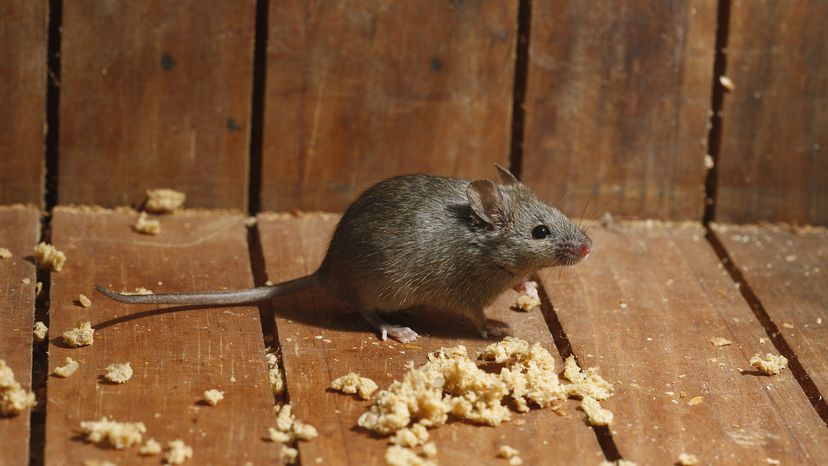
Mouse
Mouse. Erni / Shutterstock

To rid your home of rats or mice:

  1. Seal all entry points.
  2. Remove food sources.
  3. Use traps or bait stations.
  4. Call pest control for serious infestations.

Prevent future issues by storing food in sealed containers and cleaning up food debris quickly. Peppermint oil may deter some rodents, but it's no substitute for comprehensive rodent control.

Advertisement

No matter the species, rodent droppings are a sign of a bigger problem. Prompt identification and safe handling are key to protecting your home and health.

We created this article in conjunction with AI technology, then made sure it was fact-checked and edited by a HowStuffWorks editor.

Advertisement

Advertisement

Loading...