What Is a Baby Deer Called? (Aside From Adorable)

By: Nico Avelle  | 
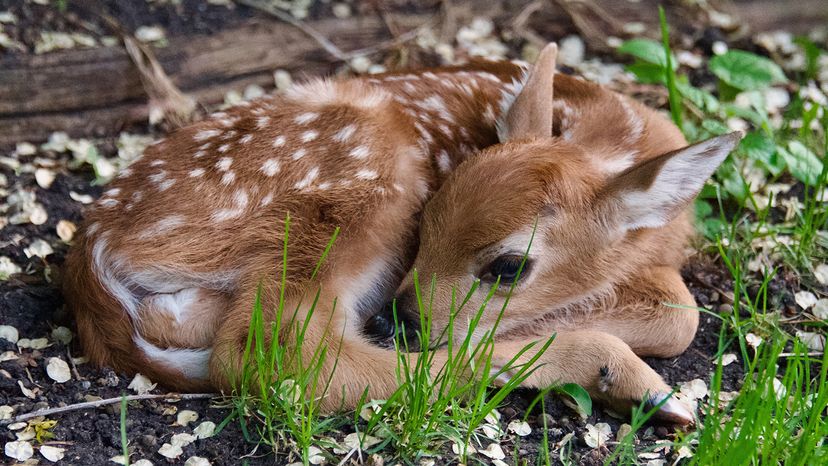
That itty-bitty deer tucked away out of sight? It's not begging for your help. In fact, the best course of action is to leave it alone. Marcel Hamonic / Shutterstock

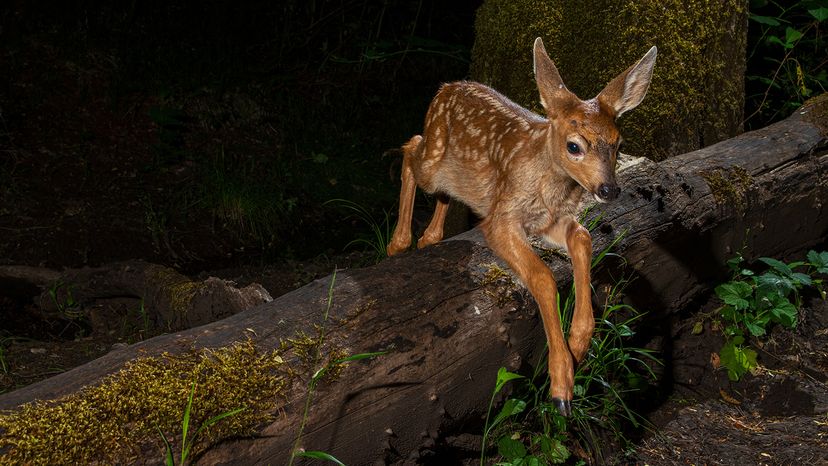
If you stumble upon a wobbly-legged baby in the woods with big ears and spots on its back, you might wonder, what is a baby deer called?

The word you're looking for is "fawn." These young deer are built for survival from the moment of birth, even if they don't look it.

Advertisement
What Is a Fawn?

deer
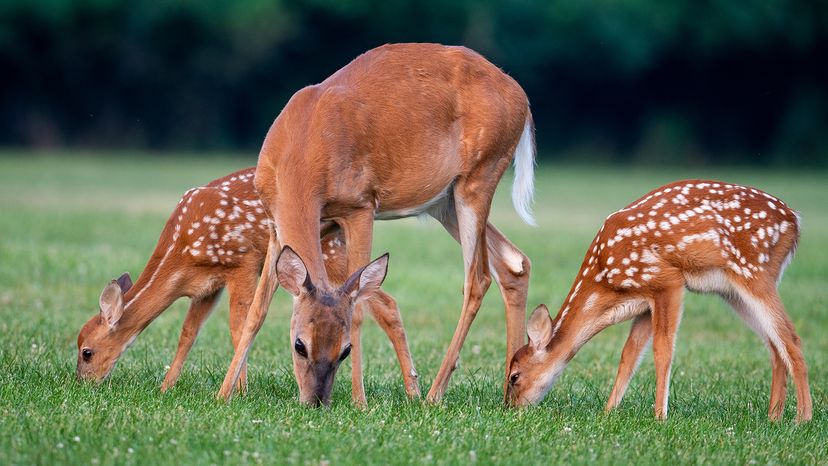
Fawns have white spots that help them with camouflage in woody areas. Tony Campbell / Shutterstock

A baby deer is called a fawn, and it usually weighs 4.5 to 9 lb (2 to 4 kg) at birth. Most fawns are born in late spring or early summer—May through July—and often come in pairs. Twins are typical, but triplets can happen when conditions are ideal.

White-tailed deer fawns are the most common deer species in North America. They sport white spots on a reddish-brown coat, which helps them blend into the forest floor. This camouflage is essential because fawns can't outrun predators in their first weeks.

Advertisement

Why Do Fawns Stay Still?

At birth, fawns have weak legs and limited scent. That combination makes hiding their best bet for survival.

The mother deer, called a doe, will quickly leave the area after birth to prevent attracting attention. She returns to nurse several times a day.

Advertisement

Humans often find fawns lying alone and assume they're abandoned. But unless the fawn is visibly injured or crying nonstop for hours, it's usually best to leave it alone. Healthy fawns stay motionless for long periods, which is exactly what nature intended.

When Should You Intervene?

If you see an injured fawn or one that's been in the same spot for more than 10 hours without signs of the mother, contact a licensed wildlife rehabilitation center.

Fawn rehabilitation is delicate work, often requiring round-the-clock feeding and minimal human contact.

Advertisement

Capturing or feeding a fawn without proper training can lead to stress, injury or even death. In most places, it's illegal to keep a wild fawn as a pet. They grow quickly, jump high, and can become dangerous as they mature.

What Happens in Rehabilitation?

fawn
The goal of rehabilitating a fawn is typically enabling it to survive on its own in the wild. Peter K. Ziminski / Shutterstock

During rehab, fawns are usually kept in quiet, secluded areas to prevent bonding with humans. The goal is to raise them with minimal human interaction so they can be safely released back into the wild.

Rehab centers also care for fawns injured by cars, dogs, or lawn equipment. Staff monitor the animals’ health, teach them to forage, and help them build the muscle they need to survive outside captivity.

Advertisement

The Best Thing You Can Do

If you find a fawn, the best thing to do is take a photo, mark the location, and leave. The mother deer will likely return. If not, reach out to a local wildlife agency for advice.

Deer are wild animals, not pets. Helping them means understanding when to act and when to stay back. It’s a lesson worth passing on to children and anyone who loves nature.

Advertisement

We created this article in conjunction with AI technology, then made sure it was fact-checked and edited by a HowStuffWorks editor.

Advertisement

Loading...