What Is a Group of Buffalo Called? Hint: It Also Applies to Bison

By: Nico Avelle  | 
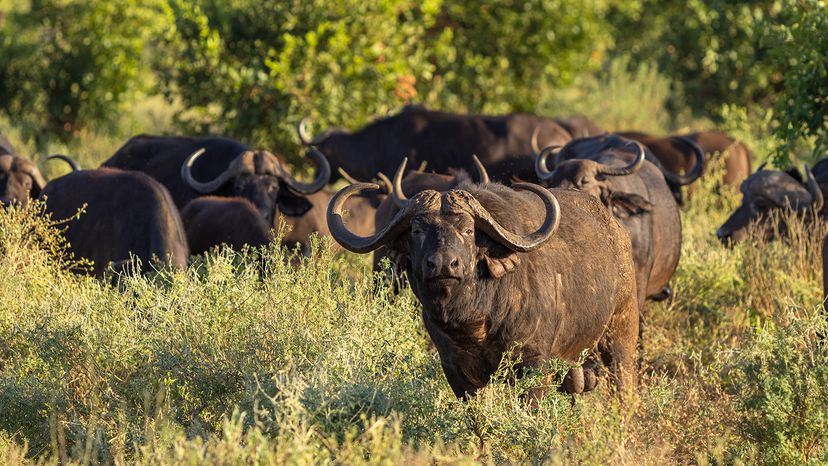
You might be lucky enough to spot a herd of African buffaloes during a safari trip in Kenya. Marc_H / Shutterstock

From the American prairie to the wetlands of Asia and the bush of Africa, buffalo are powerful and iconic animals. But when these creatures band together, what is a group of buffalo called?

The answer is as grounded in nature as it is in language.

Advertisement

A Herd of Buffalo

buffalo
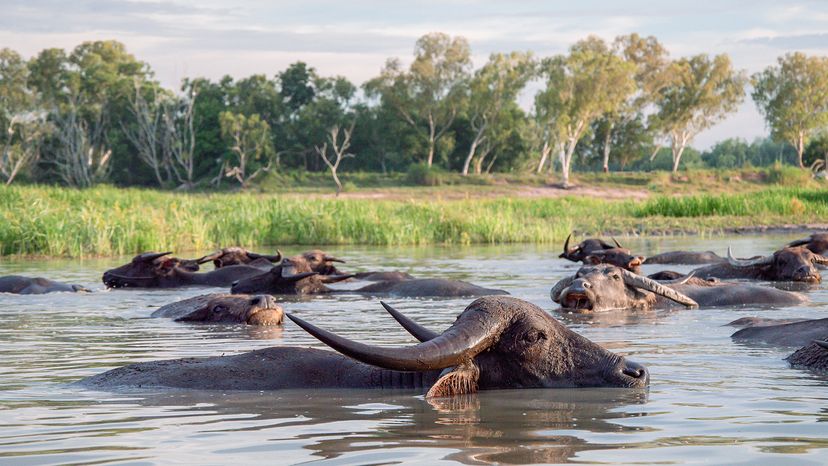
A herd of Thai buffalo swim in a lake. maybeiii / Shutterstock

The collective noun for buffalo is a "herd." This common term applies across buffalo species—including African buffalo (also known as Cape buffalo), Asian water buffalo, and the American bison (commonly called buffalo in North America).

A typical buffalo herd consists of related females (cows), calves (young buffalo), and a few dominant males (bulls). These animals form tight-knit family groups and move together to graze, protect their young, and find water sources.

Advertisement

The herd structure is vital for survival in the wild, especially when predators like lions or humans pose a threat.

The Buffalo-Bison Mix-Up

bison
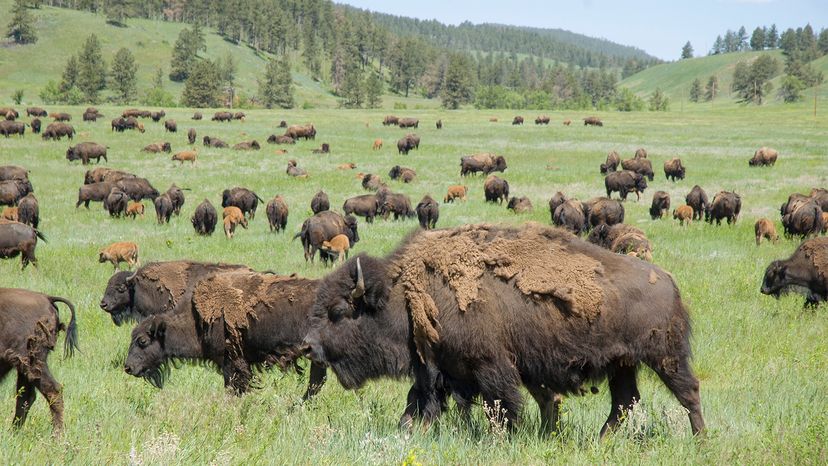
Once critically endangered, American bison now roam protected lands. sitsa / Shutterstock

It’s worth noting that American bison aren’t technically buffalo. True buffalo are native to Africa and Asia, while bison roam parts of North America and Europe.

The American bison earned the name "buffalo" from early settlers and explorers who associated them with other bulls or large wild cattle they had seen elsewhere.

Advertisement

Despite this naming confusion, both American bison and true buffalo exhibit similar herd behaviors. Early explorers described buffalo herds covering the prairie in what seemed like a living sea of horns and hooves.

Where Buffalo Live

Buffalo herds typically travel together to form a strong defense line. Males may leave the main group to form smaller bachelor herds or travel solo, especially outside the breeding season.

  • African buffalo often form herds numbering in the hundreds. They are known to protect each other fiercely, especially the females and calves.
  • Asian water buffalo are found near rivers and marshes. In agricultural settings, they often live alongside humans, but wild herds still exist in some parts of Asia.
  • American bison once roamed in massive herds across the Great Plains. Though now reduced in number, bison herds still roam protected lands and ranches.

Advertisement

8 Collective Nouns for Other Animals

The animal kingdom is full of unique and colorful collective nouns.

  1. A pride of lions
  2. A skulk of foxes
  3. A murmuration of starlings
  4. A bask of crocodiles
  5. An crash of rhinoceroses
  6. A ostentation of peacocks
  7. A trip of goats
  8. An unkindness of ravens

Some might jokingly suggest a "university of buffalo" (inspired by the school), but "herd" remains the accurate term used by scientists and conservationists.

Advertisement

Cultural Meaning and Conservation

Buffalo are deeply tied to human history and cultural identity. Native American tribes revered the American bison for providing food, clothing, and tools. In Asia, water buffalo are essential for agriculture and transport.

Sadly, many buffalo species have faced sharp declines due to hunting, habitat loss, and competition for water and grazing land. Some, like the wild water buffalo, are now endangered.

Advertisement

Conservation groups work to protect remaining populations and promote awareness. Buffalo herds are now monitored and managed to ensure that they continue to thrive as part of the natural world.

Why Buffalo Herds Matter

Buffalo herds play a crucial ecological role. They aerate the soil with their hooves, support other animals by creating open grazing grounds, and influence the range and movement of predators like lions.

Whether grazing in a lush African bush, crossing rivers in Asia, or roaming a snowy prairie in the U.S., buffalo herds remind us of nature’s collective strength. One buffalo may be strong, but together, they create a herd—a force that shapes the land and supports entire ecosystems.

Advertisement

We created this article in conjunction with AI technology, then made sure it was fact-checked and edited by a HowStuffWorks editor.

Advertisement

Loading...