What Is a Group of Capybaras Called? Reminiscent of Cattle

By: Nico Avelle  | 
Capybaras
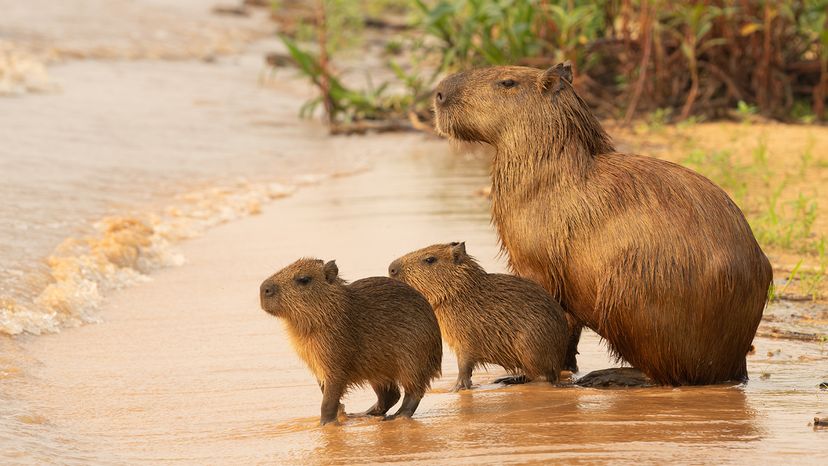
It's beach day for this capybara family. Photos BrianScantlebury / Shutterstock

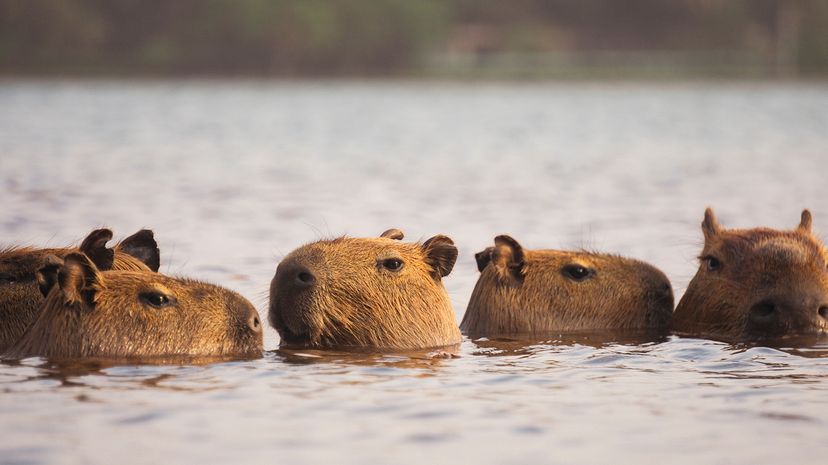
Capybaras are the world’s largest rodents, known for their laid-back attitude and love of water. But what is a group of capybaras called? Like many social animals, they have a fitting collective noun that reflects how they live and interact in the wild.

These gentle creatures are native to South America and are closely related to guinea pigs. Unlike their smaller cousins, though, capybaras can weigh over 132 lb (60 ).

Advertisement
A Herd of Capybaras

Capybaras
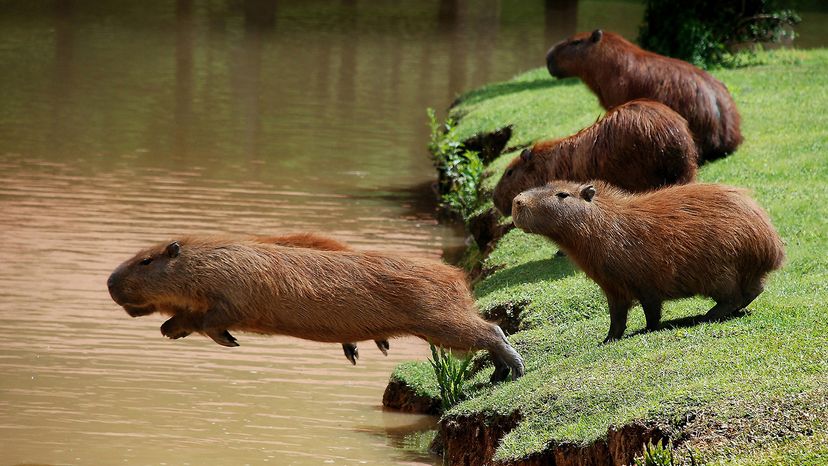
Capybaras eat grass and gather in groups whether they're wild or living in captivity. Marzio Gentili / Shutterstock

The correct collective noun for a group of capybaras is a herd. This term reflects the way these animals behave together in the wild.

A typical capybara group has around 10–20 individuals, though in the dry season they may gather in much larger herds (50 or more) around the remaining water sources.

Advertisement

The herd is usually made up of all the females, their young, and a few males—including one dominant male and several subordinate males. The dominant male leads the group, defends territory and mates with the females, while subordinate males and younger animals form the outer ranks.

Why Do Capybaras Live in Groups?

Capybaras
Adult capybaras retreat to water when they feel threatened. lorem ipsum da silva / Shutterstock

Capybaras are highly social animals. Living in a herd offers protection from predators like jaguars, anacondas, and even humans. In a group, they can take turns resting, feeding, and keeping watch.

Their primary diet is grass, and capybaras typically graze during dawn and dusk, though they may also feed at night if necessary. During the dry season, they stick close to marshes, ponds and shallow water. In the wet season, they spread out more widely across flooded areas.

Advertisement

When threatened, capybaras dive into water and can stay submerged for up to five minutes, using their eyes, ears, and nostrils to remain aware of their surroundings.

More Than Just Herd Animals

In captivity or certain wild settings, capybara behavior can shift.

People have reported them living with or alongside other animals like ducks, cats, or even cattle. Their calm nature and tendency to wallow in mud make them favorites at petting zoos and wildlife parks.

Advertisement

They also vocalize frequently. Adults and babies alike produce barks, chirps, and whistles to communicate within the group. These sounds help maintain cohesion and signal danger.

Capybaras and Humans

In some parts of South America, capybaras are hunted for meat and pelts, especially during the dry season when water sources shrink and herds are easier to find. Their meat is sometimes compared to pork, and their pelts have been used historically for leather.

Still, they are not endangered, and their population remains stable across much of their native range. They continue to adapt well to human-altered landscapes, often seen grazing near farms or relaxing in urban marshes.

Advertisement

So next time you spot a photo of these chill creatures lounging in a pond or cuddling in the mud, remember: You're looking at a herd of capybaras—a family-centered community that thrives through cooperation.

We created this article in conjunction with AI technology, then made sure it was fact-checked and edited by a HowStuffWorks editor.

Advertisement

Advertisement

Loading...