
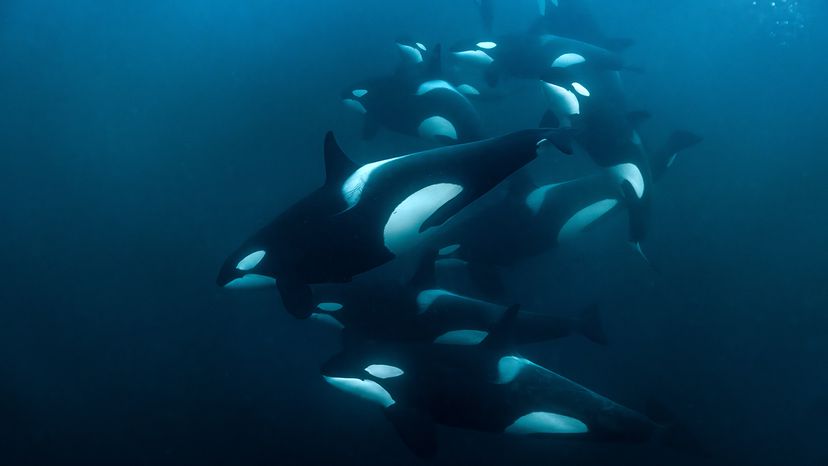
You’ve probably seen them in documentaries or breaching the surface near Vancouver Island.
When they travel together, you might wonder: What is a group of orcas called?
Advertisement
You’ve probably seen them in documentaries or breaching the surface near Vancouver Island.
When they travel together, you might wonder: What is a group of orcas called?
Advertisement
A group of orcas is called a "pod." This term is used across marine biology to describe small groups of marine mammals like killer whales, dolphins, and porpoises.
Within these pods, orcas live in family groups with strong social structure. In the animal kingdom, few groups are as close-knit or complex.
Advertisement
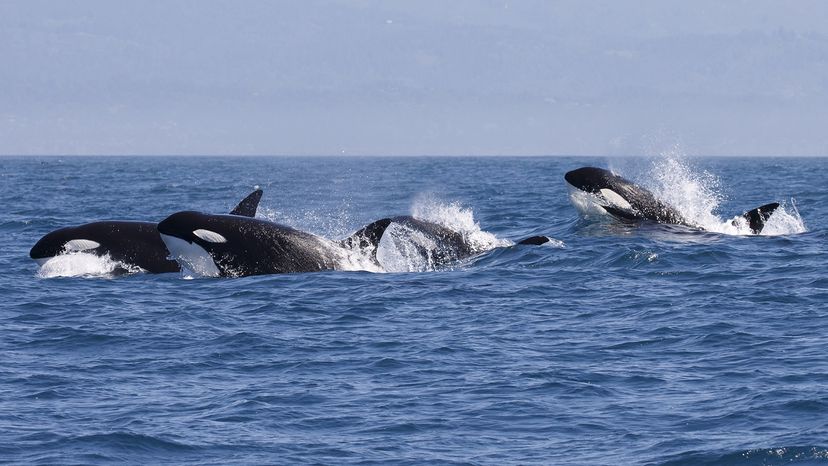
Each pod consists of closely related matrilines (offspring and descendants of a single female). These pods form the foundation of orca social life in places like the Salish Sea, Puget Sound, and the broader Pacific Northwest.
Advertisement
Among the three populations of orcas (resident, transient, and offshore), resident killer whales are most commonly associated with pods. For example, the southern resident orcas are divided into three pods: J pod, K pod, and L pod.
These resident pods stick to coastal waters and inland waters near British Columbia, Southeast Alaska, and the North Pacific. They feed primarily on fish—especially Chinook salmon—and show tight association patterns over time.
Advertisement
Orca pods are more than just hunting groups. They represent stable, long-term social units that use acoustic similarity to communicate.
Researchers identify individual killer whales by the unique shape of their dorsal fins and the gray saddle patches behind them, while each pod can be identified by its distinct set of vocal calls.
Advertisement
Some pods include only a few individuals, while others grow into larger groups. In some cases, multiple pods with similar vocal dialects form a "clan" and may travel together.
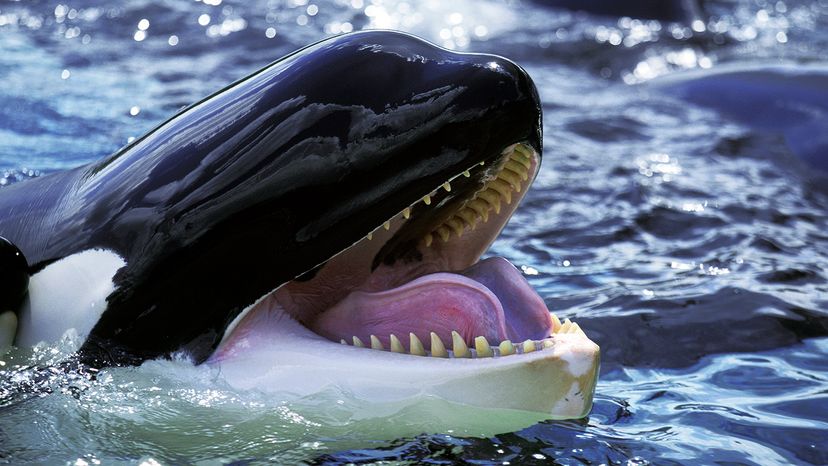
Orcas are toothed whales (unlike baleen whales such as humpback whales or blue whales) that display highly organized social behavior. Other whale species, like sperm whales, also form strong bonds but may group differently.
Killer whales are known for their hunting strategies, including tail lobbing, coordinated swimming, and ambush tactics for unsuspecting seals and sea lions. These behaviors often rely on pod cooperation and learning passed between generations.
Advertisement
The southern resident orcas are considered endangered wildlife due to declining salmon populations and marine pollution. Understanding their pod structure is vital for conservation in environmental science and marine biology.
Efforts to protect their habitat focus on reducing vessel noise, conserving fish stocks, and protecting inland waters where these orcas live and raise orca calves.
Advertisement
We created this article in conjunction with AI technology, then made sure it was fact-checked and edited by a HowStuffWorks editor.
Please copy/paste the following text to properly cite this HowStuffWorks.com article:
Advertisement