
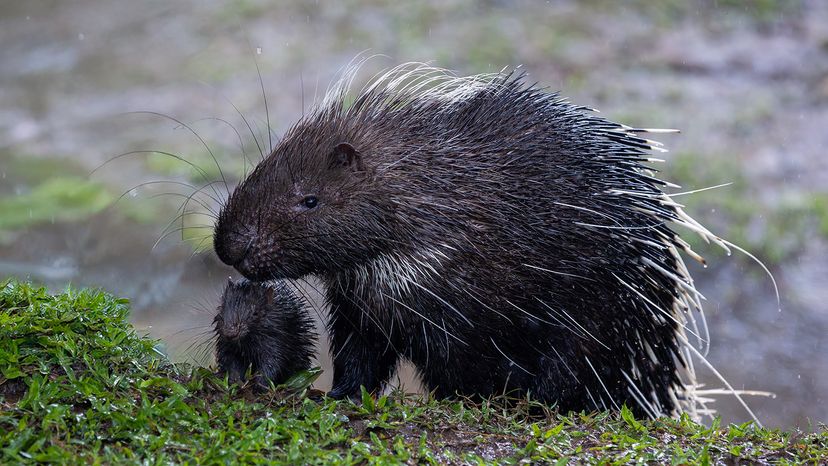
Porcupines are solitary animals with a sharp sense of style. If you’ve ever seen more than one hanging around a tree or crossing a trail, you may have wondered, what is a group of porcupines called?
The answer is simply delightful.
Advertisement
Porcupines are solitary animals with a sharp sense of style. If you’ve ever seen more than one hanging around a tree or crossing a trail, you may have wondered, what is a group of porcupines called?
The answer is simply delightful.
Advertisement
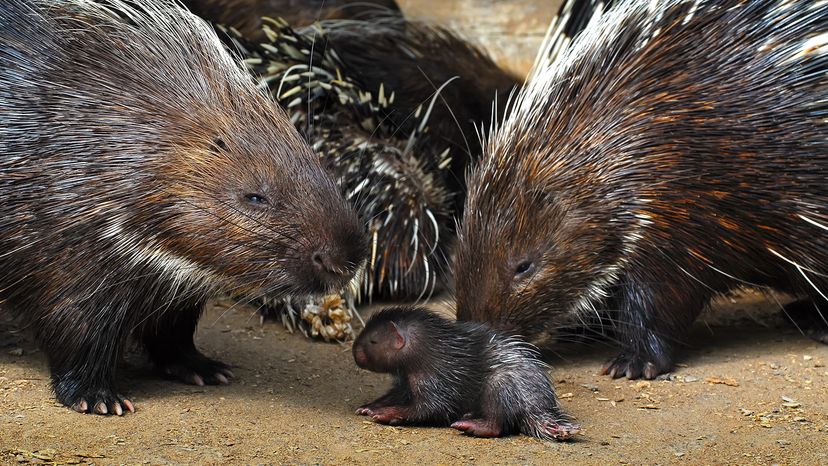
That’s right, a group of porcupines is called a prickle. It’s one of those specialized vocabulary terms that sticks with you, like a murder of crows or a parliament of owls.
The name makes sense: Porcupines are covered in sharp quills, which are modified hairs used to protect them from predators. Spot a group together, and it really does look like a spiky bundle—or prickle—of nature’s most cautious rodents.
Advertisement
Porcupines fall into two families: Old World porcupines (Hystricidae) and New World porcupines (Erethizontidae). Despite both being rodents, these closely related groups differ in behavior and habitat.
Old World porcupines live mostly in Africa, Asia, and southern Europe, and they tend to forage on the ground. New World porcupines, like the North American porcupine, are excellent climbers and often live in trees.
Advertisement
While their behavior differs, all porcupines rely on quills for defense. These sharp spines can detach and embed themselves in predators, making porcupines tough targets. They aren’t aggressive, but they know how to protect themselves.
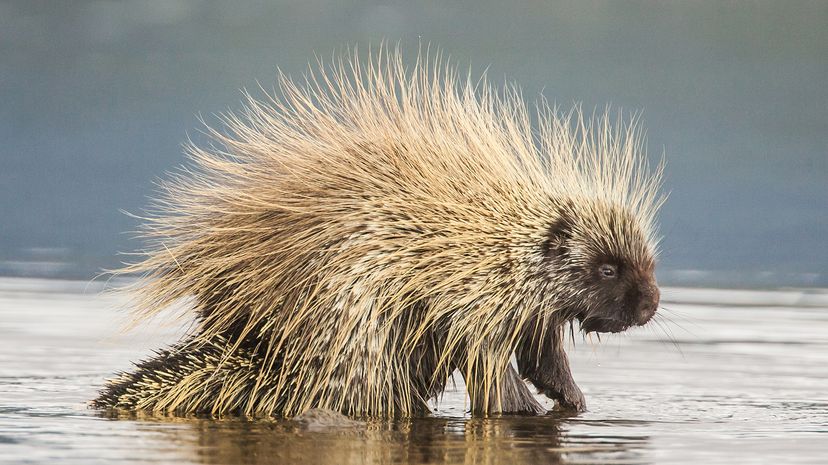
Most porcupines are primarily nocturnal. They forage alone at night—though they're not strictly nocturnal—feeding on bark, leaves, and other vegetation.
Though they’re widely distributed across the globe, porcupines are typically spotted as one individual at a time, not in a prickle. That’s why many people don’t even know the group name exists.
Advertisement
In winter, some porcupines may den together for warmth. But even then, they tend to keep to themselves. Seeing a group (especially a family of adult porcupines with young) remains rare in nature.
Terms like "prickle" fall into a broader category of group names known as collective nouns. These words make animal behavior more relatable and often more fun. You’ve probably heard of a pack of wolves, a school of fish, or a herd of deer. Other quirky ones include:
Adding "prickle" to the list just enhances the charm of animal group names in the English language.
Advertisement
Group names show up in nature writing, videos, and social media posts, adding color and a sense of wonder. They're commonly used in wildlife education to spark interest and create memorable facts. Some even inspire jokes and fan-made names—like "squad of squid" or "team of turtles."
Although not all collective nouns are officially recognized, they often catch on because they fit. And let’s face it: describing a group of animals with terms like prickle, troop, or business makes for more engaging posts, comments, and conversations.
We created this article in conjunction with AI technology, then made sure it was fact-checked and edited by a HowStuffWorks editor.
Advertisement
Please copy/paste the following text to properly cite this HowStuffWorks.com article:
Advertisement