What Is a Group of Seals Called? Depends Where It Is

By: Nico Avelle  | 
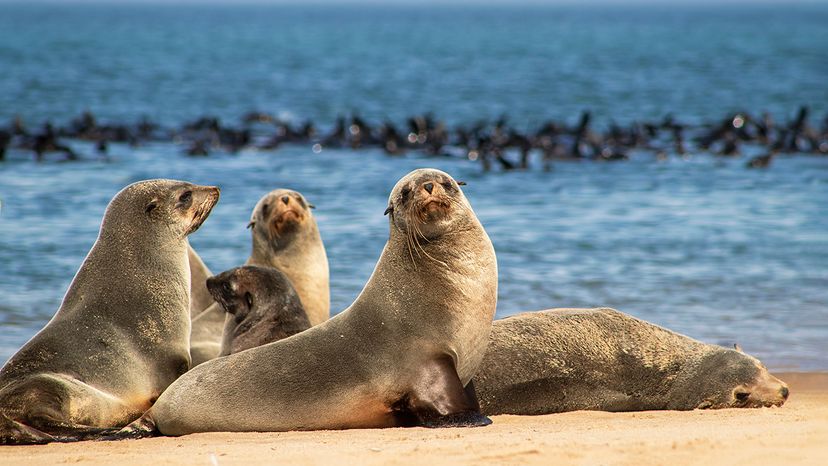
Is this a herd? A pod? A colony? If there were lots of pups, you could call it a rookery. Yuliia Lakeienko / Shutterstock

Ever see a bunch of seals lounging on the beach and wonder what to call them? Good news: You're not alone. By asking, "What is a group of seals called", you've walked into a long tradition of humans naming animal collectives in colorful ways.

Advertisement

The Most Common Collective Noun for Seals

A group of seals is most commonly referred to as a pod or a colony. You’ll hear this term especially during the breeding season, when seals gather in large numbers on shorelines or ice floes.

Some species even form "rookeries"—a term also used for sea birds—that describe breeding sites packed with pups and territorial males.

Advertisement

But if you spot seals bobbing in the water? Then "pod" is the more appropriate term. On land, they can also be called a "herd." The many different collective nouns depend on the context, species and behavior of the group at the time.

Which Seals Are We Talking About?

seal
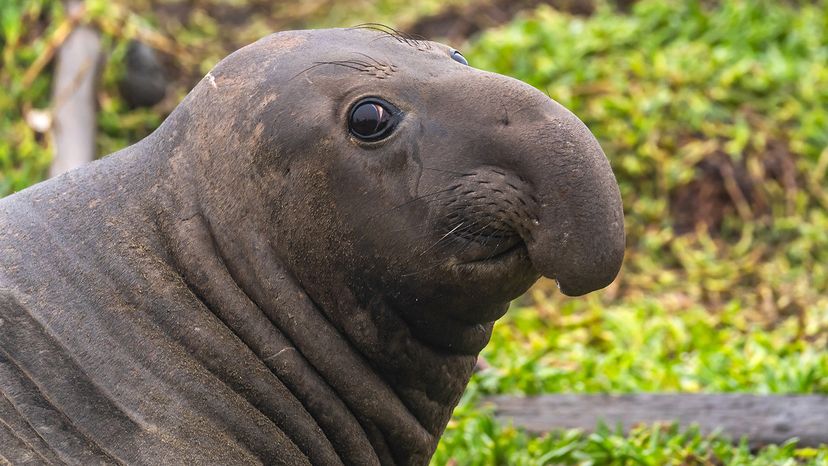
This male elephant seal is likely part of an enormous group during mating season. Iv-olga / Shutterstock

Seals fall under a group of marine mammals called pinnipeds, which also includes walruses and sea lions. There are three families: true seals (or earless seals), eared seals (like sea lions and fur seals), and walruses.

Most species form groups during specific seasons or behaviors, like giving birth or escaping aquatic predators.

Advertisement

For example, the northern elephant seal is a true seal and forms massive colonies along the California coast during mating season. These seals called in by instinct can number in the thousands. In contrast, Arctic seals like ringed seals tend to form smaller groups near breathing holes in sea ice.

Behavior Drives Grouping

Seals don’t hang out together just for fun. Group size and formation depend on mating strategies, foraging habits and environmental conditions.

During mating season, dominant male pinnipeds like male California sea lions and male northern elephant seals will defend harems of females, using sharp canines and loud male vocals to attract females and intimidate rivals.

Advertisement

Seals like the northern fur seal spend most of their lives in the open ocean, then return to land in large groups to breed. Monk seals, however, are more solitary. Fur seals and South American sea lions are often seen in colonies along the rocky coastlines of their respective ranges.

Geography Shapes the Group

seal
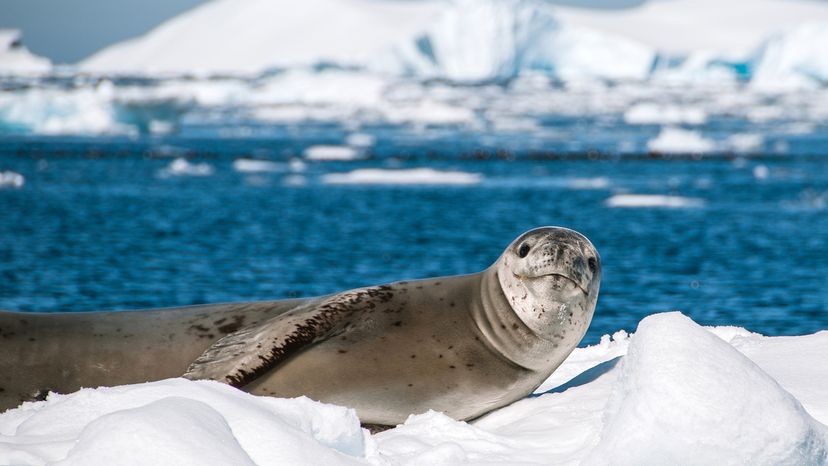
You'll find Antarctic seals chilling on ice shelves. Yaroslav Nikitin / Shutterstock

Where a seal lives also influences how and when it forms a group.

  • Antarctic seals often congregate on ice shelves.
  • Their Arctic counterparts use breathing holes to surface.
  • California sea lions thrive along the Pacific coast.
  • New Zealand sea lions are isolated to remote subantarctic islands.
  • Northern elephant seals dive deep for long periods and use the open ocean to feed between breeding bouts.

These behaviors mean that while some seals live in large groups part of the year, they may spend months alone.

Advertisement

Seals and Their Closely Related Cousins

Although this article focuses on seals, it’s worth noting that other pinnipeds like walruses also form groups. These animals, often mistaken for seals, gather in herds and use their massive tusks to compete for mates and haul out on land.

All these sea creatures are adapted to colder waters and have unique behaviors tied to their habitats. Understanding collective nouns isn’t just about vocabulary; it’s a window into how marine mammals like seals interact with each other, the ocean and us.

Advertisement

We created this article in conjunction with AI technology, then made sure it was fact-checked and edited by a HowStuffWorks editor.

Advertisement

Loading...