Where Do Cows Originate From? Taurine vs. Indicine Lineage

By: Nico Avelle  | 
Cows are among the most important farm animals. Labellepatine / Shutterstock

Where do cows originate from? Oh, so you're ready to dive into the natural history of one of humanity’s most important domesticated animals.

Modern domestic cattle—including dairy cows and beef cattle—descend from the now-extinct wild aurochs, large wild animals that once roamed Europe, Asia, and North Africa.

Advertisement

Wild Aurochs and Early Domestication

cattle
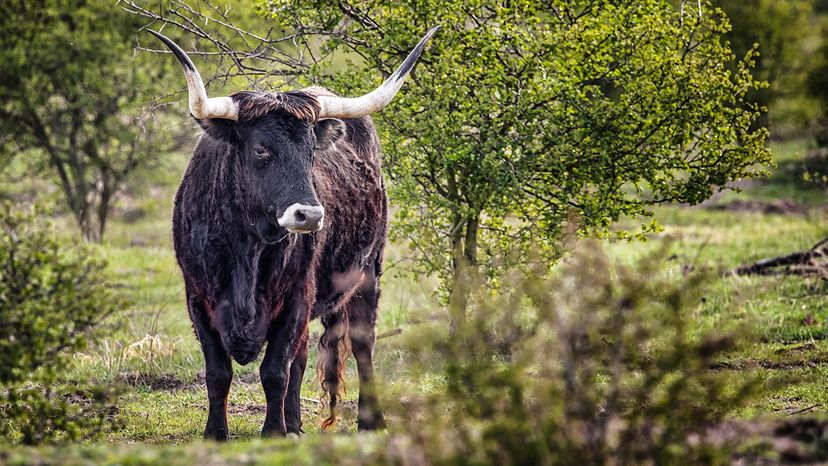
According to genetic data, a Bos primigenius like this one is the great-grandaddy of all cattle. Rebius / Shutterstock

The wild aurochs (Bos primigenius) are the wild ancestors of all modern cattle. These animals were once widespread and served as prey animals for early humans.

Archaeological evidence and ancient DNA suggest that early cattle domestication began around 10,000 years ago in the Near East, with a separate event in the Indian subcontinent.

Advertisement

The process led to the emergence of two main lineages: taurine cattle (Bos taurus) and indicine cattle (Bos indicus).

Taurine cattle were domesticated in the Fertile Crescent and are common in Europe and parts of Africa. Indicine cattle, also called zebu, were domesticated in the Indian subcontinent and are adapted to hot, dry climates.

Advertisement

Multiple Independent Domestication Events

Recent genetic studies have raised the possibility of a third domestication event in Africa, although this remains debated.

African taurine cattle (e.g., the N’Dama breed) carry genetic evidence of significant ancestry from local wild African aurochs. This mix of taurine and African origins created breeds adapted to resist tick-borne diseases and tolerate tropical climates.

Advertisement

Cattle Migration and Global Spread

As human populations migrated, cattle moved with them.

Southern European cattle breeds (such as those in Spain and Portugal) have genetic contributions from Near Eastern cattle as well as from African cattle lineages. Iberian Bronze Age cattle already exhibited a mixed ancestry derived from both Near Eastern and African cattle lineages.

Advertisement

From Iberia, Spanish colonists brought cattle to the Americas, giving rise to New World cattle breeds such as South American Criollo cattle and the Texas Longhorn.

These New World Criollo cattle often carry partial African ancestry, reflecting the diverse genetic inputs of early colonial cattle herds.

Advertisement

The Rise of Modern Breeds

cattle
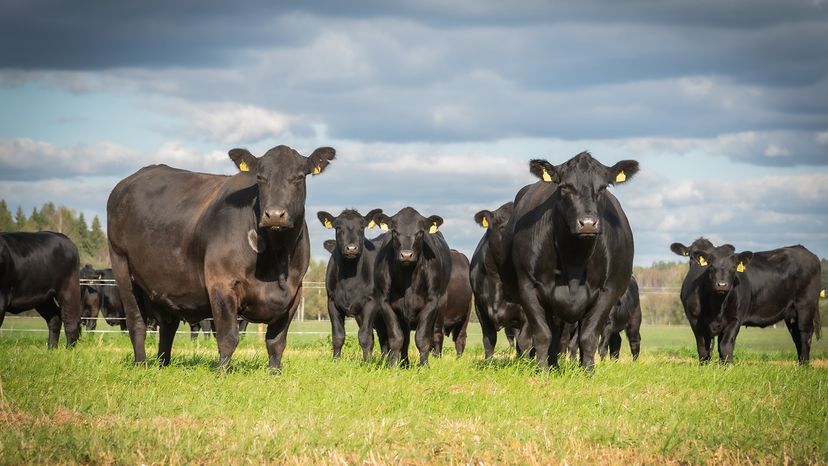
These black Angus cows are among the common domesticated cattle breeds. Mariliis Kutsar / Shutterstock

Today, modern domestic cattle are incredibly diverse. Breeds such as Holstein, Angus, and Hereford were developed through selective breeding for milk or meat production. These modern breeds reflect thousands of years of adaptation to human needs and environmental pressures.

Even now, researchers study ancient DNA, mitochondrial sequence variation, and genetic diversity to uncover the hidden history of cattle domestication.

Advertisement

Important insights have come from studying breeds like the Corriente and Romosinuano cattle, which preserve genetic traces of the earliest New World cattle populations.

A Legacy Across Continents

From northern Europe to West Africa, and from North Africa to South America, cattle have shaped human cultures, economies, and agriculture. These domesticated animals are deeply intertwined with our history—not just as sources of food, but as draft animals, trade goods, and even religious symbols.

Understanding the origins of cows shows how closely human and animal histories are linked. From the first domesticated species to today’s global cattle breeds, their journey mirrors our own across continents and centuries.

Advertisement

We created this article in conjunction with AI technology, then made sure it was fact-checked and edited by a HowStuffWorks editor.

Advertisement

Loading...