Pet Frogs: Best for 'Look but Don't Touch' Owners

By: Nico Avelle  | 
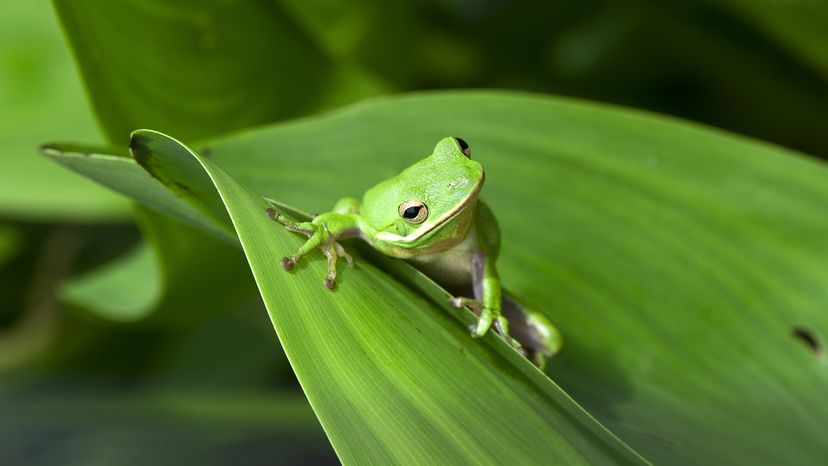
American green tree frog
Whether you go with a classic American green tree frog or a red-orange tomato frog, these amphibians can be a delight to care for. Anna_Po / Getty Images

Thinking about getting a pet that hops instead of walks? Frogs might be the answer. Pet frogs come in a variety of shapes, sizes and colors, and with the right setup, they can be low-maintenance animals that are fun to observe.

Unlike dogs or cats, frogs won’t fetch or cuddle, but they make up for it with quirky behavior and striking appearances. From the neon greens of the American green tree frog to the bright oranges of the tomato frog, these amphibians turn your terrarium into a living display.

Advertisement
What Makes Frogs Great Pets

Most pet frogs are calm, quiet and easy to observe. They don't need walks or grooming, and many species thrive on a simple diet of insects. Frogs also require less space than many other pets, making them ideal for small homes.

Tree frogs, aquatic frogs and terrestrial frogs each have unique needs, but all share one thing in common: They do best when their environment mimics nature.

Advertisement

Many species live in warm, humid climates and benefit from live plants, natural substrates (soil), and clean water in their enclosures to stay healthy.

Some frogs—like dart frogs and red-eyed tree frogs—display bold colors that make them fun to watch. Others, like the White's tree frog, are known for their laid-back personalities.

Most pet frogs are captive-bred, which means they are generally healthier and better adapted to life in captivity than wild-caught frogs.

Advertisement

Habitat Setup: Building a Natural Environment

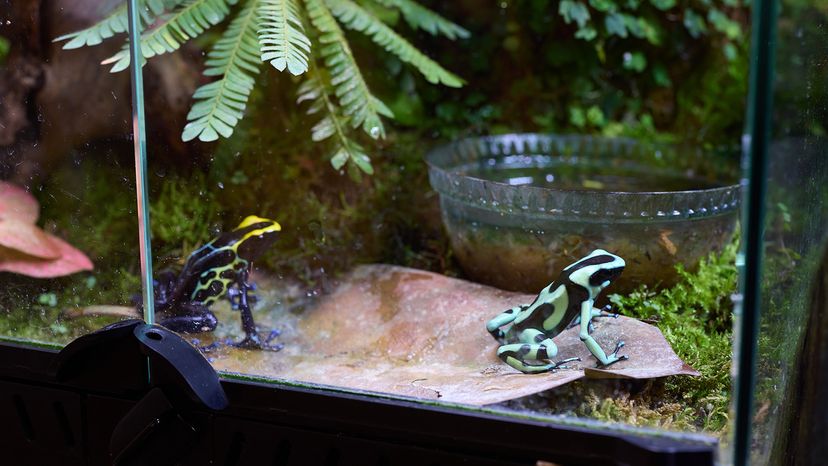
Dart frogs in an aquarium environment
Dart frogs are not poisonous in captive environments because they don't eat the toxic prey they have access to in the wild. diczman / Getty Images

Your frog's enclosure should reflect its natural environment. Some frogs need a half-land, half-water setup, while others prefer all-terrestrial or fully aquatic tanks.

For example, aquatic frogs like African dwarf frogs need filtered water, while terrestrial frogs like Pacman frogs thrive on soil and leaf litter.

Advertisement

Use a terrarium or aquarium with a secure lid. Add substrate like coconut fiber or soil for digging species, and gravel or sand for aquatic setups (make sure gravel is too large to swallow). Live plants improve air quality and provide shelter. Ferns, bromeliads and pothos are solid choices.

Branches and cork bark create climbing opportunities for tree frogs. Use thermometers and hygrometers to monitor temperature and humidity. Keep the enclosure around 72 to 82 F (22 to 28 C), and maintain humidity levels appropriate for your species.

Add shallow water dishes, mist daily, and clean regularly to prevent waste buildup. Insects and small invertebrates that thrive in bioactive substrates can help manage waste and reduce odors. Many species benefit from naturalistic setups that encourage natural behavior.

Advertisement

What Do Frogs Eat?

Frogs are carnivorous and eat live food. Their diet usually includes:

  • Crickets
  • Mealworms
  • Moths
  • Flies
  • Small insects

Some frogs will also eat earthworms, waxworms, and roaches. Aquatic frogs also enjoy brine shrimp or bloodworms. Always buy food from a reputable store and avoid feeding wild-caught insects that could carry pesticides or parasites.

Advertisement

Dust insects with calcium and vitamin supplements to support your frog's health. Feed adults every 2 to 3 days. Juveniles need to eat daily. Watch your frog eat to observe natural hunting behavior (most frogs rely on movement to locate prey).

A varied diet is essential to prevent nutritional deficiencies. In captivity, frogs can sometimes become picky eaters, so offering a mix of prey ensures they get the nutrients they need. Be aware that adult frogs may eat smaller tank mates, including other frogs, if not monitored carefully.

Advertisement

Handling and Health

Frog skin is sensitive and permeable, which means they absorb chemicals through contact. Avoid frequent handling. If you must move your frog, wash your hands with dechlorinated water or wear gloves.

Symptoms of an ill frog include:

Advertisement

  • Loss of appetite
  • Unusual skin texture or color
  • Swollen limbs or bloating
  • Lethargy
  • Irregular waste or diarrhea

If your frog shows any of these signs, contact a veterinarian who specializes in reptiles and amphibians.

Preventative care includes keeping the enclosure clean, feeding a varied diet and observing behavior changes. Improper humidity or temperature, contaminated water, or an unbalanced diet can all lead to illness.

Check often for signs your frog may be too warm or too cold. Frogs are ectothermic, meaning they rely on the environment to regulate body temperature. Thermal gradients within the enclosure help frogs choose their comfort zone.

Advertisement

8 Popular Species of Pet Frogs

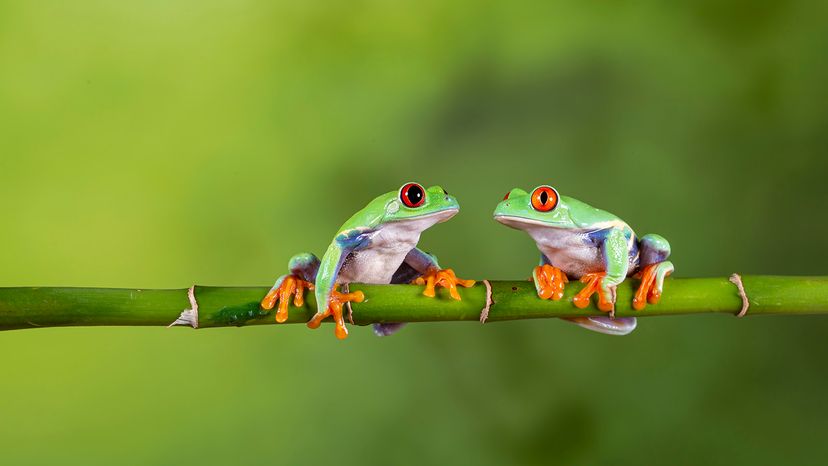
Red-eyed tree frogs
This brightly colored frog species is a joy to watch. Lillian King / Getty Images

Many species are great for beginners and experts alike. Here are some popular pet frogs:

  1. American green tree frog: Small, bright green and commonly sold in pet stores
  2. Dart frogs: Colorful and toxic in the wild, but safe in captivity
  3. White's tree frog: Hardy, blue-green, and known for its chubby appearance
  4. Pacman frogs: Round and terrestrial, known for their voracious appetites
  5. Red-eyed tree frogs: Iconic, with bright red eyes and vivid green bodies
  6. Pixie frogs: Large and aggressive eaters, best for experienced keepers
  7. Tomato frogs: Orange-red and terrestrial, secreting a sticky substance when threatened
  8. Oriental fire-bellied toads: Brightly colored bellies, thriving in semiaquatic habits

These animals range in color from green and yellow to orange and even blue, depending on the species. Each species has specific needs. Some tend to live longer, tolerate handling or require high humidity. Always research before buying.

Advertisement

You can find many of these species at your local pet store, though some rarer frogs may be available only through breeders.

Advertisement

Important Considerations

Frogs are amphibians, not reptiles, but they often share pet store shelves with snakes, lizards and toads.

Don’t confuse their care needs. Amphibians need moisture, clean water and specific temperature and humidity levels to stay healthy.

Advertisement

Never keep frogs with incompatible animals, even if they look similar. For instance, toads and frogs might share a diet but need different humidity levels. Mixing species can cause stress or illness.

Avoid taking wild frogs home. They may carry diseases or be illegal to catch, and they often die in captivity. Always choose captive-bred animals from reputable sellers.

A well-designed vivarium helps frogs feel secure and encourages natural behavior. Use natural materials and avoid synthetic decorations that may leach harmful substances. Your goal is to build a slice of the frog's wild world inside your house.

Advertisement

13 Final Tips for Frog Owners

  1. Choose the right enclosure: terrarium, vivarium, or aquarium.
  2. Match the environment to your frog's needs.
  3. Use live plants to simulate the wild.
  4. Avoid handling unless necessary.
  5. Clean up waste regularly.
  6. Use dechlorinated water.
  7. Watch your frog's behavior for signs of stress.
  8. Store food and supplies properly.
  9. Maintain proper substrate, such as soil, gravel, or bark.
  10. Control humidity and temperature.
  11. Provide enrichment with branches, hides, and climbing structures.
  12. Buy only from pet stores or breeders that sell healthy, captive-bred frogs.
  13. Some frogs tend to be territorial, so check compatibility before housing multiples.

Frogs can live for years with proper care. Whether you choose a bright green tree frog or a chunky orange tomato frog, you're bringing a bit of the natural world into your home. They're fun to observe, rewarding to care for and a great choice for curious beginners.

We created this article in conjunction with AI technology, then made sure it was fact-checked and edited by a HowStuffWorks editor.

Advertisement

Advertisement

Loading...