Why Doesn't My Cat Purr, Even When It's Happy?

By: Nico Avelle  | 
cat purring
Motorboat purrs are so satisfying to elicit, so we understand why you're concerned when you don't hear them. larisa Stefanjuk / Shutterstock

You might be relaxing with your pet, gently stroking their fur, and suddenly wonder, "Why doesn't my cat purr?" For many cat owners, the absence of that familiar vibration is surprising, especially when everything else about their kitty seems perfectly normal.

Not all cats purr. Some cats simply prefer to express affection and calm in other ways. If your cat doesn't purr, it doesn't automatically mean they are unhappy, unwell, or lacking in affection.

Advertisement
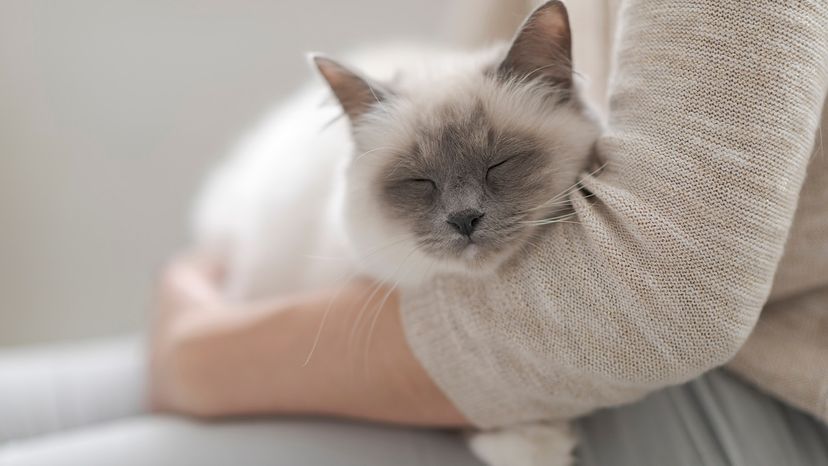
How Purring Works

Cats purr by rhythmically twitching the muscles in their throat and around the vocal cords. These vibrations create the gentle sound we associate with contentment.

Newborn kittens start purring within a few days of birth and will purr while nursing, signaling to their mother that they are safe and content. This can have a calming effect on both the kittens and the mother.

Advertisement

But purring isn’t always about being a happy cat. It can also serve as a self-soothing mechanism, helping to regulate breathing and even lower blood pressure—for cats and humans alike.

Some Cats Just Don’t Purr Much

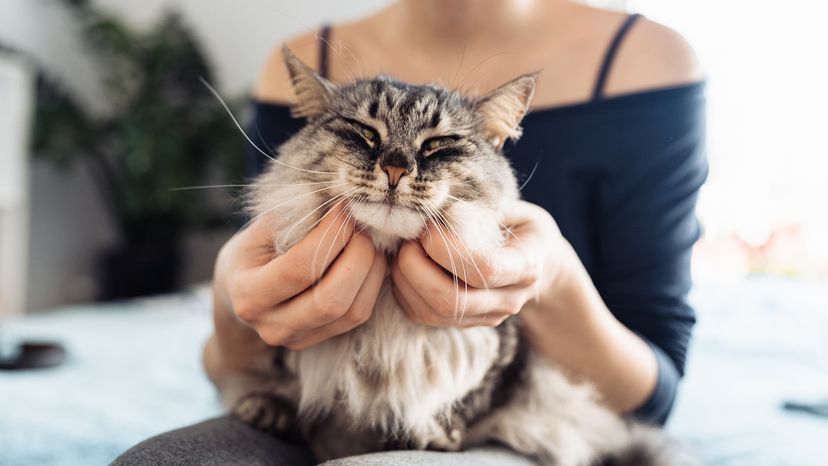
Cat cuddling
Don't judge your cat for snuggling without purring. Stokkete / Shutterstock

Just like people, cats have a large range of vocal habits. Some meow constantly, while others are mostly silent. A cat that doesn't purr might just be quiet by nature.

Some cats purr so softly that you may only notice it if you're touching their throat or sitting with your ear against their body. Others save their purring for specific moments, like eating or sleeping.

Advertisement

Body Language and Other Clues

If your cat doesn’t purr but still cuddles, follows you around, rubs against your legs, or kneads blankets, they're likely still feeling calm and affectionate. Cats talk to us through body language as much as sound.

Purring is just one way a cat shows love. A relaxed posture, slow blinking, or even sitting quietly beside you can all be signs of a content kitty.

Advertisement

When To Be Concerned

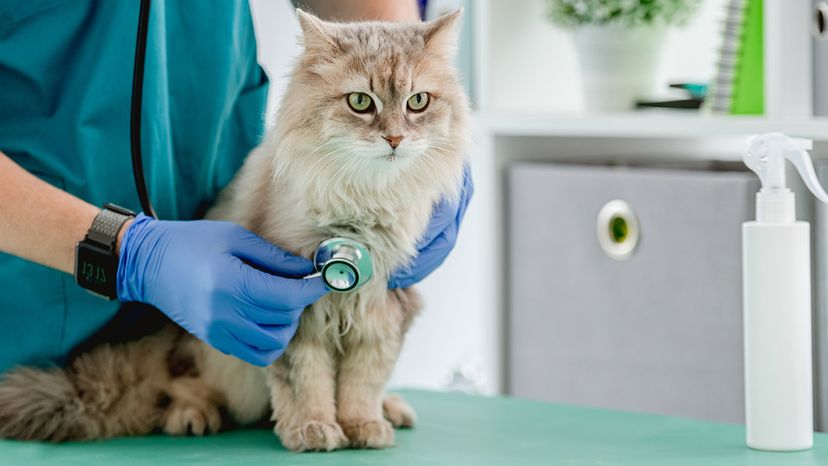
Cat at vet
Sometimes a lack of purring is a sign of something much more serious. T.Vyc / Shutterstock

If your cat used to purr and suddenly stopped, it could indicate stress, pain, or illness. An ill cat might also exhibit changes in appetite, sleep patterns, or grooming habits.

Medical conditions affecting the throat, vocal cords, or respiratory system can interfere with purring. A visit to the vet can help rule out physical problems and give you peace of mind.

Advertisement

A frightened or anxious cat may also stop purring. A stressed cat might prefer to stay quiet until they feel safe again.

Purring Isn’t Universal

Not all animals in the cat family purr. Domestic cats do, but big cats like lions and tigers have different vocal structures and don’t produce the same sound. So while purring is common, it’s not a guaranteed feature of every feline.

Your cat might prefer other forms of communication: gentle headbutts, soft meows, or sitting in your lap without a sound. That quiet companionship is its own kind of affection.

Advertisement

If you're ever concerned about the silence, have your vet check for medical reasons. But in many cases, your quiet cat is just as content as their purring peers.

We created this article in conjunction with AI technology, then made sure it was fact-checked and edited by a HowStuffWorks editor.

Advertisement

Advertisement

Loading...