
Termite Prevention
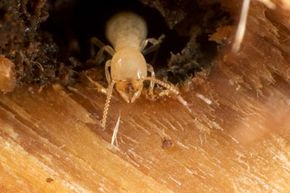
Many people think of termites as aggressive destroyers of homes and property, but about 90 percent of termite species are beneficial. They consume, digest and make use of dead and dying vegetation. Some species also eat the waste of herbivores, which can contain undigested cellulose. In some places, termites are the most important factor in breaking down cellulose. Without them, dead trees and herbivore waste wouldn't decompose normally -- they would gradually pile up, making it harder for animals to migrate and find food.
Many homes and other human structures fit the bill for termite food because they're made of dead wood. Termites can't differentiate between the inside of a dead tree and the walls of a person's house. In some parts of the world, termite attacks on homes are so prevalent that people have adapted, building their homes on stilts lined with termite deterrents, like pieces of metal and pie pans.
Advertisement
Fortunately, there's a lot people can do to prevent termite infestation. The process begins even before a builder starts to work on a house. Professional pest-control companies can treat the ground at the building site with a substance that kills or repels termites. This treatment usually offers protection against termites for at least five years. Builders can also construct houses in a manner that deters termites from entering. This basically involves making sure wood doesn't come into direct contact with soil. Other techniques include placing a moisture barrier under basements to help keep the area dry and removing piles of soil from under porches. A termite inspection is usually part of the home-buying process, which reduces your likelihood of buying a home that is already infested.
These steps don't guarantee that a home will never experience an infestation. Next, we'll explore how to detect the presence of termites.