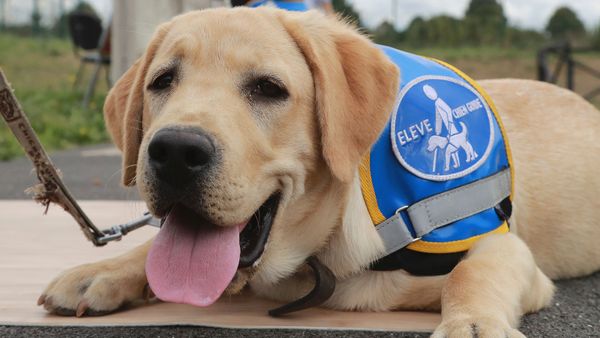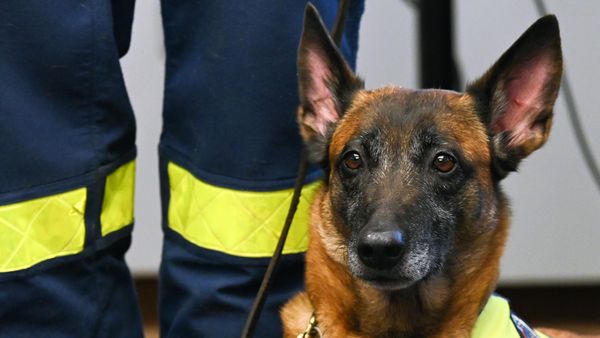
Many fictional dogs, such as Lassie, Benji and Rin Tin Tin, have made their marks on the small and silver screens, sometimes inspired by heroic actions of dogs in real life. Most of the time, these canines completed physical acts of bravery. Service dogs like seeing-eye dogs, recovery dogs and other rescue animals are trained. But is it possible that some dogs are so intelligent and sensitive that they can predict health crises like epileptic seizures and warn their owners?
Epilepsy is a neurological condition with a wide array of possible causes. Involuntary seizures are the most well known characteristic of epilepsy, which is often caused by brain malformations or tumors, head trauma and a variety of other diseases that cause lesions on the brain, according to Nancy Meers, Pediatric Nurse Practitioner with the Children's Epilepsy Center at Children's Healthcare of Atlanta at Scottish Rite. For most epileptics, the truly terrifying thing about seizures is how unpredictable and dangerous they can be.
Advertisement
Many people believe seizure alert dogs (dogs that sense and warn their masters of upcoming seizures) or seizure response dogs (dogs that provide assistance to their masters during and after a seizure) can provide epilepsy patients with a greater sense of control over their disorder because they seem to be able to help them avoid catastrophe in public places, such as driving a car. While many medical professionals do not doubt that there are dogs with the ability to predict seizures, they are wary of relying on them 100 percent. After all, dogs are not infallible, much like their human masters.
Owners of seizure alert dogs report that their canine companions typically begin warning them of impending seizures anywhere from 30 seconds to 45 minutes prior to an episode. Each dog has its own style of alerting, including pawing, barking, circling and making close eye contact. Usually, the canine cues spur the patient to lie down in a safe place until the seizure has taken its course. Seizure response dogs have even been known to lie down next to or on top of the person having a seizure, providing their owners comfort and preventing unintentional injury.
It's impossible to know how many seizure dogs there are in the world, especially because they do not seem to be age-, gender- or breed-specific [source: Enquirer.com]. In fact, many owners report that pooches they have had for years seem to develop the capability sometime after their owners have been diagnosed.
On the next page, we'll look at some theories of why dogs are capable of detecting seizures and why some experts take the dogs' predictions with a grain of salt.
Advertisement