
Snakes
Snakes have a long, flexible body that is covered with dry scales. Snakes flick their forked tongues to bring in odors to their sensory glands.
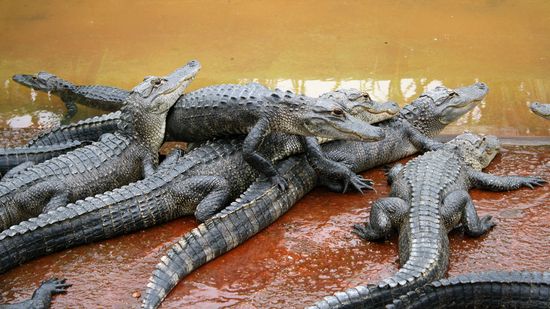
What Is a Group of Alligators Called? It Sounds Surprisingly Formal
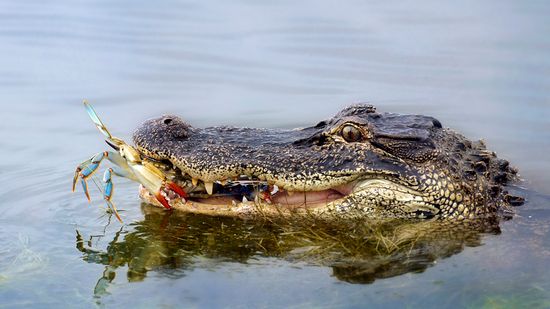
What Do Alligators Eat? Pretty Much Anything They Want
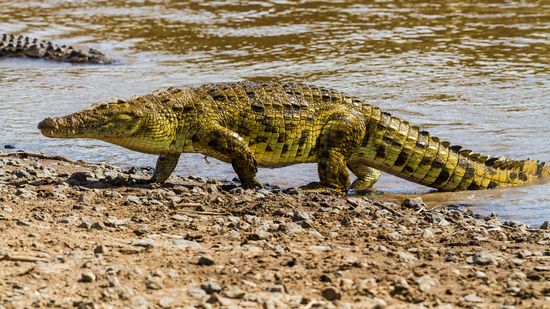
Nile Crocodile: Giant, Vicious and Surprisingly Social
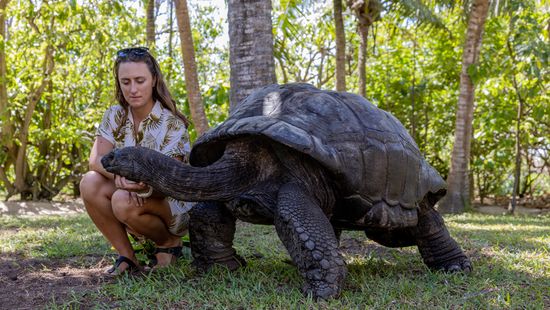
A Giant Tortoise Lives in the 'Galápagos of the Indian Ocean'
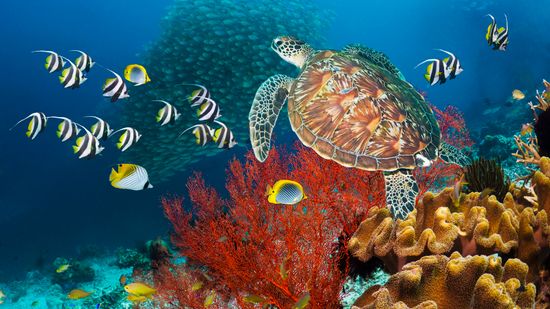
Green Sea Turtle: Named for Its Fat, Not Its Scales or Shell
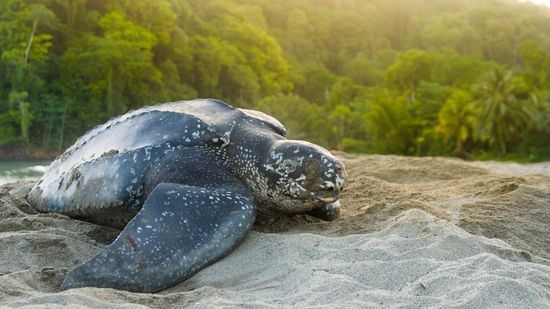
The Leatherback Sea Turtle Is the Size of a Small Car
Learn More
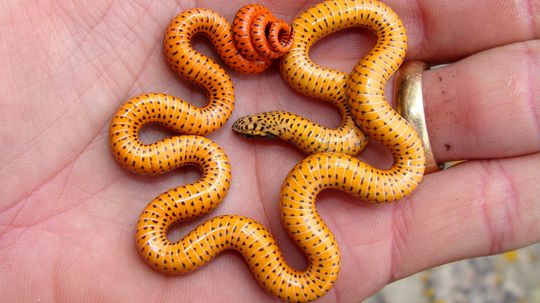
Not everyone thinks "cute" when they hear the word "snake," but some serpents are changing hearts and memes alike.
By Nico Avelle
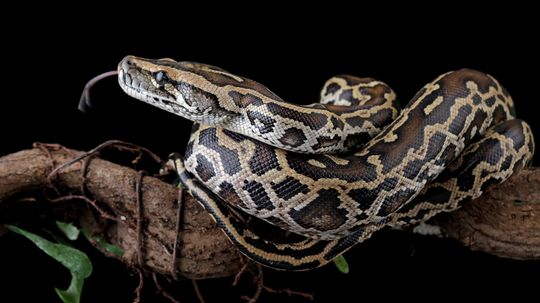
When you hear "python vs. anaconda" you might think of a clash between two massive snakes, but it’s also a fair comparison between a powerful programming language and a robust data science distribution. Whether you’re talking snakes or software, the differences are fascinating.
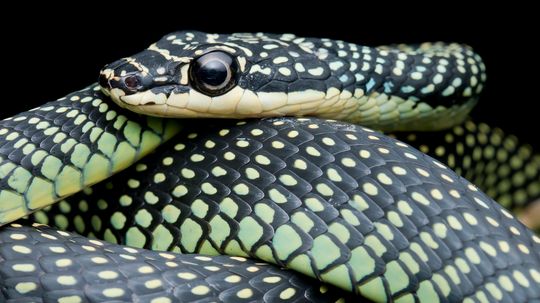
Gliding through the canopies of southeast Asia, the paradise flying snake (Chrysopelea paradisi) cuts a striking figure.
By Nico Avelle
Advertisement
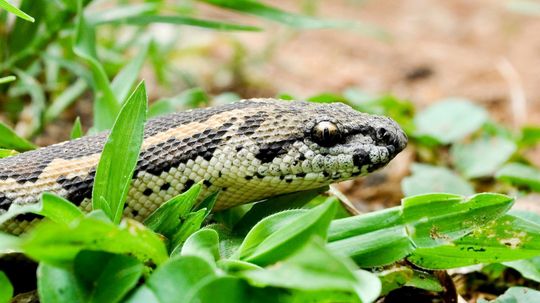
The Arabian sand boa has mastered the art of living beneath the sand. Found slithering (or, more accurately, burrowing) across the Arabian Peninsula, its ability to stay nearly invisible — with just its eyes peeking above the sand — makes it one of the sneakiest hunters in the desert.
By Mack Hayden
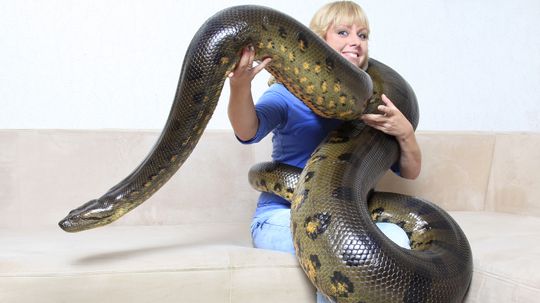
The green anaconda — scientific name Eunectes murinus — is the heaviest snake species on our planet. These colossal serpents slither through the waterways of South America, captivating our imaginations with their immense size and power.
By Yara Simón
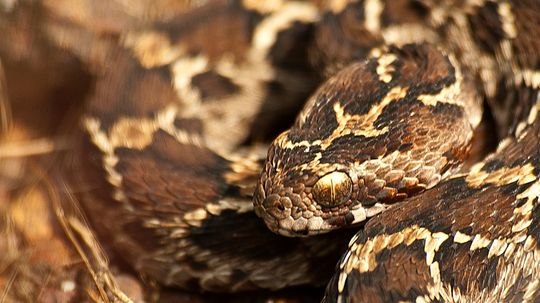
The Indian saw-scaled viper (Echis carinatus) is one of the most infamous and dangerous Indian snakes. These venomous snakes are known for their speed, aggression and powerful venom, which makes them one of the deadliest snakes to humans.
By Mitch Ryan
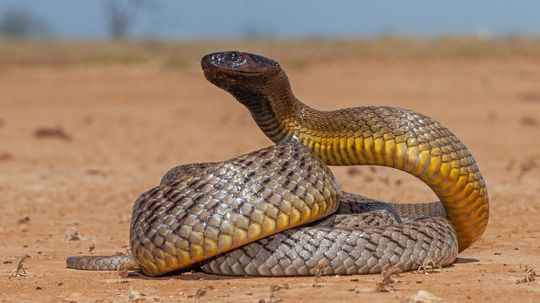
Today, we're diving into the world of the most venomous snake on the planet: the inland taipan. This slithery predator isn't just the most dangerous in terms of venom strength; it's also a highly specialized creature that has adapted to life in some of the harshest environments on Earth.
Advertisement
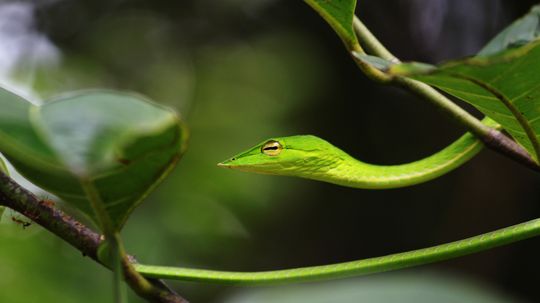
Slender as a twig and perfectly camouflaged in trees, the vine snake is an adaptable reptile. They live in some of the most lush and vibrant environments, including the forests of South America.
By Yara Simón
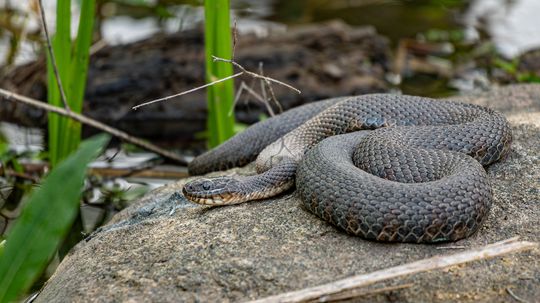
The plain-bellied water snake (Nerodia erythrogaster) is a sleek, semiaquatic snake that inhabits central North America. They thrive in both terrestrial and aquatic habitats, making them highly adaptable predators.
By Yara Simón
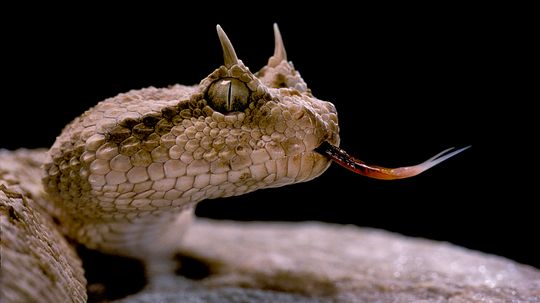
If you see a horned snake, you'll understand how it got its name: They have unique "horns" near their eyes. These venomous snakes live in deserts and other dry environments, and their adaptations help them survive and hunt in harsh conditions.
By Yara Simón
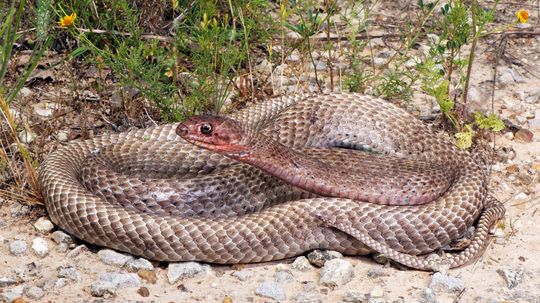
According to a University of Michigan study, snakes won the evolutionary jackpot, partly because of their speed. These stealthy ambush predators can really get moving when they need to chase down prey or escape danger.
By Yara Simón
Advertisement
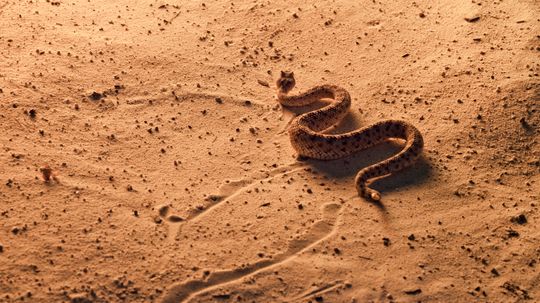
Let's talk about one of the coolest movers and shakers in the desert world: the sidewinder snake. Known for its unique way of getting around, this snake has mastered the art of slithering across scorching desert sands in the hottest places on Earth.
By Talon Homer
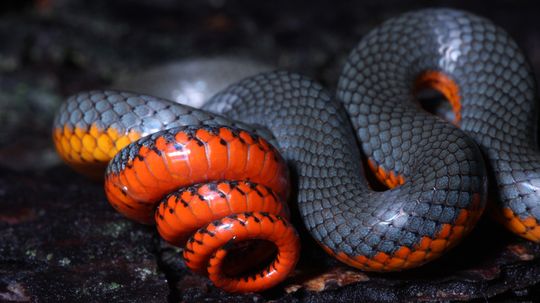
In North America and other parts of the world, you may encounter a red and black snake along your hike and wonder if you're dealing with a venomous snake species or something like a harmless milk snake.
By Talon Homer
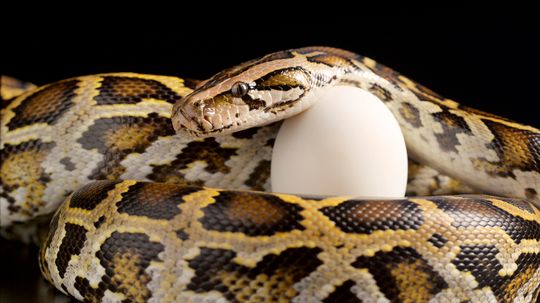
Humans have the birds and the bees to explain the ins and outs of reproduction, but for our slithering friends, the process is far more intriguing. So, how do snakes reproduce?
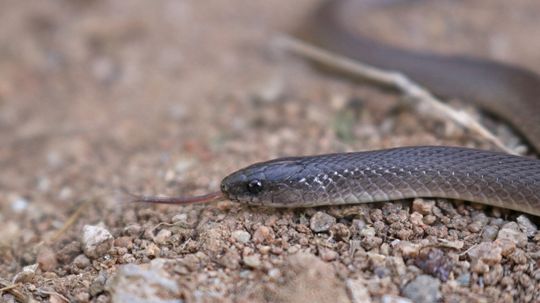
We're about to dive into the world of a snake you might not have heard much about: the rough earth snake. This small, secretive snake is found in various parts of the United States, and while it might not be as flashy as some other reptiles, it's got some nifty features that make it an important part of its ecosystem.
By Mack Hayden
Advertisement
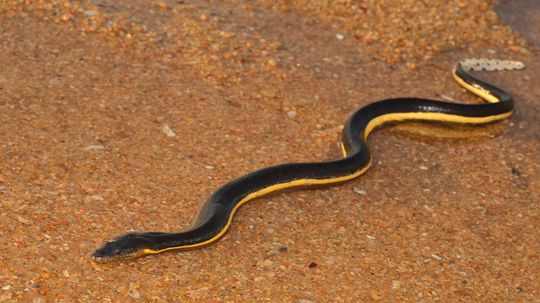
Join us as we dive into the deep blue to meet one of the ocean's most fascinating and mysterious creatures: the yellow-bellied sea snake.
By Zach Taras
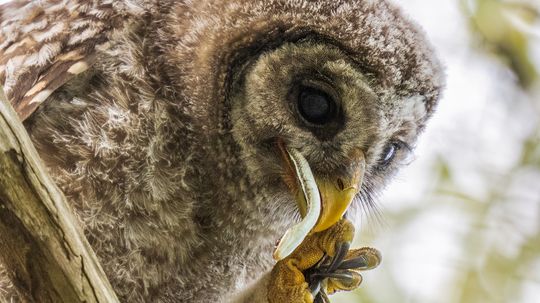
While snakes skillfully hunt their prey, they aren’t at the top of the food chain. From birds of prey to larger mammals, there are plenty of animals in the wild that hunt snakes for a tasty meal.
By Yara Simón
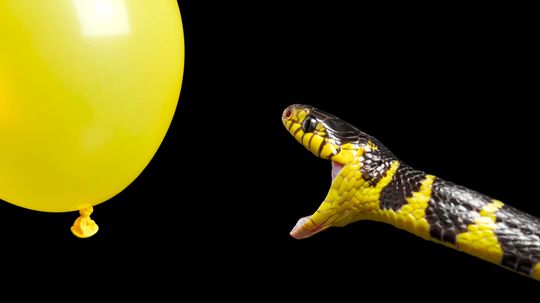
The black and yellow snake is vibrant and eye-catching, and it's not just for show. In the animal kingdom, bright colors often serve as warnings to potential predators.
By Yara Simón

Canada’s a big country — like, really big. And with all that space, it’s no wonder there are some pretty massive cities to go along with it. From coast to coast, the largest cities in Canada aren't just sizable in population; they cover a ton of land too.
By Mack Hayden
Advertisement
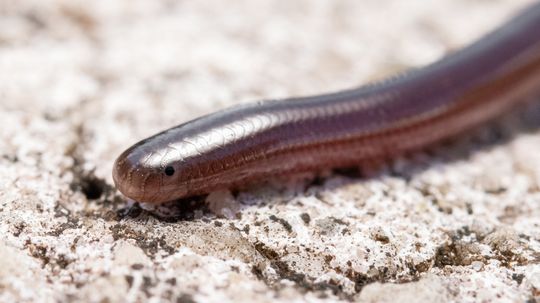
Tropical environments are often home to countless reptiles, like snakes, alligators and lizards — the type of wildlife you might expect to encounter during a vacation to one of the Hawaiian islands. But is this the case? Does Hawaii have snakes?
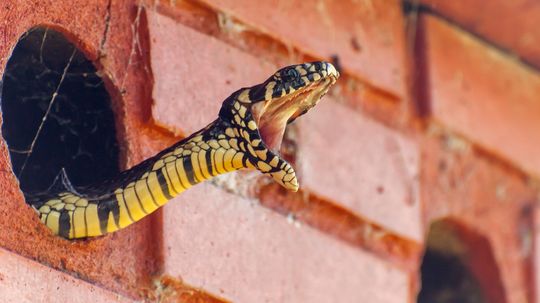
A chicken snake is a type of snake known for raiding chicken coops to eat eggs, birds and small mammals, such as rats and mice. This behavior makes these reptiles both a friend and a foe to farmers.
By Marie Look
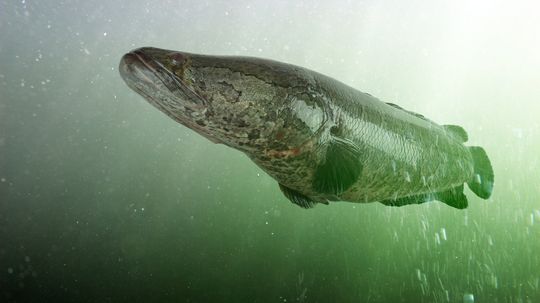
Today, we’re going to dive into the world of a perplexing and somewhat notorious creature: the snakehead, aka snake fish. These predatory fish are known for their long, snake-like bodies, aggressive hunting style, and ability to survive on land. What's more, they’re an invasive species in many parts of the world, including the United States.
By Talon Homer
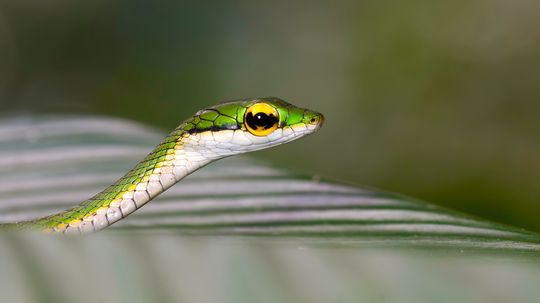
Today, we're going to talk about a snake that glides through the trees of Central and South America: the parrot snake: These slender, vibrant creatures might look delicate, but they're expert hunters with some cool adaptations that help them thrive in the tropical forests.
By Zach Taras
Advertisement
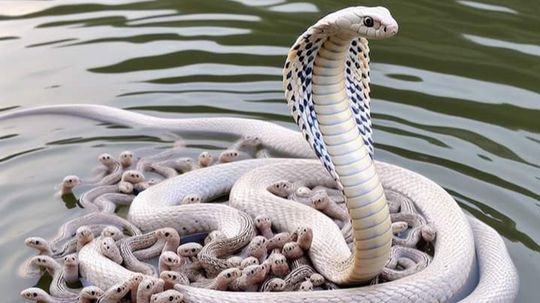
Cobras are some of the most venomous snakes on the planet, also known for their intimidating hoods and swift strikes. But while their venom and striking power make them feared by many, the role of the cobra snake in ecosystems is invaluable, from controlling rat populations to maintaining a balance among predators.
By Marie Look
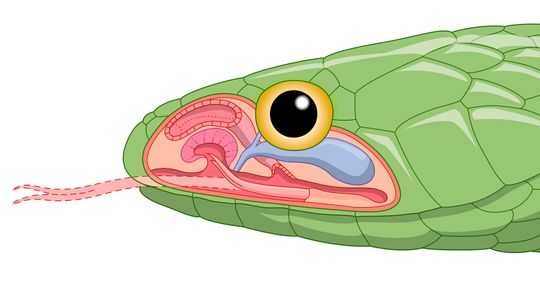
Unlike most other animals, snakes do not have limbs to help them get from one place to another. Instead, they slither — but there's a little more to snake anatomy than how they move. Finely tuned for survival, snakes have specialized anatomy that let them thrive in diverse environments.
By Yara Simón