10 Rare Sharks Lurking in the Deep Blue

By: Nico Avelle  | 
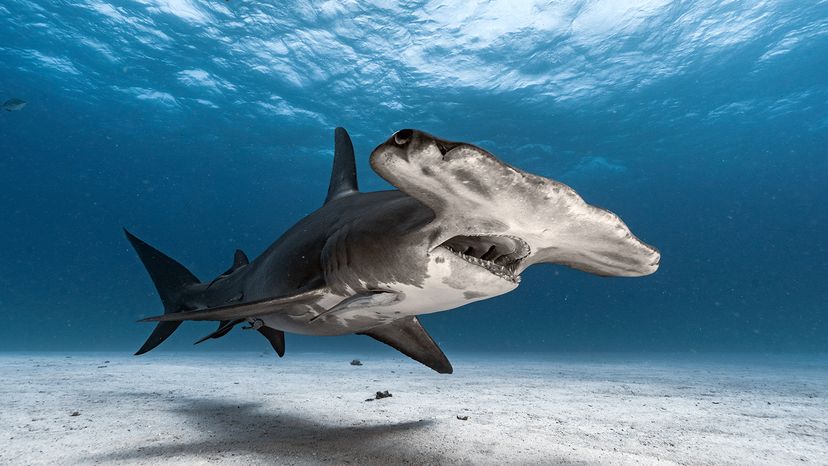
The great hammerhead shark is easily recognizable but rarely spotted. Jsegalexplore / Shutterstock

The ocean hides some astonishing predators, and the rare sharks on this list include some that rank among the least-seen and most-threatened species on Earth.

While the great white shark (Carcharodon carcharias) dominates headlines, many other shark species face population declines driven by overfishing, commercial fishing and international trade.

Advertisement

From tropical rivers to deep ocean depths, these rare shark and ray critically endangered fish species struggling to survive habitat degradation and demand for shark fin soup. Here are 10 rare species of sharks and rays that scientists are racing to protect.

1. Ganges Shark

The Ganges shark is one of the rarest shark species and is listed as critically endangered by the International Union for Conservation of Nature (IUCN). Unlike most sharks, this river shark species lives in tropical rivers of South Asia.

Habitat degradation, pollution, and fisheries pressure have devastated its population. Few confirmed sightings exist, and scientists believe it may be close to extinction.

Advertisement

2. Speartooth Shark

Another river shark species, the speartooth shark inhabits murky waters in northern Australia and Papua New Guinea. It is rarely seen and considered vulnerable by the IUCN.

Because it lives in coastal rivers and estuaries, it faces threats from habitat loss and accidental capture in fisheries.

Advertisement

3. Oceanic Whitetip Shark

The oceanic whitetip shark was once abundant worldwide in tropical and subtropical waters. Today, the oceanic whitetip is listed as critically endangered.

Demand for shark fin soup and large fins in international trade caused severe population declines. This powerful predator of the open ocean now survives in far lower numbers across many countries.

Advertisement

4. Great Hammerhead

The great hammerhead is one of the most distinctive different species of sharks. Its wide head helps it detect prey in the sea.

However, it is also critically endangered due to overfishing, as well as demand for large fins in traditional Chinese medicine and shark fin soup markets.

Advertisement

5. Shortfin Mako Shark

Known as one of the fastest sharks in the world, the shortfin mako shark ranges across the northeast Atlantic and other ocean regions. Despite its speed, it cannot outrun commercial fishing fleets.

Heavy fishing pressure led to its endangered conservation status globally, including a critically endangered status in the Mediterranean Sea.

Advertisement

6. Greenland Shark

The Greenland shark inhabits cold ocean depths of the North Atlantic near the British Isles and Greenland. It can grow well beyond 6.5 feet (2 meters) and may live for centuries.

Slow growth and late maturity make this fish species especially vulnerable to overfishing. Even limited bycatch can reduce population recovery.

Advertisement

7. Frilled Shark

The frilled shark looks like something from another era. This deep ocean predator swims in the ocean depths and is rarely observed by humans.

Although not targeted heavily by fisheries, its deep sea habitats make research difficult. Its rarity and low encounter rate keep it on lists of unusual and rare marine species.

Advertisement

8. Megamouth Shark

The megamouth shark was only discovered in 1976. It filters plankton in the open ocean and deep ocean zones.

Very few individuals have ever been documented. Scientists still know little about its population size or full distribution across the world’s ocean.

Advertisement

9. Common Skate and Blue Skate

Not all rare cartilaginous fishes are typical sharks. The common skate and blue skate—part of the broader sharks and rays group that includes rhino rays—have experienced major population declines.

In parts of the west coast of Europe, overfishing and habitat damage reduced their numbers dramatically. Some populations near the British Isles remain threatened species today.

Advertisement

10. Ornate Wobbegong

The ornate wobbegong lives in waters off eastern Australia. Unlike fast swimming predators, this species waits on the sea floor to ambush prey.

Though not as famous as the great white shark, it faces pressure from habitat destruction and localized fisheries. Protecting marine habitats in many countries is key to helping this and other sharks survive.

Across the ocean, rare sharks remind us that not all predators are thriving. Many marine species face extinction due to habitat degradation, international trade, and unsustainable fisheries.

As scientists track conservation status and governments regulate commercial fishing, the future of these endangered species depends on global cooperation.

We created this article in conjunction with AI technology, then made sure it was fact-checked and edited by a HowStuffWorks editor.

Advertisement

Loading...