10 'Ugliest' Monkey Species: Unconventional Beauty in Primates

By: Nico Avelle  | 
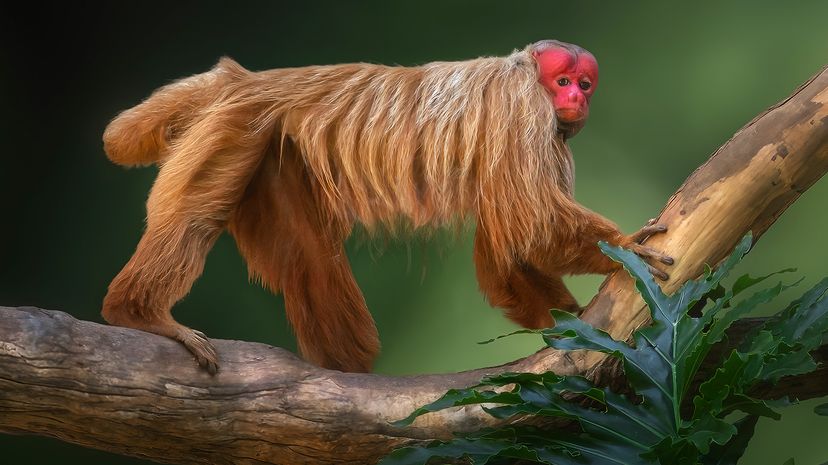
OK, maybe you wouldn't swipe right, but you're also not a bald uakari, so what do you know about monkey beauty? Diego Grandi / Shutterstock

Some monkeys win the genetic lottery. Others? Not so much. The ugliest monkey isn't a single species—it's a whole gallery of primates that make you do a double take, then wonder if evolution was playing a prank.

These animals aren't ugly because they're flawed. They're ugly because nature picked function over fashion.

Advertisement

Big noses, bald heads and bug eyes might not look cute, but they help these species survive. In fact, some of these features are essential tools that help primates thrive in specific environments, attract mates or avoid predators.
1. Proboscis Monkey

monkeys
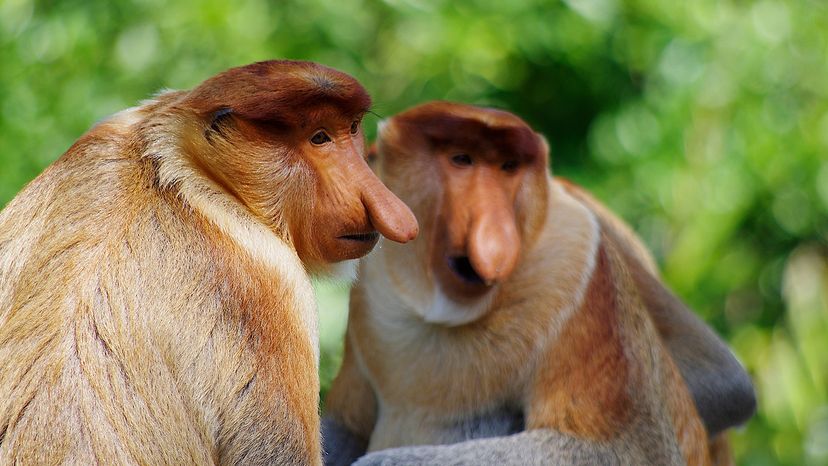
Proboscis monkeys. Implodocus / Shutterstock

This species has the most iconic nose in the animal kingdom. The proboscis monkey’s oversized schnoz might look bizarre, but it actually works as a resonance chamber to attract females and warn off rival males.

Found in Borneo, this monkey has adapted to swampy habitats, where its webbed feet help it swim. Some people compare its nose to a balloon or a bad party trick, but in proboscis monkeys, a large nose serves as an honest signal of male health and dominance.

Advertisement

2. Bald Uakari

monkey
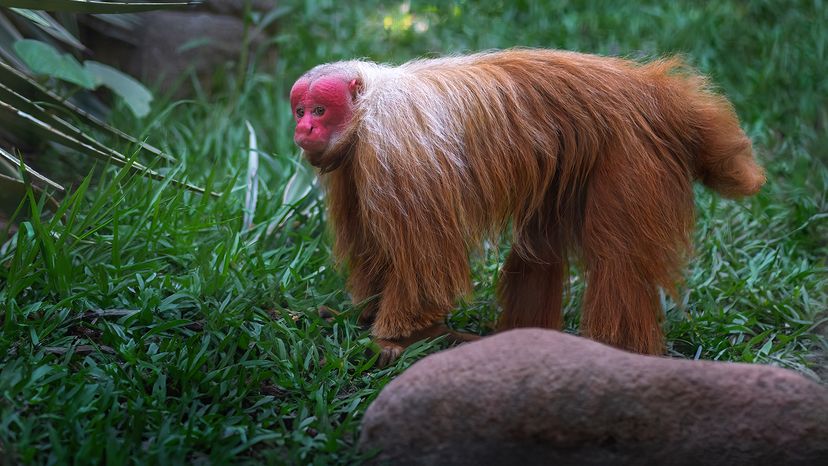
Bald uakari. Diego Grandi / Shutterstock

The bald uakari has a bright red face and no hair on top, making it look a bit like a sunburned human. But this monkey's odd features serve a purpose.

In the Amazon, a healthy red face signals strong immune function. Females use that signal to choose mates, just like people might judge health based on skin tone. These monkeys may not win human beauty contests, but they’re experts at survival.

Advertisement

3. Snub-nosed Monkey

monkeys
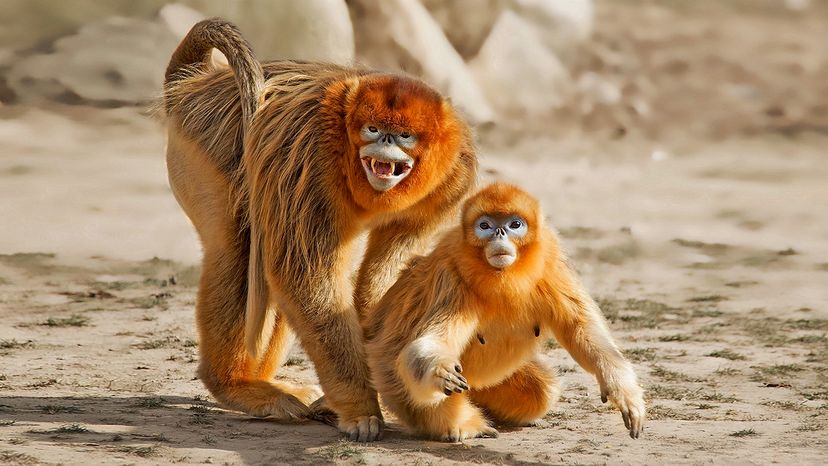
Snub-nosed monkeys. Wang LiQiang / Shutterstock

These monkeys look like someone forgot to finish their faces. Their flat profiles and forward-facing nostrils aren’t cute by conventional standards, but they do help in cold, high-altitude habitats.

Found in Asia, this species endures snow, wind and steep terrain. They huddle together for warmth and develop thick coats to survive the elements—a unique look that fits their environment perfectly.

Advertisement

4. Tarsier

monkey
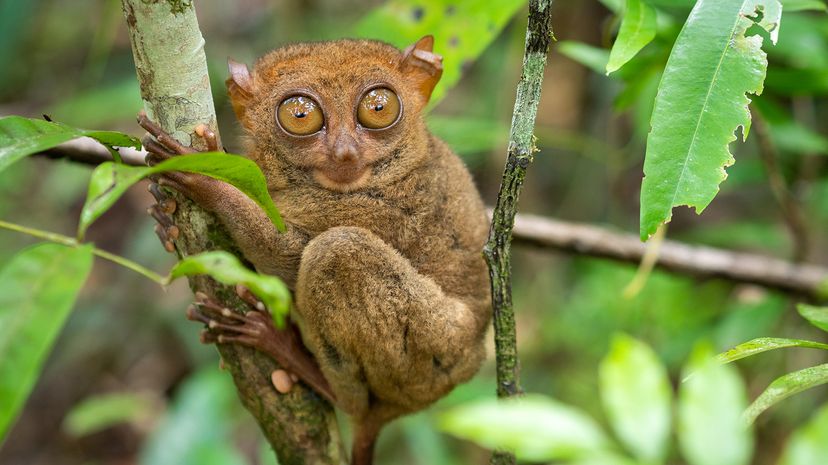
Tarsier. R.M. Nunes / Shutterstock

Tarsiers might be small, but their eyes are proportionally enormous.

Each eye is larger than their brain, and they can't even move them; they have to turn their entire heads like owls. This gives them a permanently shocked expression.

Advertisement

But those giant eyes let them hunt at night with laser focus. In evolutionary terms, the tarsier traded good looks for high-performance night vision.

5. Mandrill

monkey
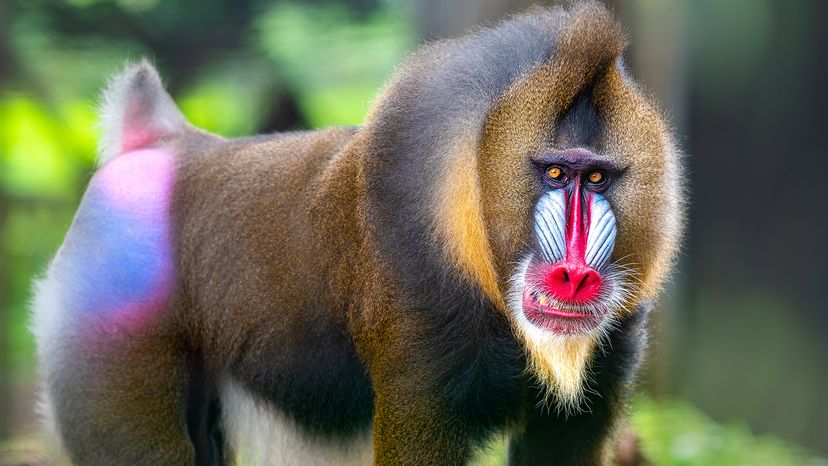
Mandrill. mbrand85 / Shutterstock

These primates have faces painted like a clown’s worst nightmare: electric blue ridges, fiery red noses and long, yellow fangs. Males develop brighter colors during mating season to attract females.

It's a visual cue for health and dominance. What looks strange to us is actually the monkey equivalent of a power suit.

Advertisement

6. Saki Monkey

monkey
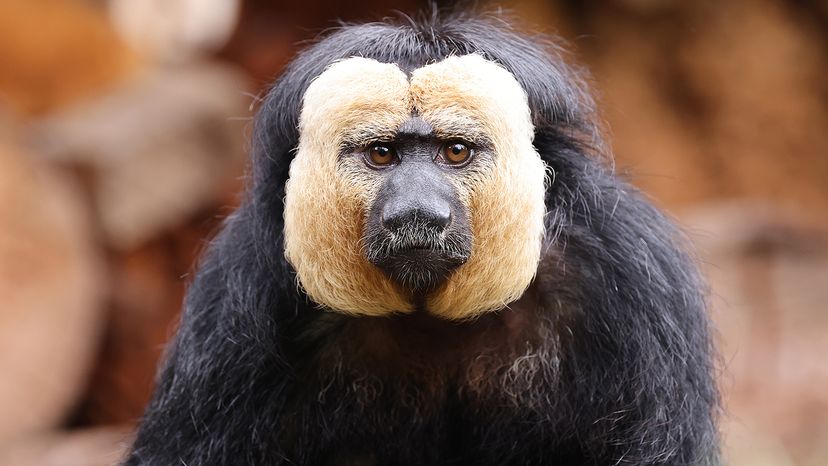
Saki. Edwin Butter / Shutterstock

Sakis have thick fur that makes them look like puffballs with eyes. Their hair hides their facial expressions, giving them an eerie, blank stare.

Some people say they resemble dogs in costume or windblown humans. This bizarre appearance helps them blend into dense jungle foliage, avoiding predators while occasionally feeding on insects.

Advertisement

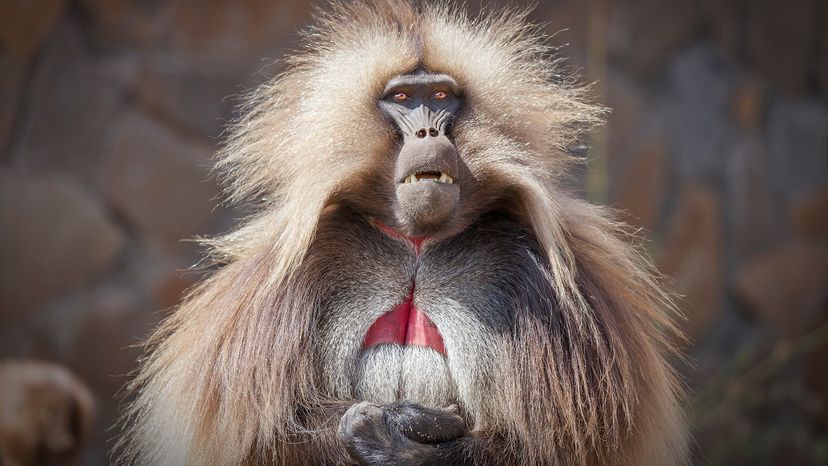
7. Gelada

monkey
Gelada. Nico Moser / 500px / Getty Images/500px

With their Dracula-like fangs and bright chest patches, geladas combine weird and wild. They’re found in Ethiopia and spend most of their time on the ground, grazing like cows.

The red patch on their chest gets brighter in dominant males, helping females choose mates. That odd chest badge is as much about attraction as a peacock’s feathers.

Advertisement

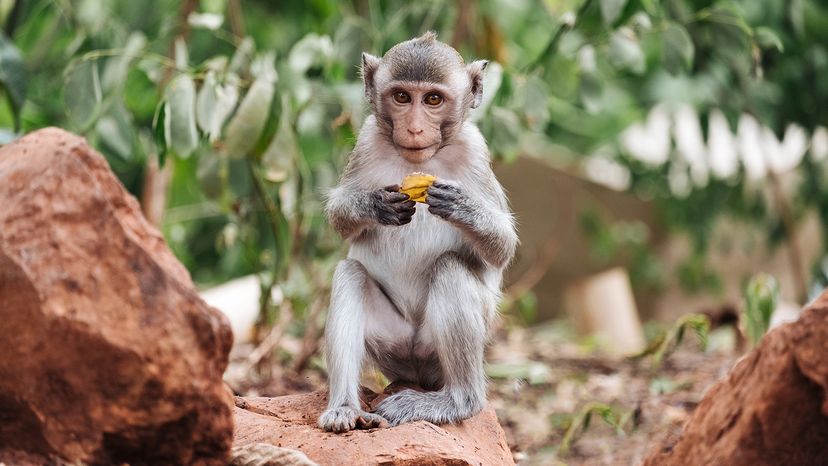
8. Rhesus Macaque

monkey
Rhesus macaque. Iurii Stepanov / Shutterstock

These monkeys might look relatively normal, but their attitude gives them an edge in the ugly department. Known for their wrinkled faces and aggressive behavior, rhesus macaques often interact with humans—stealing food, opening bags, and causing chaos.

They’re incredibly adaptable, found in cities and forests alike, which makes them successful but not exactly endearing.

Advertisement

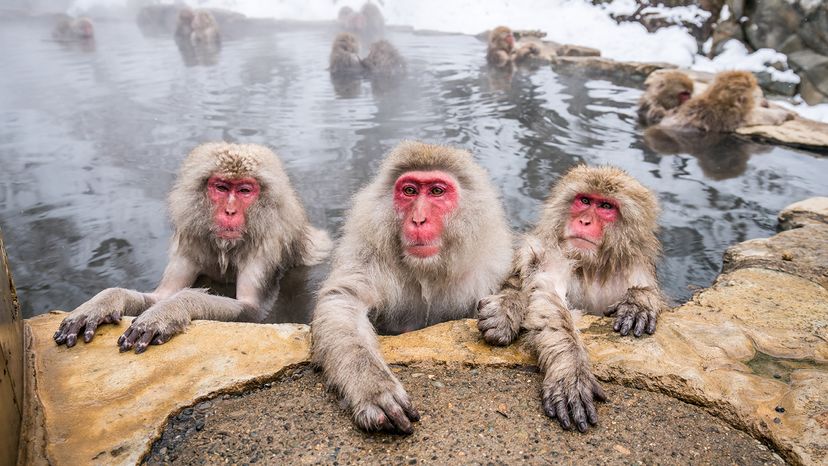
9. Japanese Macaque (Snow Monkey)

monkeys
Japanese macaques. mapman / Shutterstock

Found in Japan’s snowy mountains, these monkeys look perpetually grumpy. Their pink, nearly hairless faces contrast with thick fur coats. They bathe in hot springs during winter and have complex social behaviors.

The hairless face might look weird to people, but it allows for facial expressions crucial to their communication.

Advertisement

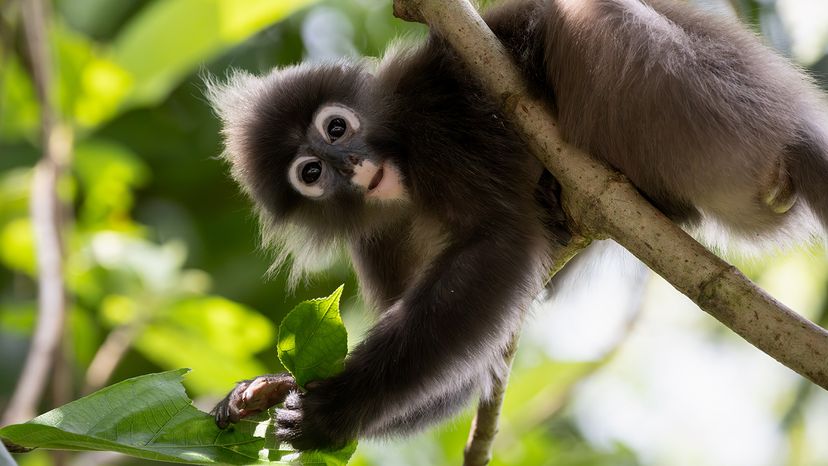
10. Spectacled Langur

monkey
Spectacled langur. Raven Haven / Shutterstock

These monkeys sport white rings around their eyes, giving them a permanently surprised look. It’s not makeup; it’s pigmentation. Found in Southeast Asia, they live in treetops and feed on leaves. The purpose of the white eye-ring markings is uncertain and remains speculative.

These primates may not be pretty, but their appearances are finely tuned tools. Each feature—from a large nose to unusual eyes—helps these monkeys survive and adapt.

Like people, animals don't get to choose how they look. But they do evolve to fit their environments, and sometimes, that means developing traits we don’t find attractive.

We created this article in conjunction with AI technology, then made sure it was fact-checked and edited by a HowStuffWorks editor.

Advertisement

Loading...