What Is a Group of Apes Called? Not a Troop but a...

By: Nico Avelle  | 
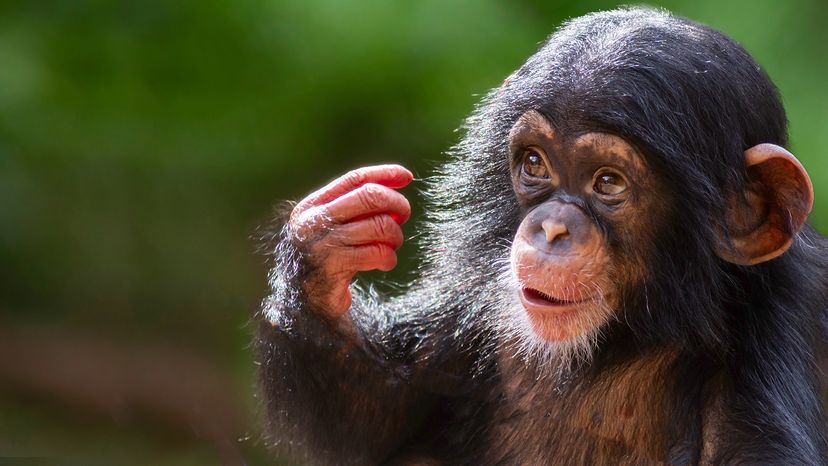
This little chimp may not know it, but its species has one of the most unique common nouns around. Patrick Rolands / Shutterstock

Apes are among the most intelligent animals on Earth, closely related to humans and deeply social in the wild.

But what is a group of apes called? The answer is both poetic and fitting for these thoughtful creatures.

Advertisement

In the quirky world of animal group names, collective nouns often reflect how humans perceive animal behavior. With apes, it’s no different—and the term used might surprise you.
A Shrewdness of Apes

chimpanzee
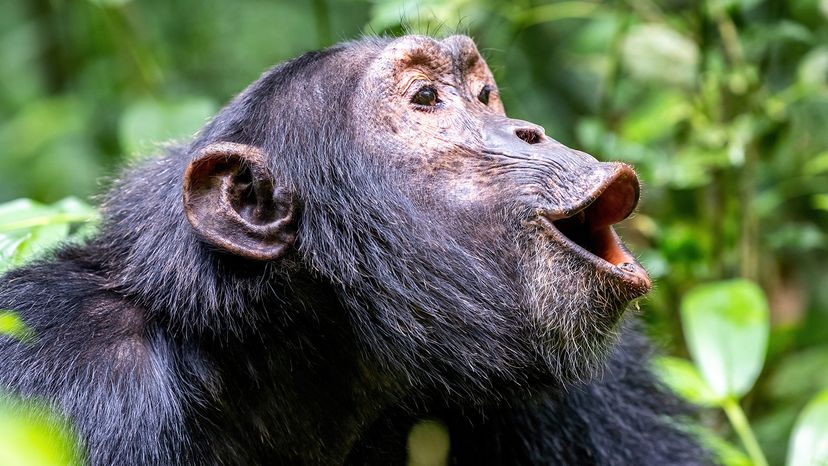
They're commonly called a group, but you can use the less generic term "shrewdness" and feel way cooler about it. Jane Rix / Shutterstock

The collective noun for apes is "shrewdness." The Old English word "shrewd," originally meaning "wicked" or "mischievous," is the root of what we now use to describe a group of apes, likely referencing their high level of intelligence and problem-solving abilities.

According to the Oxford English Dictionary, many such terms originated in the 15th century, including from texts like Chaucer's poem and "The Book of Saint Albans." This poetic use of language gave us a murder of crows, a pride of lions—and, yes, a shrewdness of apes.

Advertisement

More Common Terms You Might Hear

In more modern usage or casual conversation, apes are sometimes referred to as a troop, especially in contexts involving chimpanzees or gorillas. The word "troop" is also used for monkeys, which can cause confusion, but it’s generally accepted.

You might also see apes called a band or even a family, depending on the species and context. For example, orangutans are often solitary, while gorillas live in stable family units led by a dominant male.

Advertisement

Why Collective Nouns Matter

These so-called collective nouns aren’t just for fun; they offer insight into how humans observe and categorize the animal world. Some terms come from behavior (murmuration of starlings, stand of flamingos), others from lore (unkindness of ravens), and some simply from creative wordplay.

Consider these examples:

Advertisement

  • A business of ferrets
  • A bask of crocodiles
  • A muster of peacocks
  • A colony of ants
  • A school of fish

The phrase "a shrewdness of apes" adds a sense of respect and admiration for a species we often see as close relatives.

Advertisement

Apes in the Wild

apes
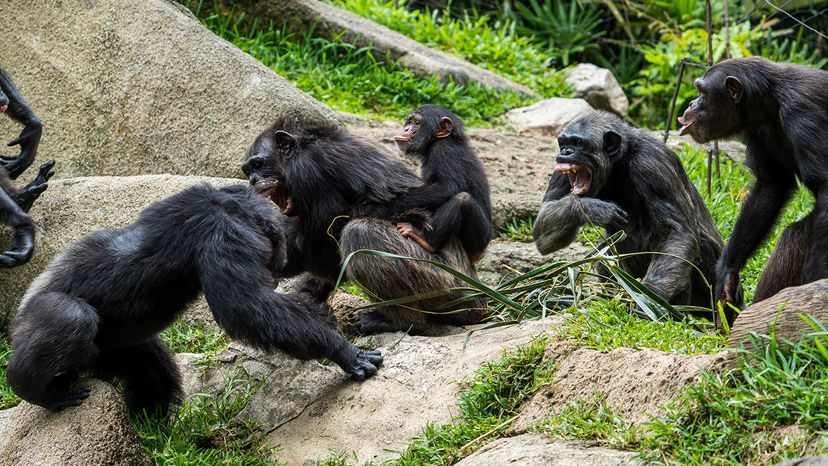
Apes are social animals that gather for a number of reasons. Hit1912 / Shutterstock

In nature, apes like gorillas and chimpanzees form social groups to help them find food, protect against predators, and raise offspring. These groups are highly structured and include complex behaviors like grooming, teaching, and cooperation.

Such behavior is far from random. Apes show signs of empathy, problem-solving, and even basic language skills. Using a term like "shrewdness" acknowledges this sophistication.

Advertisement

Poetic or Practical?

While terms like herd, swarm, or flock are more utilitarian, words like "shrewdness" or "business" reflect an older, more poetic tradition in English. Today, you’re more likely to hear “troop” or “group” in scientific writing or documentaries, but the traditional terms still hold cultural value.

We created this article in conjunction with AI technology, then made sure it was fact-checked and edited by a HowStuffWorks editor.

Advertisement

Advertisement

Loading...