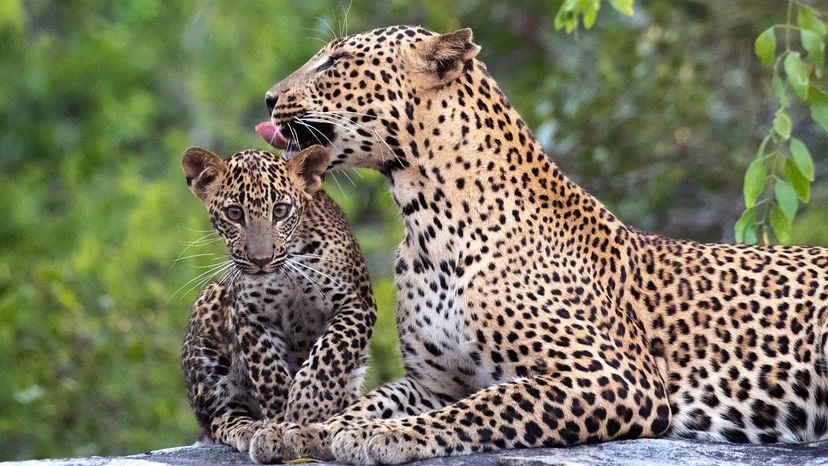
OK, it's not a lick of leopards. Dimuthu Jayawadane / Shutterstock
Leopards are known for their stealth, power and solitary lifestyle. So what is a group of leopards called? These elusive big cats aren’t often spotted in numbers.
While most leopards hunt and live alone, there is a collective noun for them, and it’s every bit as vivid as the animal itself.
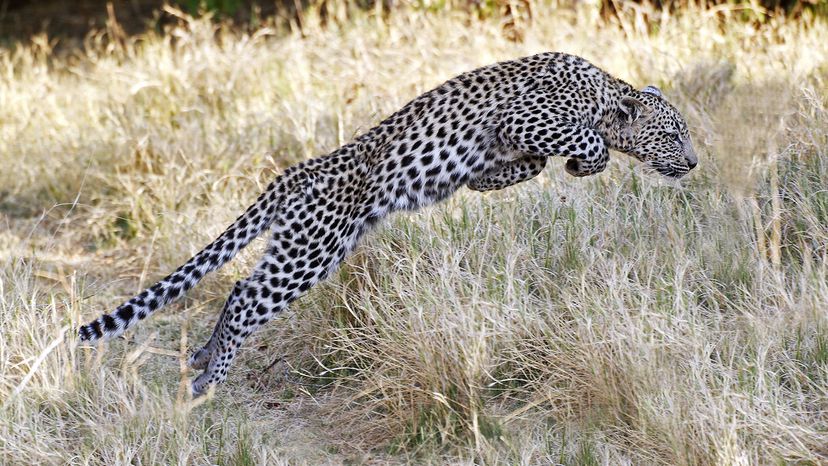
The most commonly accepted term for a group of leopards is "leap." It’s a fitting name, considering how leopards can spring from the ground into trees or pounce suddenly on their prey.
The word evokes speed, agility and surprise—hallmarks of leopard behavior.
Advertisement
That said, you’re unlikely to encounter a leap of leopards in the wild. These cats are solitary by nature. They hunt alone, mark their own territories, and only come together to mate or raise cubs.
Are Leopards Ever Social?
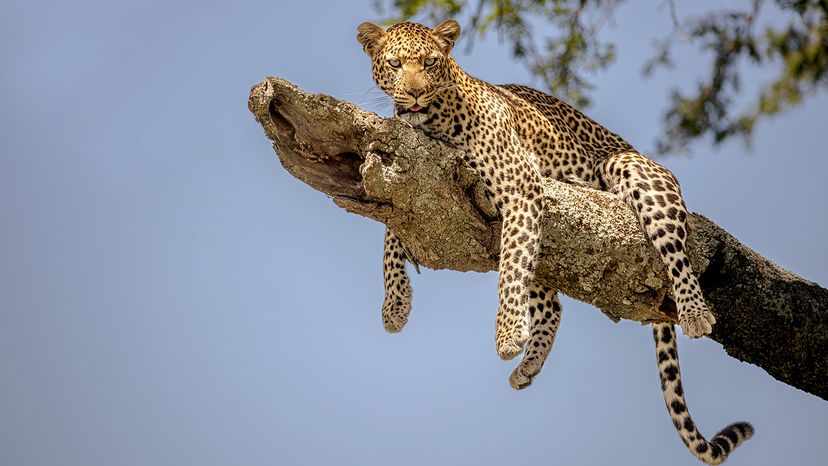
There's also no such thing as a lounge of leopards. Thomas Retterath / Shutterstock
Unlike lions, which live in prides, leopards typically avoid one another.
However, exceptions occur. A mother with cubs may be accompanied for over a year, forming a small group. In some cases, siblings from the same litter may remain together temporarily after leaving their mother.
Advertisement
Though leopards don’t form herds, packs, or prides like other animals, the term "leap" still gives us a way to describe those rare moments of interaction—especially in captivity or during mating season.
Other Cat Collective Nouns
Big cats tend to have some of the most expressive group names in the animal kingdom. Here are a few examples:
A pride of lions
A streak of tigers
A clowder of domestic cats
A coalition of cheetahs (usually brothers)
And outside the cat family, you’ll find a murder of crows, a parliament of owls, and even an unkindness of ravens. These poetic names help reflect not just how animals behave, but how humans perceive them.
Advertisement
The Purpose of Collective Nouns
Finally, here's a leaping leopard (though still not a leap of leopards). slowmotiongli / Shutterstock
Most collective nouns aren’t used in scientific writing but are part of cultural tradition, language evolution and folklore. Books like "The Book of Saint Albans" from the 15th century recorded many of these terms, which are still used in wildlife education and conversation today.
Even for solitary creatures like leopards, having a group name adds richness to our language and sparks curiosity about animal behavior.
Advertisement
So while you might not often see a leap of leopards roaming the savanna or jungle, the phrase offers a memorable way to talk about one of nature’s springiest big cats.
We created this article in conjunction with AI technology, then made sure it was fact-checked and edited by a HowStuffWorks editor.
Advertisement
Cite This!
Please copy/paste the following text to properly cite this HowStuffWorks.com article: