What Is a Group of Polar Bears Called? Sounds Sneaky

By: Nico Avelle  | 
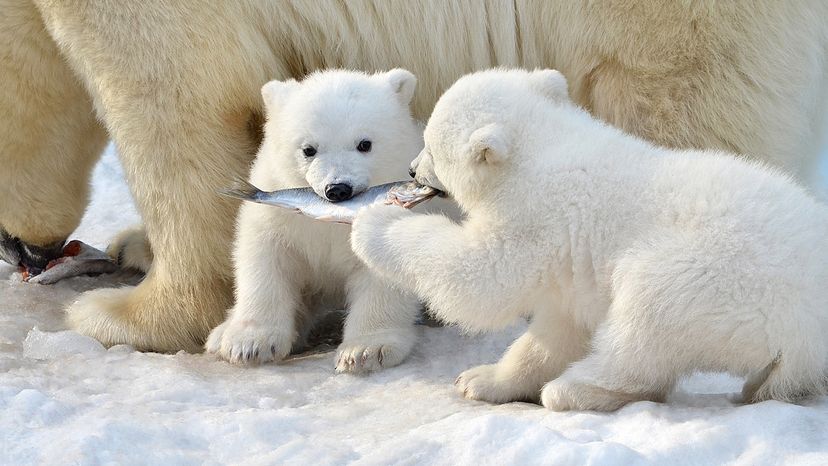
We'd call this particular group "adorable," but that's not the generally accepted collective noun. evaurban / Shutterstock

If you have ever wondered, "What is a group of polar bears called," you are not alone. The short answer: A group of polar bears is called a sleuth. Yes, sleuth—like a detective on the ice.

That answer surprises people because polar bears are usually solitary. These big white animals prefer to live and hunt alone across the sea ice of the Arctic.

Advertisement

So, when a group of polar bears is spotted, it is worth a second look.

A Sleuth of Polar Bears

A group of polar bears is called a sleuth. That is the special name listed among collective nouns, which are words used to describe a group of animals.

You may see more answers depending on the situation. Some people refer to a group of polar as a pack, but that term fits wolves better. In general usage sleuth is listed as a collective noun for bears.

Advertisement

The term might be connected to the bear’s powerful sense of smell. A polar bear can sniff a seal nearly 1 mile (1.6 kilometers) away and detect prey under 3 feet (0.9 meters) of snow.

Since a sleuth is a detective who sniffs out clues, that match makes sense.

Advertisement

Why Polar Bears Rarely Form a Group

Polar bears are solitary animals. Adult males and females spend most of their lives alone, coming together only to mate or respond to a feeding opportunity.

Unlike a pack animal, each bear hunts on its own. It waits by a seal’s breathing hole in the ice, using patience as a hunting tool. If the bear gets hungry enough, it may search for food across miles of frozen water, swim between ice floes, or try its luck in human-inhabited areas.

Advertisement

Mothers are the exception. A mother and her cubs form a temporary group during the cubs’ early years. She feeds them, keeps them warm with her thick layer of blubber and fur, and teaches them how to hunt.

Where You Might Find a Sleuth

Polar bears live in five countries: Canada, Russia, Norway, Denmark (Greenland), and the United States. Most of them roam the sea ice of the Arctic.

You are most likely to see a group of polar bears called together when food is involved. If a whale carcass washes ashore, several males and females may gather for a massive meal. During this feeding situation, even normally solitary individuals tolerate one another.

Advertisement

Scientists continue research on how climate change affects this habitat. As sea ice shrinks, bears must swim farther and spend more time on land. That shift changes how and where polar bears hunt.

The Science Behind the Name

Collective nouns often reflect behavior: A group of crows is a murder. A group of reindeer is a herd. A group of bears can be called a sloth or a sleuth.

The word sleuth suggests a detective-type aura for polar bears, which rely heavily on their nose. Their sense of smell is so sharp that they can sniff out a seal’s den under packed snow and ice, then break through with a powerful swipe of the head and paws.

Advertisement

That ability matters because seals are their primary prey. Polar bears eat mostly ringed and bearded seals. Their feeding process looks simple but demands patience, energy, and a lot of waiting in freezing wind.

A Quick Polar Bear Fact

Polar bears are the largest land carnivores on Earth.

Adult males can weigh 900 to 1,600 pounds (408 to 726 kilograms). They look white, but their skin is black and their fur is actually transparent. That thick layer of fat, called blubber, can measure 4 inches (10 centimeters) or more. It keeps the animal warm in water that hovers just above the freezing point.

Advertisement

We created this article in conjunction with AI technology, then made sure it was fact-checked and edited by a HowStuffWorks editor.

Advertisement

Loading...