Key Takeaways
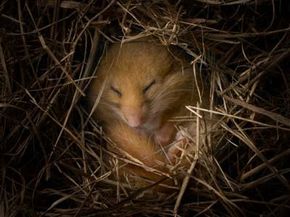
- Hibernation is a state where animals significantly reduce their metabolic rate, body temperature, heart rate and breathing to conserve energy during periods when food is scarce.
- Unlike sleep, which is primarily a mental change, hibernation involves drastic physiological changes, and waking a hibernating animal can be fatal due to the high energy cost of rewarming.
- Hibernation is triggered by various factors, including temperature, food availability and photoperiod, and is controlled by the endocrine system through hormones like melatonin and insulin.
Every living animal on Earth is burning energy all the time. Physical activities like walking and breathing burn energy. Pumping blood and digesting food burns energy. Even thinking burns energy. For warm-blooded animals, a lot of energy is burned just keeping our body temperature where we need it. Even when we're sleeping, we're burning energy.
Advertisement
That's the whole reason animals eat -- to gain enough energy to fuel all those processes. The system works fine when there's plenty of fruit on the trees or rabbits to catch and eat (or pizzas in the freezer). But what happens when winter comes and it becomes very difficult to find food? How do animals survive with few energy sources available?
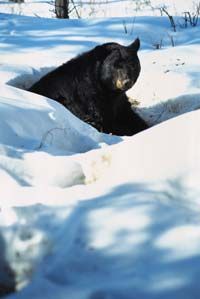
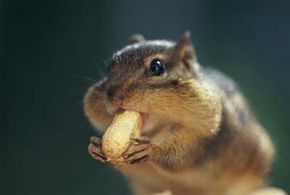
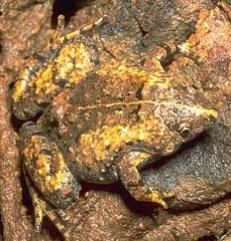
There are many winter survival strategies in the animal world, and one of the most fascinating is hibernation. Some animals enter a state of "suspended animation." Their breathing and heart rates slow and they allow their body temperature to drop, in some cases even below freezing. They stop eating and in many cases stop excreting. All of these things happen so the animal can use less energy.
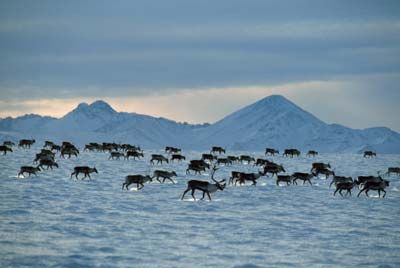
Whether an animal hibernates or migrates to a warmer area is generally a quirk of evolution. Smaller animals tend to be more likely to hibernate, because migration would require an enormous amount of energy relative to their body size. Larger animals are less apt to hibernate because of the additional energy required to warm up a large body.
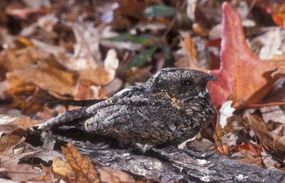
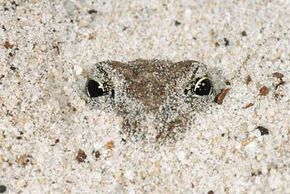
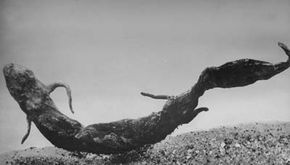
Hibernation is more varied than you might think. Many animals hibernate in a den all winter, but some animals hibernate in the summer. Some fish can hibernate in a waterproof mucus envelope if their lake dries up. Certain birds and bats enter a sort of daily hibernation called torpor.
On the next page, we'll discuss how hibernation is different from sleep -- and learn what happens to animals in the zoo.
Advertisement