
Marine Life
Marine life includes an incredible and vibrant array of wild animals that live in the ocean. From tiny phytoplankton to massive blue whales, marine life is a vital source of food, energy and life for the entire planet.
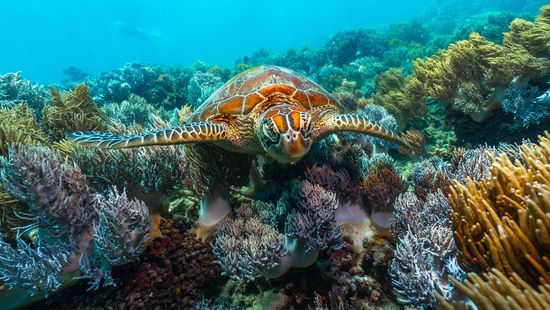
9 Coral Reefs Around the World That Support Entire Communities
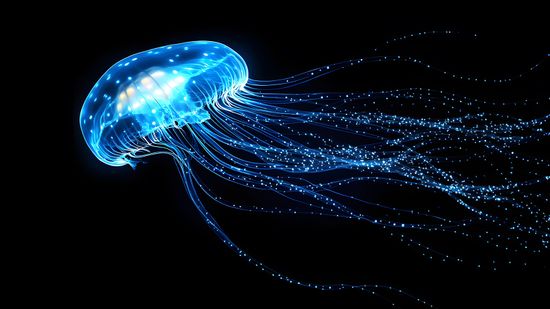
How Bioluminescent Jellyfish Get Their Signature Glow
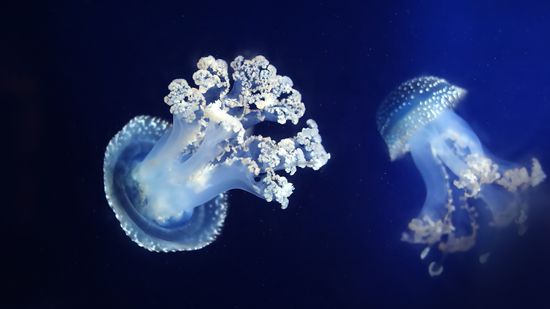
White Spotted Jellyfish: Cute Until They Become Invasive
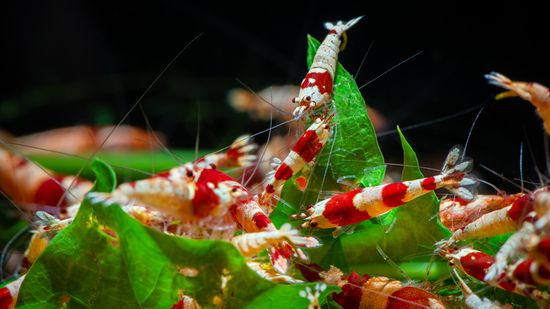
What Is a Group of Shrimp Called? (Hint: You'd Use the Term for Bugs)
What Is a Group of Crabs Called? A Scuttle, a Clamor, a Cast?
Vampire Crab: More Cartoonish Than Blood-sucking
The Blue Dragon Sea Slug Eats Venomous Prey and Saves the Stingers for Later
The Sea Angel Looks Like a Pixar Character Until It Attacks
What Is a Group of Squid Called? Not a Squad, Unfortunately

Colossal Squid vs. Giant Squid: There's a Massive Difference
Horseshoe Crab Looks Like an Alien, If We're Being Honest
There Are 300 Types of Octopus Species, Some With Internal Shells
Learn More
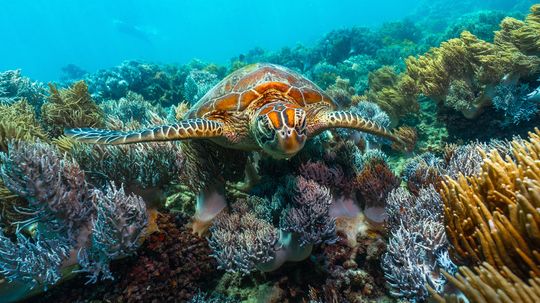
Coral reefs around the world are tiny animal-built cities that power some of the planet's richest ocean ecosystems. Even though coral reefs cover less than 1 percent of the ocean floor, the coral reef ecosystem supports about one-quarter of all marine species and helps sustain local communities, coastal populations and major tourism economies around the world.
By Nico Avelle
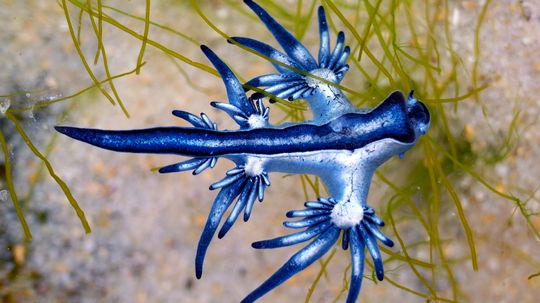
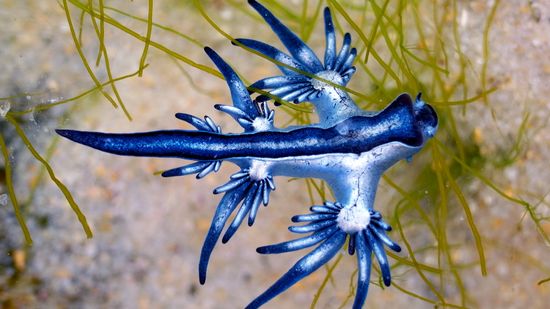
The blue dragon sea slug looks like a tiny ocean creature from a fantasy illustration. Despite its delicate appearance this small animal is a fierce predator that floats across the open ocean and feeds on some of the sea's most venomous animals.
By Nico Avelle
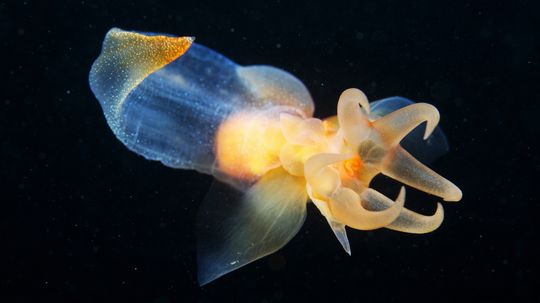
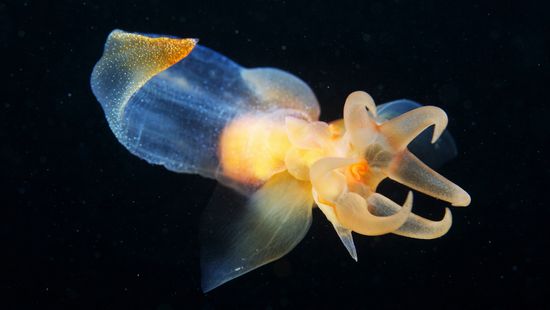
The tiny sea angel drifts through the ocean with delicate wings. Despite the gentle appearance and graceful movements, this small animal is actually a prowling predator that hunts other swimming snails in the open ocean.
By Nico Avelle
Advertisement
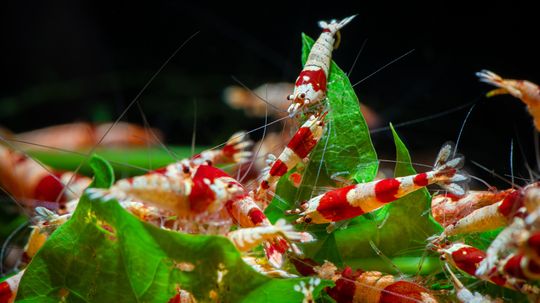
"What is a group of shrimp called" is a common Google search, especially when people start comparing shrimp to fish, crabs, or even cats.
By Nico Avelle
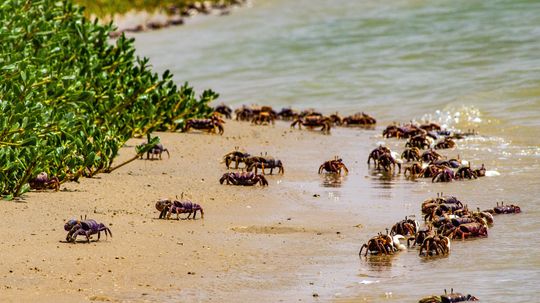
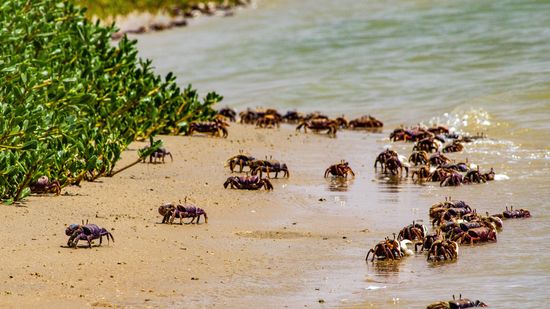
Crabs scuttle along the ocean floor, dig in the sand and wave their claws during territorial standoffs. But what is a group of crabs called? These quirky, armored creatures actually have more than one collective noun.
By Nico Avelle
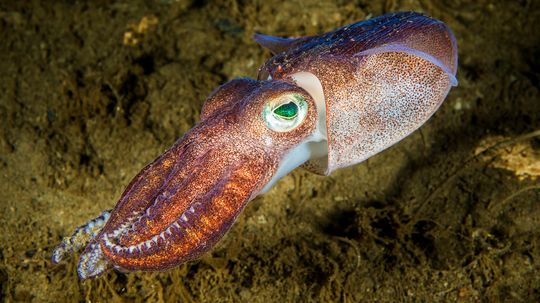
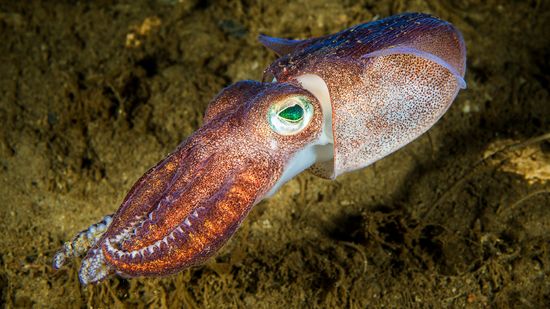
If you've ever seen a pack of squid swirling through the sea, you might wonder, what is a group of squid called?
By Nico Avelle
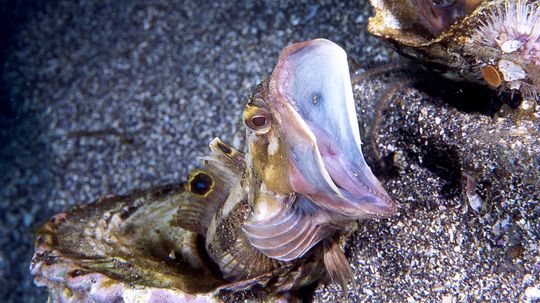
The ocean is full of beauty, but it also hides some of the scariest sea creatures on the planet. Many of these animals lurk far below the ocean's surface, in the dark, high-pressure world of the deep sea.
By Nico Avelle
Advertisement
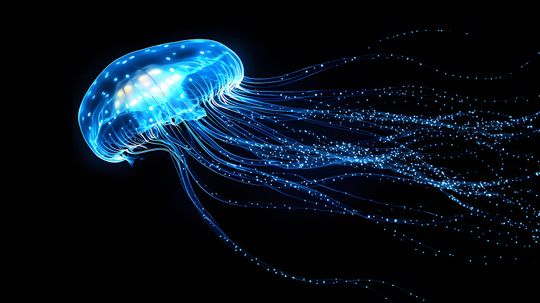
In the deep ocean where sunlight fades to black, a strange glow pulses through the water.
By Nico Avelle
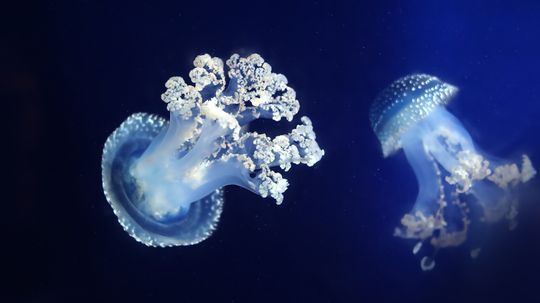
You’ve probably seen them in aquarium tanks or floating just offshore—those milky, gelatinous blobs with polka dots and long, frilly arms. Meet the white spotted jellyfish (Phyllorhiza punctata), a tropical jellyfish invader that's turning up far from home.
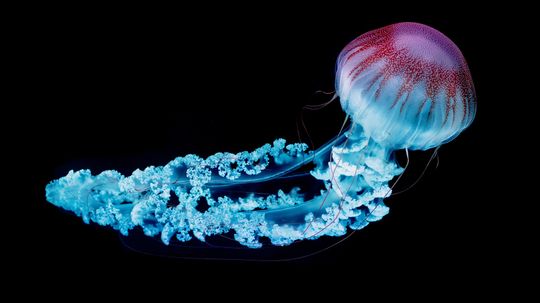
In the deepest, darkest parts of the ocean, far below where visible light can reach, swims one of the strangest animals on Earth: the deep sea jellyfish. These mysterious creatures thrive in a zone so dark and pressurized it's nicknamed the midnight zone.
By Nico Avelle
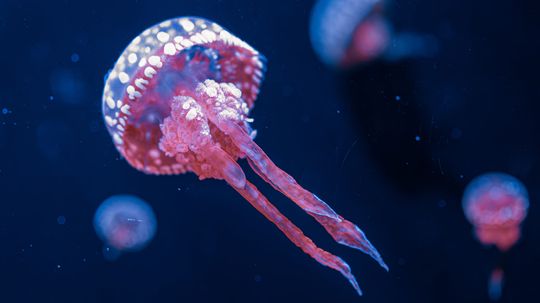
They have no brains, no bones, and no backstories. Yet somehow, jellyfish are among the ocean's most successful survivors. So, how do jellyfish eat? The answer is all about stings, tentacles, and some very sneaky arms.
By Nico Avelle
Advertisement
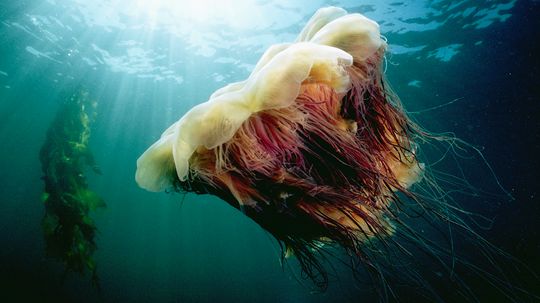
With its fiery tentacles and massive bell, the lion's mane jellyfish is one of the ocean's most striking creatures. Known scientifically as Cyanea capillata, this giant jellyfish haunts cold northern waters, including the North Pacific Ocean, North Sea, and Arctic.
By Nico Avelle
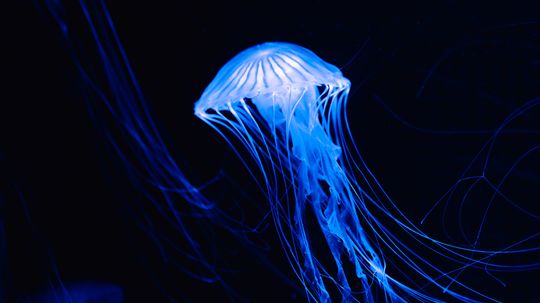
If you spot a splash of electric blue drifting along the shoreline, it's probably not a plastic bag. That pulsing blob is likely either a Portuguese man-of-war or a blue jellyfish, one of the most striking marine invertebrates you can find floating near beaches in the Northern Hemisphere (primarily in the North Atlantic region).
By Nico Avelle
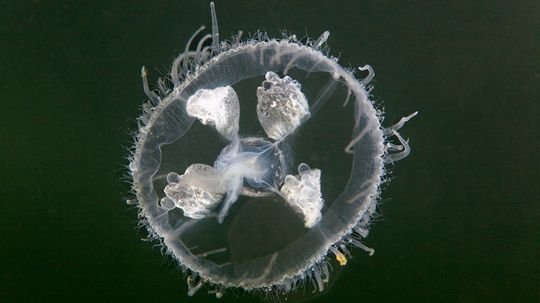
Freshwater jellyfish may sound like an oxymoron—because jellyfish live in the ocean, right? Not all of them. Craspedacusta sowerbii, also called the peach blossom jellyfish, thrives in rivers, lakes and even gravel pits.
By Nico Avelle
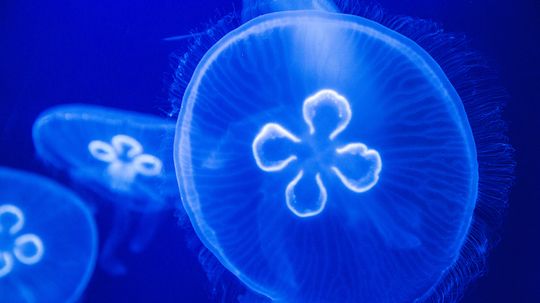
Moon jellyfish might look like ghostly saucers adrift in the blue, but they're more than just ocean ambiance. These translucent animals, known scientifically as Aurelia aurita, are part of a family of jellies that have lives perfectly tuned to drifting through the sea.
By Nico Avelle
Advertisement
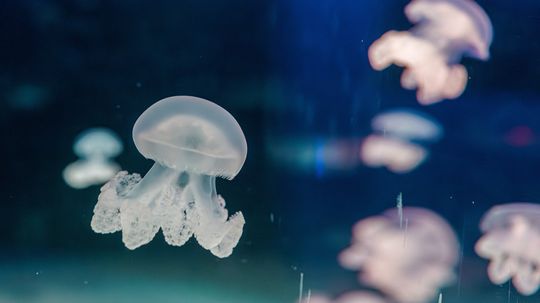
How do jellyfish reproduce? That depends on which jellyfish you mean.
By Nico Avelle
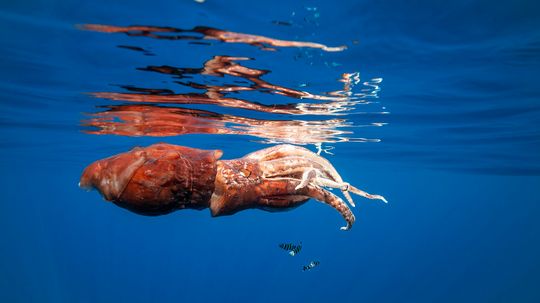
When you think of a showdown between deep-ocean giants, what comes to mind is probably the colossal squid vs. giant squid.
By Nico Avelle
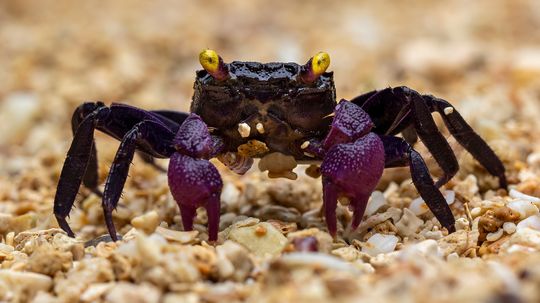
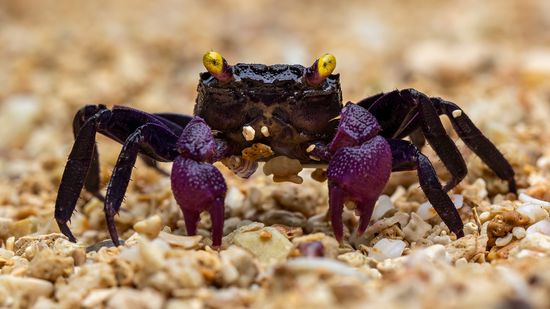
Vampire crabs might sound like horror flick creatures, but they’re actually one of the most striking pets you can keep in a paludarium.
By Nico Avelle
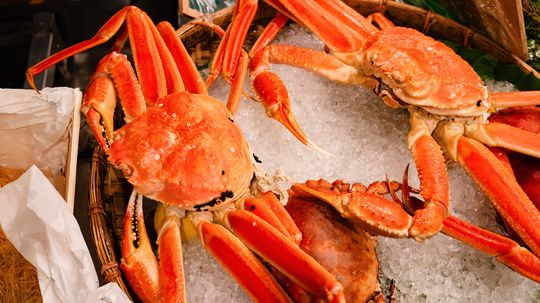
Snow crab is a seafood favorite known for its sweet, succulent meat and long, spindly legs. Found in the cold waters of the North Pacific and Bering Sea, snow crab is a top pick for crab lovers who enjoy cracking shells and dipping the tender meat in melted butter.
By Nico Avelle
Advertisement
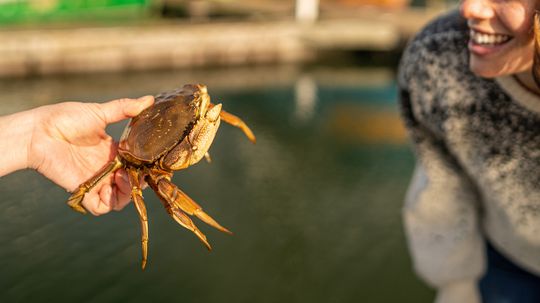
Dungeness crab (Metacarcinus magister) is more than just a seafood favorite; it’s a symbol of coastal culture from California to Alaska. This tasty crustacean is beloved for its sweet, tender crab meat and iconic crab legs.
By Nico Avelle
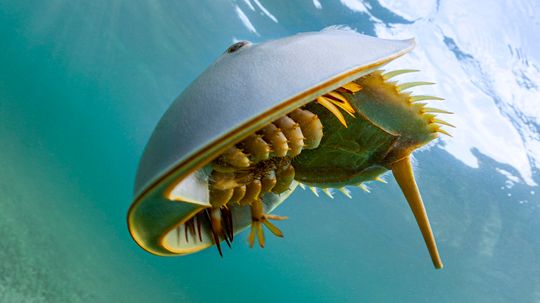
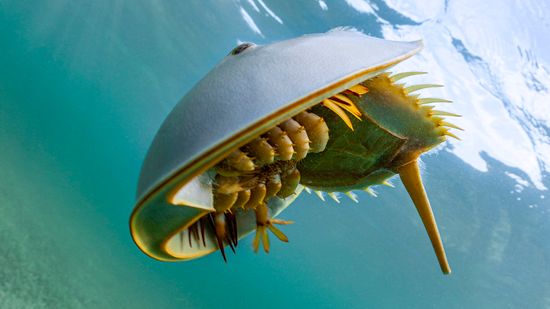
The horseshoe crab might look like a creature from another planet, but it’s a vital part of Earth’s marine ecosystems.
By Nico Avelle
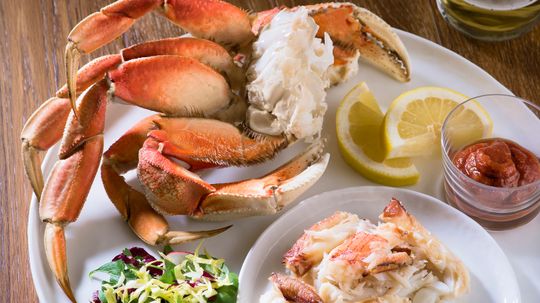
Seafood lovers, gather 'round! When it comes to crab on your plate, two heavy hitters often make a splash. That's why we're here to talk about Dungeness crab vs. snow crab.
By Nico Avelle
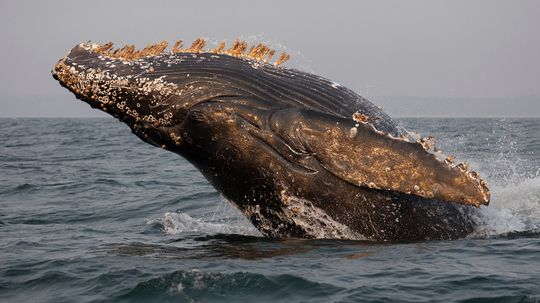
If you've ever seen images of baleen whales covered in little white bumps, you’ve probably wondered—what’s the deal with barnacles on whales? These crusty hitchhikers may look like pests, but they tell a fascinating story of marine life, symbiosis and survival.
By Nico Avelle
Advertisement
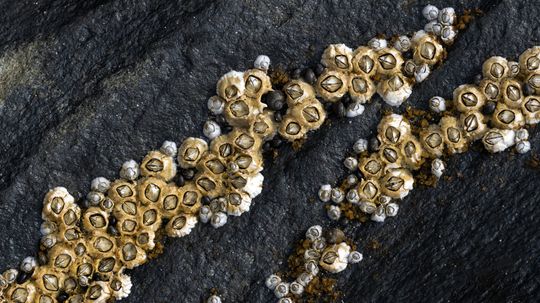
Ever notice those little crusty clumps stuck to rocks, boat hulls or even whales? Those are barnacles, and while they might not look like much, they're marvels of the natural world.
By Nico Avelle
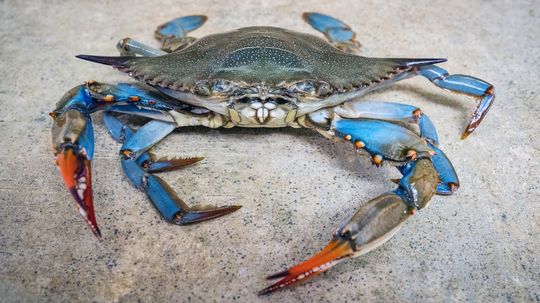
The blue crab is one of the most recognizable crustaceans in the coastal waters of the Atlantic and Gulf coasts. Found in the Chesapeake Bay, the blue crab plays a crucial role in marine science and fisheries.
By Zach Taras