
Marine Life
Marine life includes an incredible and vibrant array of wild animals that live in the ocean. From tiny phytoplankton to massive blue whales, marine life is a vital source of food, energy and life for the entire planet.
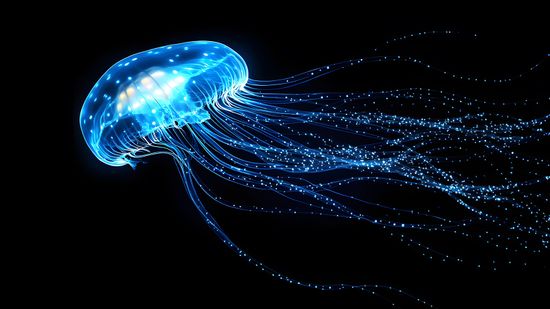
How Bioluminescent Jellyfish Get Their Signature Glow
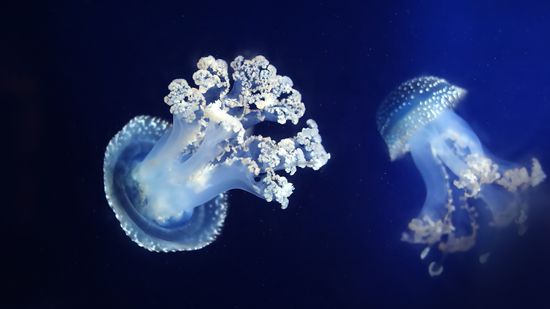
White Spotted Jellyfish: Cute Until They Become Invasive
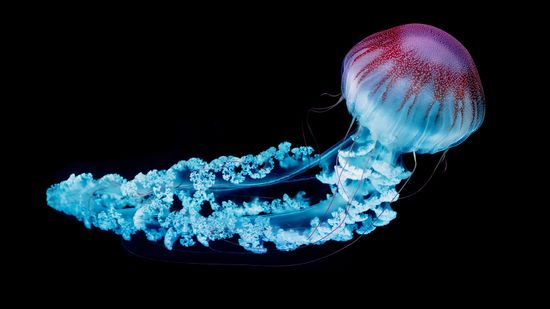
Deep Sea Jellyfish Have 30-foot-long Tentacles
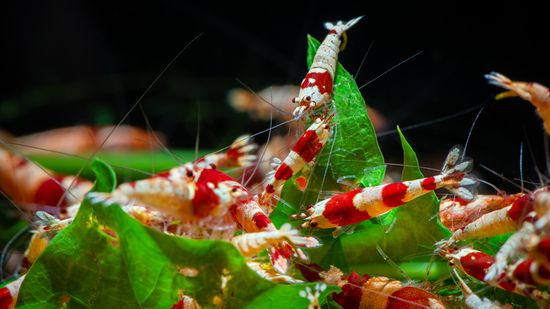
What Is a Group of Shrimp Called? (Hint: You'd Use the Term for Bugs)
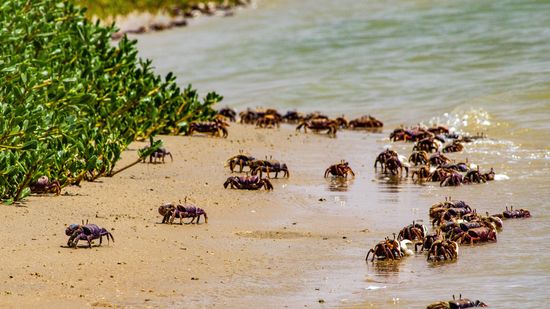
What Is a Group of Crabs Called? A Scuttle, a Clamor, a Cast?
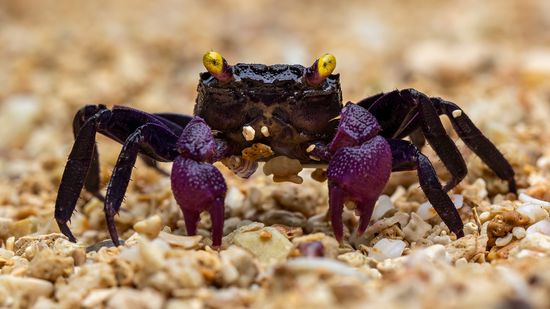
Vampire Crab: More Cartoonish Than Blood-sucking
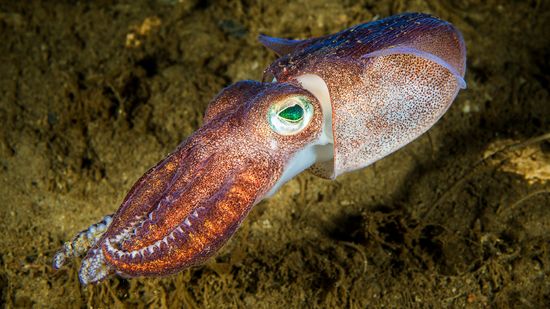
What Is a Group of Squid Called? Not a Squad, Unfortunately
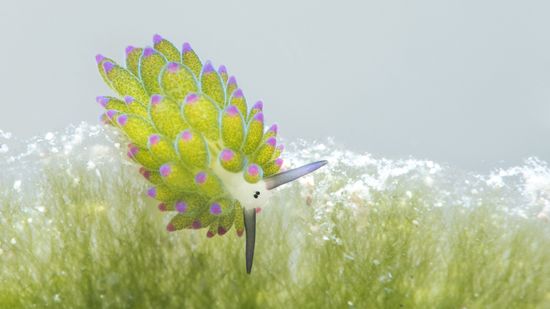
No, the Leaf Sheep Sea Slug Is Not an AI Hallucination
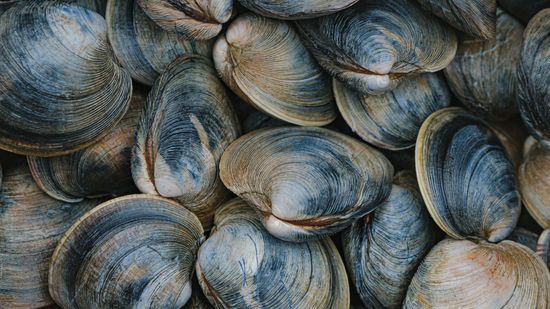
An Ocean Quahog Shows Its Age Like Rings on a Tree

Colossal Squid vs. Giant Squid: There's a Massive Difference
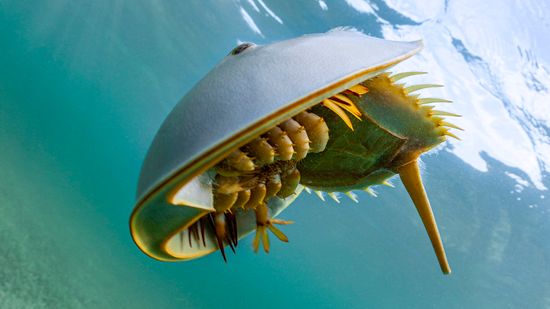
Horseshoe Crab Looks Like an Alien, If We're Being Honest
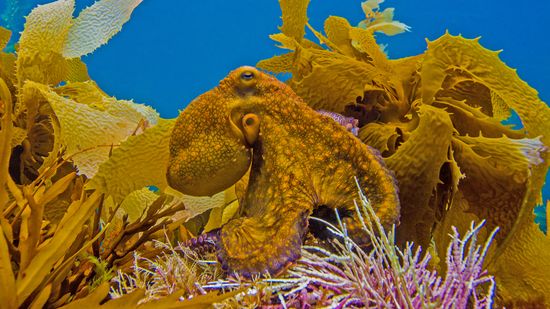
There Are 300 Types of Octopus Species, Some With Internal Shells
Learn More / Page 4
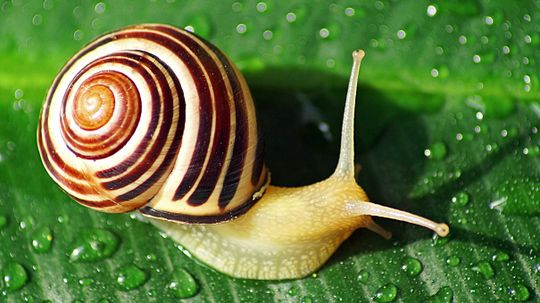
Snails can't pick and choose their shells like hermit crabs can. In fact, eviction means death. So how do those hard shells form over snails?
By Mark Mancini
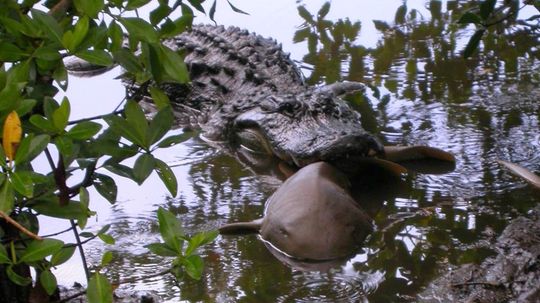
Crocodiles are known to eat just about anything. But sharks? A scientific team found evidence that they've chowed down on those predators too.
By Mark Mancini
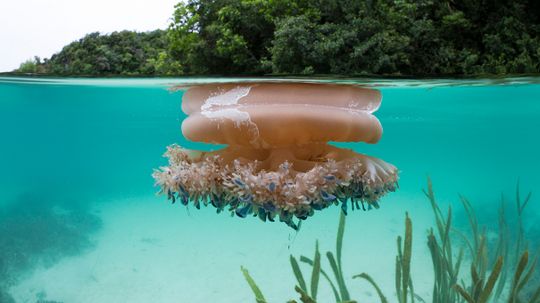
Don't think you have much in common with a jellyfish? What researchers just discovered may surprise you.
Advertisement
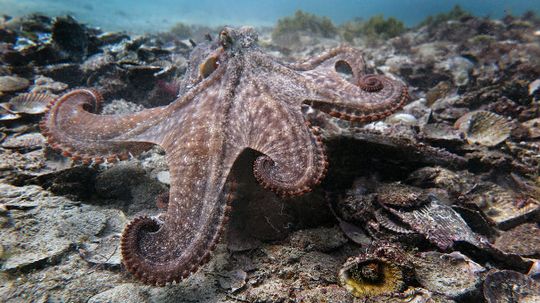
Researchers discover site of 15 gloomy octopus, a species that has previously been known for being reclusive.
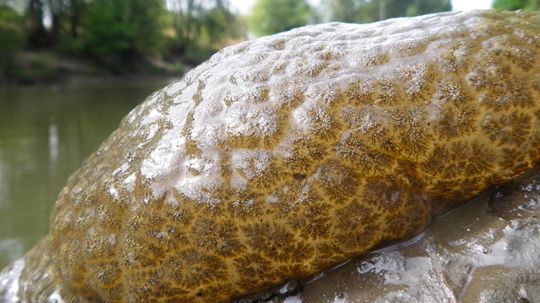
The magnificent bryozoan is a colonial organism that lives in warm ponds and lakes usually east of the Mississippi River. So what's it doing in western Canada?
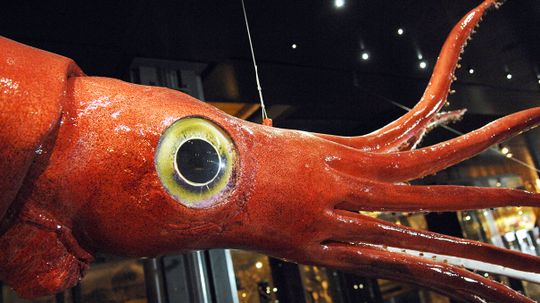
How giant squid process visual information has long been a mystery, but a new study finds their visual processing is surprisingly uncomplicated.
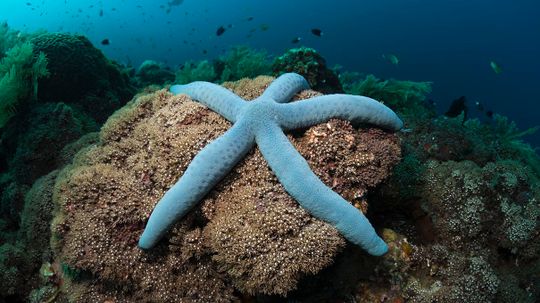
It's not easy being a starfish larva. Fortunately, the tiny creatures have an efficient way to get food and swim away.
By Alia Hoyt
Advertisement
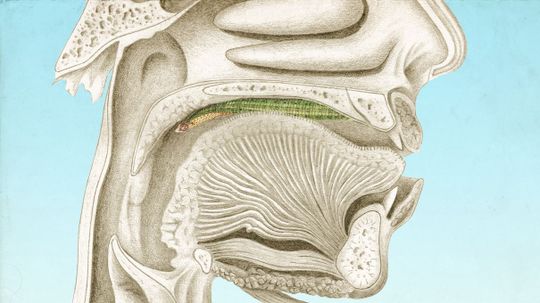
It sounds crazy, but it's happened before, and it'll probably happen again.
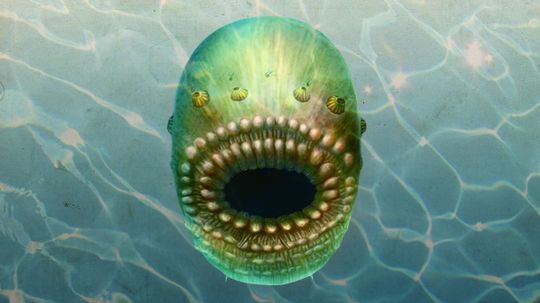
New fossil analysis details a microscopic organism from 540 million years ago that just might be a precursor to every vertebrate on the planet.
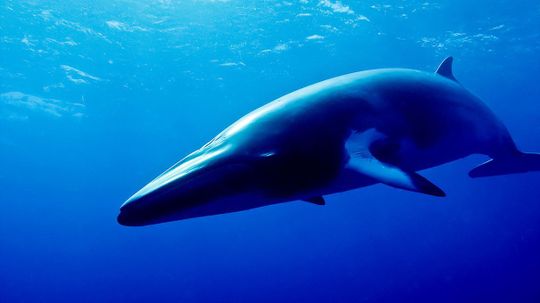
Turns out that strange sound may be minke whales getting vocal in the deep ocean.
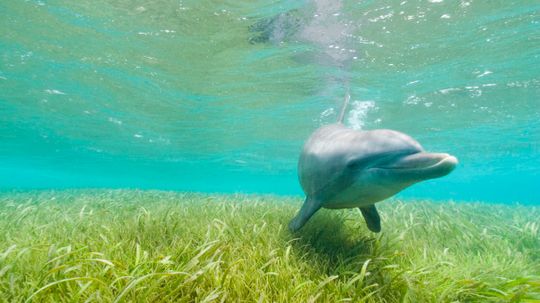
Scientists have discovered for the first time that animals pollinate flowers in the ocean.
By Alia Hoyt
Advertisement
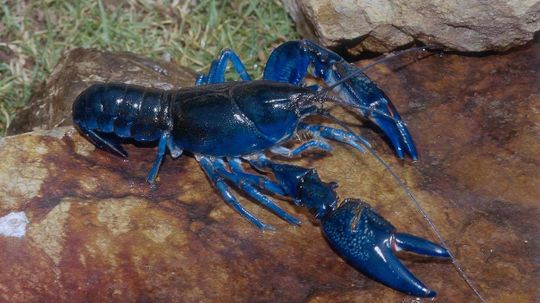
A Massachusetts fisherman recently caught a blue lobster, which had us wondering how rare this crustacean really is.
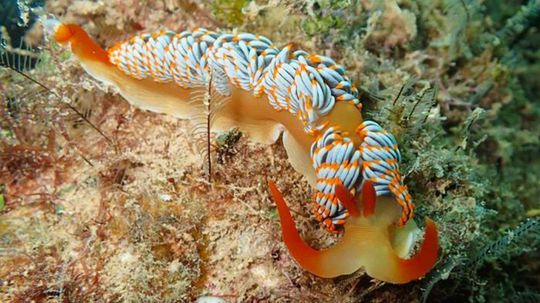
Western Australia Museum is hosting a naming contest for this fascinating new nudibranch species.
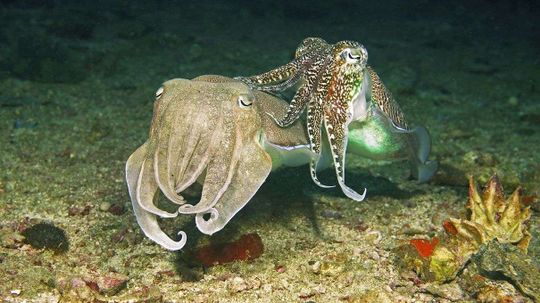
Scientists until recently believed Octopuses & Co. were colorblind. If that were the case, how could the animals create such vivid physical color displays?
Advertisement
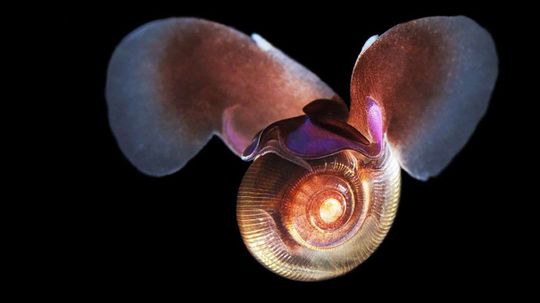
The sea butterfly snail moves in Arctic waters in the same way as fruit flies through tropical air. This case of convergent evolution was uncovered by a new study.
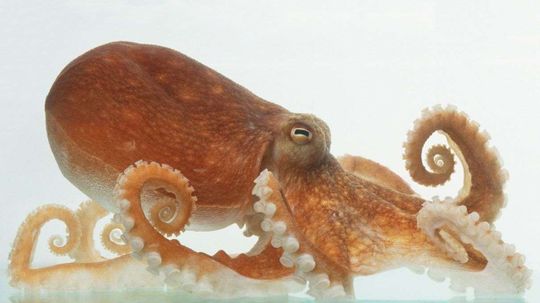
Whether they're busting open a child-proof medicine bottle or prying apart Mr. Potato Head, octopuses have some crazy brains. Actually, they have nine of them.
By Julia Layton
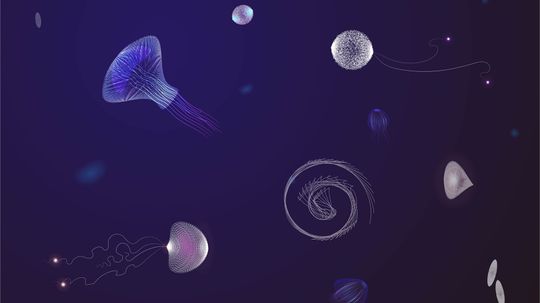
The Mariana Trench is the deepest place on Earth, and we're still in the dark about much of the life that calls it home. Here are just a few of the trench's eye-popping residents.
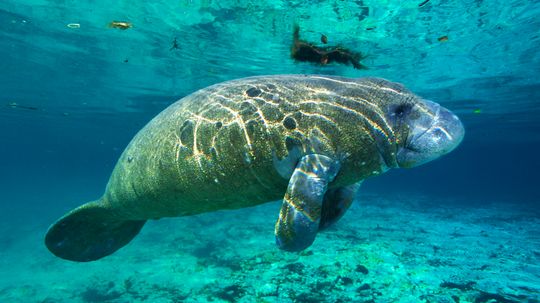
Beautiful, graceful, majestic: Such highfalutin words might seem befitting of a mermaid, but a manatee? Perhaps our humble friends deserve a bit more credit. After all, they are known to stoke the imagination of a lonely seafarer or two.
Advertisement
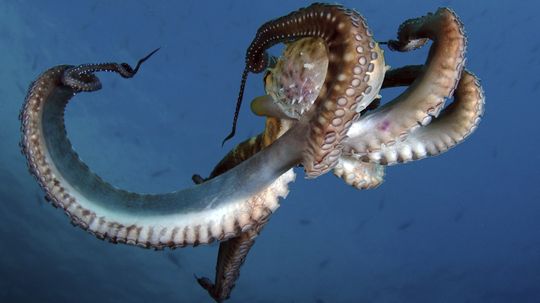
Unless you've butchered an octopus, you might assume that it's as red-blooded as you are. And you'd be wrong. Why are octopuses the original blue bloods?
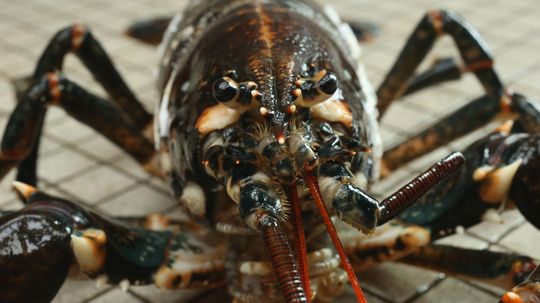
Do you think much about the lobster before you crack it open and dip it in butter? These humble animals have some very odd habits. For one thing, they pee out of their faces.
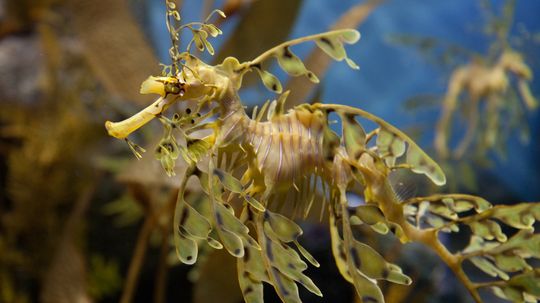
Ah, the secrets of the sea. In this gallery, we'll introduce you to some of the more enigmatic animals that drift in the ocean, swim in the sea or shoot their intestines out of their anus in saltwater. Jump in.
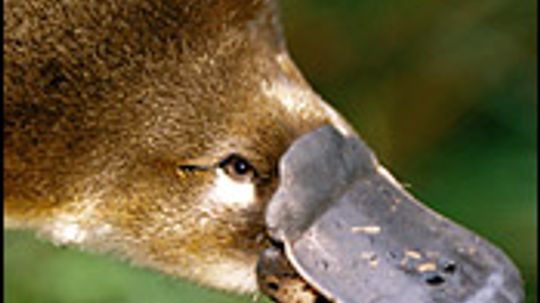
The duckplatypus is an amazing animal. Learn about the duckplatypus.
Advertisement
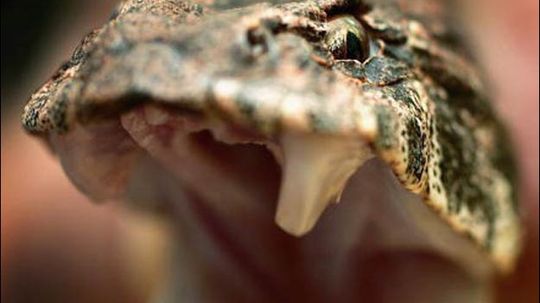
The death adder is native to Australia, New Guina and nearby islands. This relatively short, stocky snake has a triangular head, tapering tail and long fangs, the longest of any Australian snake.
A friend of mine gave me a package of Sea Monkeys as a gag gift for my birthday. I grew them, and they look nothing like the package but they really are alive! What are these things?