
Arachnids
Arachnids have four pairs of jointed legs, two body sections and simple eyes. Arachnids are aggressive predators and include spiders, scorpions, mites and ticks.
Learn More
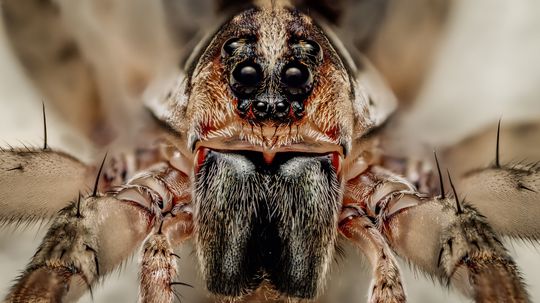
Spiders live in nearly every environment on Earth, from forests and wetlands to deserts and homes shared with humans. People often ask "what is a group of spiders called" because spotting many spiders together feels out of step with how these animals usually behave.
By Nico Avelle
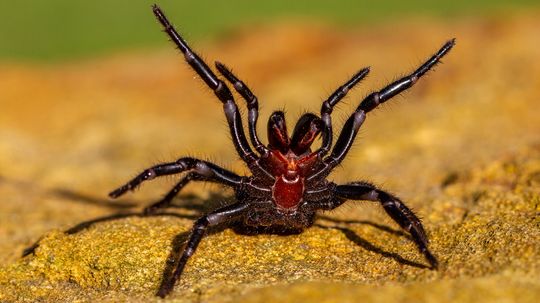
If you think you've seen a funnel-web spider before, think again. The Newcastle funnel-web isn't just a bigger version of the spiders you've heard about from Sydney. It's Atrax christenseni, a newly identified species that's separate from the classic Sydney funnel-web spider, Atrax robustus.
By Nico Avelle
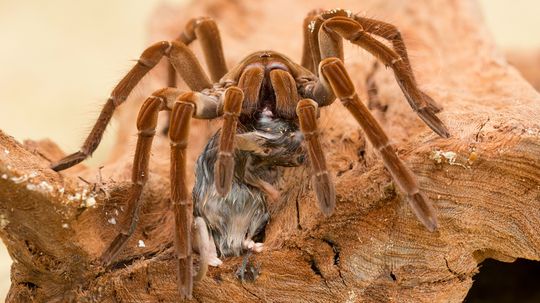
In the dense rainforests of northeastern South America, a giant lurks beneath banana leaves and within deep burrows. Meet the goliath birdeater, the largest tarantula species on Earth. This spider is so big, it can span the size of a dinner plate, making it the undisputed heavyweight of the arachnid world.
By Nico Avelle
Advertisement
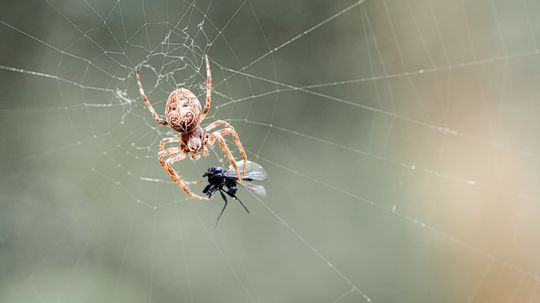
Many people are scared of spiders. But spiders help us keep pests under control by feeding on other insects that might spread diseases or attack our gardens.
By Ada Tseng
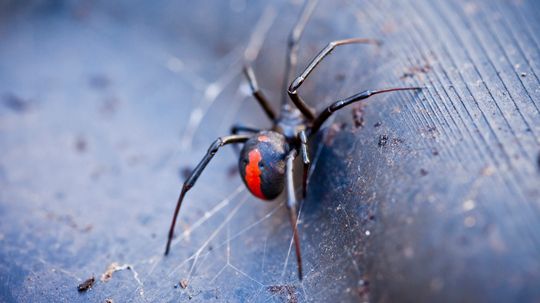
The redback spider (Latrodectus hasselti) is one of Australia's most iconic arachnids. It's a member of the widow spider family, closely related to the black widow spider. They're famous for their distinctive red markings and potent venom.
By Ada Tseng
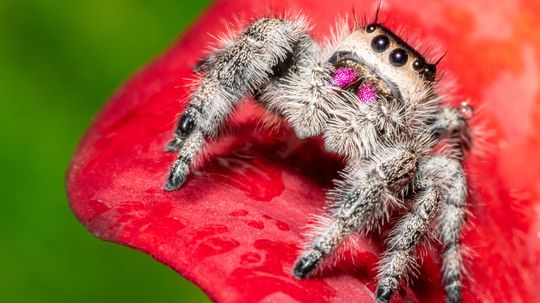
The regal jumping spider (Phidippus regius) is a fuzzy spider that's named for its incredible jumping ability and vivid colors. They have four forward-facing eyes, giving them better vision than other spiders.
By Ada Tseng
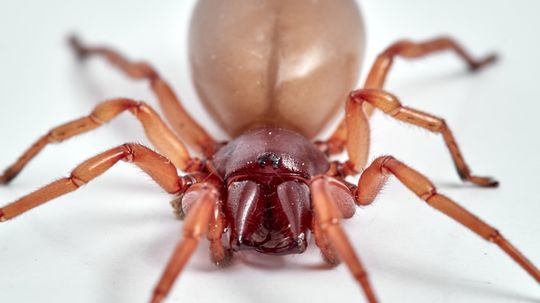
Let's talk about the woodlouse spider, an arachnid with a unique hunting style and impressive jaws. Known scientifically as Dysdera crocata, this spider has a special knack for preying on woodlice, making it an unusually dominant predator in its ecosystem.
By Mack Hayden
Advertisement
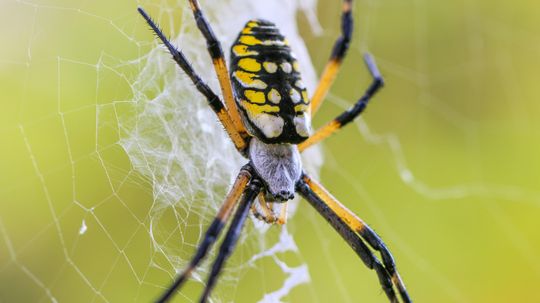
Let's talk about one of the most misunderstood arachnids in your backyard: the garden spider. Known for their intricate webs and striking colors, these arachnids are some of the most beneficial spiders around, keeping insect populations under control.
By Mack Hayden
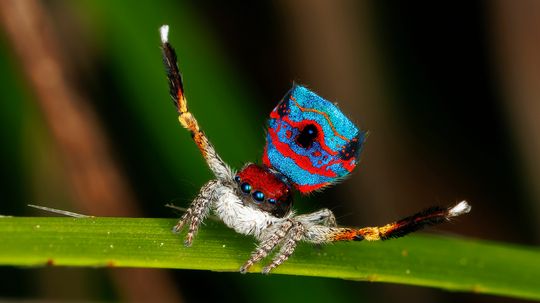
The sparklemuffin peacock spider (Maratus jactatus) is a tiny spider that lives up to its vivacious name. This dazzling arachnid was given its moniker in 2015 by UC Berkeley PhD student Maddie Girard after they were discovered in Wondul Range National Park in southern Queensland, Australia.
By Ada Tseng
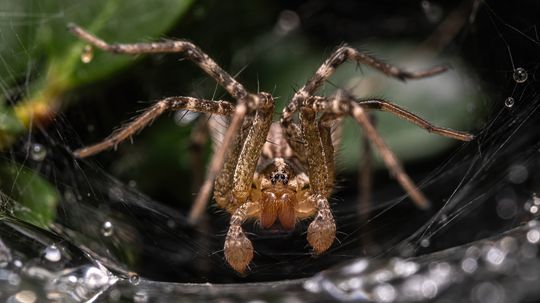
The grass spider is one of of the most common critters you'll find in your backyard. Part of the Agelenopsis genus, these arachnids are masters at building funnel-shaped webs in dense vegetation and brush piles, where they lie in wait for prey.
By Talon Homer
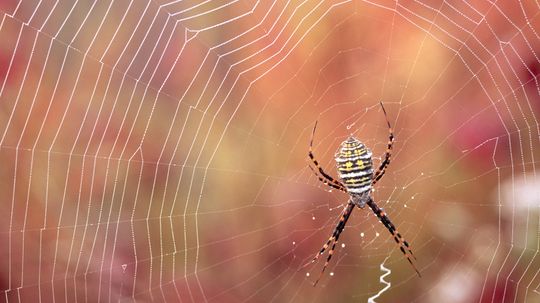
Let's talk about the orb weaver spider, an arachnid renowned for its beautiful, circular webs. Found in gardens, forests and backyards around the world, orb weavers are some of the most common spiders and play a vital role in controlling insect populations.
By Zach Taras
Advertisement
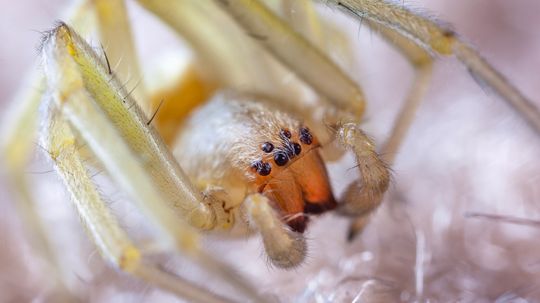
The yellow sac spider is one of the most common spiders humans encounter, as they're often wandering indoors or hanging out in gardens. Scientists also believe they account for more human insect bites than any other spider.
By Ada Tseng
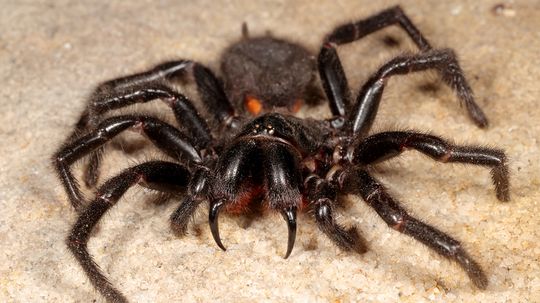
Let's talk about the funnel web spider, one of the most notorious arachnids in the world. Known for their fast-acting venom, funnel web spiders are both fascinating and intimidating.
By Zach Taras
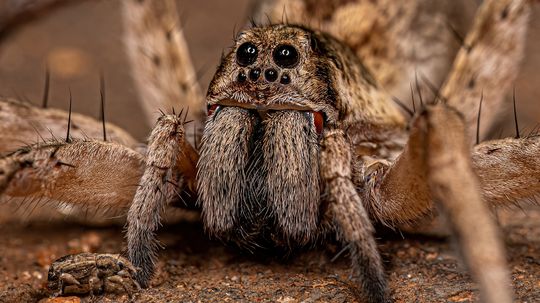
The wolf spider is one of the most impressive hunters in the arachnid family. Known for their speed, excellent vision and fascinating parenting habits, these spiders are a critical part of ecosystems around the world.
By Zach Taras
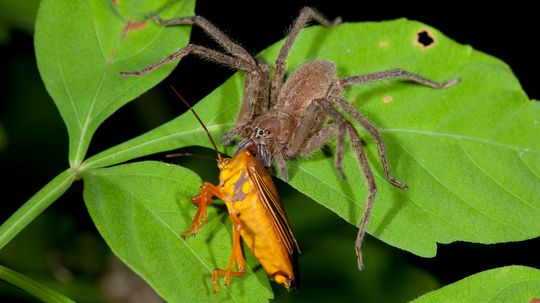
The huntsman spider is one of the fastest and most agile arachnids on the planet. The species is often confused with tarantulas because of the hairy bodies, but their distinguishing trait is their long, angular, crab-like legs that help them move forward and sideways quickly.
By Ada Tseng
Advertisement
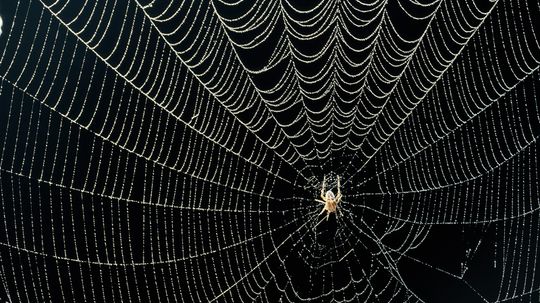
A spider web is much more than meets the eye. These intricate structures, created entirely from silk, allow spiders to capture prey, build shelter and even communicate. Spider webs are shockingly durable, made with materials that, gram for gram, are stronger than steel!
By Zach Taras
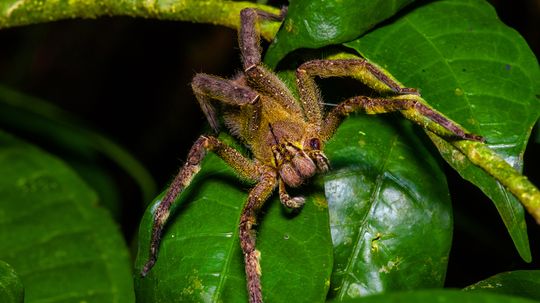
If you're not a big fan of spiders, brace yourself, because the Brazilian wandering spider we're about to go into a lot of detail about one of the most dangerous spiders on the planet. With a venom that can cause intense pain and even some serious medical conditions, it's no wonder people give these critters a wide berth.
By Zach Taras
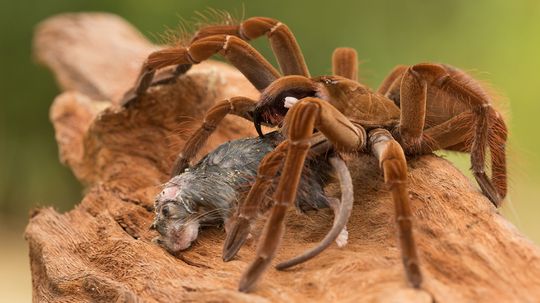
While they may incite fear due to their impressive dimensions, these spiders play crucial roles in their ecosystems and have become subjects of significant scientific interest and study.
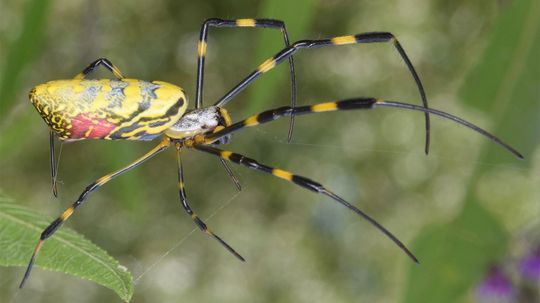
Native to East Asia, the Joro spider has adapted to life in the southern U.S. and, as far as we know, is a beneficial addition to the ecosystem.
Advertisement
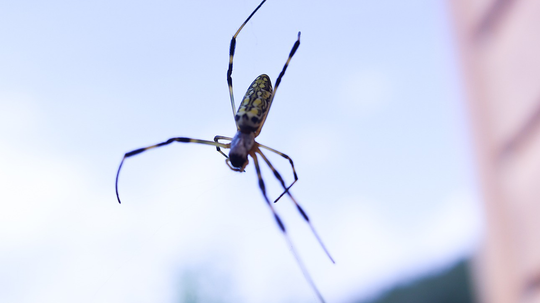
Spiders don't have wings, so technically can't fly. But some arachnids can soar through the air with the greatest of ease.
By Mark Mancini & Talon Homer
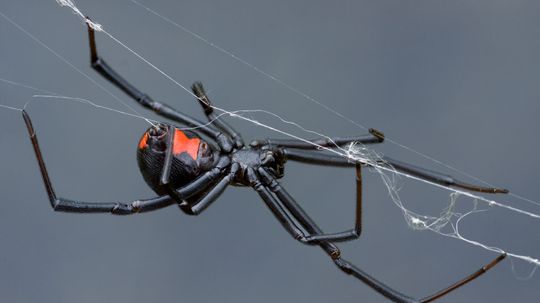
Black widow spider venom can be deadly but how likely are you to be bitten? It might surprise you that these arachnids are on the shy side.
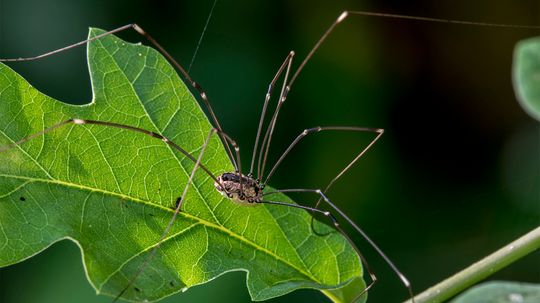
That's right - daddy longlegs isn't an actual kind of spider, but a colloquial name that's been applied to a wide range of spiders and non-spiders, insects and non-insects.
By Mark Mancini
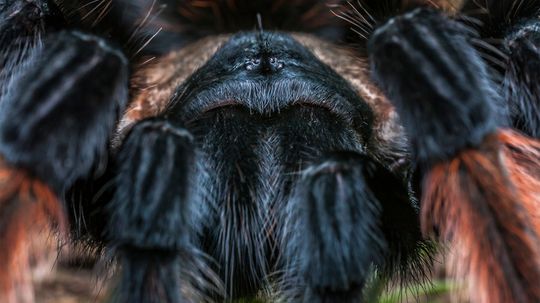
Tarantulas are the largest spiders in the world and, believe it or not, some can live for up to 30 years.
Advertisement

Ninety percent of brown recluse bites don't have any effect at all - but the mythology around these creatures and their bites is legendary.
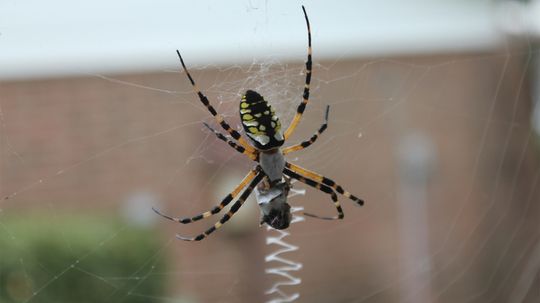
Is the "banana spider" you're looking at the one that sits around harmlessly catching flies, or could its bite kill a small child? If we rely solely on common names, this question is complicated.