
Endangered Species
Endangered species are animal popluations that are at risk of extinction. Natural extinctions do occur, but human beings play an integral role in animal extinction and preservation.

10 Best Animals to Keep as Pets

10 Biggest Cat Breeds to (Lovingly) Shed All Over Your Home
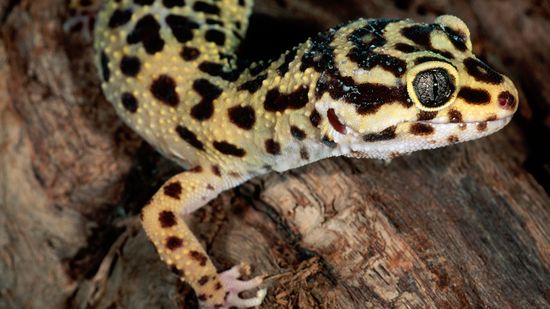
6 Best Lizard Pets for Your Home
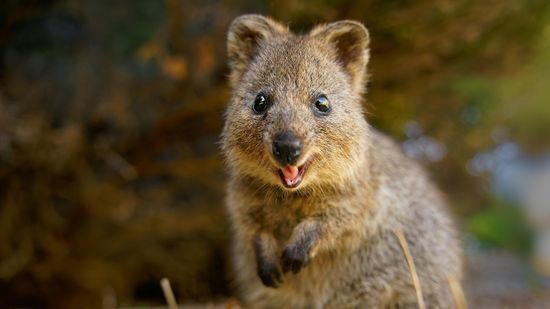
The Happiest Animal on Earth Is the Quokka

How the Spider-tailed Horned Viper Tricks Unsuspecting Prey

The Biggest Fish Ever Caught (By IGFA Standards)

25 Animals That Start With 'N'

Sampson, aka Mammoth: The Biggest Horse Ever

What Is the Longest Living Animal? From Tortoises to Whales
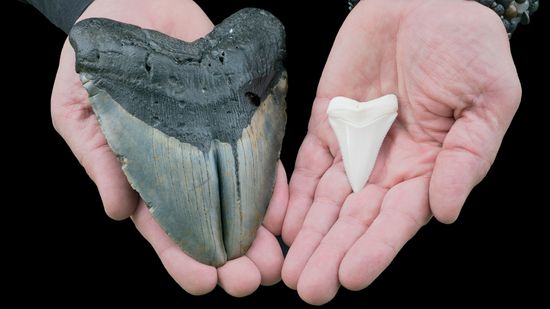
All About the Megalodon, Shark Giant of Prehistoric Times
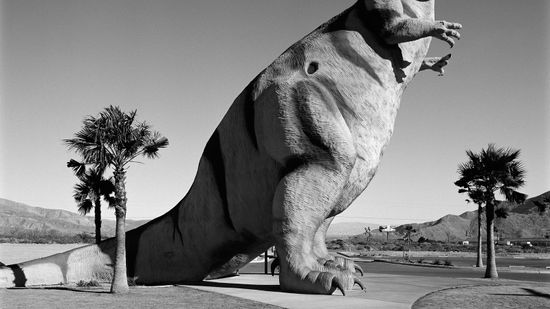
What Was the Biggest Dinosaur? Here Are the 4 Best Estimates

Meet Palaeophis Colossaeus, the Largest Sea Snake of All Time
Learn More
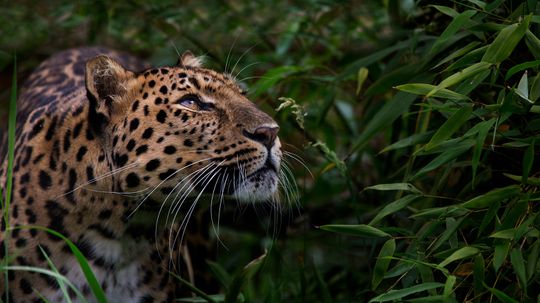
The Amur leopard might be the rarest big cat in the world. Found in just a small swath of land where Russia, China and North Korea meet, the Amur leopard is famously secretive, which is how it stalks its prey and protects itself from poachers.
By Sascha Bos
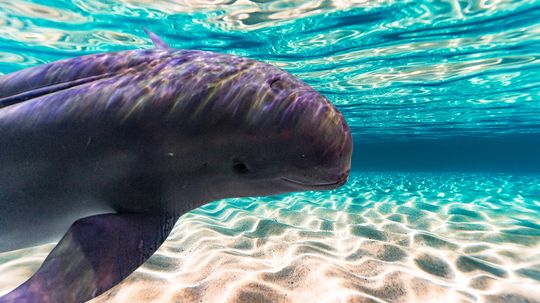
The Yangtze River, known as the longest river in Asia, is not only a vital waterway but also a critical habitat for various species. One such species is the Yangtze finless porpoise, the world's one and only species of freshwater porpoise.
By Nicole Antonio & Sascha Bos
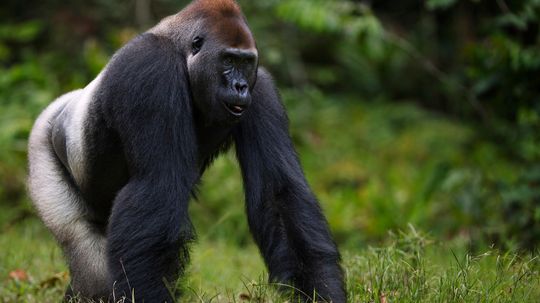
The western lowland gorilla (Gorilla gorilla gorilla) is fortunate enough to boast the highest population numbers of all gorilla subspecies, but they are still considered endangered. They can be found in various countries in Western Africa, including Cameroon, the Central African Republic, the Democratic Republic of the Congo, Equatorial Guinea, Gabon, Angola and the Republic of the Congo.
By Nicole Antonio & Sascha Bos
Advertisement
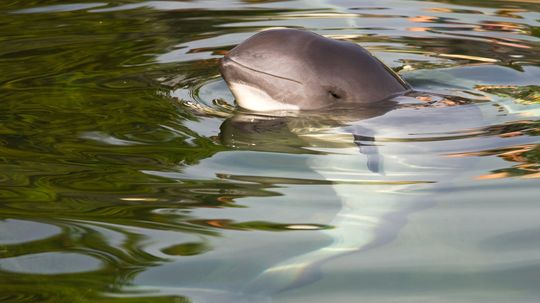
The vaquita is the most endangered marine mammal in the world. Abundance estimates place the total vaquita population at about 10 individuals.
By Sascha Bos
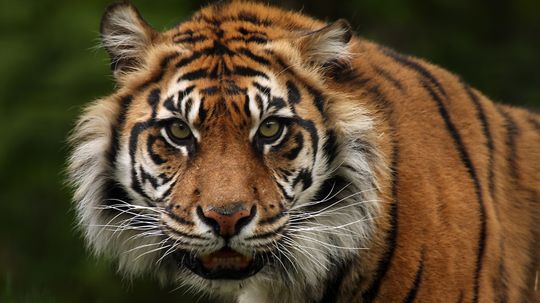
The Sunda tiger, also known as the Sumatran tiger (Panthera tigris sumatrae), is a striking species that can be found on Sumatra, an island in Indonesia. This tiger subspecies is the smallest among all living tiger species and is uniquely adapted to its tropical rainforest habitat.
By Nicole Antonio & Sascha Bos
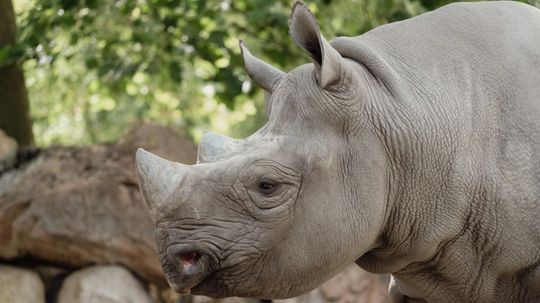
The Sumatran rhino is the oldest rhino species alive today, but it may not be around much longer. According to the International Union for Conservation of Nature, there is a 90 percent chance the remaining Sumatran rhino populations will become extinct within the next 60 years.
By Sascha Bos
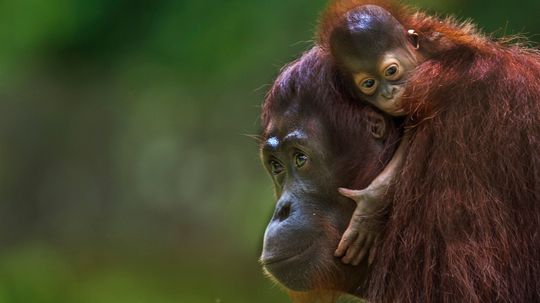
The Sumatran orangutan, scientifically named Pongo abelii, inhabits the lush rainforests of Sumatra. These arboreal primates, known as "persons of the forest" in Malay, are highly intelligent and share close genetic ties with humans.
By Nicole Antonio & Sascha Bos
Advertisement
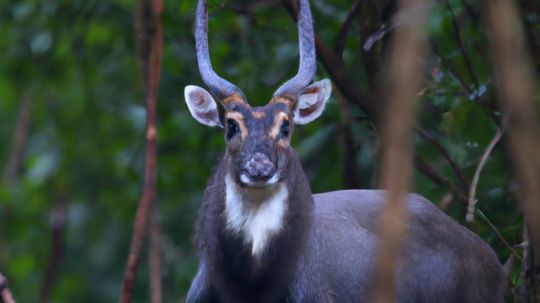
The saola, also known as the Asian unicorn, is one of the rarest animals in the world. Not only is it critically endangered, but the saola is famously secretive; very little is known about it. There are no saola in captivity and the last categorically documented saola sighting was in 2013.
By Sascha Bos
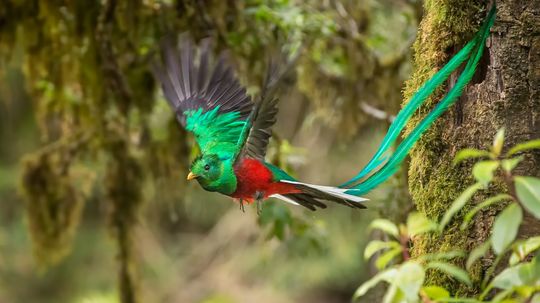
The quetzal is a colorful, tropical bird that has fascinated humans for thousands of years. One species in particular, the resplendent quetzal, is thought to have inspired Quetzalcoatl" target="_blank">Quetzalcóatl, the Mesoamerican feathered serpent god.
By Sascha Bos
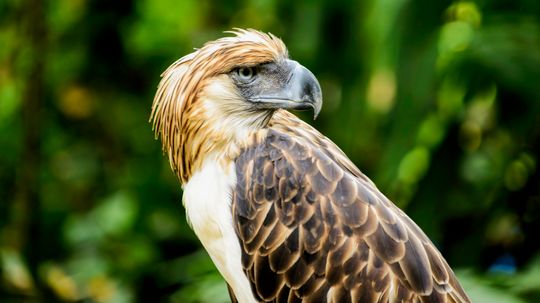
The Philippine eagle is one of the rarest birds and largest eagles in the world. These animals may be top predators, but they are critically endangered due to habitat loss.
By Sascha Bos
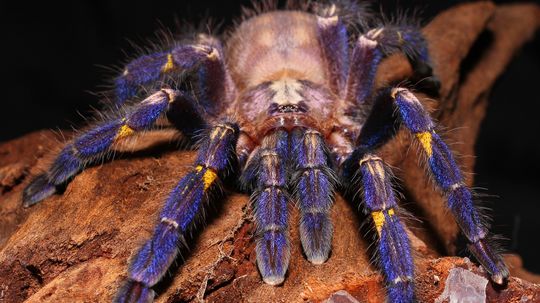
The Gooty sapphire tarantula, also known as the peacock tarantula (Poecilotheria metallica), has captivated arachnid enthusiasts and researchers alike. Peacock tarantulas are renowned for their vibrant blue hair, which sets them apart from other species in the genus Poecilotheria.
By Nicole Antonio & Sascha Bos
Advertisement
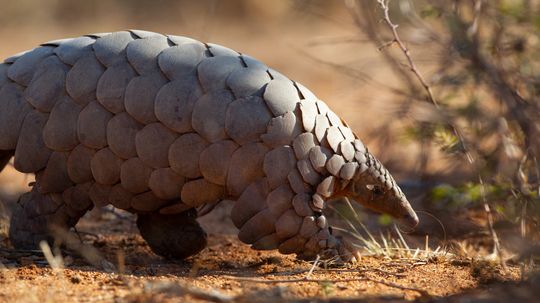
This "scaly anteater" is one of the most trafficked mammals in the world. Learn more about the pangolin, from its diet to illegal trade and what's being done to protect pangolin species today.
By Sascha Bos
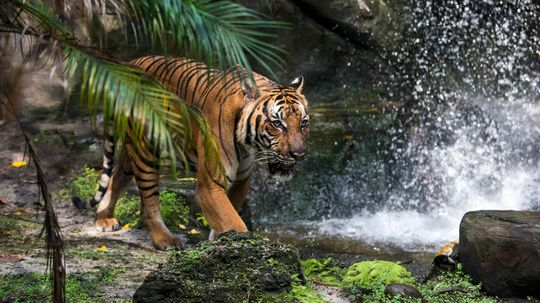
The Malayan tiger, scientifically known as Panthera tigris jacksoni, is a critically endangered tiger subspecies native to the Malay Peninsula (particularly the southern and central regions). With a population estimated to include fewer than 150 individuals, the these wild tigers of Southeast Asia are on the brink of extinction.
By Nicole Antonio & Sascha Bos
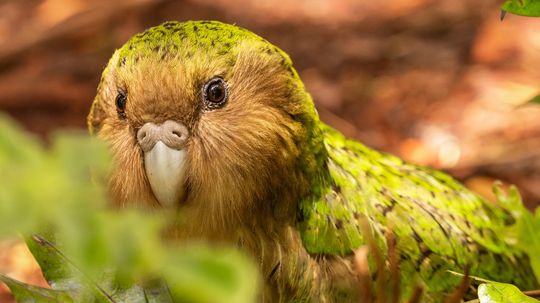
The kākāpō (Strigops habroptilus) is a large flightless bird from New Zealand. Also known as the owl parrot and the night parrot, it has an owl-like face but isn't an owl at all; it's a flightless parrot.
By Sascha Bos
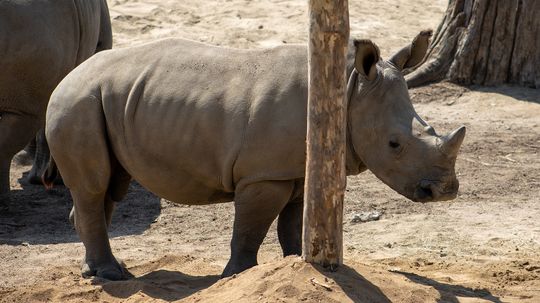
The Javan rhino is found in just one place on Earth, at least in the wild: Ujung Kulon National Park in Java, Indonesia. Once abundant, it is now the rarest rhino and one of the rarest mammals in the world.
By Sascha Bos
Advertisement
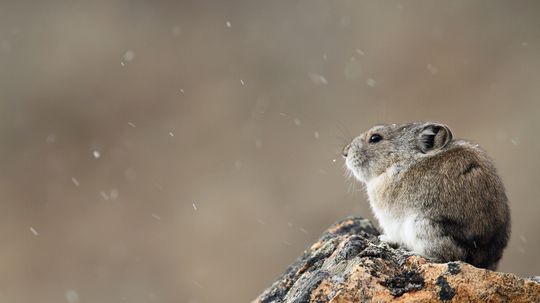
Imagine a creature that combines the cuteness of a teddy bear with the charm of a rabbit, all wrapped up in the size of a terrier. Meet the Ili pika (Ochotona iliensis), a rare animal that has made its home in the Tian Shan mountains of northwestern China.
By Nicole Antonio & Sascha Bos
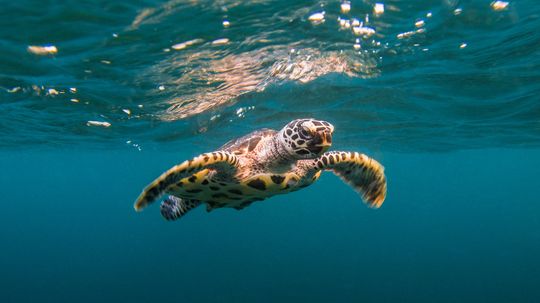
The hawksbill turtle is one of the world's rarest and most unique sea turtle species. Its rarity is due to centuries of poaching for its magnificent patterned shell.
By Sascha Bos
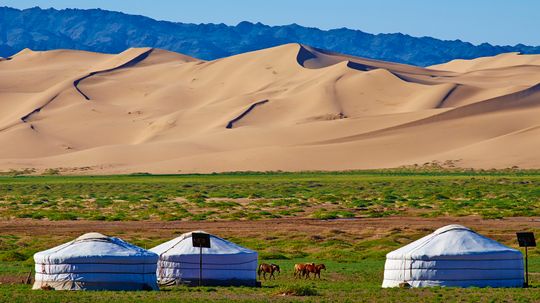
The Gobi bear, scientifically known as Ursus arctos gobiensis, is a brown bear subspecies found exclusively in Mongolia's Gobi Desert. Also referred to as the Mazaalai in Mongolian, this unique bear is categorized as "critically endangered" by the International Union for Conservation of Nature (IUCN) Bear Specialist Group the Mongolian Red Book of threatened species.
By Nicole Antonio & Sascha Bos
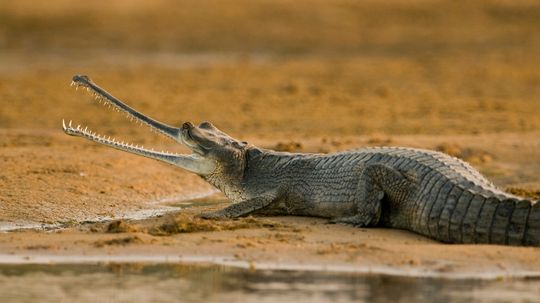
The gharial is one of the rarest and most unusual-looking crocodilian species on the planet. Learn more about this unique species and discover what conservation groups are doing to protect gharial populations.
By Sascha Bos
Advertisement
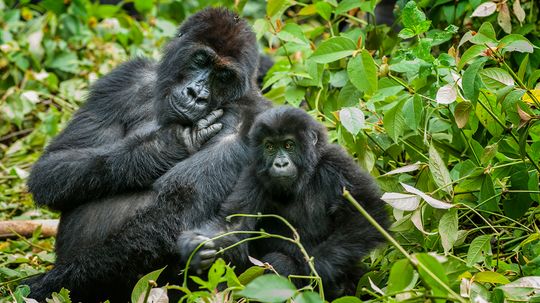
The Eastern lowland gorilla, scientifically known as Gorilla beringei graueri, is a subspecies of eastern gorilla that inhabits the lush tropical rainforests of the eastern Democratic Republic of the Congo (DRC).
By Nicole Antonio & Sascha Bos
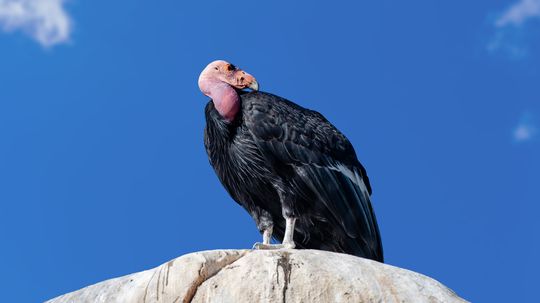
The California condor has an amazing conservation story, but it's still under threat. Learn more about this uniquely North American bird.
By Sascha Bos
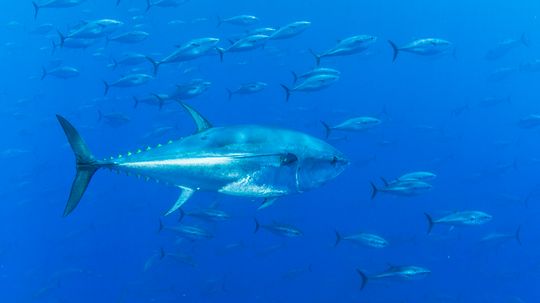
You may have heard of bluefin tuna as a premium sushi ingredient. It's also at risk of extinction due to overfishing.
By Sascha Bos
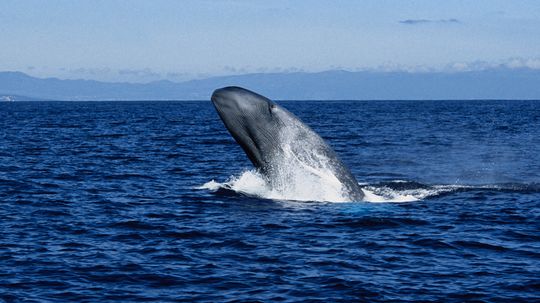
Blue whales are the largest animals in the world. Despite their large size, blue whales manage to be fairly elusive, so there's a lot about them we don't know yet.
By Sascha Bos
Advertisement
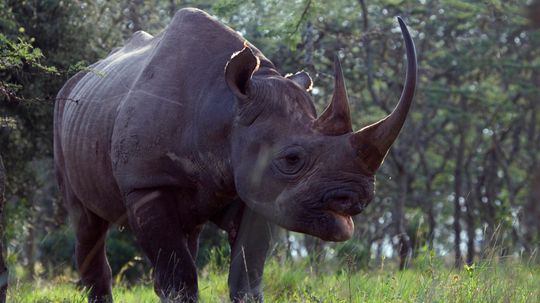
The black rhino is one of the rarest animals on the African continent — but it wasn't always. At the beginning of the 20th century, there may have been a million black rhinos across Africa.
By Sascha Bos
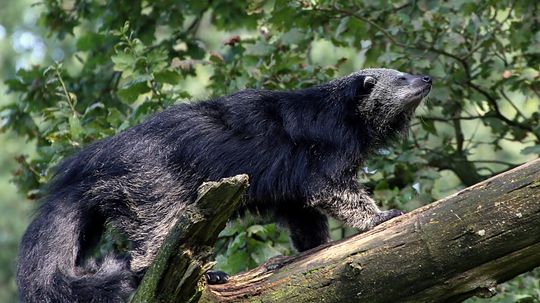
Neither a bear nor a cat, the Southeast Asian bearcat is actually a viverrid (family Viverridae). Its closest relatives are other small carnivorous mammals like civets.
By Sascha Bos