
Insects
While there are a million different types of insects, all have a hard exoskeleton which is segmented into three parts. In fact the word "insect" is derived from the Latin meaning segmented.
Learn More
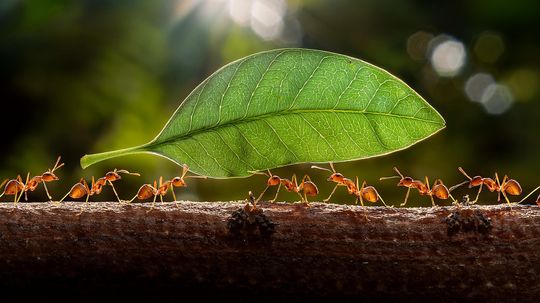
You wake up to find a bunch of ants moving like a tiny, six-legged army across your kitchen counter? You pick up the phone to call an exterminator, and while on hold you ask yourself, what is a group of ants called?
By Nico Avelle
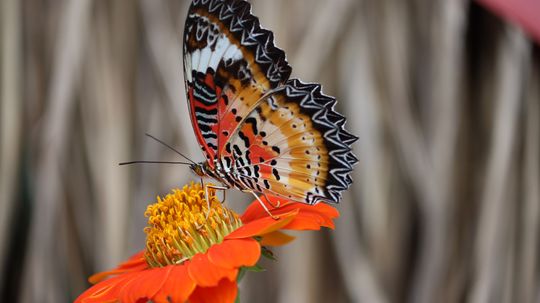
Bright, bold, and impossible to miss, red butterfly species are more than eye candy. It's a colorful member of the insect world with a variety of species fluttering across continents.
By Nico Avelle
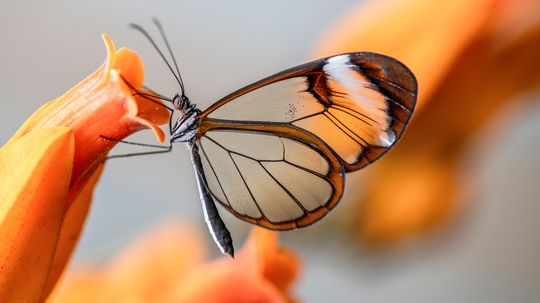
At first glance, it might seem like something's missing. The glasswing butterfly (Greta oto) gets its common name from its transparent wings, which can make it almost invisible in flight.
By Nico Avelle
Advertisement
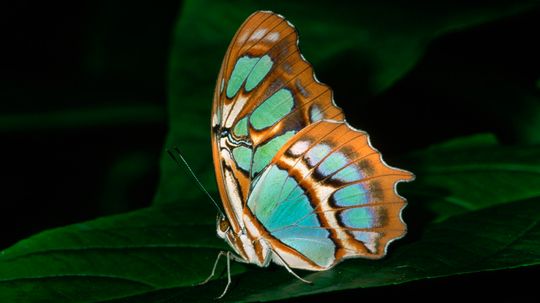
When you think of butterflies, bold oranges or deep blues might come to mind. But some of the most striking species sport a different palette. A green butterfly turns heads with hues that blend into leaves, grass, and stems—perfect camouflage with a flash of surprise.
By Nico Avelle
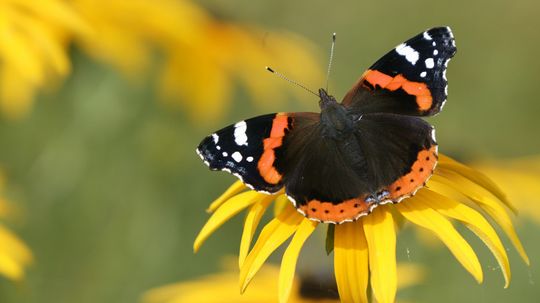
If you've ever taken a springtime stroll through a park or garden, you might have seen a fast, darting flash of orange and black zip past your face. That bold little flier is likely the red admiral butterfly, a widespread member of the Vanessa genus.
By Nico Avelle
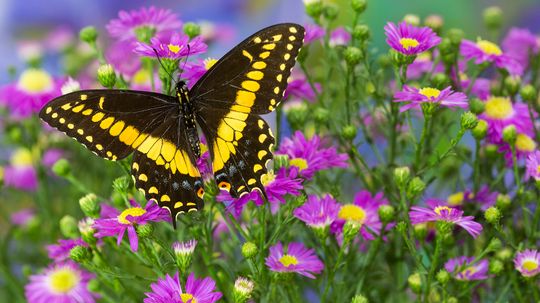
If you've spotted a yellow and black butterfly flitting through your garden or the woods, you may have encountered one of several striking species common across North America.
By Nico Avelle
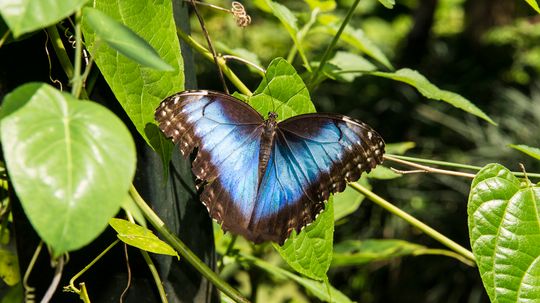
When people think of the tropics, they often imagine lush green forests, towering trees and flashes of color flitting between the leaves. One of the most iconic and dazzling sights in this landscape is the morpho butterfly, especially the brilliant blue morpho.
By Nico Avelle
Advertisement
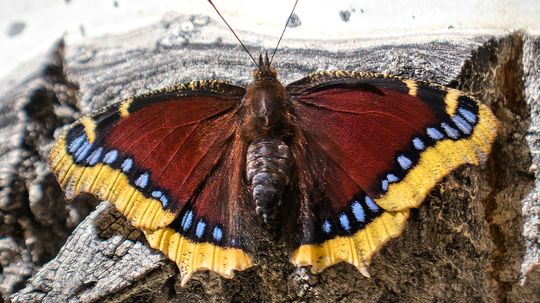
The mourning cloak butterfly might not win any contests for flashiest insect, but this species breaks the mold in some surprising ways.
By Nico Avelle
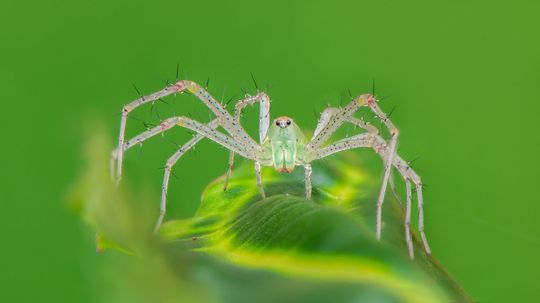
Some spiders blend into the background. Others? They demand your attention. Colorful spiders light up forests, flowers, and even backyards with a dazzling range of hues—and there's more to that brilliance than meets the eye.
By Nico Avelle
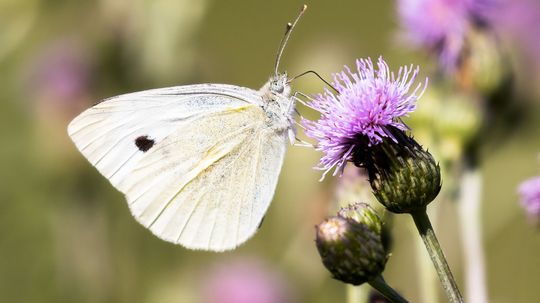
You’ve seen them in your garden, fluttering like confetti across the kale and broccoli. That pale insect flitting around your vegetables? That white butterfly is most likely Pieris rapae, better known as the cabbage white butterfly.
By Nico Avelle
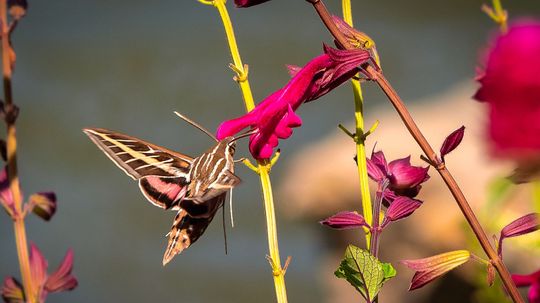
Some moths wear camouflage, blending right into bark or leaves. Others? They're the bold dressers of the insect world. These colorful moth species aren't shy about showing off.
By Nico Avelle
Advertisement
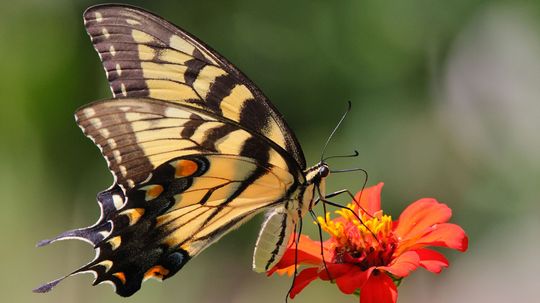
The yellow butterfly gives other insects a masterclass in adaptation, camouflage and transformation. One yellow butterfly in particular stands out: the eastern tiger swallowtail.
By Nico Avelle
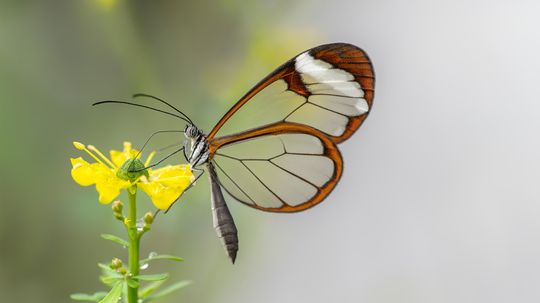
Butterflies aren't just colorful decorations fluttering around flowers. They are one of the most diverse groups of insects, with more than 17,000 known species.
By Nico Avelle
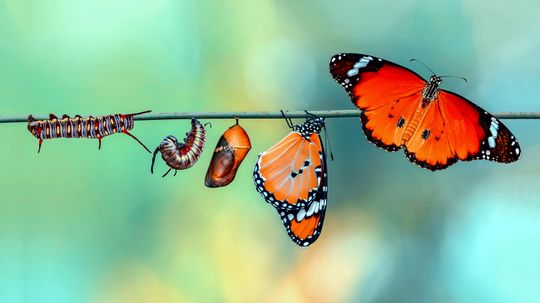
Butterflies don’t just pop out of eggs with wings and flair. The butterfly life cycle is one of the most dramatic transformations in the animal kingdom.
By Nico Avelle
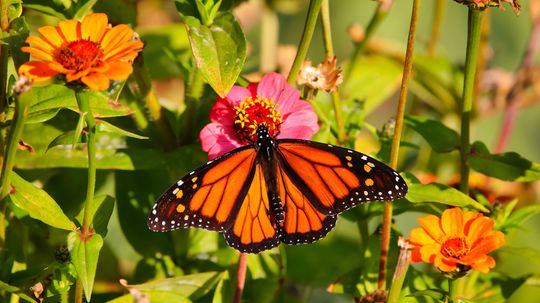
The monarch butterfly (Danaus plexippus) is one of the most iconic insects in the natural world.
By Nico Avelle
Advertisement
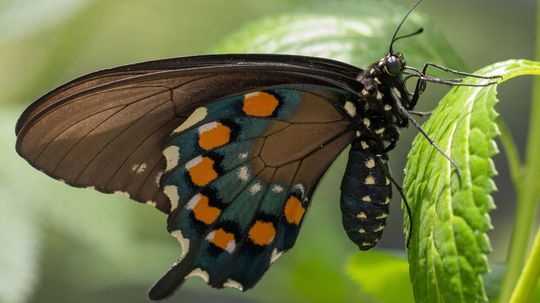
Few insects are as eye-catching as the swallowtail butterfly. Known for their vibrant colors and uniquely shaped hind wings, swallowtails belong to the family Papilionidae and are found worldwide except in the Arctic regions.
By Nico Avelle
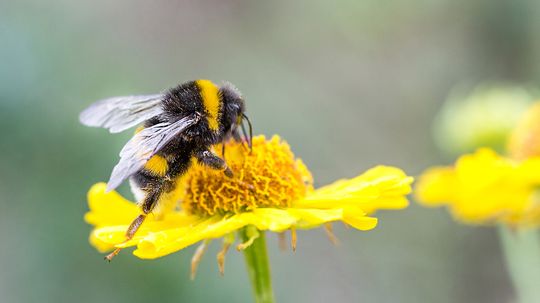
Bees are some of the world’s most important pollinators, but not all species behave the same. When it comes to bumble bee vs. carpenter bee species, these two often get confused.
By Nico Avelle
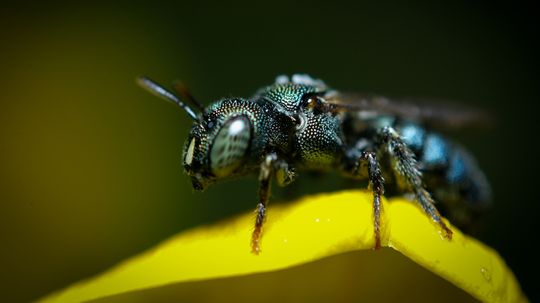
Not all ants are created equal, especially when it comes to carpenter ants vs. black ants. Though both are common ant species and household nuisances, their behavior, nesting habits, and potential for damage are quite different.
By Nico Avelle
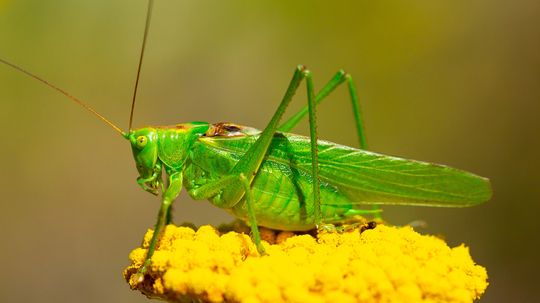
Grasshoppers and crickets often get lumped together. After all, they both hop, chirp, and love grass.
By Nico Avelle
Advertisement
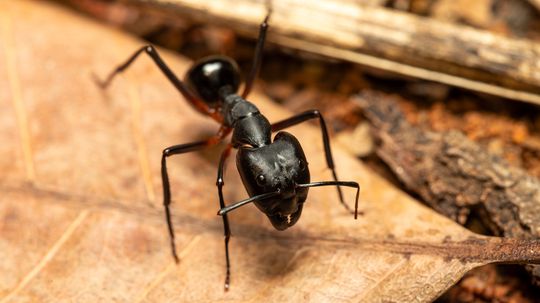
When tiny insects with wings start swarming your home, it’s easy to panic. Knowing ant vs. termite differences can save you time, money, and stress.
By Nico Avelle
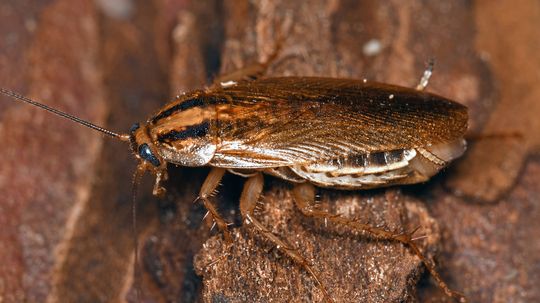
When it comes to creepy crawlers in kitchens and bathrooms, the water bug vs. roach confusion is real. Both have six legs, long antennae, and oval-shaped bodies. But their biology, habitats, and behaviors reveal they’re not the same.
By Nico Avelle
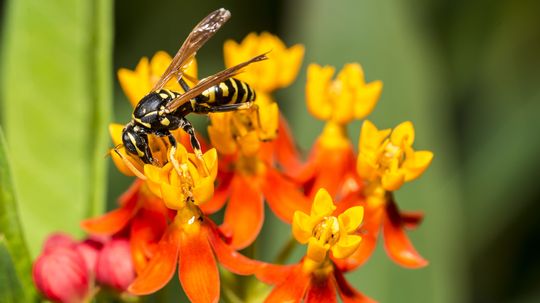
When a buzzing insect makes a beeline for your picnic, it’s tempting to call it a wasp. But in yellow jacket vs. wasp comparisons, there are key differences worth noting.
By Nico Avelle
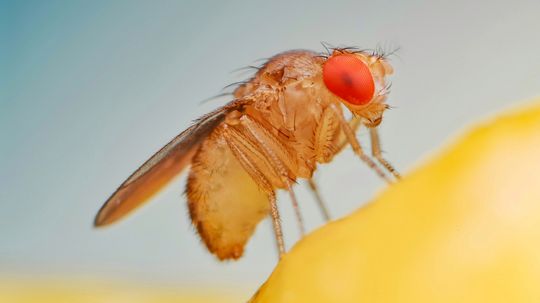
When tiny flying insects take over your kitchen or hover around your houseplants, you're probably facing one of the most common flying insects. But how can you tell if they're fruit flies vs. gnats?
By Nico Avelle
Advertisement
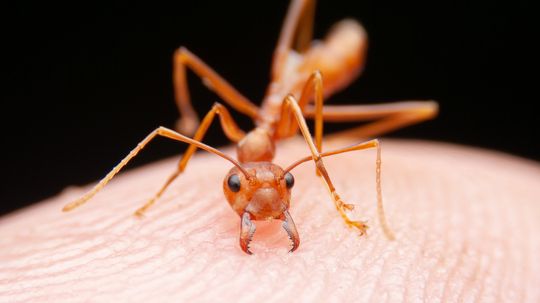
Ants are among the most common insects on Earth, and they’re more diverse than you might think. With over 12,000 known ant species, these social insects vary widely in behavior, nesting habits, and impact on homes and gardens.
By Nico Avelle
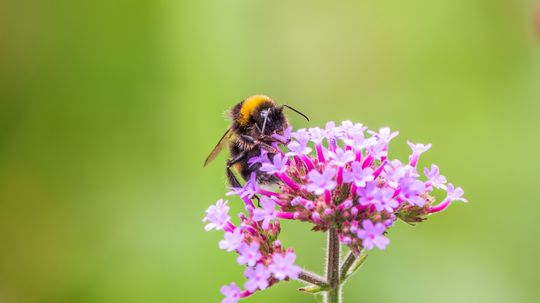
You hear a low hum near your porch, glance up, and spot a fat, buzzing bee. Does it matter if it's a carpenter bee vs. bumble bee?
By Nico Avelle