
Insects
While there are a million different types of insects, all have a hard exoskeleton which is segmented into three parts. In fact the word "insect" is derived from the Latin meaning segmented.
Learn More
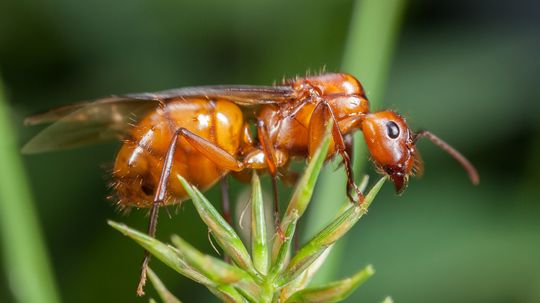
These miniscule, winged insects can be a common sight when the weather turns warm, but they might also leave some people puzzled. After all, ants can't fly — can they?
By Marie Look
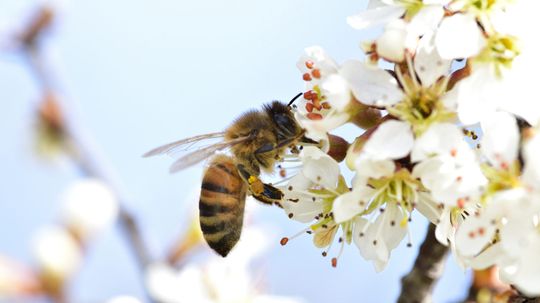
Bees can learn, make decisions and have a sense of smell 100 times more sensitive than ours. And most don't live in hives. Here are some cool facts about bees.
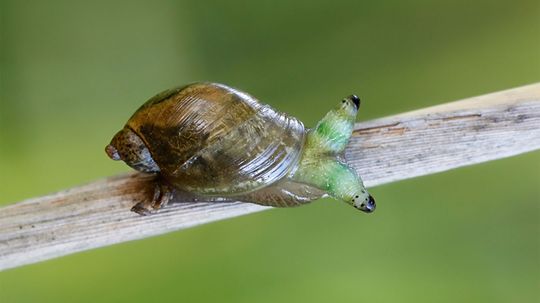
Like something out of a horror film, this parasitic worm invades a snail's eyestalks, where it pulsates to imitate a caterpillar, attracting the ultimate target, a bird.
By Mark Mancini
Advertisement
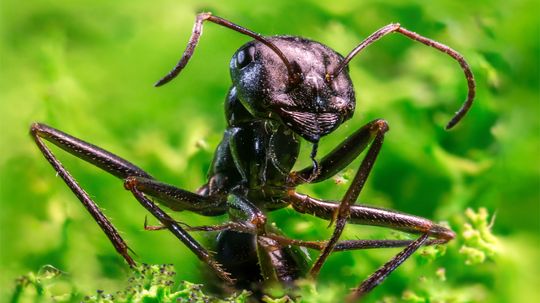
Estimating ant numbers and mass provides an important baseline from which to monitor ant populations amid worrying environmental changes.
By Mark Wong
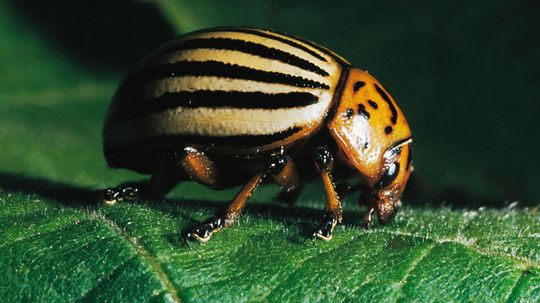
The most iconic agricultural pest of the past 200 years just wants to eat your potato plant.
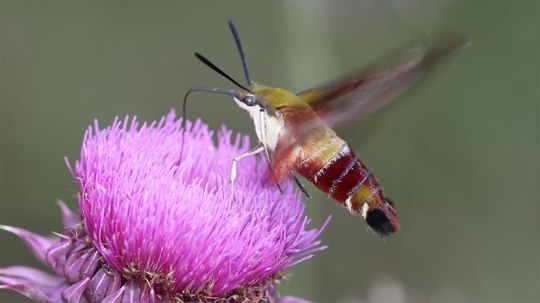
If you see a small hummingbird zip by your face, take a second look — what looks like a hummingbird may actually be a moth.
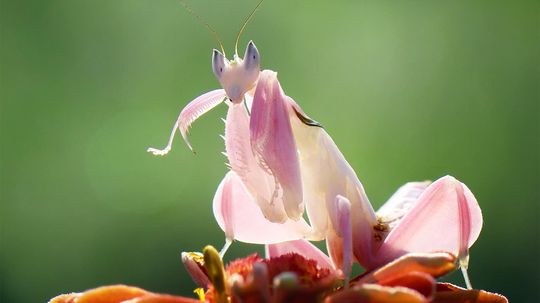
For decades scientists assumed these insects looked so much like orchids as a form of camouflage. But they were wrong. They look this way because they're deceptive predators.
Advertisement
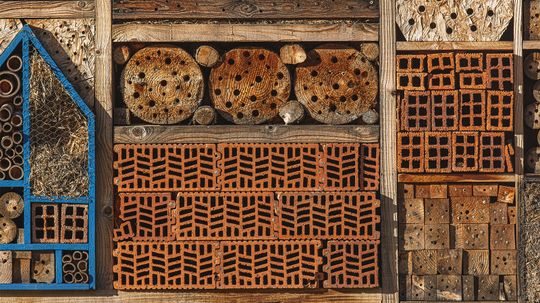
Creating an insect hotel gives local bugs and pollinators a place to live and people of all ages a super cool garden project.
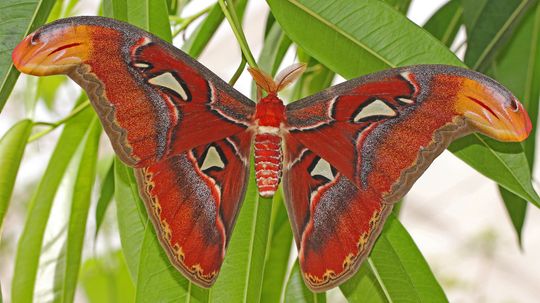
The Atlas moth is one of the largest moths out there, with a wingspan of up to 12 inches, but the 'cobra' faces on its wings are even more frightening to predators than its size.
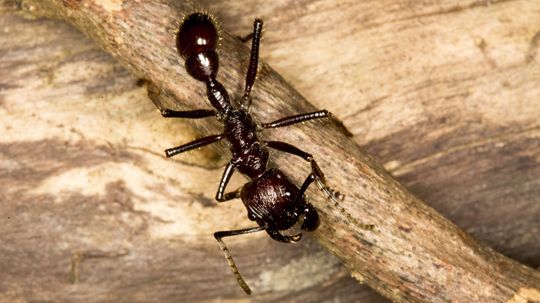
A bullet ant's sting will hurt for a long time, but it probably won't kill you.
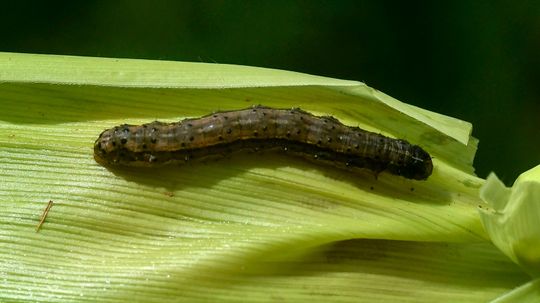
They love your lawn and, in 2021, they're everywhere. Here's what to do about armyworms and how to spot the little critters.
Advertisement
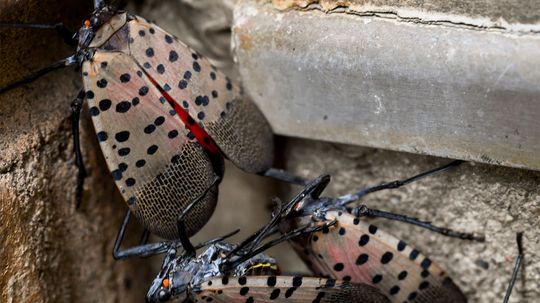
The invasive spotted lanternfly is spreading across the Eastern U.S. Here's what you need to know about this voracious pest.
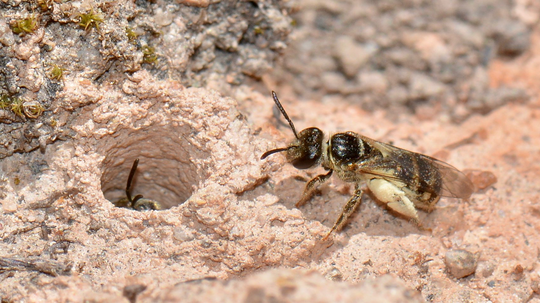
Most of us think all bees live in colonies, or hives, but there are far more species that don't produce honey, don't sting and live mostly solitary lives underground.
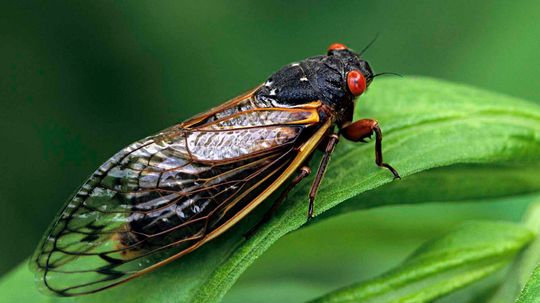
And we mean really loud. Like up to 100 decibels loud. Get all the buzz on what's making these bug-eyed bugs return.
By John Cooley & Chris Simon
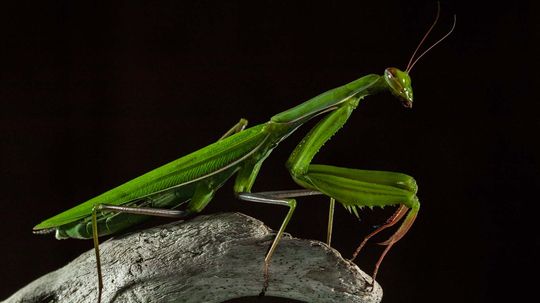
The praying mantis is a powerful predator, and not as robotic (or as romantic!) as it seems.
Advertisement
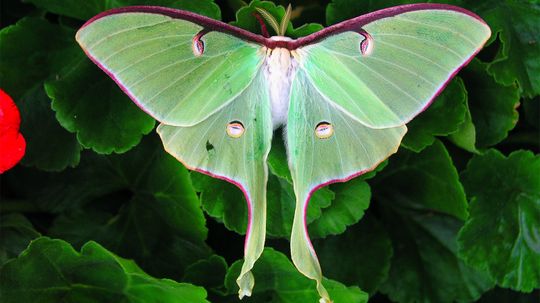
While luna moths aren't exactly rare, they're hard to find so every encounter seems extra special.
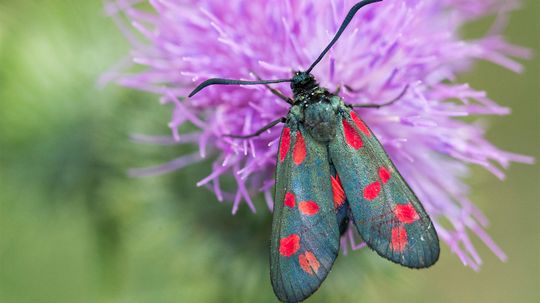
Bees get a lot of credit for pollinating important food crops, but they get a lot of secret help from their nocturnal friends, the moths.
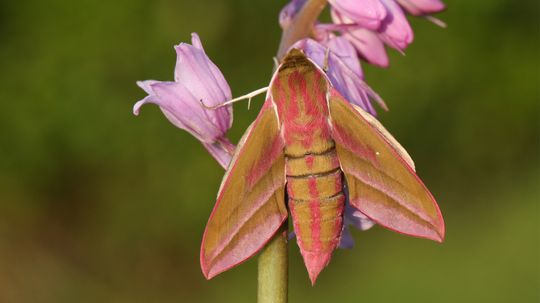
The elephant hawk moth is breathtakingly beautiful as an adult, but as a baby ... not so much.
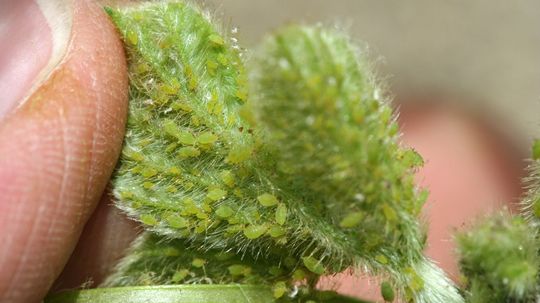
Born pregnant? You bet. It's a survival instinct but could also explain how these garden pests spread like wildfire.
By Mark Mancini
Advertisement
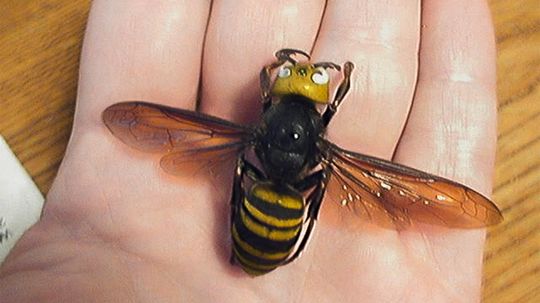
The deadly Asian giant hornet, the largest hornet in the world, was spotted in the U.S. for the first time in late 2019. You'll want to stay far away from this creature. Its nickname? The "murder hornet."
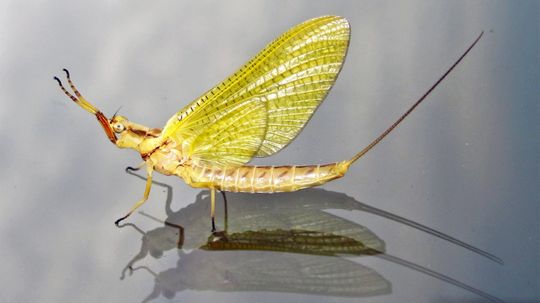
Mayflies have the shortest adult life span of any animal, but swarms of them can still be seen on weather radar.
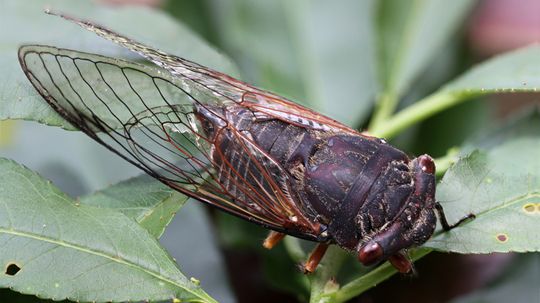
Some cicadas are annual breeders and some show up loudly about every 17 years, but all cicadas produce a "song" that can reach 120 decibels — very close to a level that can damage human ear drums.
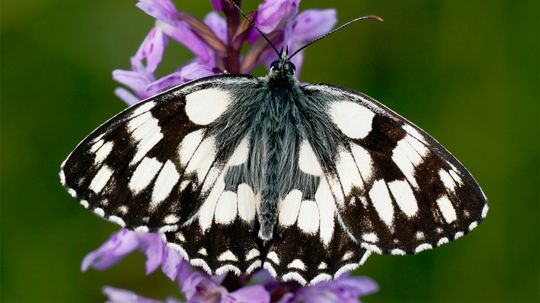
Work by volunteers and nonprofit organizations, such as butterfly waystations and increased education efforts, has turned around long-term population decline for some butterfly species.
Advertisement
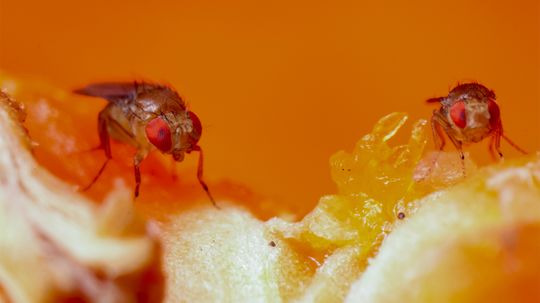
Fruit flies are annoying, but we also owe them a huge debt of scientific gratitude.
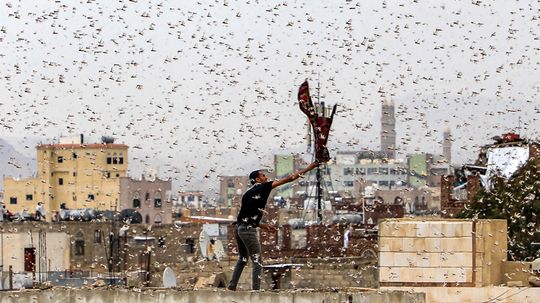
Locusts are just mild-mannered grasshoppers until they swarm up and become monstrous. In parts of the world, locust plagues are becoming a way of life.