
Mollusks
Mollusks are members of the invertebrate phylum Mollusca and contain more than 100,000 species. Some mollusks have shells like clams and snails, while larger mollusks have no bones at all like the cuttlefish, squid and octopus.
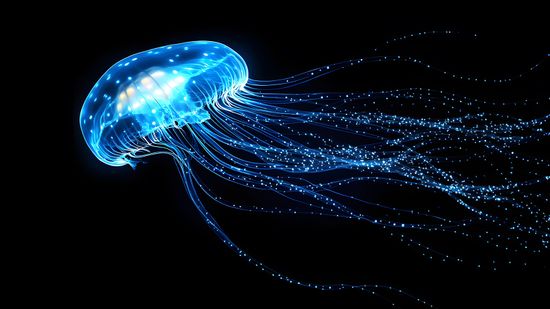
How Bioluminescent Jellyfish Get Their Signature Glow
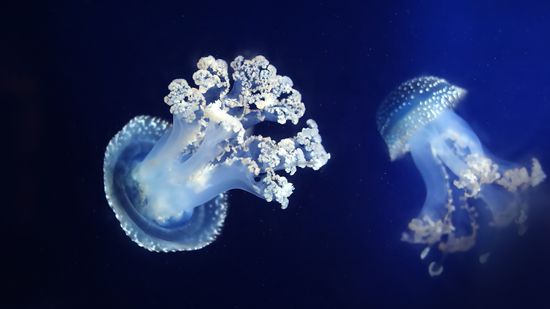
White Spotted Jellyfish: Cute Until They Become Invasive
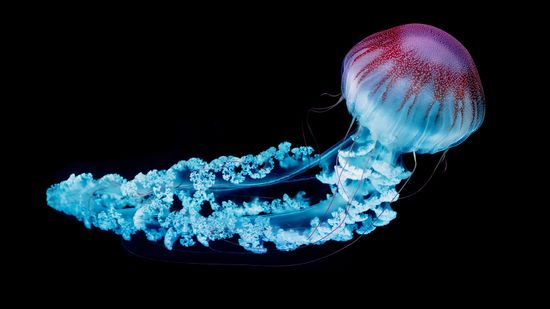
Deep Sea Jellyfish Have 30-foot-long Tentacles
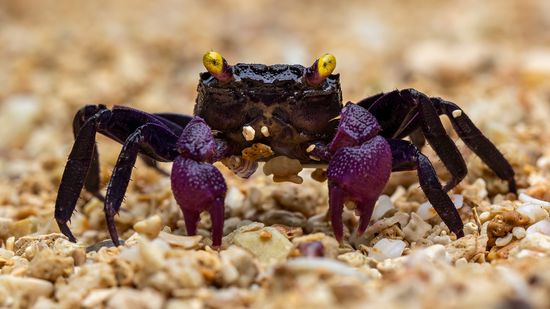
Vampire Crab: More Cartoonish Than Blood-sucking
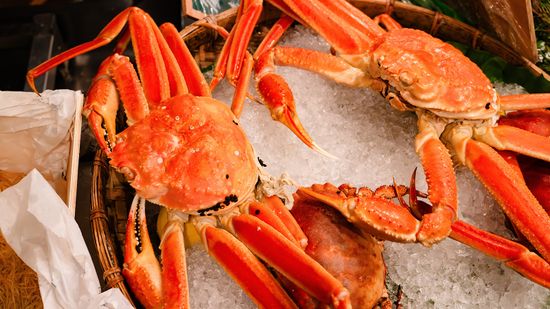
Snow Crab: A High-protein Delight Thriving in Cold Waters
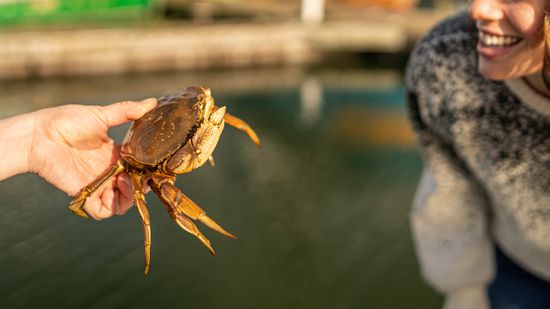
Dungeness Crab: A Deliciously Sustainable Crustacean

Colossal Squid vs. Giant Squid: There's a Massive Difference
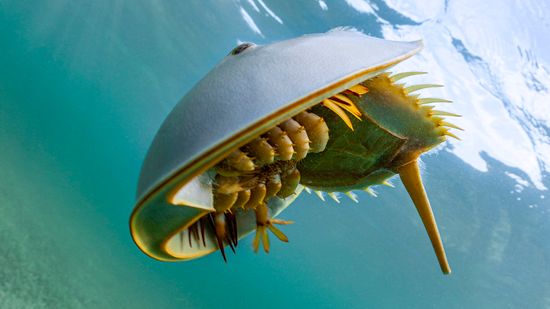
Horseshoe Crab Looks Like an Alien, If We're Being Honest
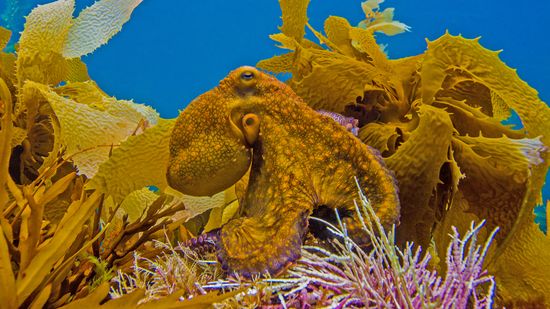
There Are 300 Types of Octopus Species, Some With Internal Shells
Learn More
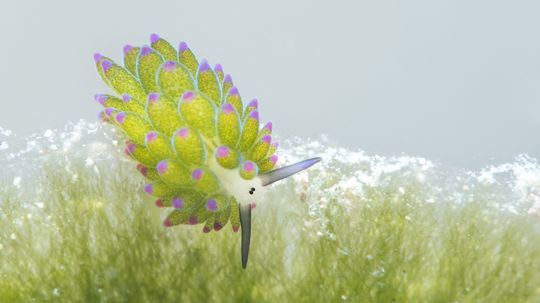
This adorable sea slug (also called a leaf slug or sea sheep) is one of the most unique examples of marine life on Earth. Similar to mollusks and other nudibranch species, these little guys spend most of their lives crawling slowly along the sea floor in warm, shallow waters without a care in the world.
By Mitch Ryan
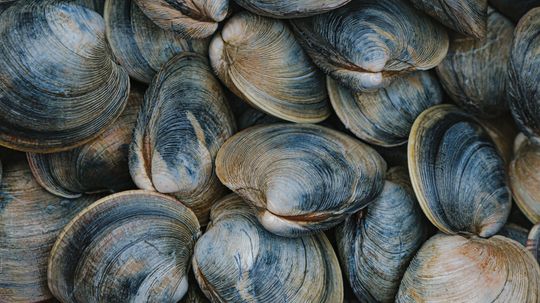
The ocean quahog (Arctica islandica) is a clam that redefines what it means to have a long lifespan. This species is famous for being one of the longest-lived animals on Earth, with individuals surviving up to 500 years! That's older than Shakespeare's first play.
By Zach Taras
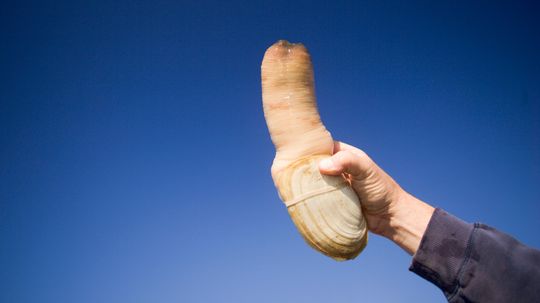
Let's get the obvious out of the way: The geoduck (Panopea generosa) looks more than a little NSFW. But it's totally PG, we swear! Found primarily in the Pacific Northwest, this massive mollusk has captured the attention of scientists, seafood lovers and curious minds alike.
By Mack Hayden
Advertisement
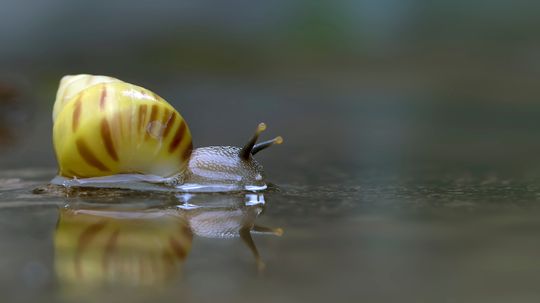
You might think of snails as the little shelled creatures that you find crawling in your garden, or even as a delicacy of French cuisine, where they are called "escargot." But there are snails that live in the water, too, including marine snails in the tropical oceans and freshwater snails found across the world in ponds, lakes and rivers.
By Zach Taras
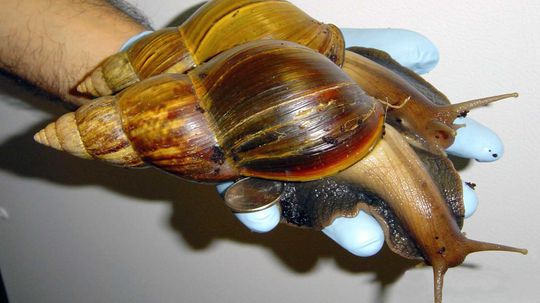
These massive mollusks are one of the world's most invasive species. They have the potential to devastate Florida's agriculture. Oh, and they can cause meningitis in humans.
By Sarah Gleim
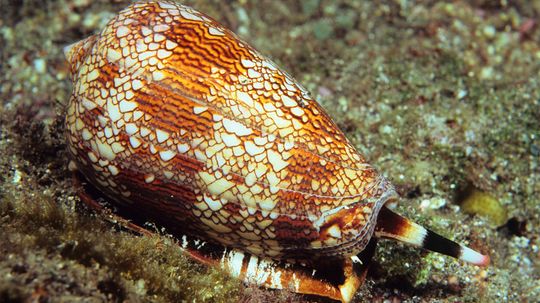
Cone snails are marine animals that harpoon their prey and incapacitate them with deadly toxins. They may be beautiful, but they are highly venomous.
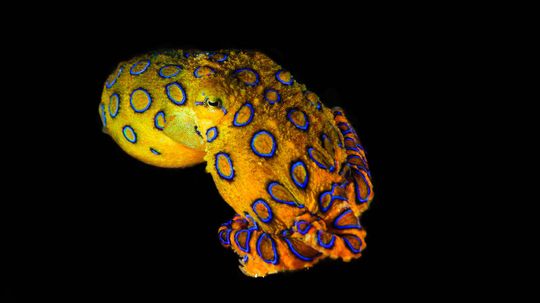
Looks can be deceiving. That's definitely true for the blue-ringed octopus. It's tiny, stunningly beautiful and looks harmless. Yet its venom could kill 26 men in minutes.
Advertisement
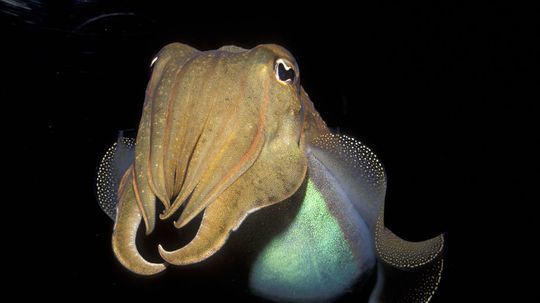
A master of camouflage, the cuttlefish can count, gender-bend and use a hidden weapon to outsmart its enemies.
By Alia Hoyt
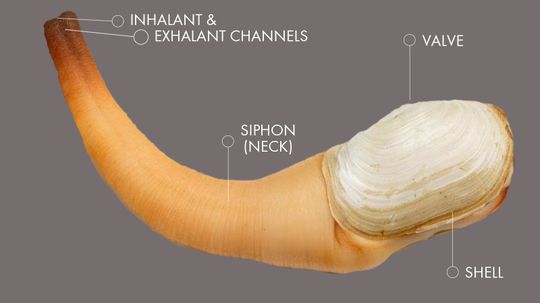
These saltwater clams are the largest on the planet, and some can live as long as 100 years. And despite their, well, looks, they're pretty darn tasty.
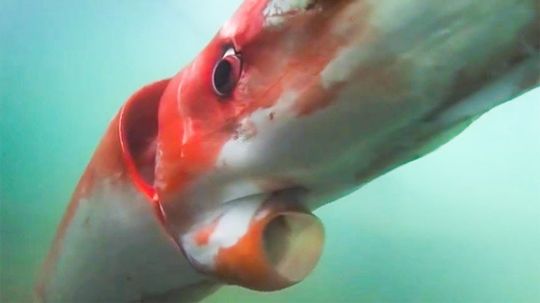
Rumors of giant squid have terrified sailors for centuries, but new technology is now helping to bring these mysterious creatures up toward the light.
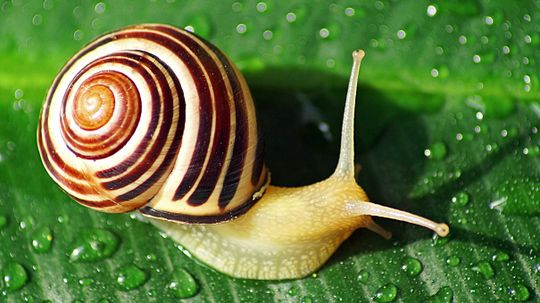
Snails can't pick and choose their shells like hermit crabs can. In fact, eviction means death. So how do those hard shells form over snails?
By Mark Mancini
Advertisement
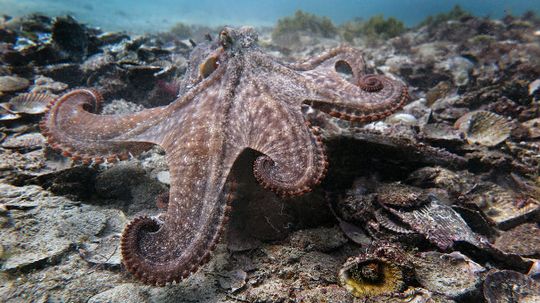
Researchers discover site of 15 gloomy octopus, a species that has previously been known for being reclusive.
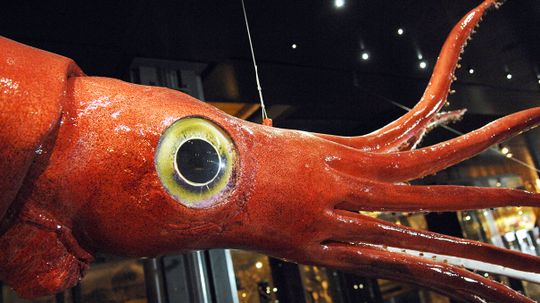
How giant squid process visual information has long been a mystery, but a new study finds their visual processing is surprisingly uncomplicated.
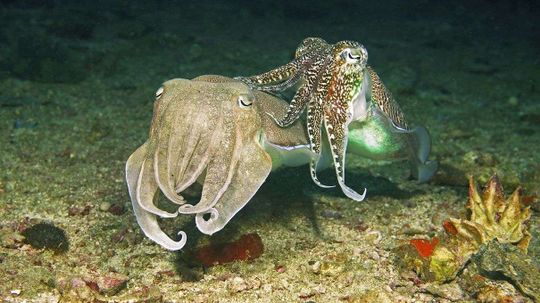
Scientists until recently believed Octopuses & Co. were colorblind. If that were the case, how could the animals create such vivid physical color displays?
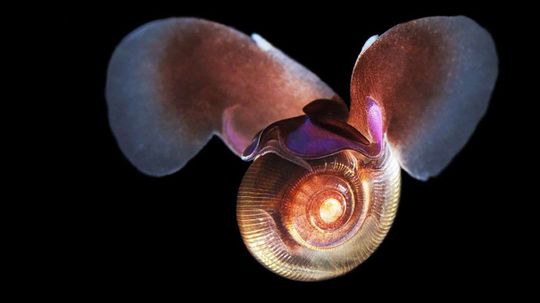
The sea butterfly snail moves in Arctic waters in the same way as fruit flies through tropical air. This case of convergent evolution was uncovered by a new study.
Advertisement
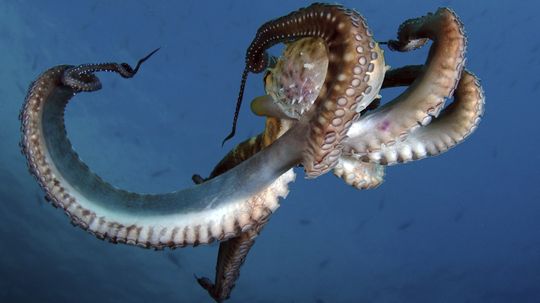
Unless you've butchered an octopus, you might assume that it's as red-blooded as you are. And you'd be wrong. Why are octopuses the original blue bloods?
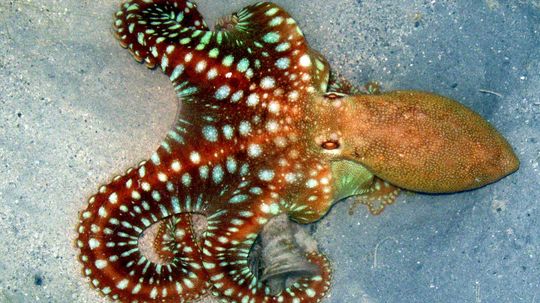
Imagine that someone is pursuing you down a dark alley. Do you run? Duck behind a trash bin? The mimic octopus doesn't sweat this kind of scenario: It just shape-shifts to disguise itself. You'll be surprised by the tricks it's got up its tentacles.
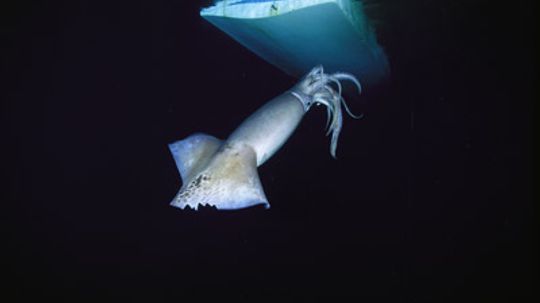
Giant squid are aggressive creatures that prey on almost anything that comes their way. How big do these monsters of the sea get, and could they really take down a watercraft?
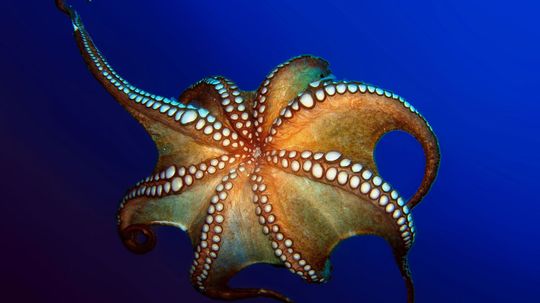
To elude predators, the octopus will change color in an instant and even alter its shape to look like other sea animals. Does its magic put the chameleon to shame?
Advertisement
Squid have been featured in sailing myths and legends for more than 300 years. They're swift, agile and surprisingly intelligent creatures with brains larger in proportion to their bodies than most fish and reptiles have. Learn about all squid, squid anatomy and how big squid can can actually get.
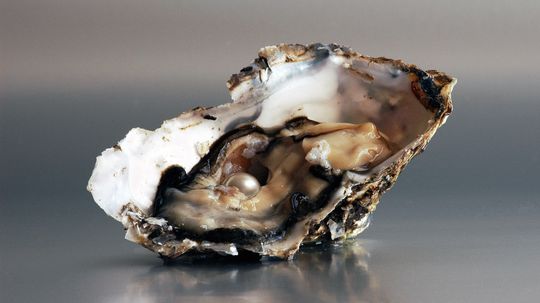
How exactly does an oyster create a pearl, and what is the difference between a natural pearl and a cultured pearl?