
Animal Facts
Learn about some of the strange and unusual facts and terms in the animal kingdom.

What Is a Group of Golden Retrievers Called? Sounds Angelic

What Is a Group of Pugs Called? It's Honestly Cartoonish
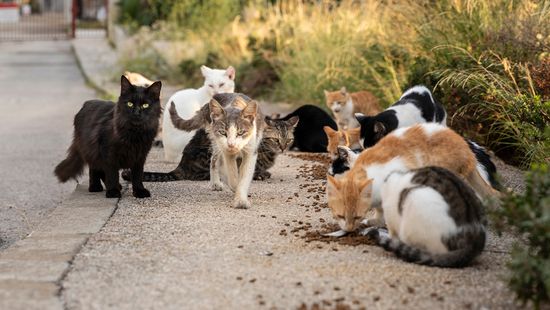
What Is a Group of Wild Cats Called? Depends on the Type of Cat
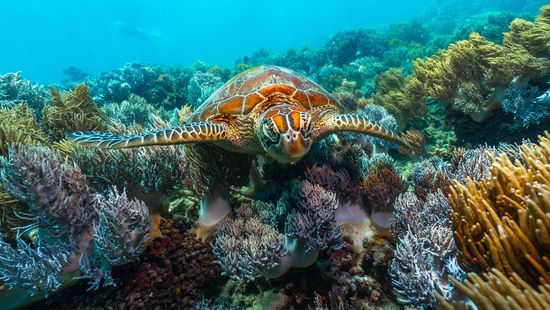
9 Coral Reefs Around the World That Support Entire Communities
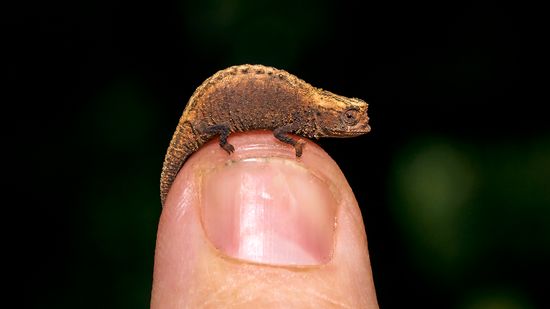
The World's Smallest Lizard Is Tinier Than a Quarter
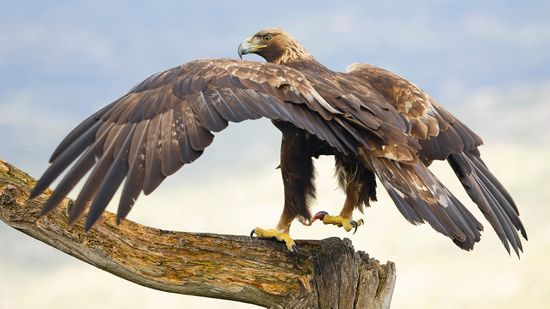
The National Bird of Mexico Is Also Found in Asia and Europe
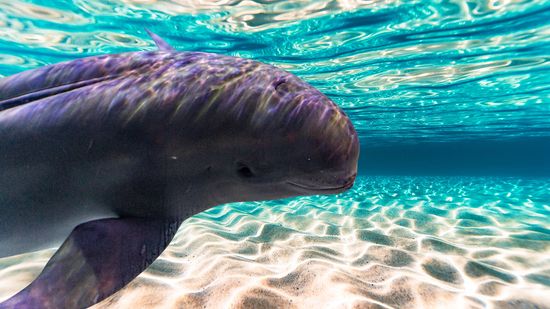
Yangtze Finless Porpoise: The World's Only Freshwater Porpoise
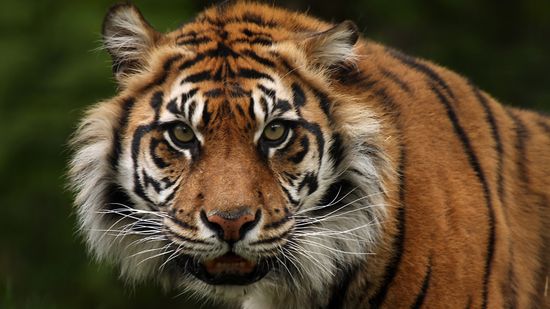
Sunda Tiger: A Critically Endangered Subspecies in Sumatra
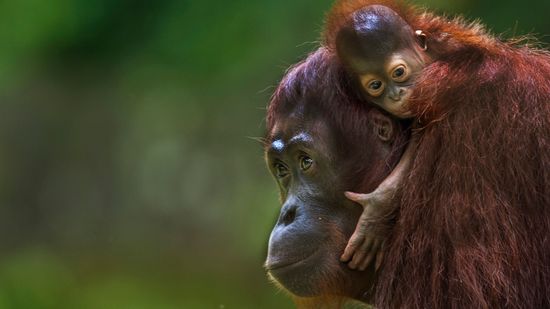
The Sumatran Orangutan Faces Large-scale Habitat Loss
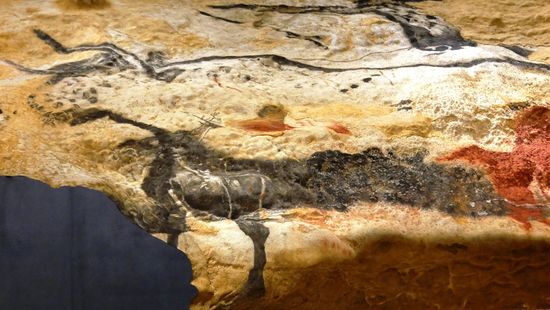
Aurochs (Rhymes With 'Ox') Was the Great Granddaddy of Cattle
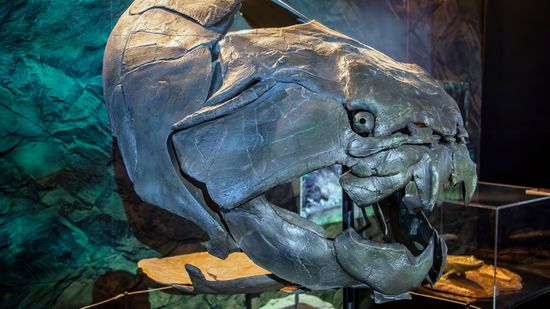
Dunkleosteus: A 20-Foot Fish With an Armored Skull and Bladed Jaws
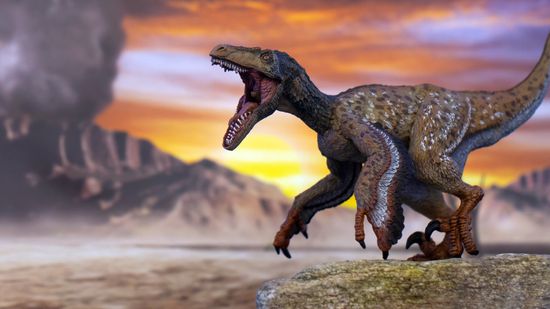
12 Scariest Dinosaurs You'd Want to Avoid While Time Traveling
Learn More
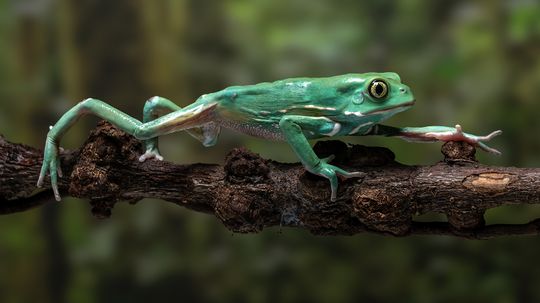
Animals with opposable thumbs stand out in the animal kingdom because they can grasp, hold, and manipulate objects with precision.
By Nico Avelle
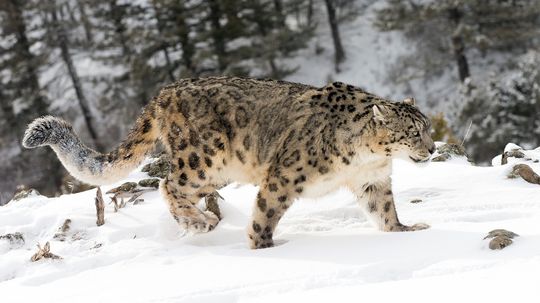
Solitary animals make up a large and often overlooked part of the animal kingdom.
By Nico Avelle
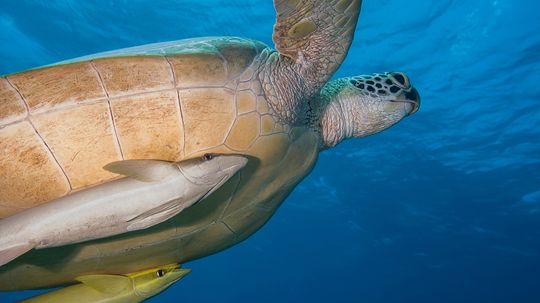
Commensalism examples show how different species interact in nature. In a commensal relationship, one organism benefits while the other organism remains unaffected—neither helped nor harmed.
By Nico Avelle
Advertisement
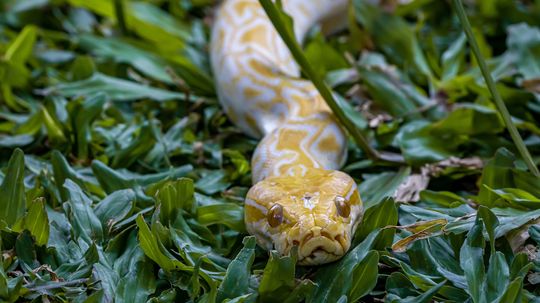
Florida is a biodiversity hotspot, home to remarkable native plants, fish, reptiles, and birds. But the same warm environmental conditions that support this diversity also allow many nonnative organisms to thrive. As a result, invasive species in Florida have become a major environmental challenge.
By Nico Avelle
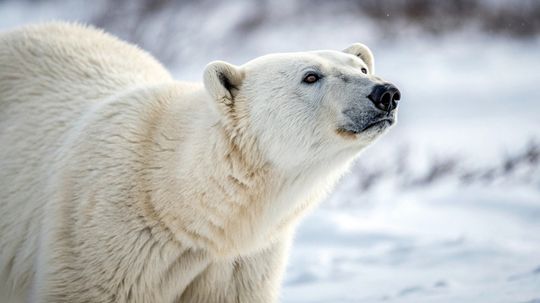
The arctic food web explains how energy moves through one of the coldest ecosystems on Earth. From microscopic algae trapped in sea ice to apex predators like polar bears, every organism depends on another for food.
By Nico Avelle
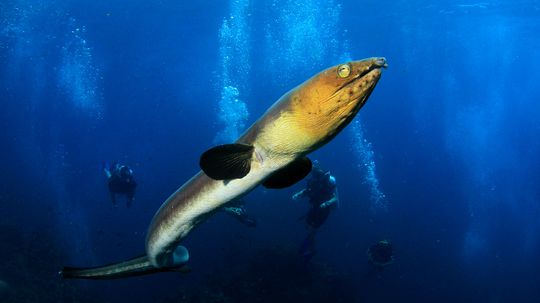
The animal kingdom is full of surprises. From strange survival tricks to bizarre biological quirks, the weird animal facts that follow will make you look twice at the natural world.
By Nico Avelle
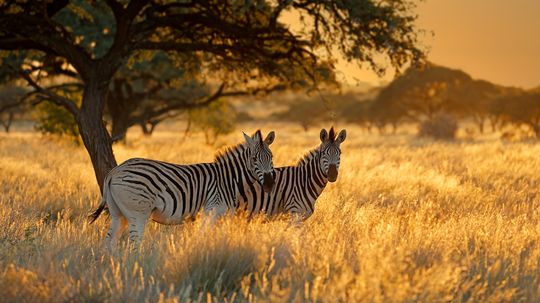
The animal kingdom is home to millions of species that crawl, swim, fly, and gallop across Earth. From deep-sea dwellers to backyard birds, different types of animals help us understand evolution, ecosystems, and our place among other living things.
By Nico Avelle
Advertisement

In the world of elite equestrianism and thoroughbred racing, price tags can gallop into the tens of millions.
By Nico Avelle
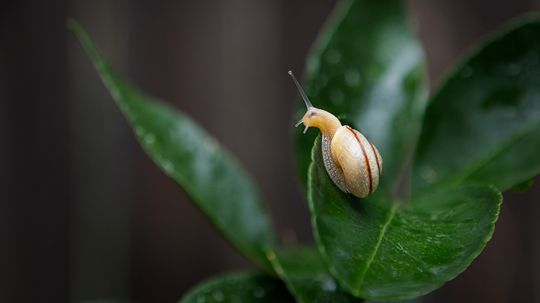
At first glance, slug vs. snail might seem like a case of one just missing a shell. And in a general sense, that's not far off.
By Nico Avelle
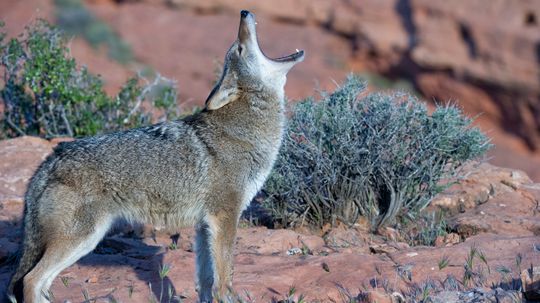
At first glance, it might be hard to tell the difference in a coyote vs. dog comparison. But these two canines — while closely related — lead very different lives. From behavior to body shape, learning how to distinguish them helps pet owners and nature watchers alike.
By Nico Avelle
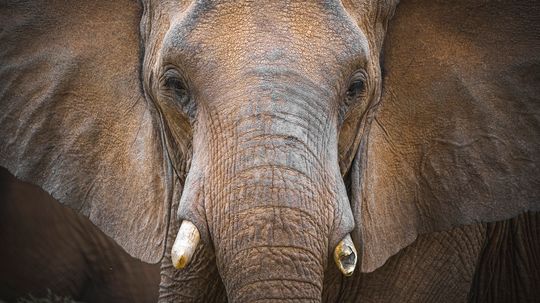
It’s the ultimate throwback face-off: mammoth vs. elephant. These two giants share a lot of DNA, but their differences are buried in the fossil record and written across their anatomy. One is an extinct species, the other still roams Earth’s forests and savannas.
By Nico Avelle
Advertisement
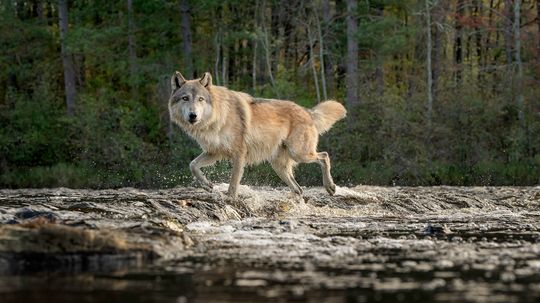
If you spot a Siberian husky trotting through the snow, you might think you're seeing a wolf. That husky vs. wolf confusion is a common, and while huskies and wolves share a common ancestor, they're very different animals.
By Nico Avelle
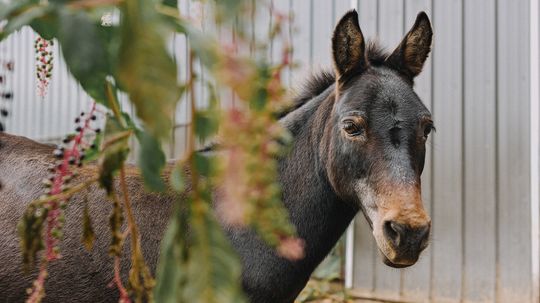
If you've ever stood in front of a mule or a hinny and scratched your head trying to tell the difference, you're not alone. The question of hinny vs. mule is one that even seasoned animal handlers sometimes stumble over.
By Nico Avelle
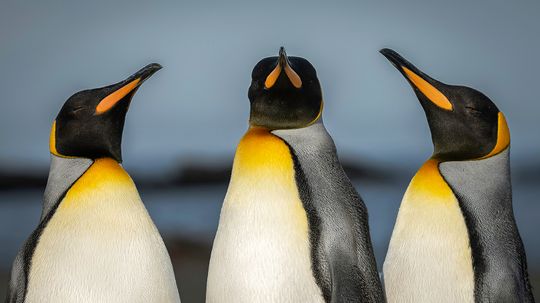
Survival in the tundra is not for the faint of heart. From extremely cold temperatures to harsh winds and minimal vegetation, the tundra biome is one of the most unforgiving places on Earth.
By Nico Avelle
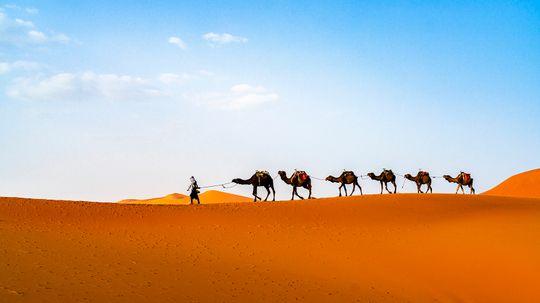
If you're picturing a sea of sand with nothing but heat waves and tumbleweeds, it's time to rethink the Sahara Desert animals. The largest hot desert on the planet Earth is bursting with life, from lightning-fast insects to super-chill mammals that defy the extremes of northern Africa.
By Nico Avelle
Advertisement
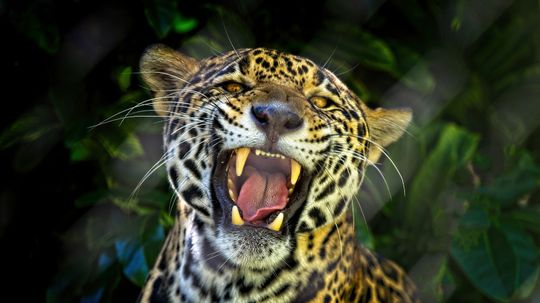
The Amazon rainforest is teeming with life — some of it mesmerizing, some of it deadly. The most dangerous Amazon animals have evolved extreme adaptations to hunt, defend and survive in one of the most biodiverse places on Earth.
By Nico Avelle
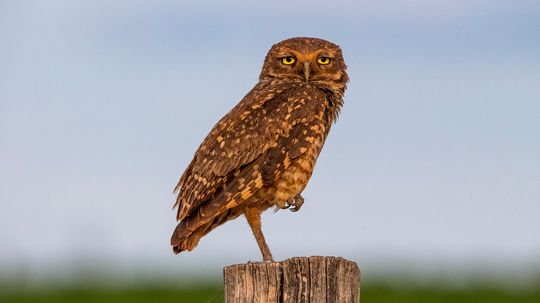
When the sun goes down, an entirely different set of creatures comes to life. This nocturnal animals list highlights some of the world’s most amazing night animals, from skilled hunters with heightened senses to creatures that use the cover of darkness to avoid predators.
By Nico Avelle
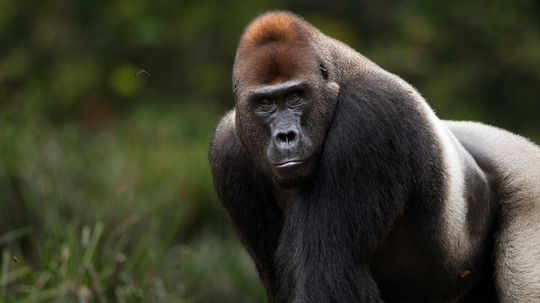
It’s the battle of the beasts: gorilla vs. grizzly bear. Picture a silverback gorilla facing off against a grizzly bear, two of the strongest and most iconic wild animals on the planet.
By Nico Avelle
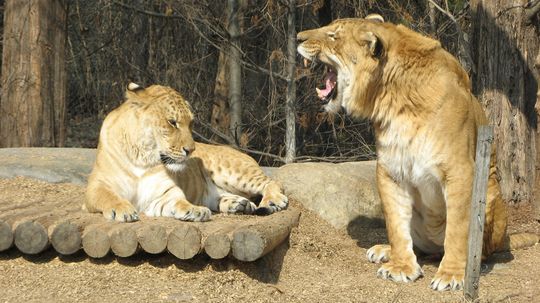
When it comes to hybrid big cats, the battle of liger vs. tigon roars louder than a lion's call across the savanna. Both are hybrid offspring of lions and tigers, two of the most powerful big cats on Earth.
By Zach Taras
Advertisement
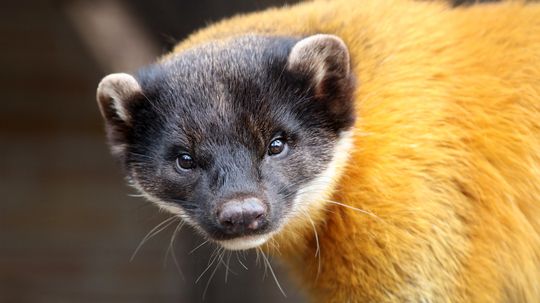
Are you going through the alphabet for a car game and stuck on animals that start with "Y"? Lucky you, that's our specialty.
By Ada Tseng
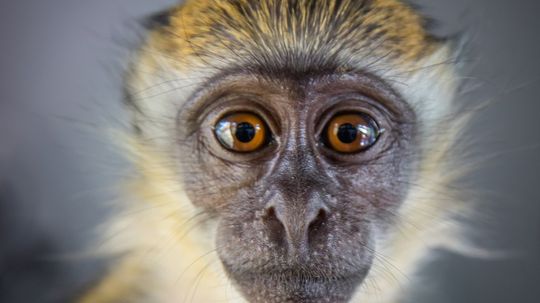
The animal kingdom is full of surprising creatures, from the tiniest insects to the most endangered marine mammals. Animals that start with "V" include some of the rarest and most interesting. From venomous snakes to eight-armed wonders of the deep, these creatures showcase the incredible variety of life on Earth.
By Yara Simón
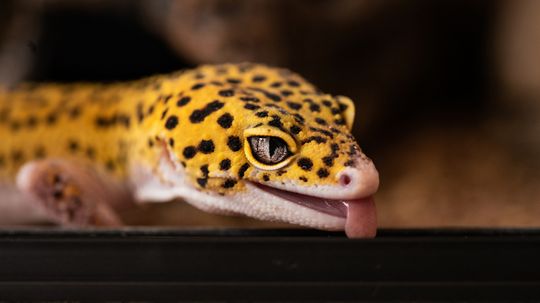
Tasmanian devil, teddy guinea pig, tawny frogmouth... How many animals starting with the letter "T" can you name?
By Yara Simón
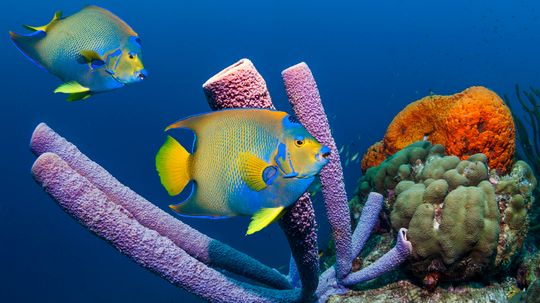
This list of animals beginning with "Q" includes some of the largest flying animals, as well as others that are tiny but mighty.
By Mack Hayden
Advertisement

When temperatures drop and food becomes scarce, many animal species have a built-in survival trick: hibernation.
By Ada Tseng

The animal kingdom is full of incredible creatures, and today we’re focusing on animals that start with "S." Some of them thrive in the wild today, while others once roamed the Earth but are now gone forever.
By Talon Homer