
Early Cretaceous Dinosaurs
The Early Cretaceous Period was a time in which the Earth was undergoing a process of change. Learn more about some common and not so common Early Cretaceous dinosaurs, including the Iguanodon, Muttaburrasaurus, and Sauropelta.
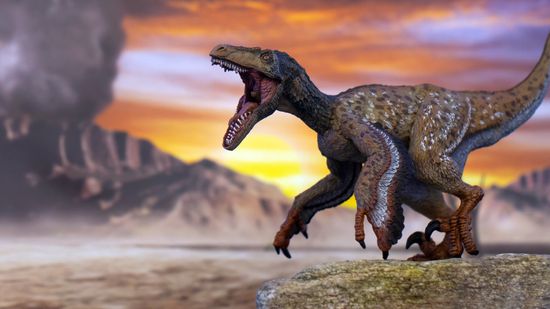
12 Scariest Dinosaurs You'd Want to Avoid While Time Traveling
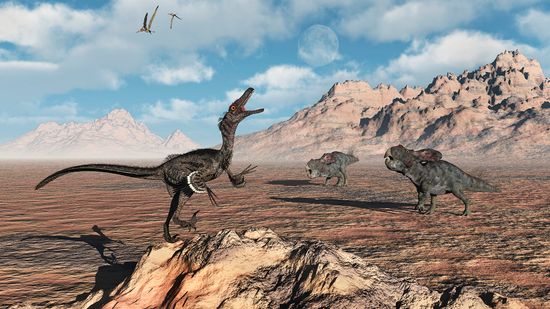
The Smartest Dinosaur (and 9 More Clever Prehistoric Reptiles)
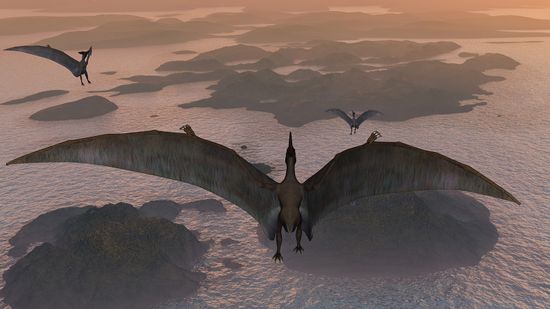
Pteranodon vs. Pterodactyl: Comparing Non-dinosaur Species
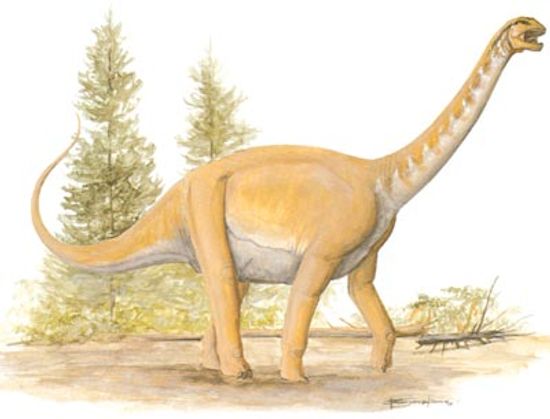
Barapasaurus
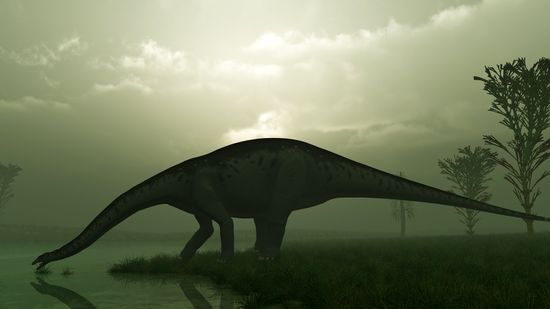
Brontosaurus vs. Brachiosaurus: Comparing Long Necks
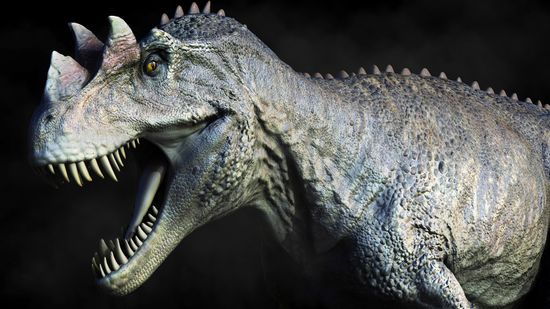
Ceratosaurus: The Horned Lizard of the Jurassic Period
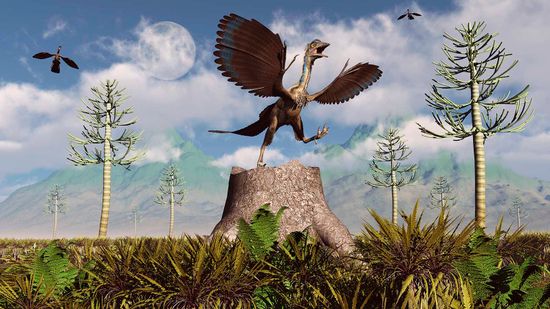
Meet Archaeopteryx, a Feathered Dino With Wings and Teeth
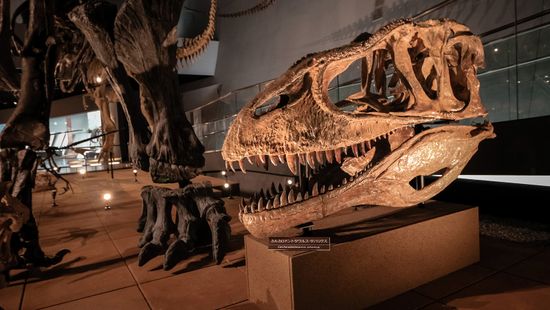
Carcharodontosaurus Rivaled T. rex as a Shark-toothed Hunter
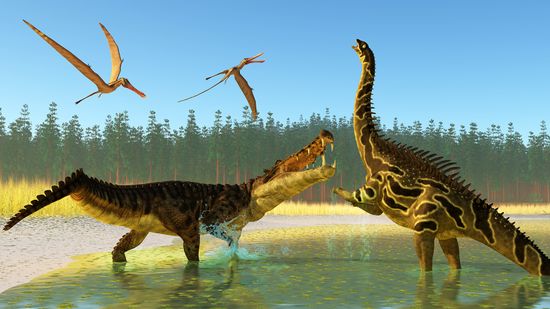
Kaprosuchus Was a Giant, Dinosaur-eating 'Boar Croc'
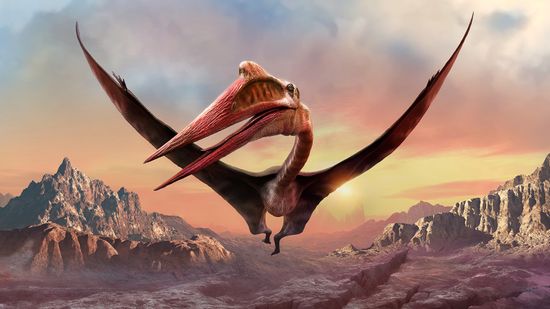
Quetzalcoatlus: The Largest Flying Creature in Earth's History
Learn More
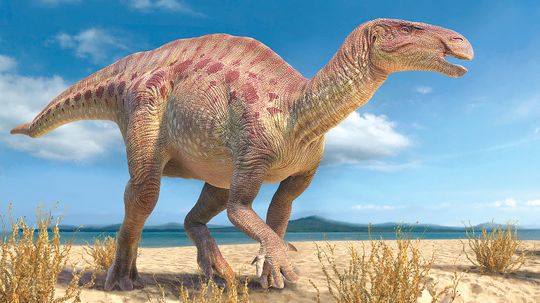
Hey there, dinosaur fans! Let’s talk about one of the most fascinating extinct animals of all time: Iguanodon! Discovered in the early 19th century, Iguanodon was one of the very first dinosaurs ever named, and it played a huge role in kicking off the field of paleontology. With its iguana tooth-like structures and unique anatomy, this medium-sized herbivorous dinosaur became an instant sensation for scientists and dinosaur lovers alike.
By Mack Hayden
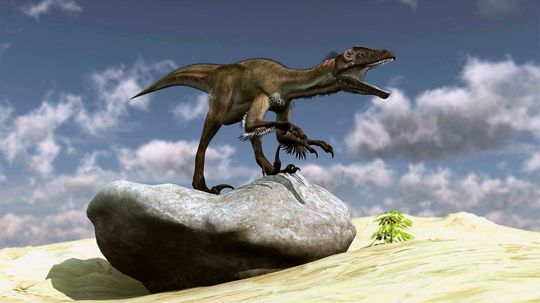
Utahraptors lived around 135 million years ago in the late Cretaceous Period. So what does salt have to do with these massive dinosaurs whose fossils were first discovered in 1975?
By Mark Mancini
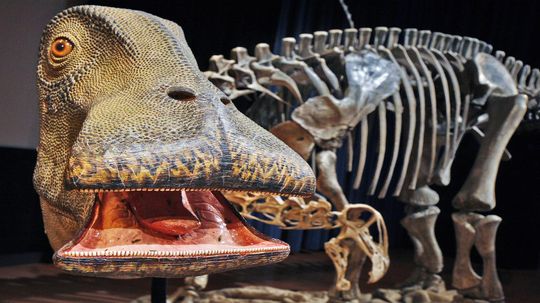
Known by the nickname "Mesozoic Cow," the African dinosaur Nigersaurus taqueti has also had its face compared to a vacuum cleaner.
By Mark Mancini
Advertisement
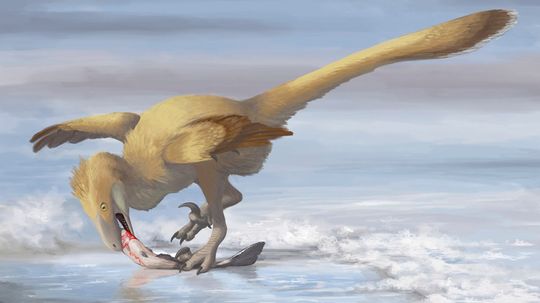
The 1964 discovery of Deinonychus in southern Montana was groundbreaking for many reasons, mostly because it helped prove that birds are direct descendants of dinosaurs.
By Mark Mancini