
Dog Care
Knowing the basics of how dogs function as well as the basics of how to take care of a dog are important aspects to keeping you and your pooch happy and healthy.
Learn More

As much as we love to spoil our furry little friends with treats from the table, dogs are not human and there are much better food options for them.
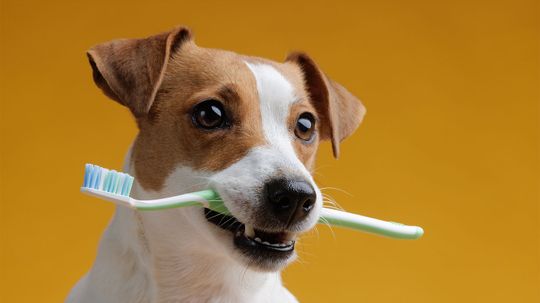
Brushing your dog's teeth might be a bit unpleasant for both of you, but it will keep your furry friend healthier longer.
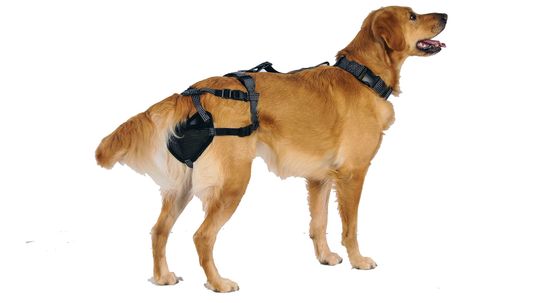
If you want to prevent a "whoopsie" litter of puppies but you're not quite ready to spay or neuter your dog, try a dog chastity belt. A no, we're not kidding.
Advertisement

Dogs and fireworks just don't mix. And in the United States, the Fourth of July is a dog's worst nightmare.
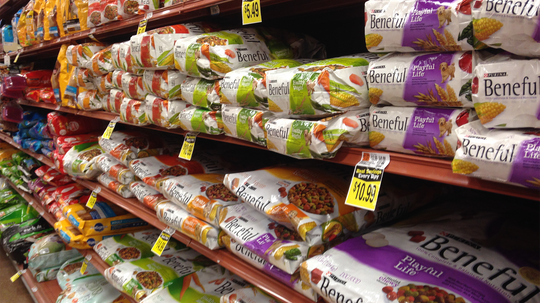
A new era of pet foods created in the lab, sustainably and with reduced environmental impact, is coming. But will pets — and their humans — like it?
By John Donovan
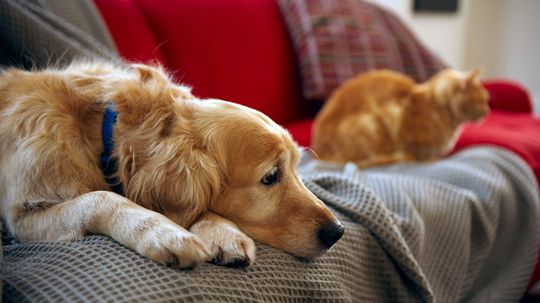
There's no question you love your cats and dogs like family. What you don't love is their shedding.

Some of us get it, some of us don't – the scourge of so many nature lovers everywhere – but did you know that our four-legged friends are also susceptible to the three-leaved menace?
Advertisement
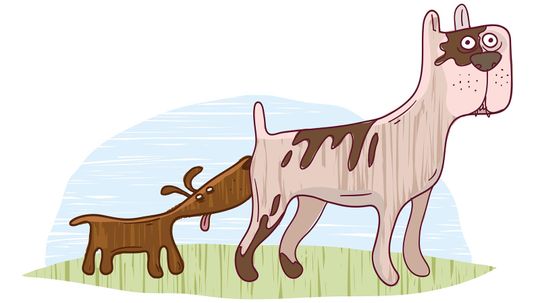
All dogs have anal glands that serve multiple functions. The problem is they can also get blocked or infected, and even leak, which is really disgusting if you're a human.
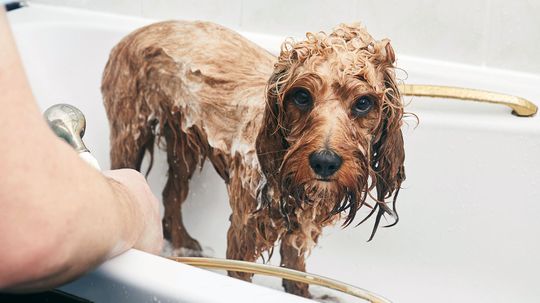
All dogs need baths. But how often? And can you bathe them too much?
By Meg Sparwath
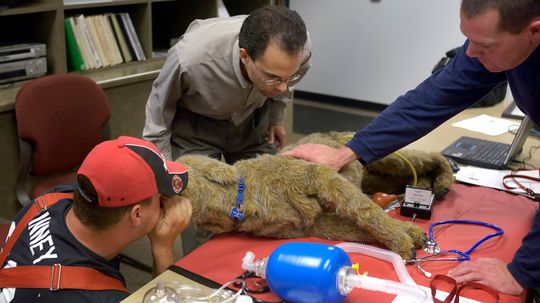
It's one of your worst nightmares. Your dog isn't breathing and you can't find his pulse. Do you know what to do to save his life?
By Wendy Bowman

Retractable leashes, martingale collars, slip leads, harnesses, choke chains – this dog walking business is way more complicated than you thought. So, with all the options out there, what is the best way to leash your dog?
Advertisement

The dog days of adolescence are tough on humans. But what about our four-legged friends? Do they deal with similar hormonal changes as they age?
By Meg Sparwath
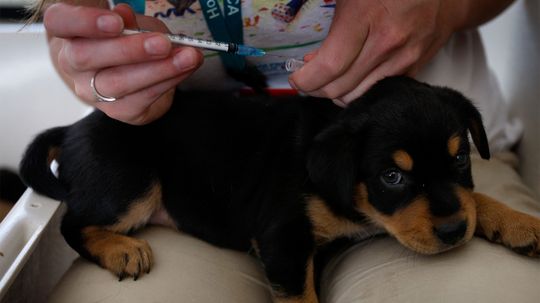
Some people believe dogs need a full complement of yearly vaccinations and some don't think they need any at all.
Ceramic and plastic bowls, especially, have been shown to breed E. coli, salmonella and even MRSA.
With so many dog foods on the market, how do we know what's best for our furry friends?
Advertisement
Think your dog would be willing to share his treats with other dogs? Studies show he probably would.
Pet stores provide scientific, anatomical names for dog chews, so why resort to euphemisms like "pizzle" and "bully stick"? Dogs have no shame — but we humans do.
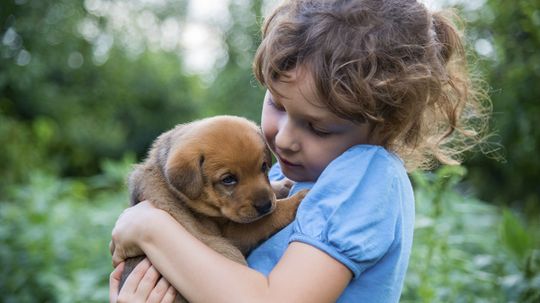
The old rule of thumb of seven dog years per human year typically makes dogs seem older than they really are. No fear, there's a formula to estimate your dog's age the right way!
By Bambi Turner
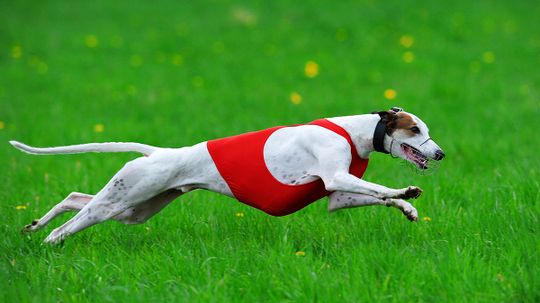
Thanks to your pet greyhound's superior speed, trying to keep up with them on a run would be an exercise in futility. Surprisingly, these dogs are lazier than you think!
By Bambi Turner
Advertisement
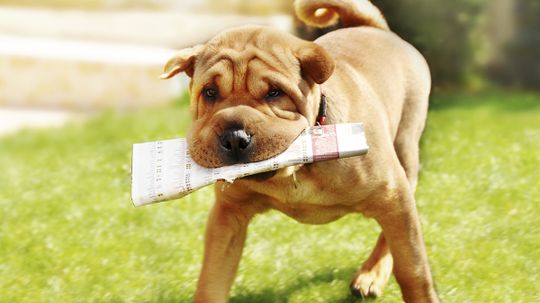
When it comes to dogs, age really is just a number. If you've got the patience, you surely can teach an old dog some new tricks.
By Bambi Turner
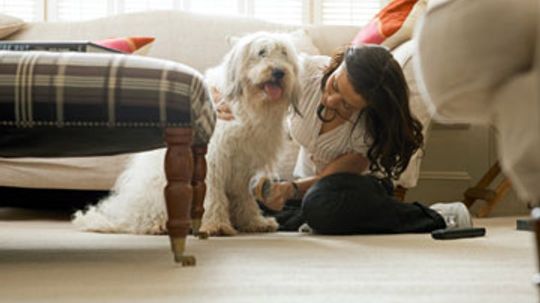
Pick up dog food? Check. Take doggie to the vet? Check. Perform regular exams to gauge his health? Yep, you can do that, too. Find out how in this article.
Fleas are nasty little parasites that infest your pets -- especially dogs. So, what can you do to prevent and treat these itchy infestations? Find out in this article.
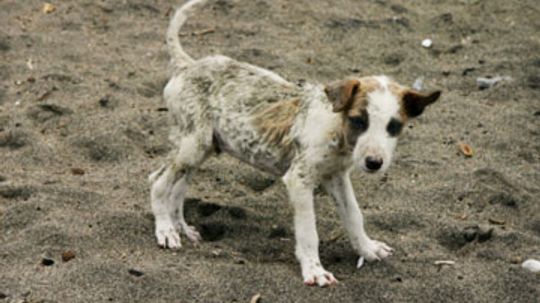
The words "mangy dog" get thrown around pretty often, but have you ever wondered what they mean? Find out what mange is -- and how you can treat a do that has it.
Advertisement
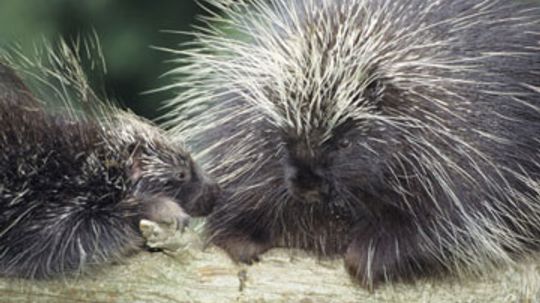
Spending time outside is great for your pooch, but there are some hazards. What do you do when your dog has a nasty encounter with spiky plants or animals?
You might have guessed that dogs get sore paws, but did you know that man's best friend suffers from sunburns? Yep. Read on to find out what you can do to help in both cases.