
Saltwater Fish
Saltwater fish are the most beautiful fish in the world. They range from the majestic marlin to the funny-looking flounder, and the goliath grouper to the tiny blenny, and just about everything in between.
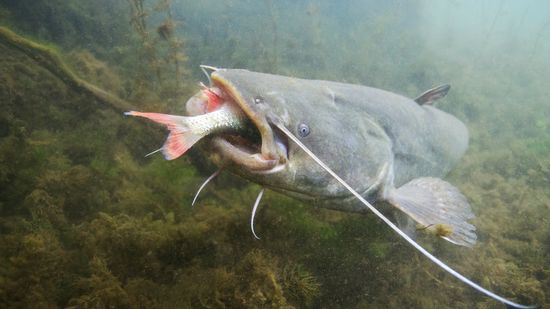
The Biggest Catfish Ever Caught (That We Know Of)
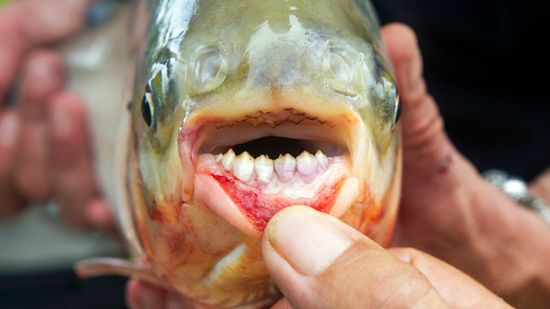
Pacu Fish: The Piranha Cousin With Human-like Teeth
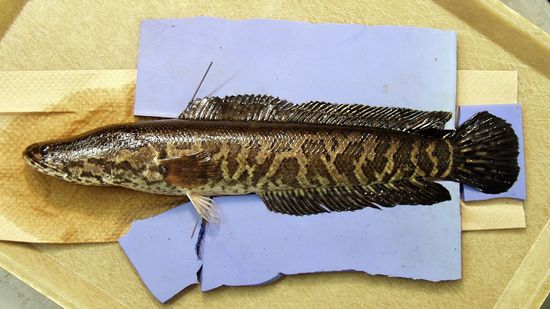
The Predatory Snakehead Fish, or 'Frankenfish,' Can 'Walk' on Dry Land

10 Biggest Sharks in the World
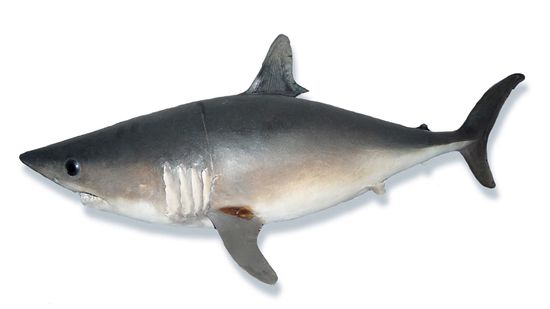
The Porbeagle Shark Hunts With Dogged Determination
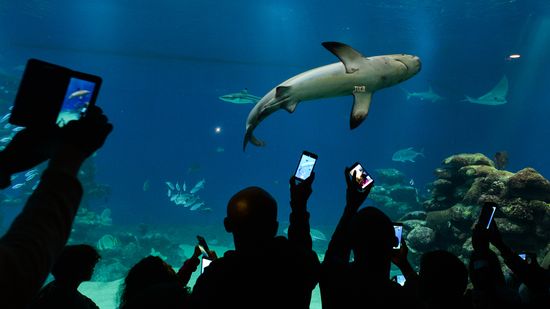
WWII Sparked America's Shark Obsession, Not 'Jaws' or Shark Week
Learn More
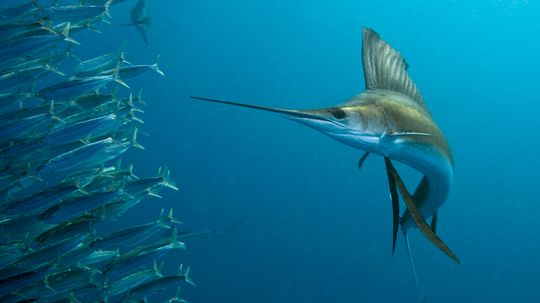
While there are tons of fish in the sea, only a few hold the title of the fastest fish in the ocean. You might wonder how the fastest fish swim at such high speeds.
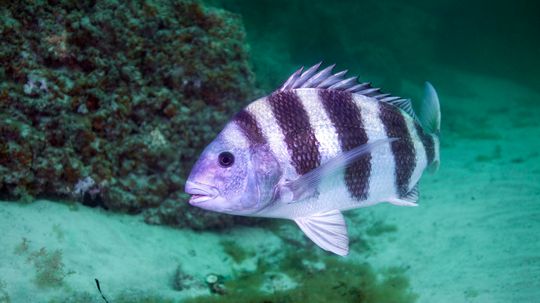
The sheepshead fish is a curiosity to anglers and marine biologists alike. This unique species, found along the Atlantic coast of North America, has long received attention for its strange dental structure, resembling that of humans.
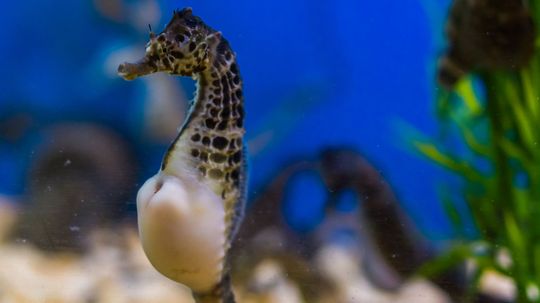
Unlike most species on Earth, the male seahorse, rather than the female, does the gestating and delivery. And he does it in his own unique way, a new study found.
Advertisement
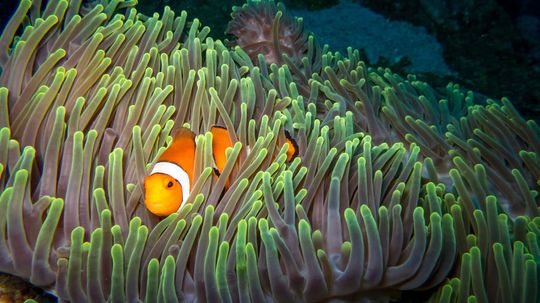
It's hard to imagine Nemo catching some z's in the Great Barrier Reef. But fish do need rest. Do they sleep like we do?
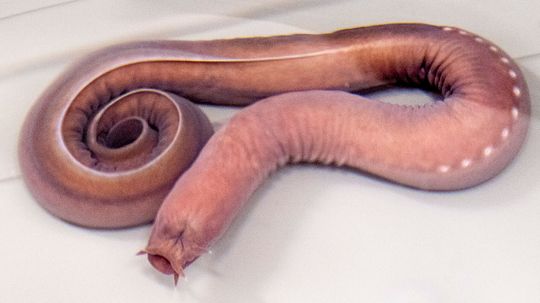
The elusive hagfish is a master at hiding in holes and crevices, but its main defense is its ability to release a noxious, suffocating and sometimes poisonous slime when attacked.
By Mark Mancini
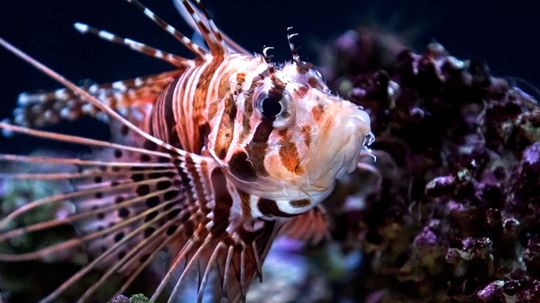
The showy lionfish is a stunning beauty. But this invasive species, which was released into the wild in the 1980s, is wreaking havoc on delicate reef ecosystems worldwide.
By Wendy Bowman
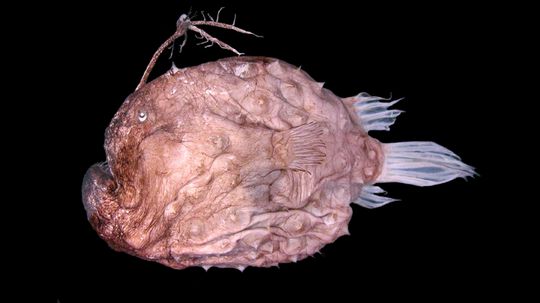
Most species of the rarely seen anglerfish live up to a mile beneath the ocean, where the females lure prey with a head-dangling hook appendage and permanently fuse with male suitors. It doesn't get much stranger than that.
By Katie Carman
Advertisement
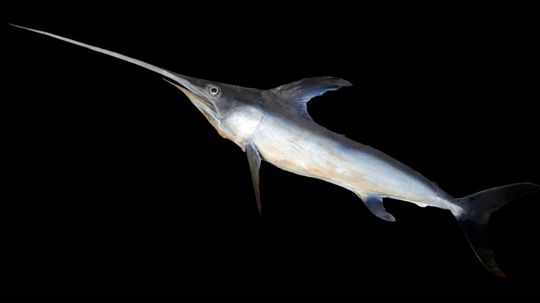
The swordfish's nose might look crazy weird, but these gladiators of the sea are perfectly outfitted for ocean battle.
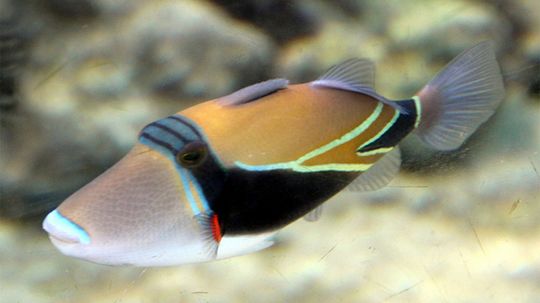
Humuhumunukunukuapua'a, the colorful little fish with the craaaaazy long name, is Hawaii's state fish, but it wasn't always.
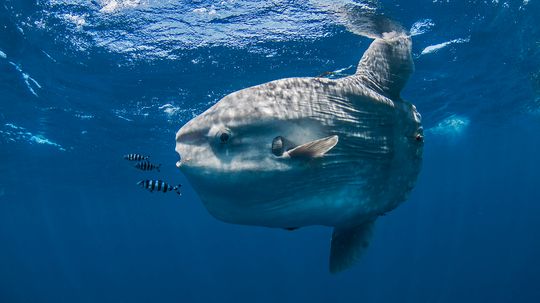
It's one of the gentle giants of the sea. It loves sunbathing, dining on crabs and taking deep dives to the ocean floor.
By Mark Mancini
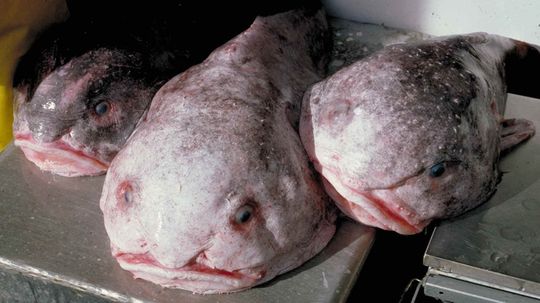
The blobfish is actually pretty average looking in its normal habitat, but becomes a blob when it transitions from the pressure at depth to the water's surface.
Advertisement
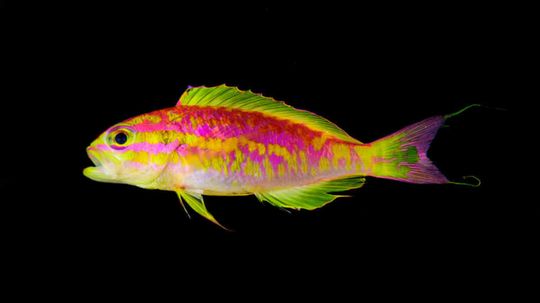
Scientific divers from the California Academy of Sciences discover new species of dazzling, neon-colored fish.
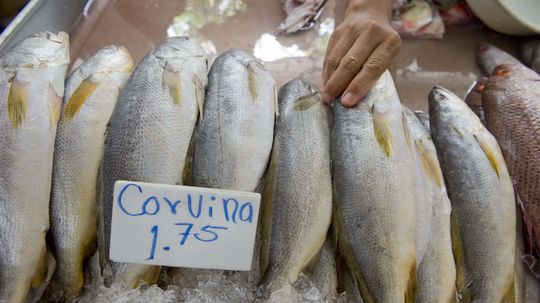
The Gulf corvina is the loudest fish on the planet, helping lead to its overfishing and endangerment.
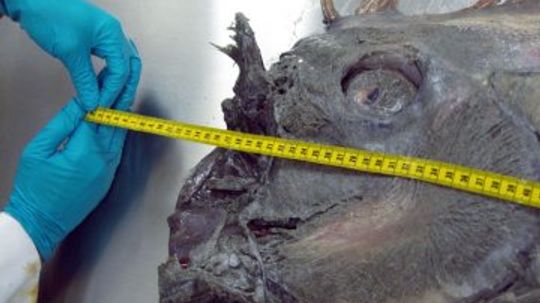
King of the herrings! What regal creature would have such a majestic history? It's the giant oarfish, and it's surfaced everywhere from sailors' nightmares to Southern Cali. Meet the longest bony fish ever!
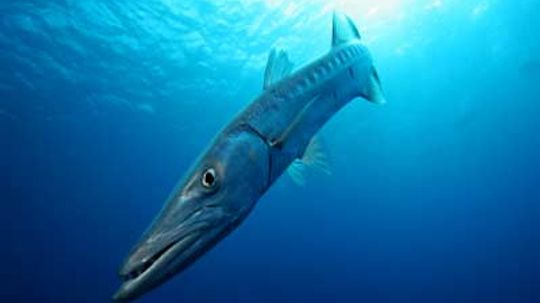
Oooooh, barracuda! It's not just a Heart song -- it's also a dinner dish. But should you be as suspicious of this creature on your plate as scuba divers are of encountering it in the water?
Advertisement
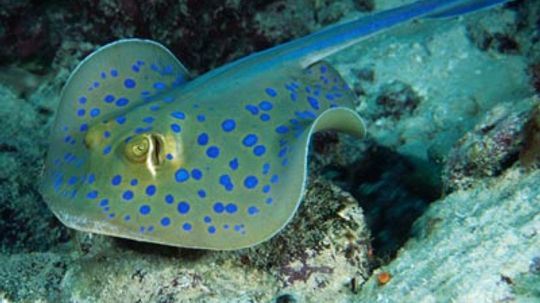
World-famous 'Crocodile Hunter' Steve Irwin, died on Sept. 4, 2006, in a shocking accident with a stingray. But stingray-related fatalities are almost unheard of, so what happened? Find out.
By Julia Layton