
Crustaceans
There are more than 52,000 species of Crustaceans in the world which include popular marine animals like lobsters, crabs, shrimp, crayfish and barnacles. Smaller crustacean breathe through their bodies and larger ones breathe through gills.
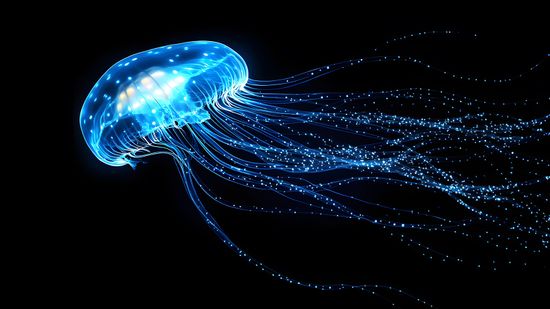
How Bioluminescent Jellyfish Get Their Signature Glow
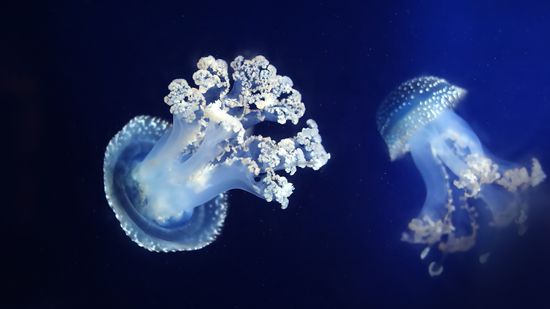
White Spotted Jellyfish: Cute Until They Become Invasive
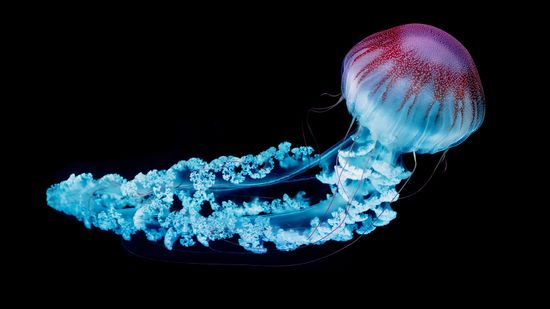
Deep Sea Jellyfish Have 30-foot-long Tentacles
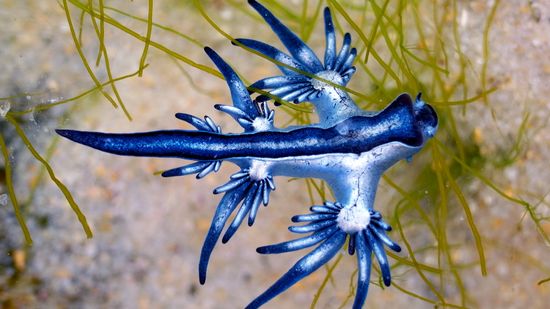
The Blue Dragon Sea Slug Eats Venomous Prey and Saves the Stingers for Later
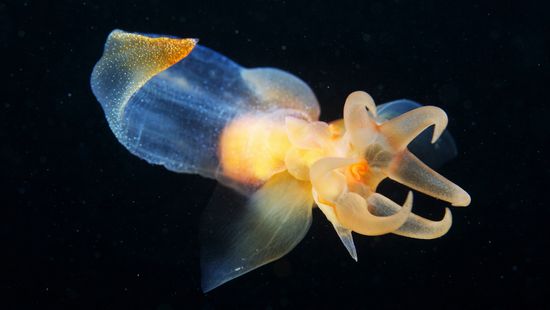
The Sea Angel Looks Like a Pixar Character Until It Attacks
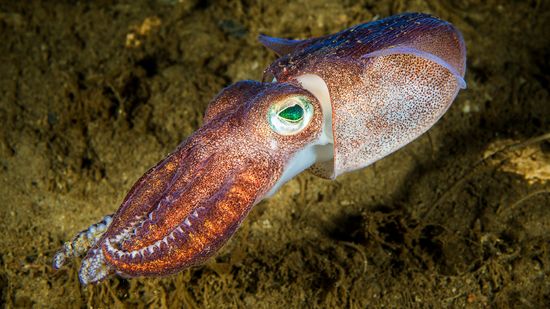
What Is a Group of Squid Called? Not a Squad, Unfortunately

Colossal Squid vs. Giant Squid: There's a Massive Difference
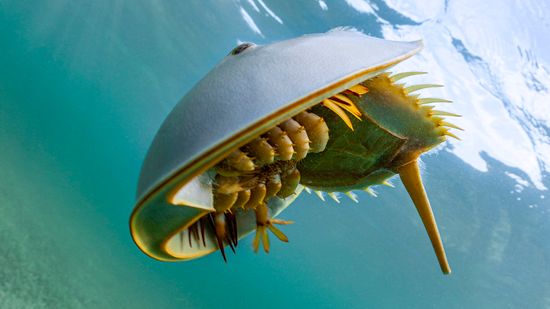
Horseshoe Crab Looks Like an Alien, If We're Being Honest
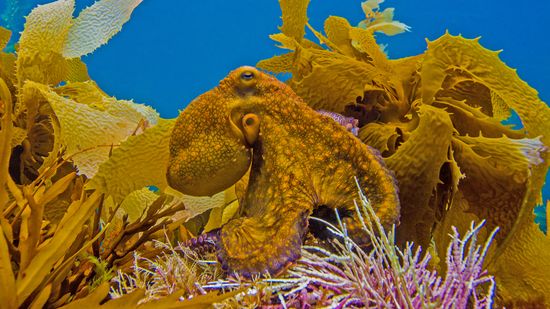
There Are 300 Types of Octopus Species, Some With Internal Shells
Learn More
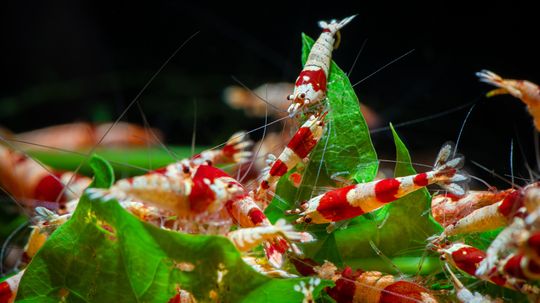
"What is a group of shrimp called" is a common Google search, especially when people start comparing shrimp to fish, crabs, or even cats.
By Nico Avelle
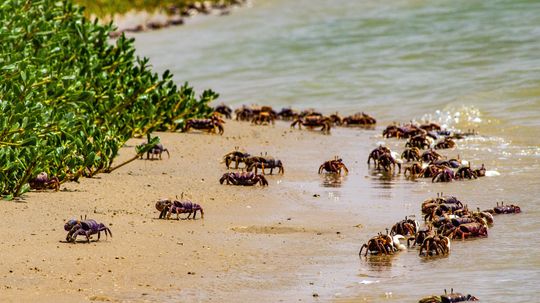
Crabs scuttle along the ocean floor, dig in the sand and wave their claws during territorial standoffs. But what is a group of crabs called? These quirky, armored creatures actually have more than one collective noun.
By Nico Avelle
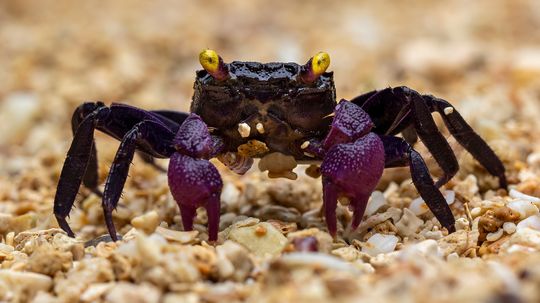
Vampire crabs might sound like horror flick creatures, but they’re actually one of the most striking pets you can keep in a paludarium.
By Nico Avelle
Advertisement
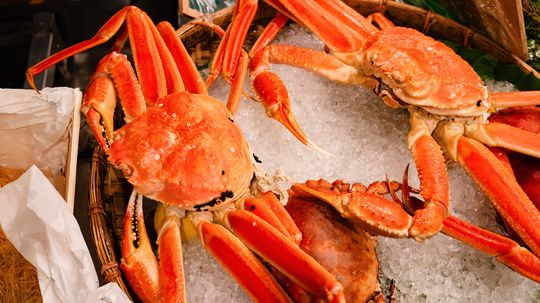
Snow crab is a seafood favorite known for its sweet, succulent meat and long, spindly legs. Found in the cold waters of the North Pacific and Bering Sea, snow crab is a top pick for crab lovers who enjoy cracking shells and dipping the tender meat in melted butter.
By Nico Avelle
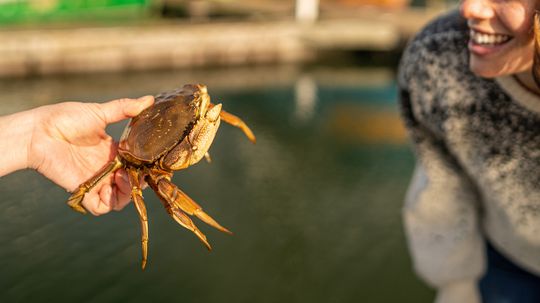
Dungeness crab (Metacarcinus magister) is more than just a seafood favorite; it’s a symbol of coastal culture from California to Alaska. This tasty crustacean is beloved for its sweet, tender crab meat and iconic crab legs.
By Nico Avelle
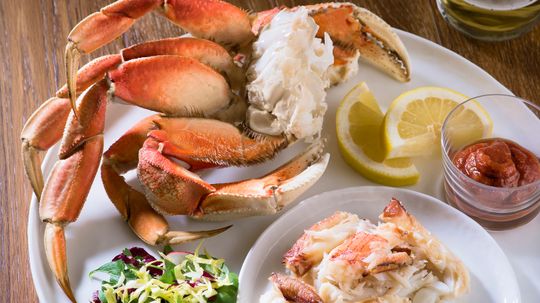
Seafood lovers, gather 'round! When it comes to crab on your plate, two heavy hitters often make a splash. That's why we're here to talk about Dungeness crab vs. snow crab.
By Nico Avelle
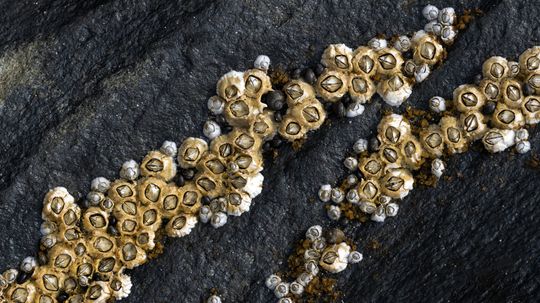
Ever notice those little crusty clumps stuck to rocks, boat hulls or even whales? Those are barnacles, and while they might not look like much, they're marvels of the natural world.
By Nico Avelle
Advertisement
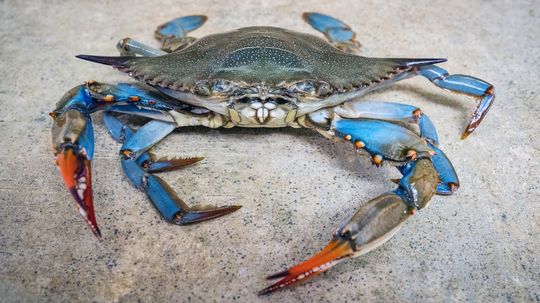
The blue crab is one of the most recognizable crustaceans in the coastal waters of the Atlantic and Gulf coasts. Found in the Chesapeake Bay, the blue crab plays a crucial role in marine science and fisheries.
By Zach Taras
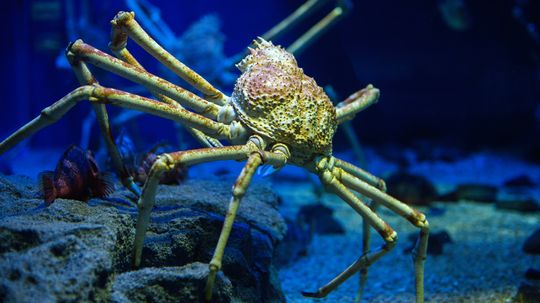
The Japanese spider crab is a fascinating and impressive animal. In fact, it is the largest arthropod in the ocean!
By Zach Taras
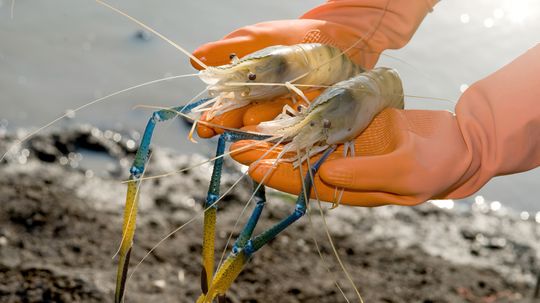
Shrimp, in addition to being a tasty addition to many cuisines around the world, is sometimes used as an insult to call a person small or short. But did you know there are over 2,000 species of shrimp, and many shrimp actually grow to be quite large? The world's biggest shrimp is not what you'd typically call shrimpy in size.
By Ada Tseng
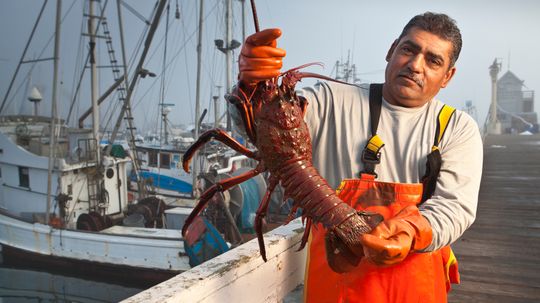
Both the European lobster and American lobster are crustaceans that people living in coastal regions love to eat, but left to their devices, the lobsters can survive many decades and grow to ridiculous sizes - particularly the American lobster, which is the largest arthropod species on Earth.
By Talon Homer
Advertisement
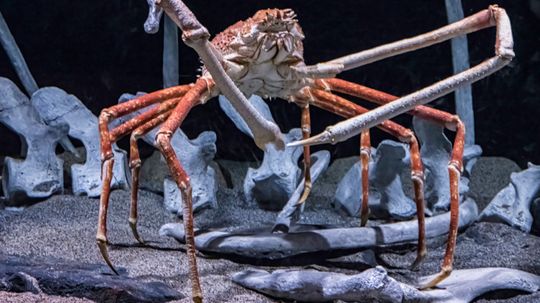
Known for their long legs, pincers and hard shells, most crustaceans are omnivorous scavengers, although some are predators or vegetarians. Either way, a steady diet can assist certain crab species in growing to incredible sizes.
By Marie Look
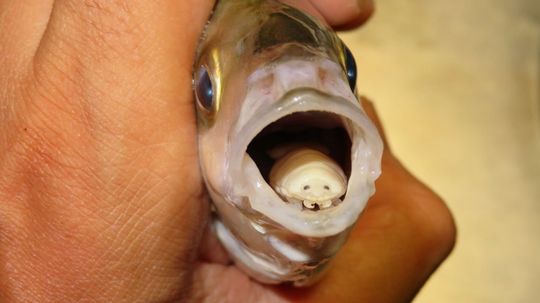
Cymothoa exigua will make you feel very glad you're not a fish.
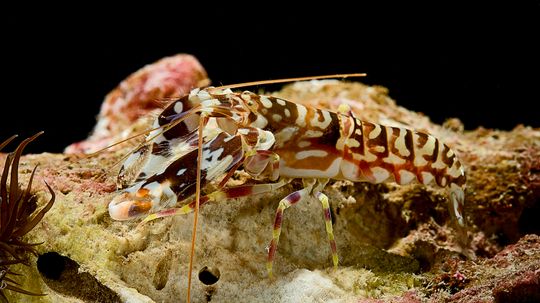
The pistol shrimp is feared in the ocean for its ability to hit a prey with air bubbles that travel 82 feet per second, pop at 218 decibels and deliver 8,000 degrees Fahrenheit of heat.
By Katie Carman
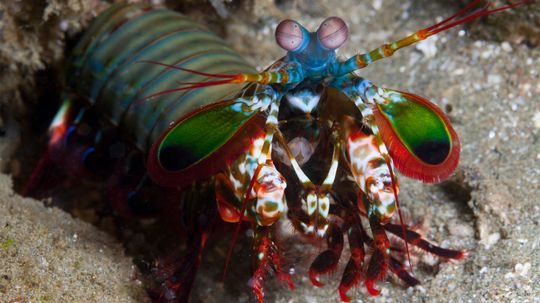
These brightly colored crustaceans can smash aquarium glass or quickly cut through a human finger, so whatever you do, keep your distance.
Advertisement
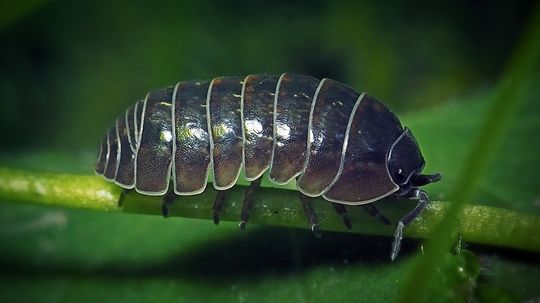
Roly-poly bugs are natural soil conditioners because they process decomposing matter, helping keep your garden soil clean and healthy. And - fun fact - they're crustaceans, not insects.
By Jeremy Glass
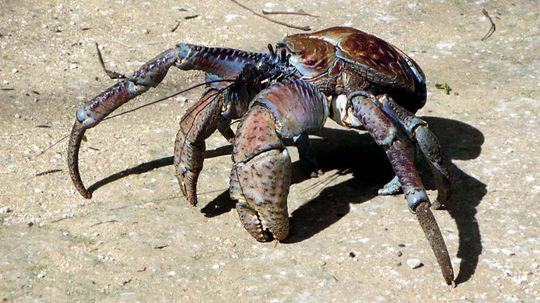
The biggest land-dwelling arthropod can crack into everything from coconuts to carcasses, but they're also really vulnerable.
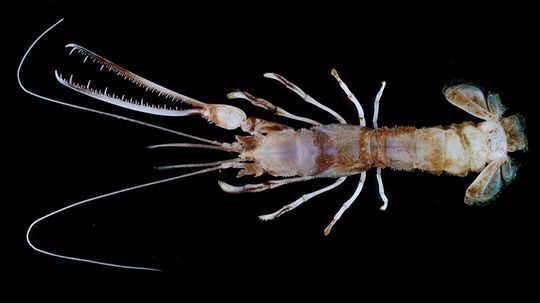
The first-ever deep-sea exploration of West Java seas netted more than 12,000 marine creatures, including some new species of crabs, prawns and lobsters.
By Oisin Curran
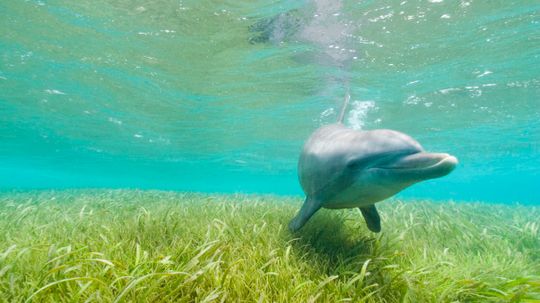
Scientists have discovered for the first time that animals pollinate flowers in the ocean.
By Alia Hoyt
Advertisement
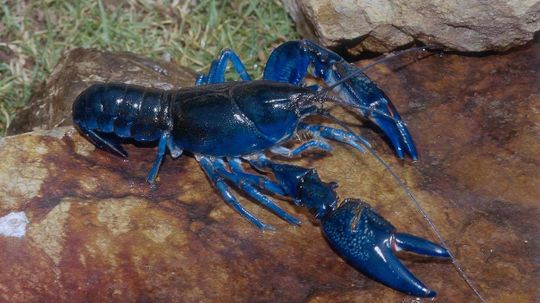
A Massachusetts fisherman recently caught a blue lobster, which had us wondering how rare this crustacean really is.
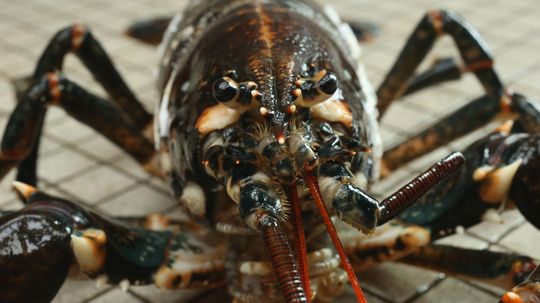
Do you think much about the lobster before you crack it open and dip it in butter? These humble animals have some very odd habits. For one thing, they pee out of their faces.
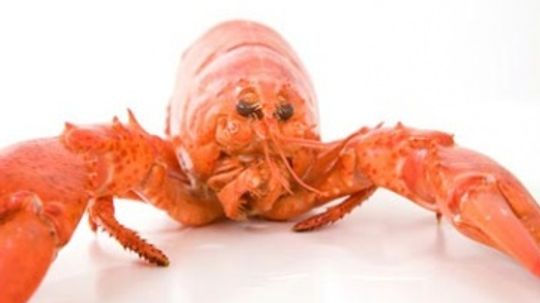
Although no one can yet tell how old lobsters get, they show no apparent signs of aging. Learn why lobsters live so long and get so big, and what this means for other animals, including humans.