
Insects and Arachnids
Insects and arachnids are the most popular wild animal on Earth. Read our collection of articles discussing all sorts of ants, bugs, butterflies, spiders and just about every other type of insect and arachnid.
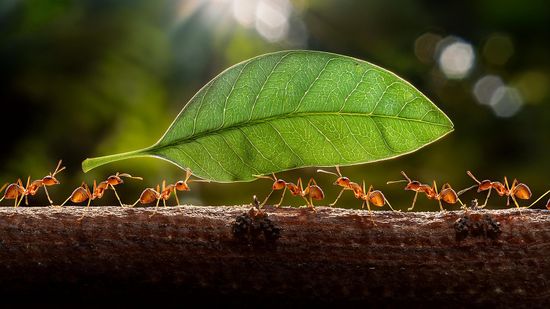
What Is a Group of Ants Called? Army vs. Colony vs. Swarm
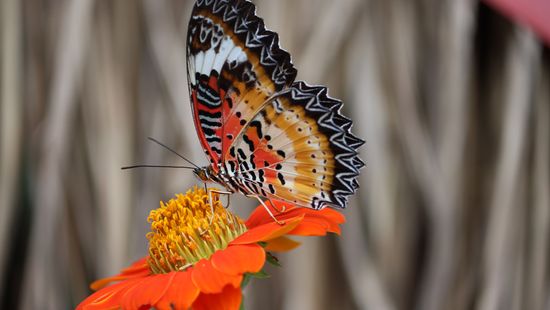
10 Red Butterfly Species Found From India to Florida to Europe
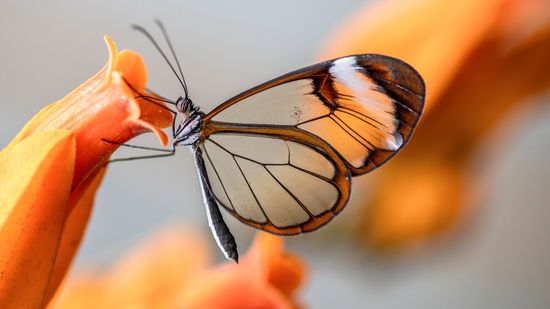
How the Glasswing Butterfly Flutters (Almost) Invisibly
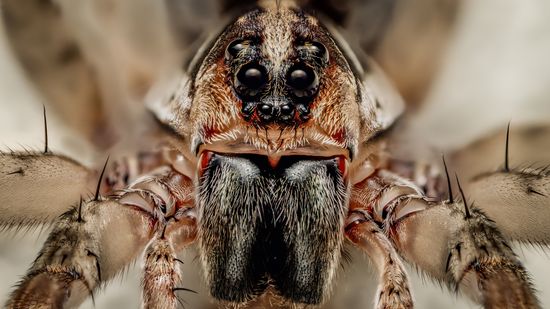
What Is a Group of Spiders Called? (Aside From Icky)
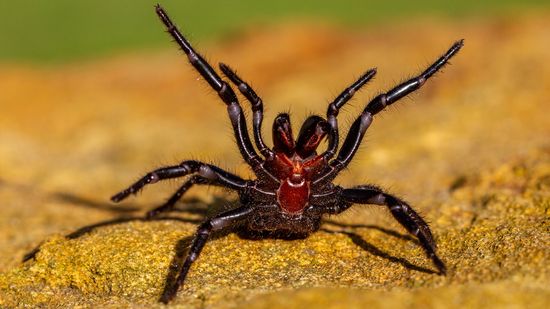
Newcastle Funnel-web: Just 1 of 3 Deadly Sydney Funnel-web Spiders
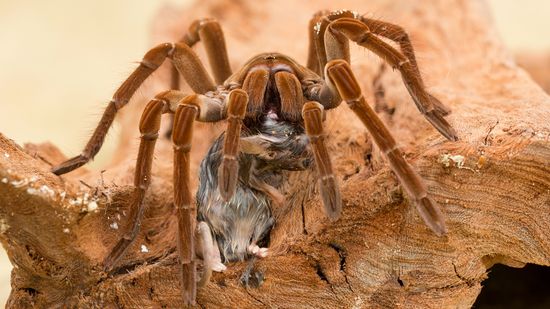
Goliath Birdeater: A Huge Tarantula That Only Eats Birds Sometimes
Learn More / Page 7
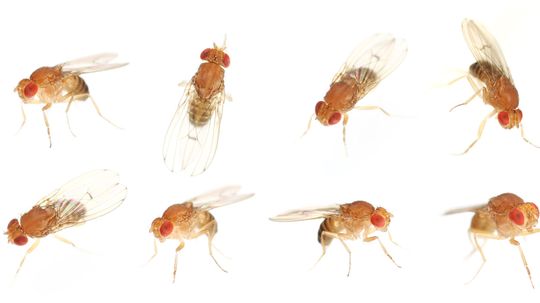
Why do my home and office seem to be infested with gnats in the summer? Where are they coming from?
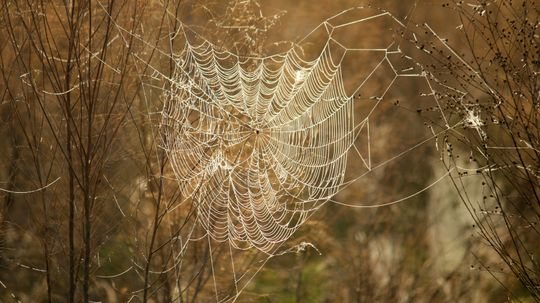
Spider silk is five times stronger than steel and twice as strong as bullet-proof Kevlar. What exactly is spider silk, what is it made of and why is it so strong? Find out the answers to these questions and learn other facts about spider silk.
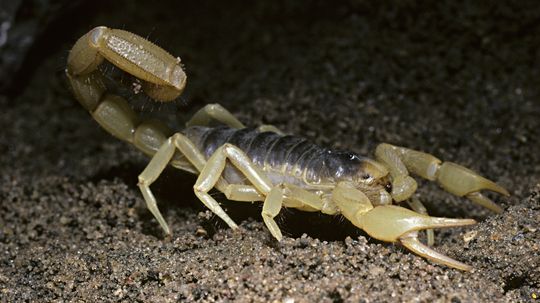
Scorpions have been around for 450 million years. But the species hasn't been sustained by a healthy, vibrant diet: This opportunistic eater would rather wait for food to come to it than go out hunting for it. So how many meals does that amount to?
Advertisement
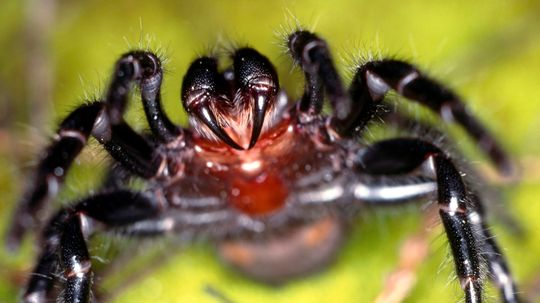
If looks could kill, bristly tarantulas would be the spiders to watch out for. But violins and hourglasses are far more cause for concern.
By Cristen Conger & Zach Taras
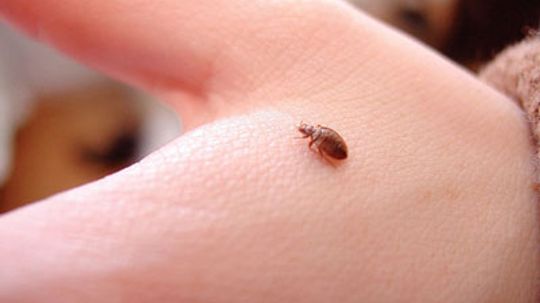
With DDT on the no-no list and international travel more common than ever, the little parasites known as bedbugs are showing up in record numbers across the country.
By Julia Layton
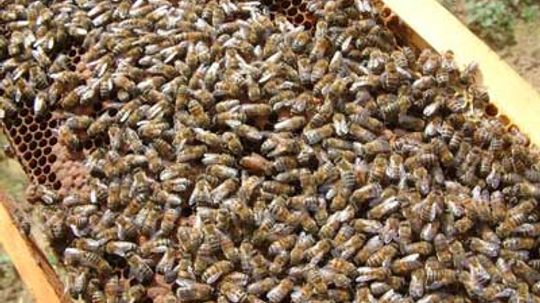
You know you love the taste of it, but do you know exactly how honeybees make honey? And what exactly is honey? Find out how bees make honey here.

The world is a dangerous place for butterflies. Raindrops loom as big as bowling balls, and well-meaning fingers can threaten flight and life. What's a winged one to do?
Advertisement
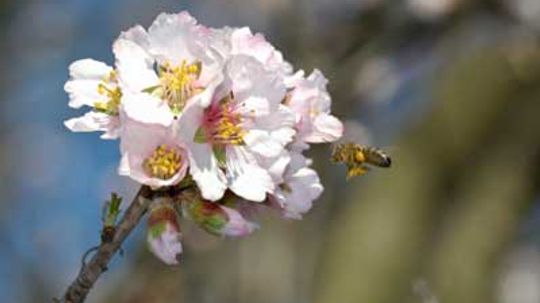
Wonder what would happen if everyone you knew disappeared? Don't call the authorities yet. A mysterious condition called Colony Collapse Disorder affects beehives, causing some bee populations to vanish and possibly die.
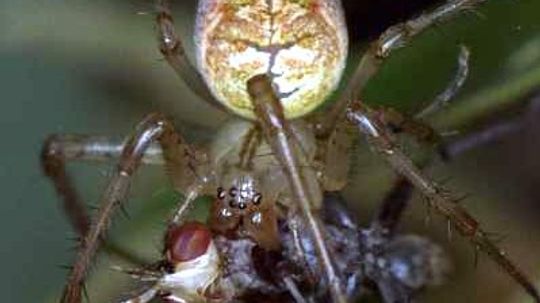
Studies have shown that you're never more than ten feet away from a spider is and one estimate puts you as close as three feet. Check out some more spider facts.
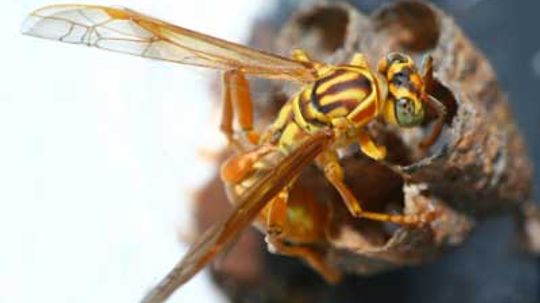
Despite the fact you'll never find anything called "wasp honey," wasps perform a vital service by helping to pollinate the world's plant life -- and eliminate various six- and eight-legged pests.
By Robert Lamb
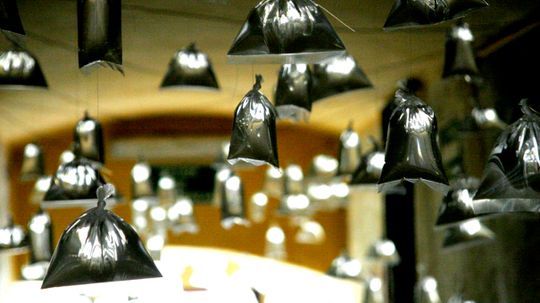
Have you ever seen a water bag hanging in a restaurant? It's not a design trend - some people say the bags repel flies. Does this method hold water?
By Robert Lamb
Advertisement
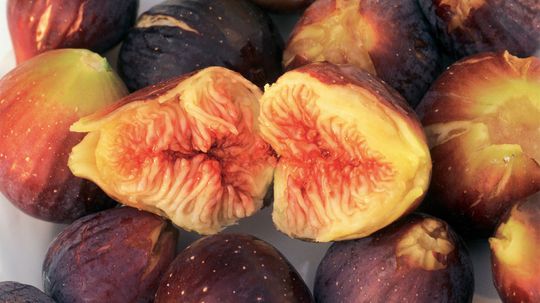
If you're snacking on fig bars, make sure to check the nutritional content for wasps. Wasps risk their lives to provide enough figs to satisfy every fruit- and cake-related craving.
By Robert Lamb
Swat it, smash it, spray it. It's tough to get rid of the world's most annoying roommate: the housefly. But at least the housefly won't steal your food -- whoops, never mind.
By Robert Lamb
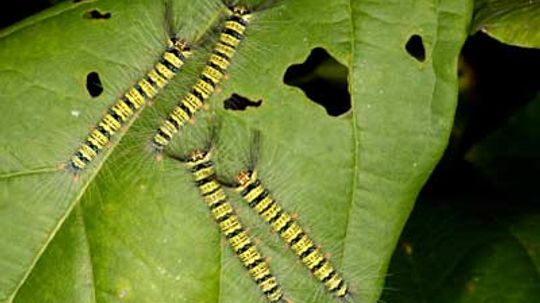
A caterpillar spends its life eating -- foliage, some animals like ants and snails, and even its own skin it previously shed. What do caterpillars do with all of this stored up food? And why do they use their waste as projectiles?
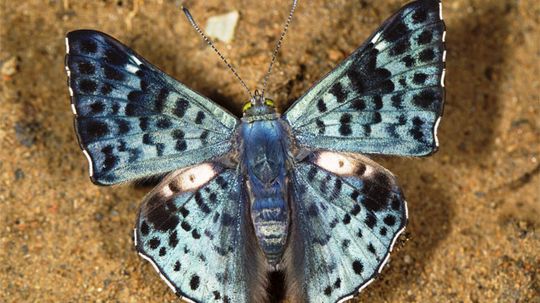
The difference between butterflies and moths is a lot like the difference between frogs and toads. There are some rules of thumb you can follow to tell them apart, but there are also exceptions to those rules. So how do you tell the difference?
Advertisement
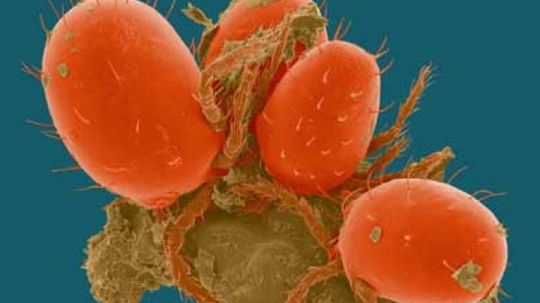
If you have ever been out in the woods or an open field in spring, summer or fall, you may have gotten chiggers around your waistband or on your ankles. They leave red, itchy bumps on your skin. Learn more about these arachnids.
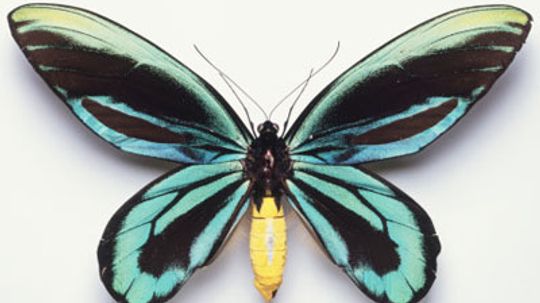
The brilliantly colored orange wings of a monarch butterfly are as recognizable as the plumes of a peacock. Why are butterfly colors some of the best and brightest in nature?
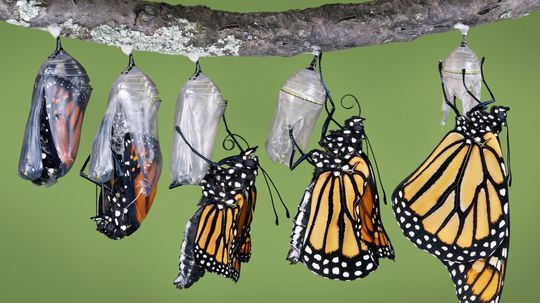
If you've seen a butterfly in your lifetime, you probably noticed their colorful wings, or saw one basking in the sunlight. But I bet you didn't realize that it would soon die. Why are their life spans so short, and are they nearly extinct?
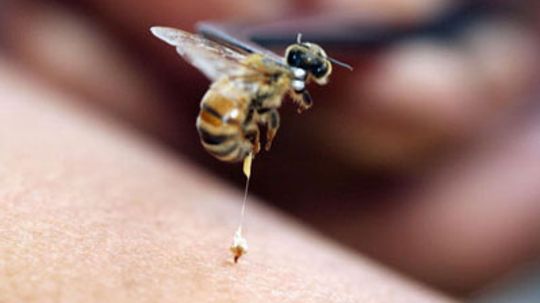
Wasps and bees are different, yes. But how can we distinguish? Here's a hint: The bee's the one near the flowers. The wasp's the one buzzing around your turkey sandwich.
Advertisement
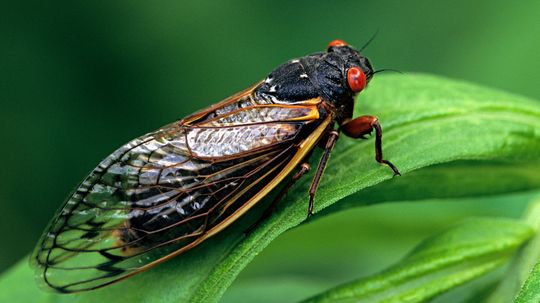
Cicada singing is often heard during the hot summer months. The distinctive high-pitched noise often fills the air. What's the purpose of that noise?
Chiggers are tiny arachnids that are known for delivering bites that itch intensely. Find out how chiggers work and learn about the chigger reproduction cycle.
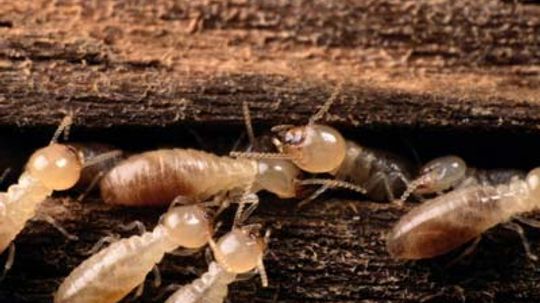
Termites have existed for 50 million years and can be found throughout the world. Learn about termites and find out how termite colonies are structured.
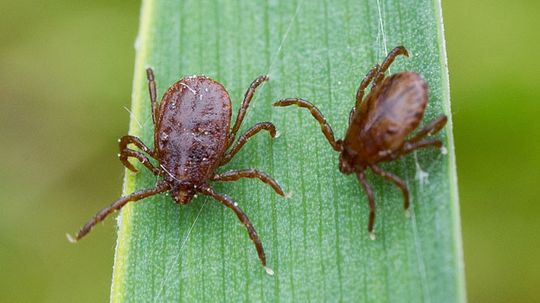
Ticks are parasites that feed on the blood of their hosts -- human or otherwise -- and are known for carrying diseases. Learn all about ticks, including how to remove them.
Advertisement
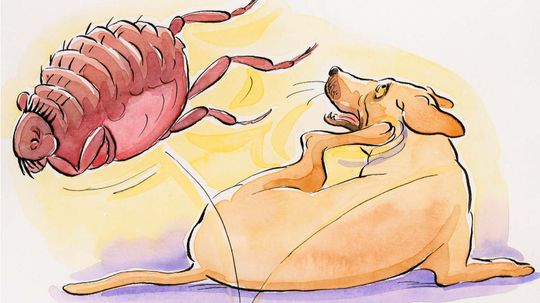
Fleas are essentially freeloaders that live off the blood off the blood of us and our pets. So how can you get rid of these nasty parasites?
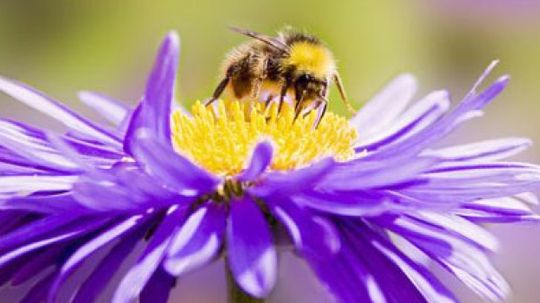
Bees exhibit many traits found in stories and myths -- traits that have led many cultures to view them with reverence or awe. Explore how bees make honey and examine the potential causes and effects of Colony Collapse Disorder.