
Mammals
Scientifically-speaking there are 11 mammal groups, and most Mammals are warm-blooded, have body hair, give live birth and nurse their young with milk from mammary glands. Check out these articles about all kinds of mammals.
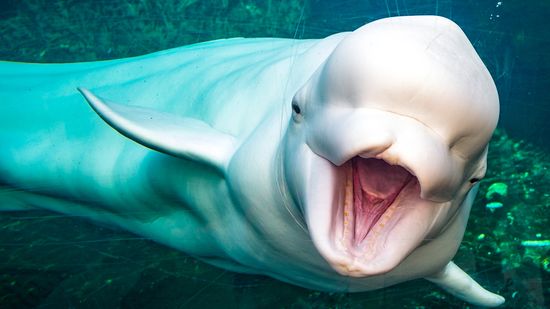
The White Whale Whistles and Clicks—Not Your Typical Whale Song
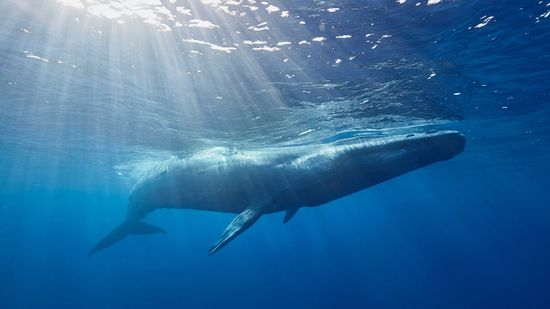
Why Are Blue Whales Going Silent?
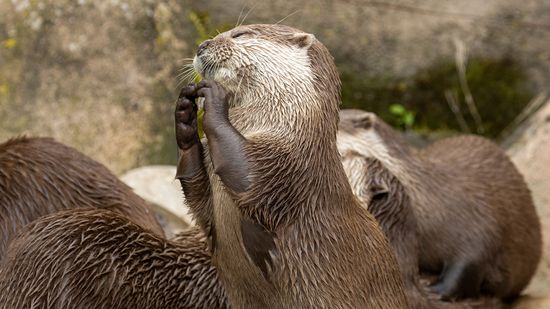
What Is a Group of Otters Called? The Official Terms Are Adorable
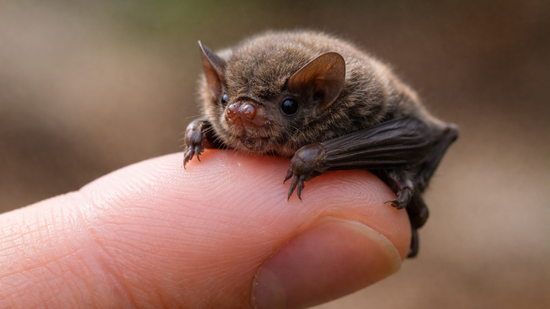
The Smallest Bat in the World Is the Size of a Bumblebee
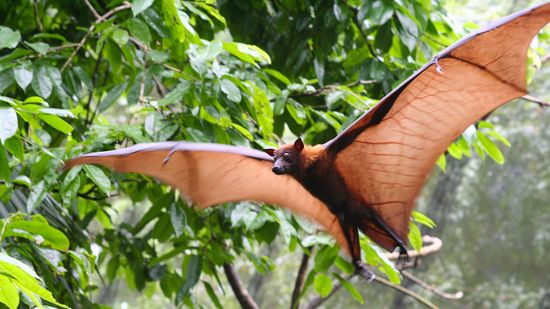
The Largest Bat in the World Has a Wingspan Over 5 Feet
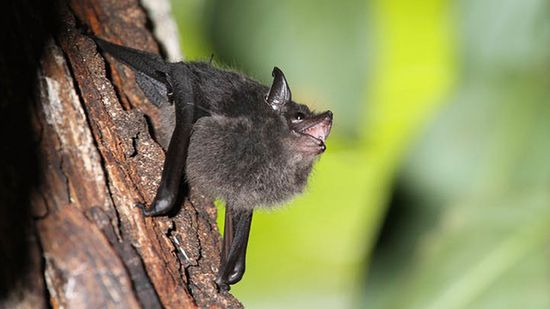
Baby Bats Babble With Moms, Hinting at Human Language Development
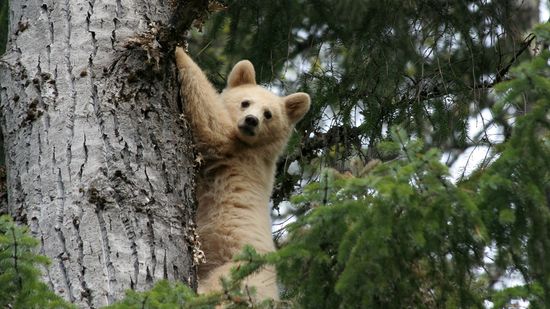
This Spirit Bear Is Neither Albino Nor a Polar Bear
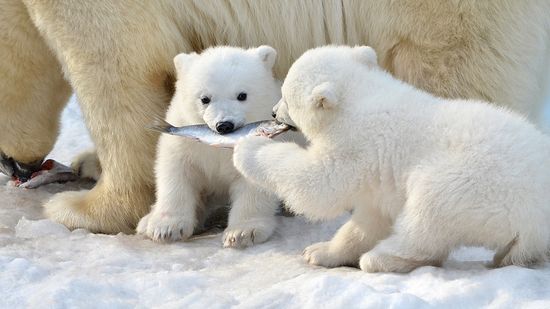
What Is a Group of Polar Bears Called? Sounds Sneaky
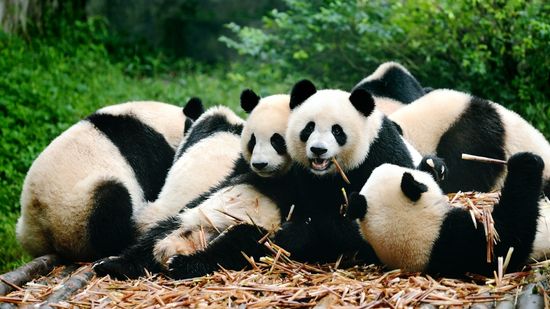
What Is a Group of Pandas Called? We're Blushing
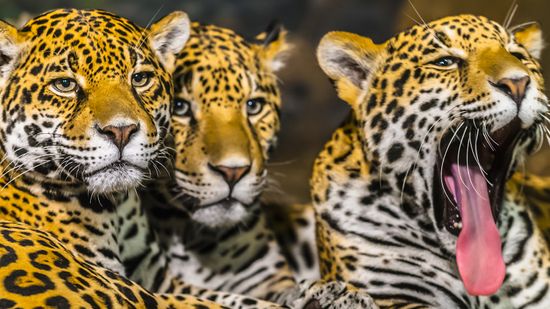
What Is a Group of Jaguars Called? Sounds Shady...
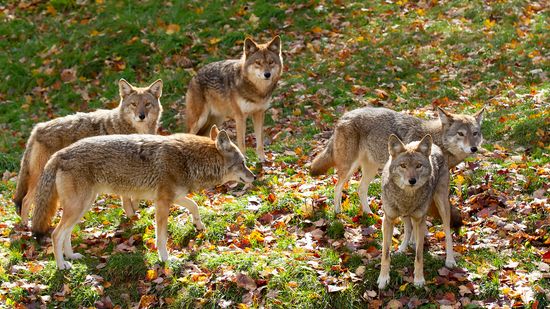
What Is a Group of Coyotes Called?
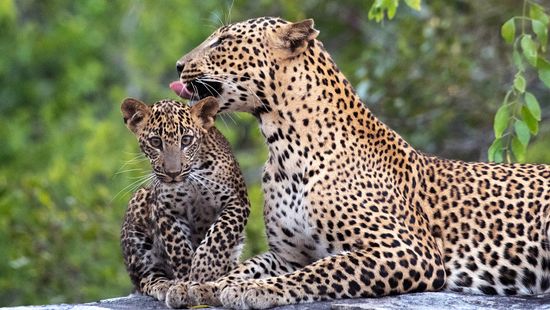
What Is a Group of Leopards Called? Hint: It's Related to Their Behavior
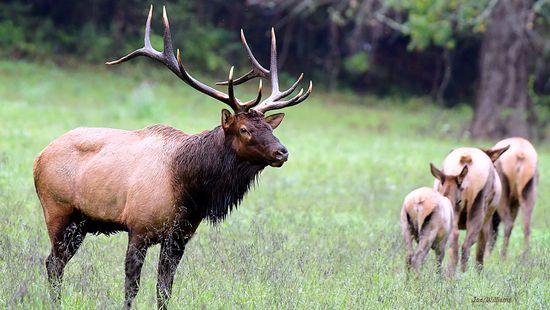
What Is a Group of Elk Called? Not Always a Gang
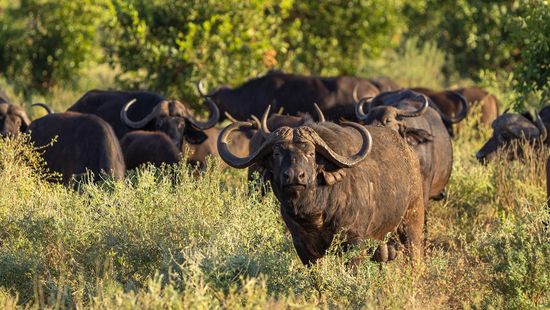
What Is a Group of Buffalo Called? Hint: It Also Applies to Bison
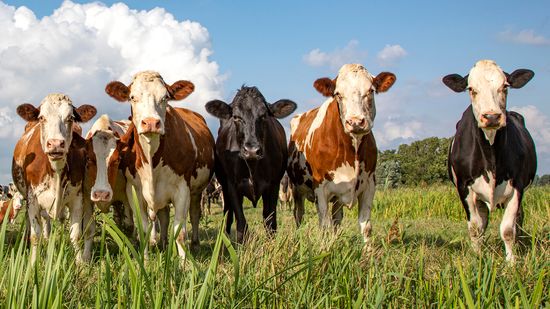
What Is a Group of Cows Called? Not Always a Herd
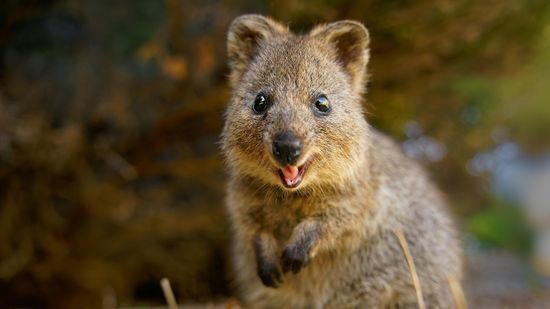
The Happiest Animal on Earth Is the Quokka
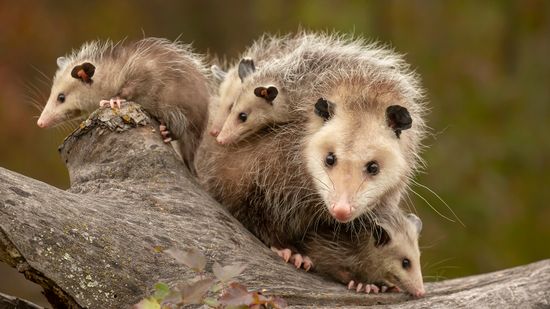
What Do Possums Eat? Most Things, It Turns Out
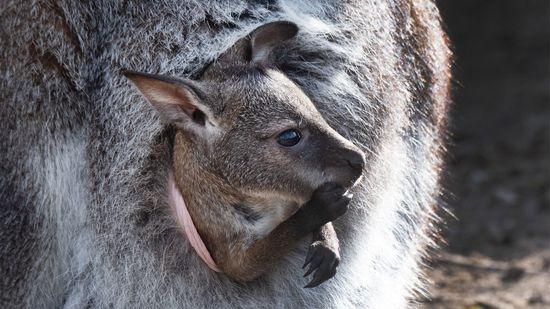
What's It Like Inside a Kangaroo's Pouch?
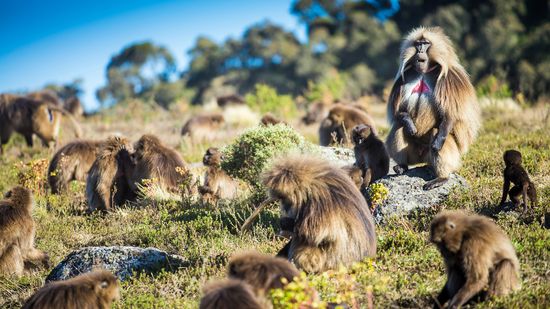
What Is a Group of Baboons Called, a Congress or a Troop?
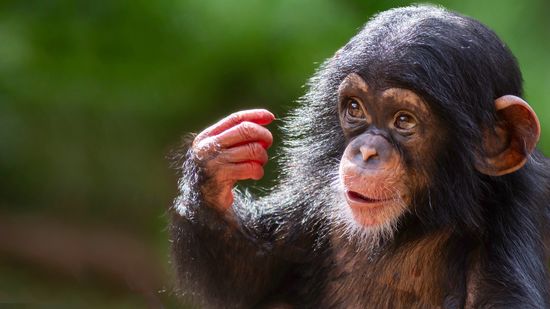
What Is a Group of Apes Called? Not a Troop but a...
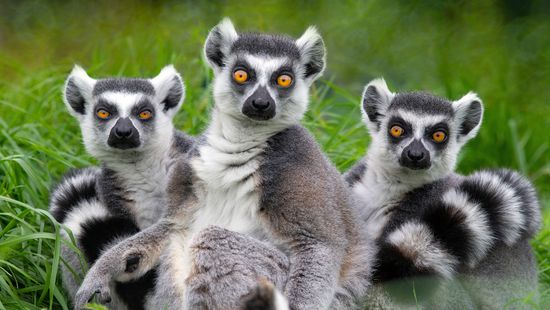
What Is a Group of Lemurs Called? Sounds Highly Suspicious
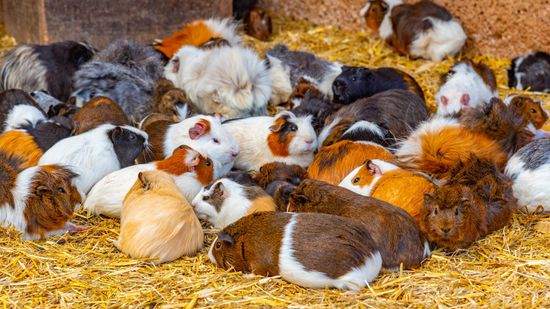
What Is a Group of Guinea Pigs Called? It's Bigger Than You'd Expect
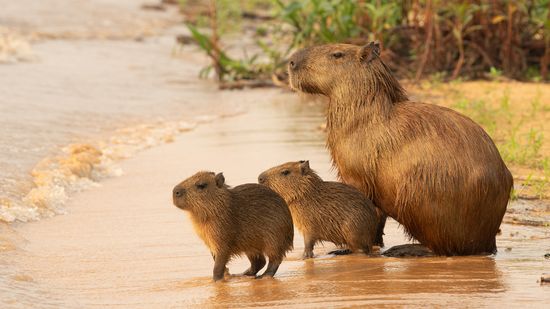
What Is a Group of Capybaras Called? Reminiscent of Cattle
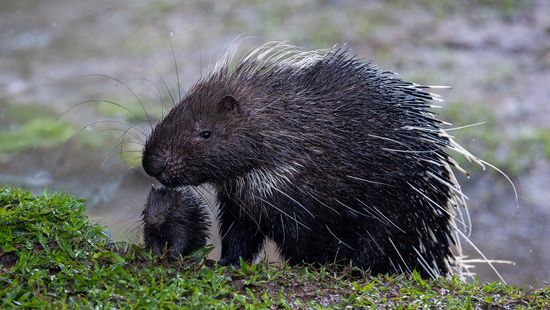
What Is a Group of Porcupines Called? Exactly What It Looks Like
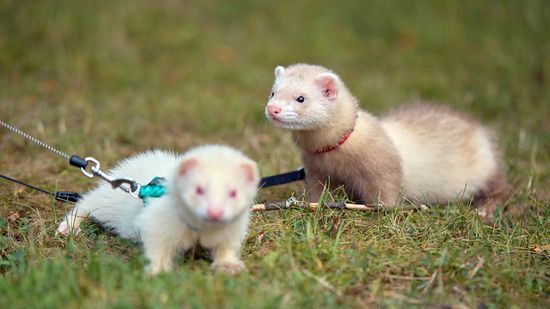
What Group of Animals Is Called a Business?
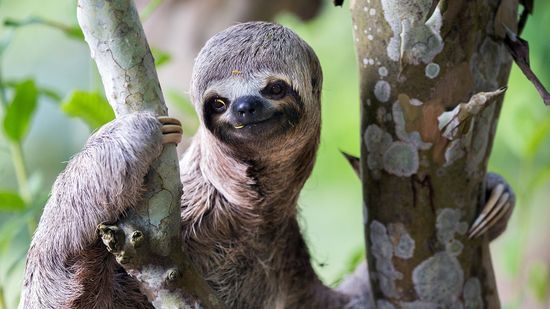
What Is a Group of Sloths Called? It's About as Cuddly As They Are
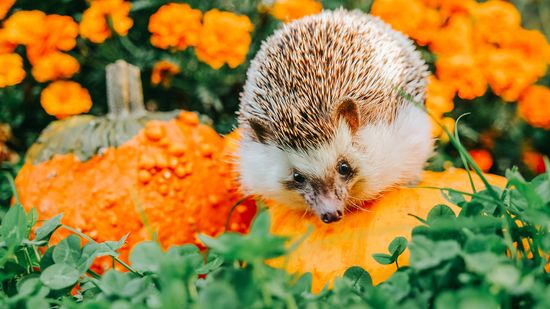
What Is a Group of Hedgehogs Called? It's Adorably Appropriate
Learn More / Page 5
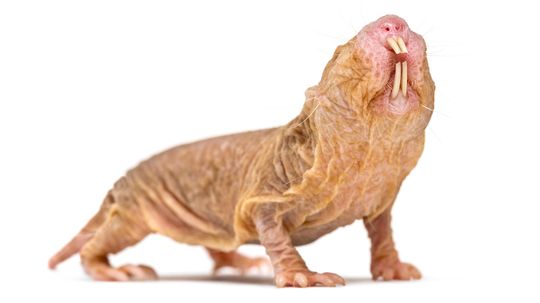
The naked mole rat (Heterocephalus glaber) is found in the dry regions of East Africa. These hairless, wrinkly rodents live in underground colonies that function more like insect hives than typical mammal groups.
By Mack Hayden
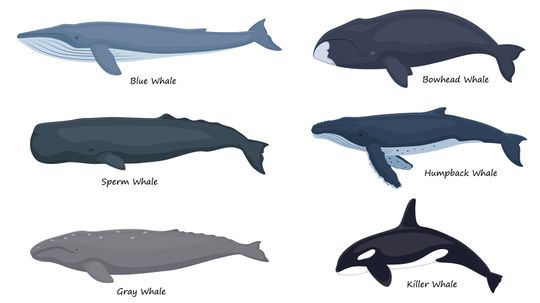
The bowhead whale (Balaena mysticetus) is found in the icy waters of the Arctic. These are the longest-living mammals; some bowhead whales live for over 200 years. That's older than many countries' independence!
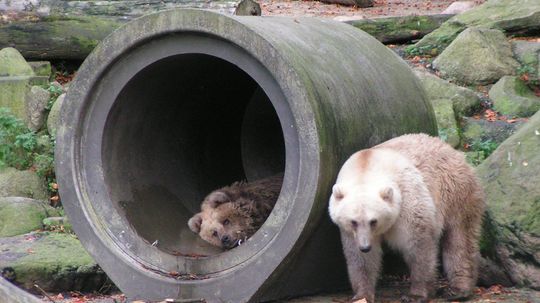
The grolar bear, also known as the pizzly bear, is a hybrid animal that's the result of crossbreeding between a polar bear and a grizzly bear, two species typically separated by geography and habitat.
Advertisement
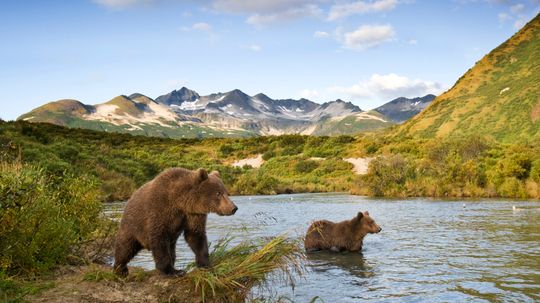
Bears are incredible creatures, but they can also be some of the most dangerous animals on the planet. While even the most dangerous bear will typically avoid humans, under the right (or wrong!) circumstances, it can become aggressive, especially if it feels threatened or if you're in its territory.
By Talon Homer
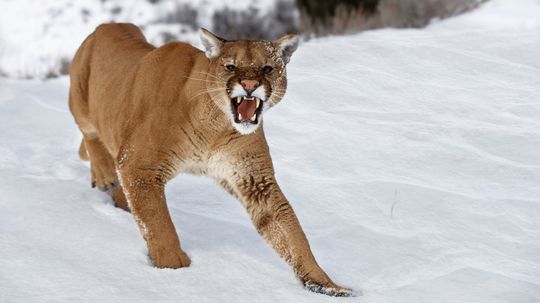
What's the difference between a purring feline on your lap and the most dangerous cat in the world? Whether large or small, the skilled hunters on this list capable of taking down prey — and sometimes they come into contact with humans, resulting in fatal or serious injuries.
By Zach Taras
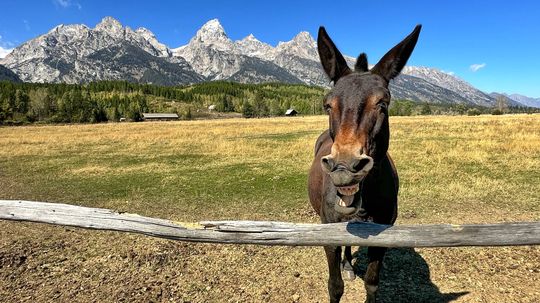
Since many of us no longer live in small agricultural societies, while you might be familiar with the idea of a mule, you might not know about the specifics of the actual animal.
By Zach Taras
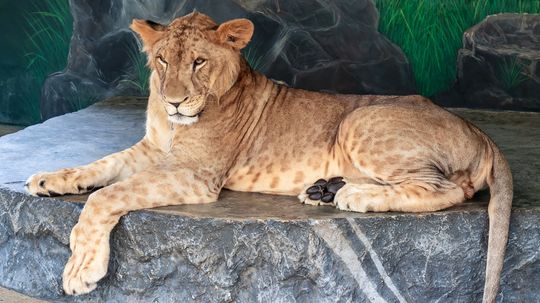
The liger is the offspring of a male lion (Panthera leo) and a female tiger (Panthera tigris). There is another type of lion-tiger hybrid called a tigon, which results from the breeding of a male tiger and a female lion. But ligers specifically have male lions as their fathers and female tigers (aka tigresses) as their mothers.
By Ada Tseng
Advertisement
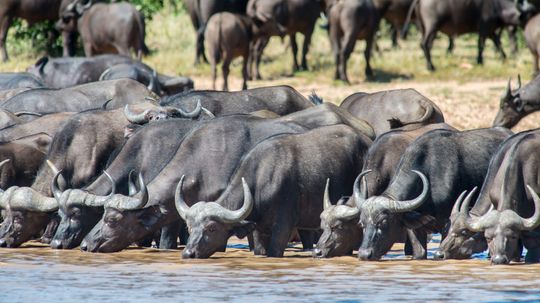
Today, we're exploring one of Africa's most formidable and awe-inspiring animals: the Cape buffalo. This powerhouse bovine isn't just a member of the prestigious "Big Five" — it's also one of the most dangerous animals on the continent.
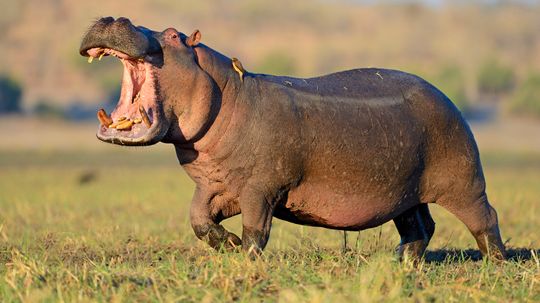
Did you know the word "hippopotamus" comes from the ancient Greek for "river horse"? But don't let that fool you; this big, lumbering mammal is anything but a horse. In fact, it's one of the most powerful animals living in Sub-Saharan Africa today.
By Talon Homer
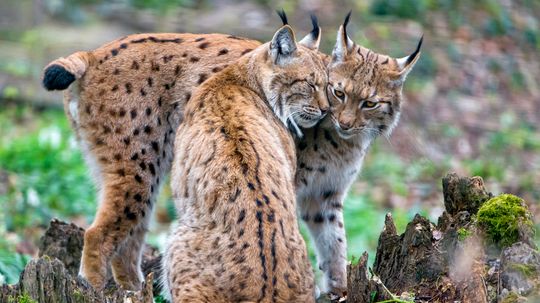
The Eurasian lynx (Lynx lynx) roams across a vast range that stretches from the dense boreal forests of Western Europe to the rugged mountains of Central Asia. The largest of all the lynx species, it plays a crucial role as a top predator in its ecosystem.
By Yara Simón
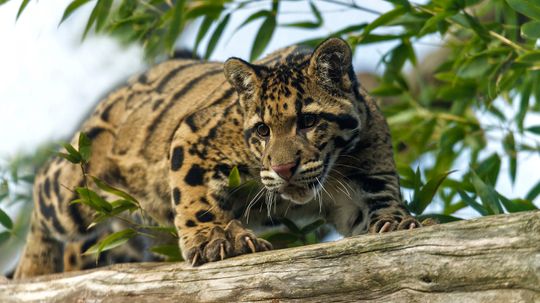
The clouded leopard roams the dense forests of Southeast Asia, from the foothills of the Himalayas to the tropical rainforests of Borneo and Sumatra. These elusive big cats have striking coat patterns and unique adaptations.
By Yara Simón
Advertisement
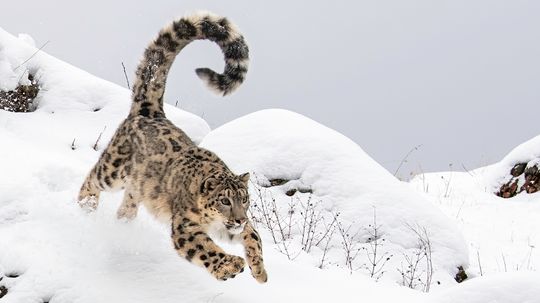
Often called the "ghosts of the mountains," the elusive snow leopard is one of the most mysterious big cats. Found in the rugged mountain ranges of Central Asia, these beautiful animals are perfectly adapted to their harsh, cold environments.
By Yara Simón
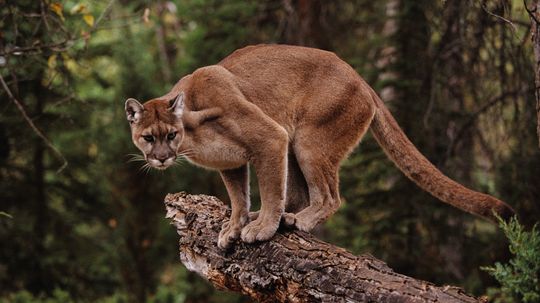
The cougar, also known as Puma concolor, is one of the most adaptable and widespread cat species in the Americas. You can find this elusive predator, commonly referred to as a mountain lion or puma, across a vast range that extends from the southern tip of South America to the wilds of Canada.
By Yara Simón
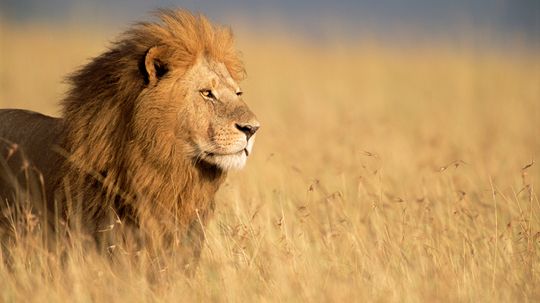
The lion, scientifically known as Panthera leo, is an awe-inspiring animal. These majestic big cats symbolize strength, courage, and royalty across various cultures. Primarily found in Africa and a small pocket in India, wild lions play a crucial role in maintaining the balance of their ecosystems.
By Yara Simón
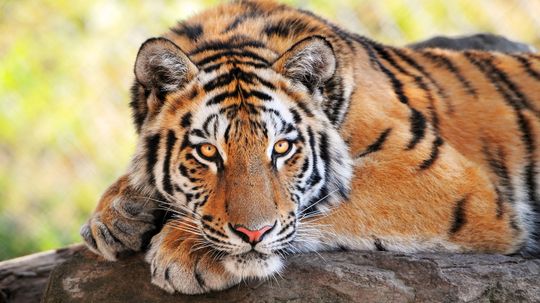
Tigers, scientifically known as Panthera tigris, have striking orange coats, black stripes and piercing eyes. Like other big cats, tigers are at risk. Tiger populations occupy about 5 percent of their historical range, making conservation necessary.
By Yara Simón
Advertisement
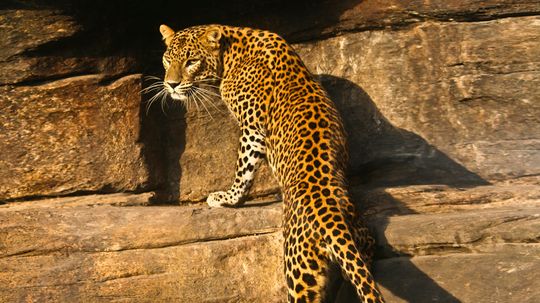
Leopards, scientifically known as Panthera pardus, are some of the most adaptable big cats in the world. These sleek and powerful animals live in various habitats, from the savannas of Africa to the mountains of Central Asia.
By Yara Simón
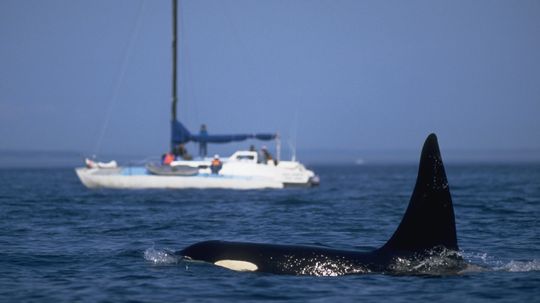
For the past few years, orcas attacking boats have been making headlines, most recently off the coasts of Spain in the Atlantic Ocean. These incidents, involving a group of orcas known as the Iberian orcas, have been occurring since 2020.
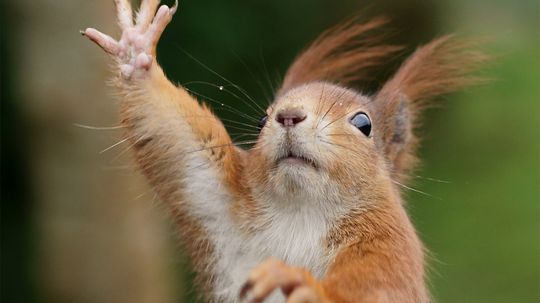
A study at the University of Exeter in January 2020 found that squirrels that strongly favored a paw - whether right or left - perform less well at learning tasks. Ah ... OK. So. Many. Questions.
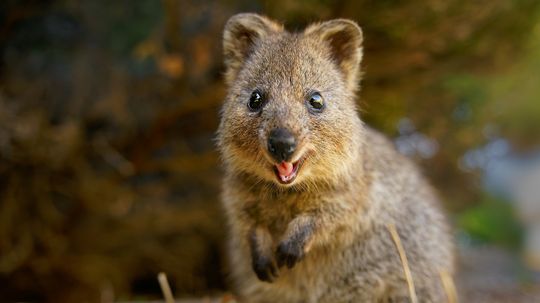
It's small. It's cute. It's the happiest animal on Earth. The quokka earned the title of world's happiest animal because of its "smile."
By Yara Simón
Advertisement
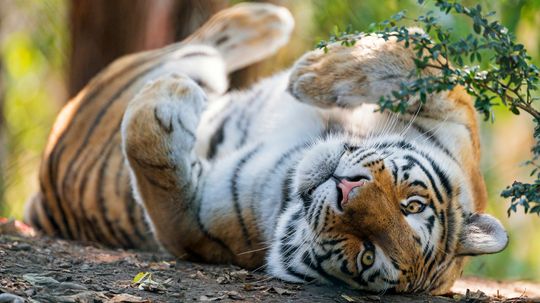
Get ready to unleash your inner wild as we prowl into the heart of the animal kingdom, where the biggest cat in the world roams. And no, we're not talking about Barivel, the Maine coon who holds the record for the longest domestic cat in the world.
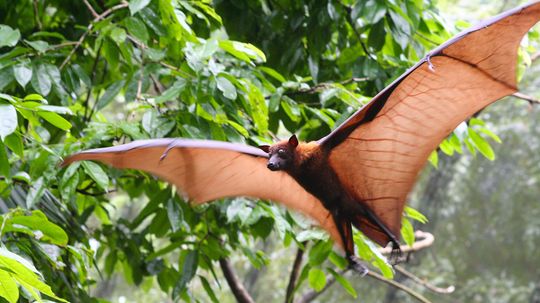
Whether out of fear or fascination, you might wonder, what is the largest bat in the world? The flying mammals aren't all petite petite creatures.
By Zach Taras
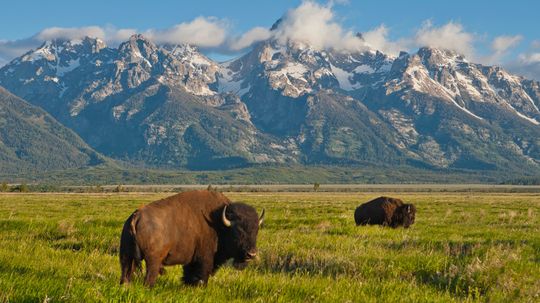
People often use the terms "bison" and "buffalo" interchangeably when referring to large, wooly animals in the Bovidae family. If you drive by one of the two in a national park you may even be inclined to say, "Buffalo, bison - they're basically the same, right?"
By Sascha Bos
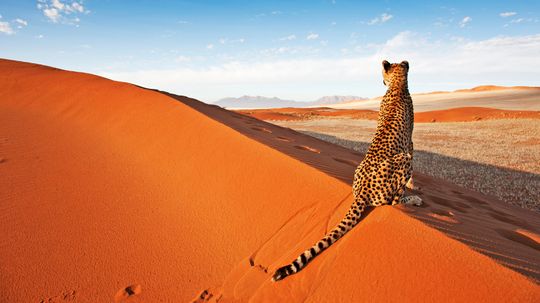
Think you can handle cheetah vs. leopard identification? Despite the similar coats, these big cats are built for very different habitats and hunting priorities.
Advertisement
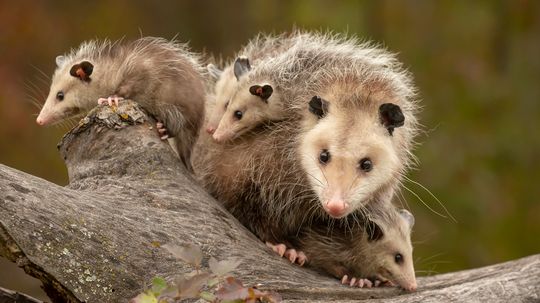
If you're trying to keep opossums out of your trash, you may be asking yourself, "What do possums eat?" Unfortunately, the answer is just about everything.
By Yara Simón
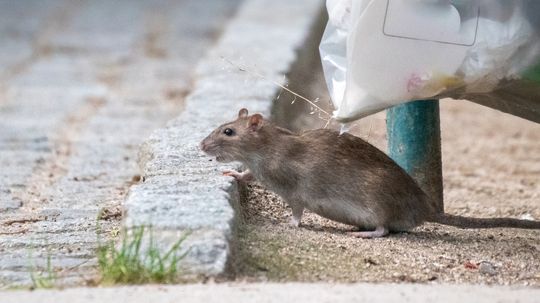
Determining whether you're dealing with a rat vs. mouse infestation is the first step in solving the problem.
By Yara Simón