
Wild Animals
Whether they crawl, fly, swim, slither, walk, run or pounce, wild animals rely on their instincts. Read about all kinds of wild animals, mammals, birds, fish, insects, reptiles and amphibians.
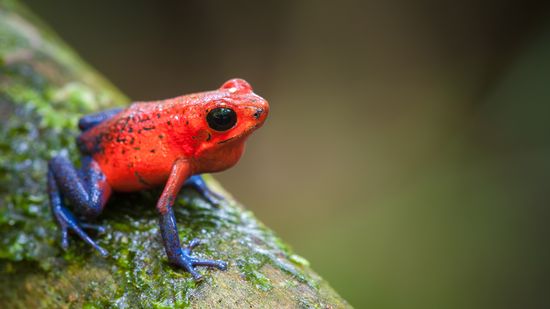
12 Colorful Frog Species: From Tie-dyed Designs to Rare Hues
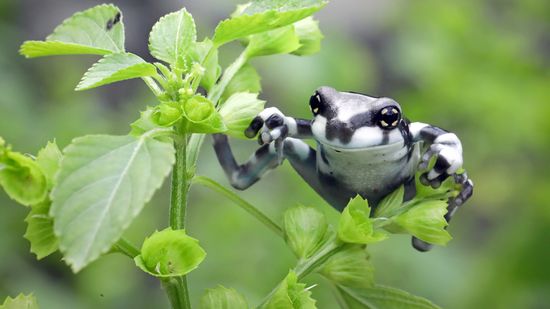
Amazon Milk Frog: Named for Its Defense, Not Its Color
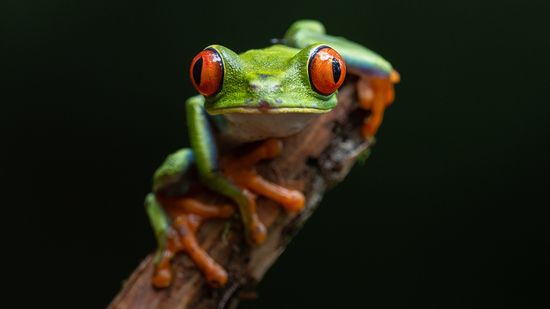
The Red-eyed Tree Frog Has Extremely Sensitive Skin
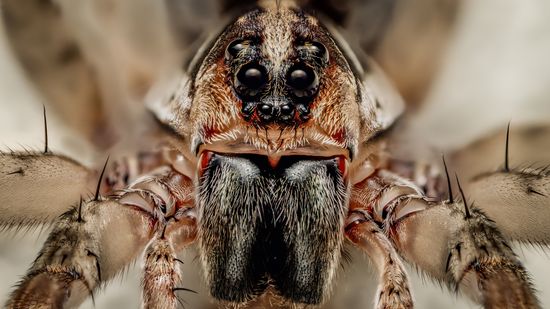
What Is a Group of Spiders Called? (Aside From Icky)
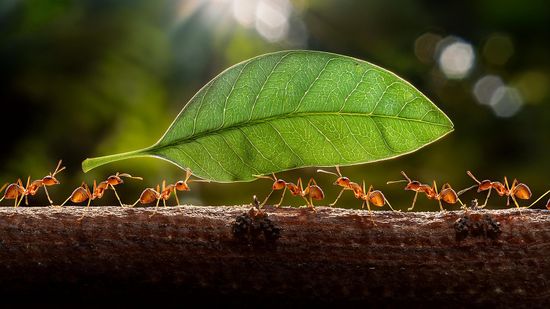
What Is a Group of Ants Called? Army vs. Colony vs. Swarm
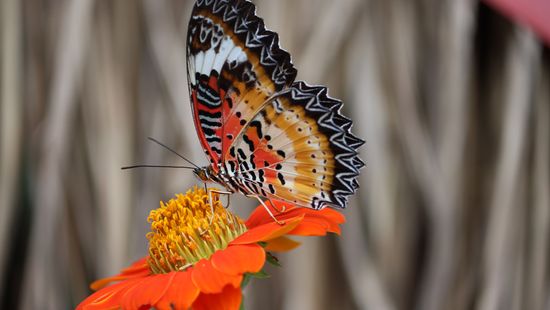
10 Red Butterfly Species Found From India to Florida to Europe
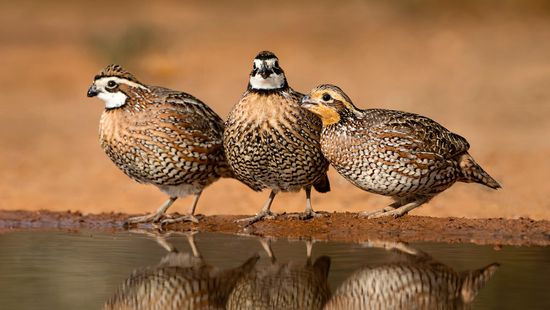
What Is a Group of Quail Called? Why You Should Give a Flock

What Is a Group of Hawks Called? It's About the Shape They Take in Flight
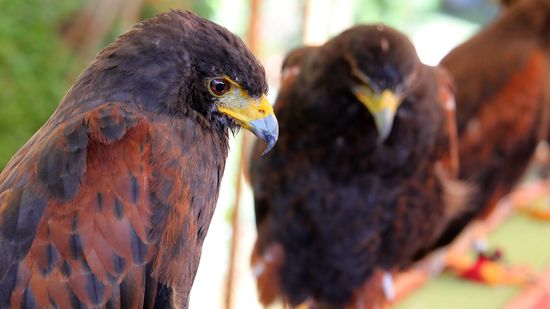
What Is a Group of Buzzards Called? Depends, Are They Feeding or Flying?
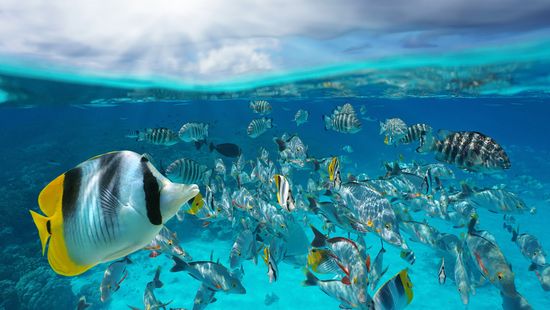
What Is a Group of Fish Called? Not Always a School
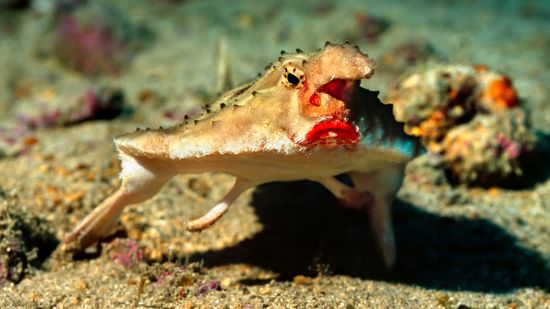
10 Weirdest Fish in the World: Batfish, Hairy Frogfish, and More
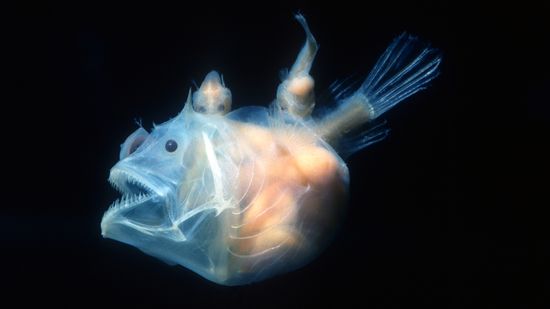
10 Scariest Fish Lurking in Rivers, Deep Ocean Waters, and Shells
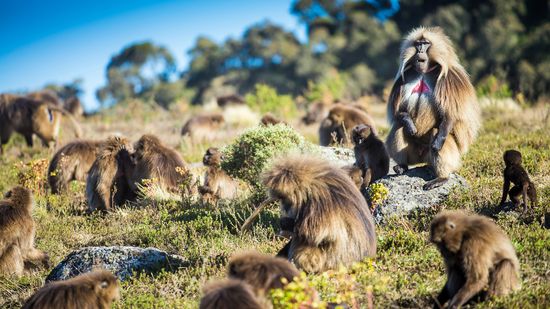
What Is a Group of Baboons Called, a Congress or a Troop?
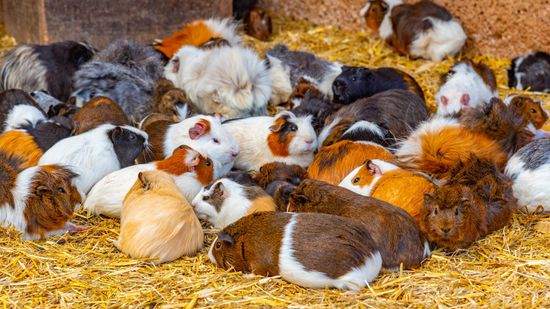
What Is a Group of Guinea Pigs Called? It's Bigger Than You'd Expect
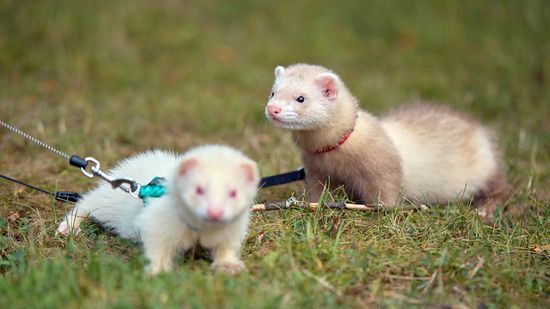
What Group of Animals Is Called a Business?
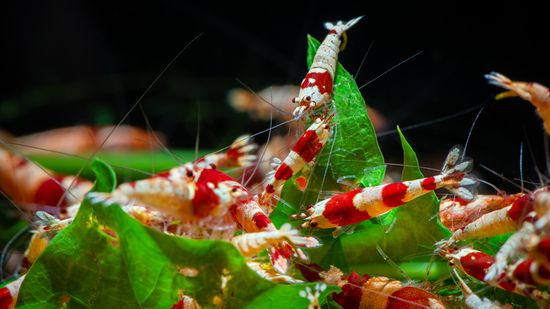
What Is a Group of Shrimp Called? (Hint: You'd Use the Term for Bugs)
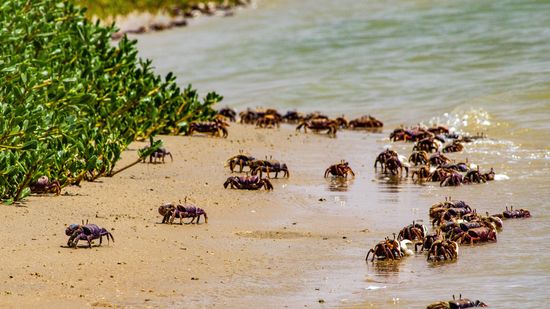
What Is a Group of Crabs Called? A Scuttle, a Clamor, a Cast?
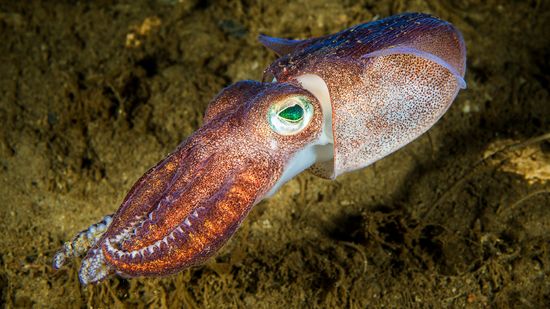
What Is a Group of Squid Called? Not a Squad, Unfortunately
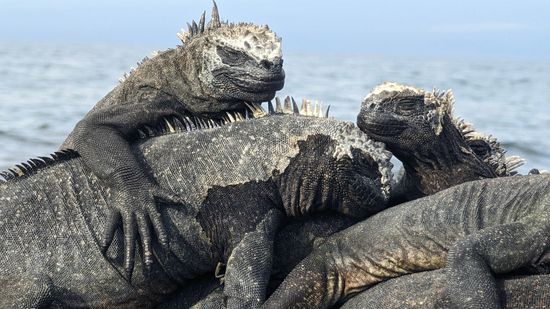
What Is a Group of Lizards Called? Not a Colony or a Pile but a...
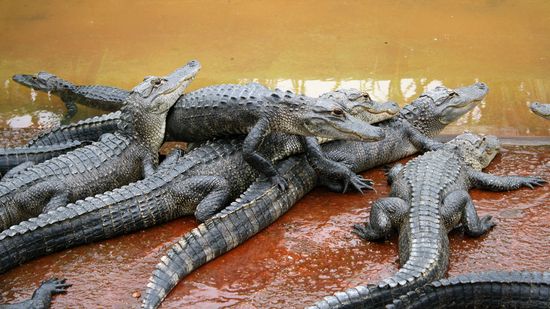
What Is a Group of Alligators Called? It Sounds Surprisingly Formal
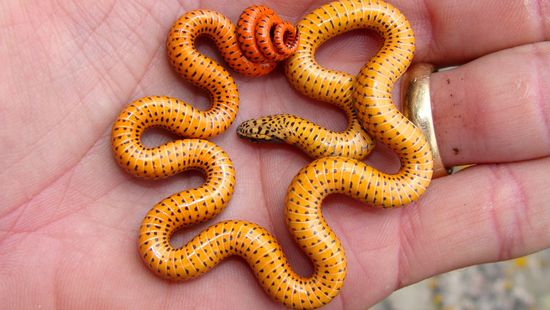
10 Cutest Snake Species That Have Us Squeeing
Learn More / Page 14
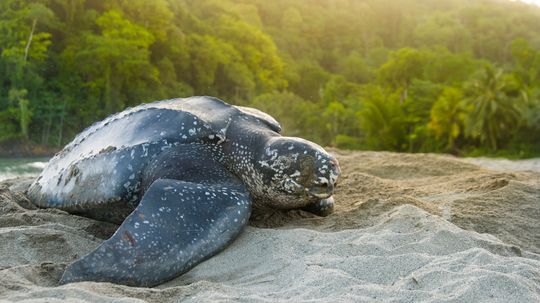
The leatherback sea turtle is the heavyweight of the sea turtle world ... literally. This sea turtle species can grow as long as a small car and weighing over half a ton!
By Mack Hayden
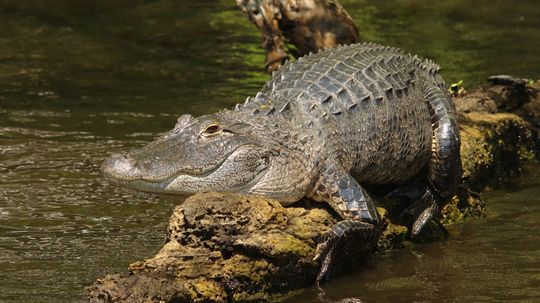
The American alligator is the second-largest reptile in North America, falling just slightly behind its cousin, the American crocodile.
By Mitch Ryan
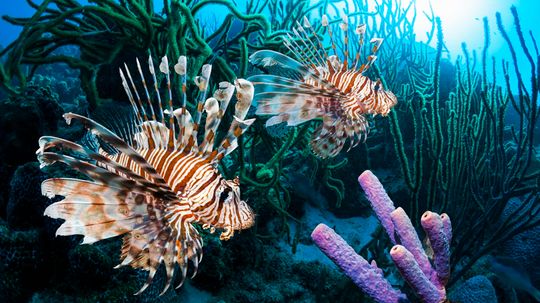
The most dangerous sea creatures in the world don't always have large teeth like great white sharks or weigh over 10 tons (9 metric tonnes) like the killer whale. The sea creatures that are a threat to humans are often the smaller, more innocent-looking ones that carry lethal amounts of venom.
By Ada Tseng
Advertisement
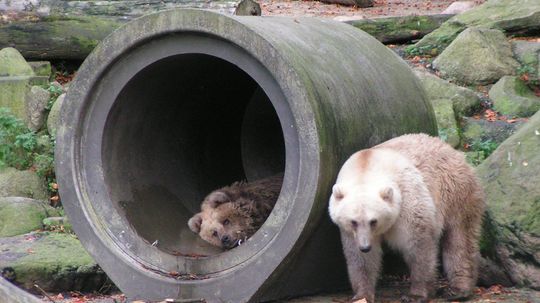
The grolar bear, also known as the pizzly bear, is a hybrid animal that's the result of crossbreeding between a polar bear and a grizzly bear, two species typically separated by geography and habitat.
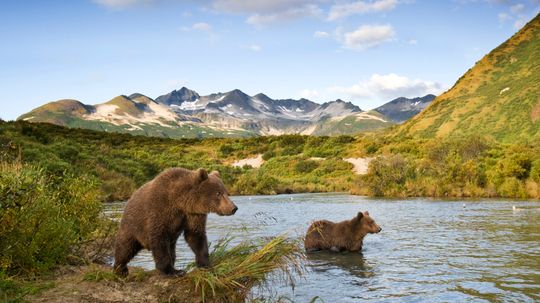
Bears are incredible creatures, but they can also be some of the most dangerous animals on the planet. While even the most dangerous bear will typically avoid humans, under the right (or wrong!) circumstances, it can become aggressive, especially if it feels threatened or if you're in its territory.
By Talon Homer
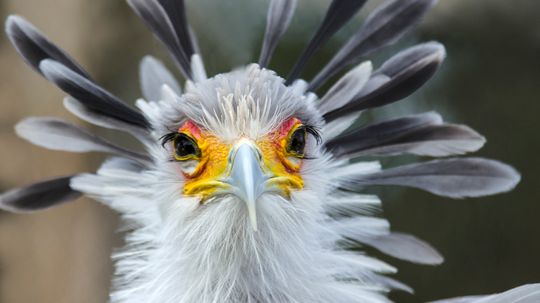
What is the dumbest animal on Earth? Spoiler: It's not your uncle who tried to deep-fry a turkey in his bathtub.
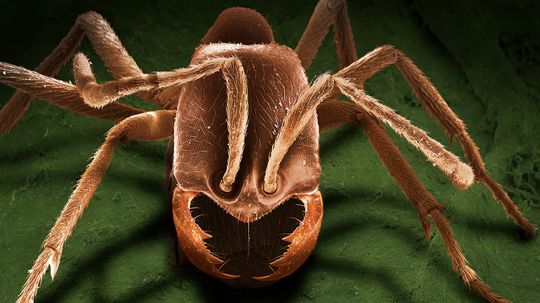
When you think of the most dangerous creatures on Earth, you might picture big animals like sharks or lions, but the insect world is filled with tiny critters capable of causing serious harm. The most dangerous insect can kill by spreading deadly diseases, and others achieve the same end with toxic venom.
By Zach Taras
Advertisement
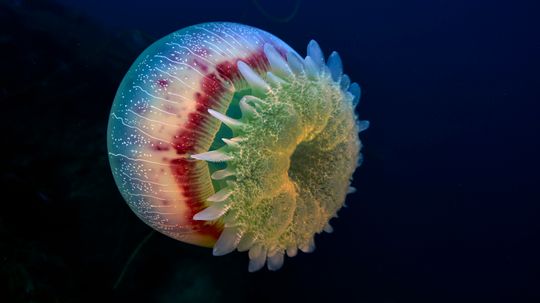
While swarm of jellies may look serene, you're best off keeping your distance. A sting from the most dangerous jellyfish on Earth can be deadly. Even when we're not looking at the most dangerous, many jellyfish species have venomous stings that can cause everything from mild discomfort to serious pain.
By Talon Homer
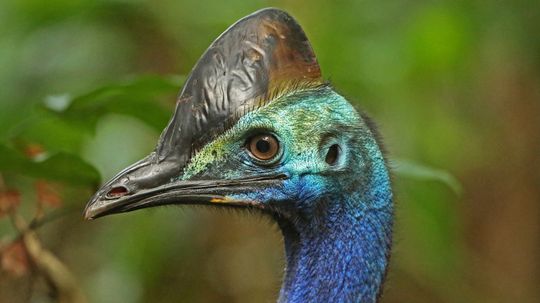
The most dangerous bird species are also some of the most beautiful. These seemingly innocent creatures can pack a punch — or peck — that you definitely want to avoid.
By Talon Homer
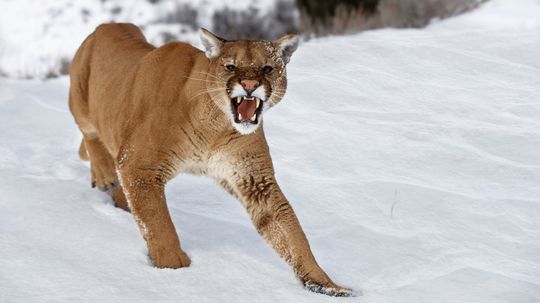
What's the difference between a purring feline on your lap and the most dangerous cat in the world? Whether large or small, the skilled hunters on this list capable of taking down prey — and sometimes they come into contact with humans, resulting in fatal or serious injuries.
By Zach Taras
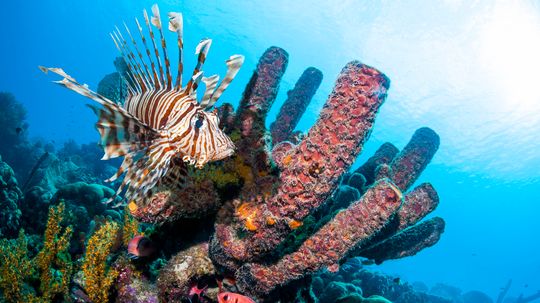
Fish may seem harmless compared to larger predators on land, but some of the deadliest animals are hiding in the oceans and rivers throughout the world. From venomous stings to sharp teeth, the most dangerous fish species can be lethal to humans.
By Mack Hayden
Advertisement
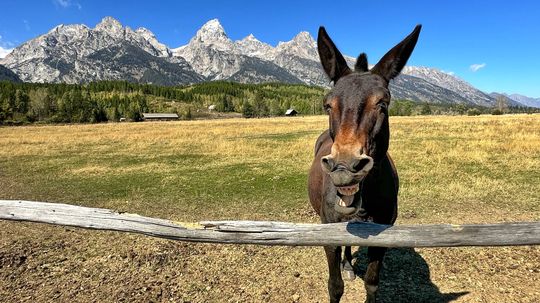
Since many of us no longer live in small agricultural societies, while you might be familiar with the idea of a mule, you might not know about the specifics of the actual animal.
By Zach Taras
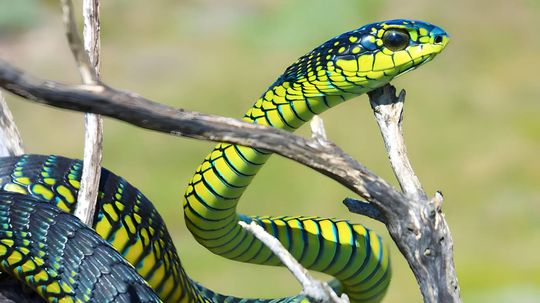
Africa is home to some of the most dangerous animals on the planet, and many of them pose a real threat to humans. With that said, the most dangerous animal in Africa may surprise you.
By Mack Hayden
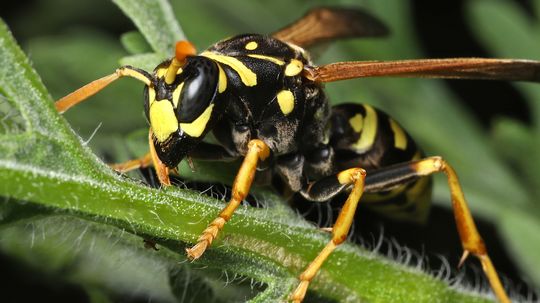
When it comes to stinging insects, wasps are some of the most feared creatures out there. Unlike honeybees, which can only sting once, most wasps can sting multiple times, injecting painful venom with each strike.
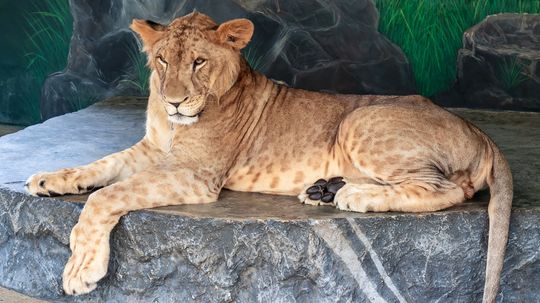
The liger is the offspring of a male lion (Panthera leo) and a female tiger (Panthera tigris). There is another type of lion-tiger hybrid called a tigon, which results from the breeding of a male tiger and a female lion. But ligers specifically have male lions as their fathers and female tigers (aka tigresses) as their mothers.
By Ada Tseng
Advertisement
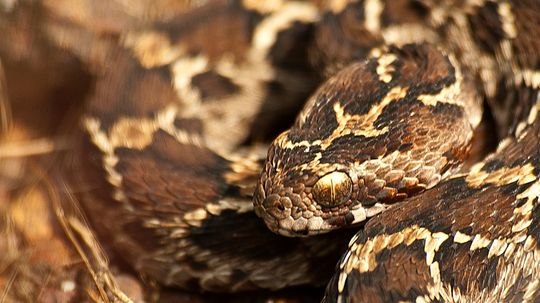
The Indian saw-scaled viper (Echis carinatus) is one of the most infamous and dangerous Indian snakes. These venomous snakes are known for their speed, aggression and powerful venom, which makes them one of the deadliest snakes to humans.
By Mitch Ryan
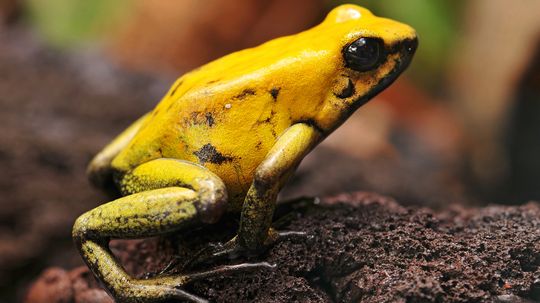
Let's talk about one of the most dazzling — and dangerous — creatures in the animal kingdom: the golden poison dart frog. These tiny amphibians have incredibly toxic skin, and it packs a serious punch.
By Mack Hayden
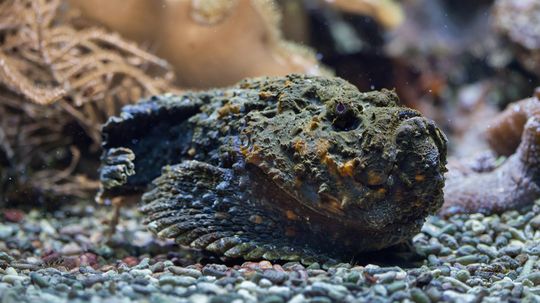
The stonefish might look like just another rock on the ocean floor, but don't let that fool you; it holds the title of the most venomous fish in the world. If you're not careful, a step on this camouflaged critter could lead to some serious consequences.
By Zach Taras
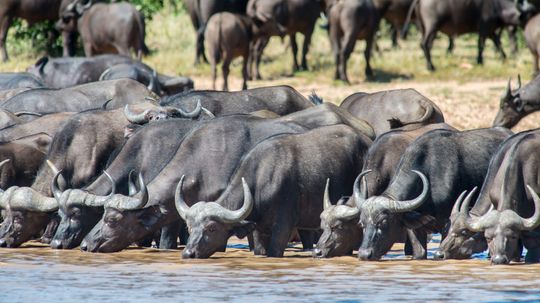
Today, we're exploring one of Africa's most formidable and awe-inspiring animals: the Cape buffalo. This powerhouse bovine isn't just a member of the prestigious "Big Five" — it's also one of the most dangerous animals on the continent.
Advertisement
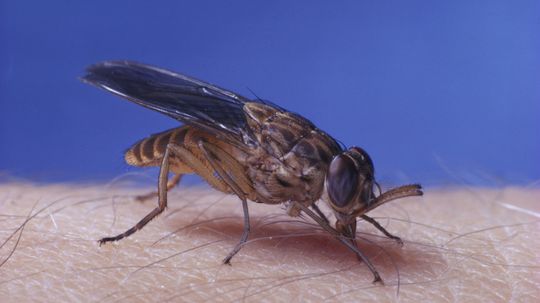
Get ready to explore one of Africa's most notorious insects: the tsetse fly. These tiny flies may not look like much, but they play a major role in spreading sleeping sickness, aka human African trypanosomiasis (HAT).
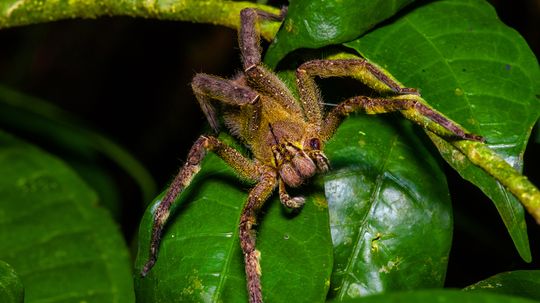
If you're not a big fan of spiders, brace yourself, because the Brazilian wandering spider we're about to go into a lot of detail about one of the most dangerous spiders on the planet. With a venom that can cause intense pain and even some serious medical conditions, it's no wonder people give these critters a wide berth.
By Zach Taras
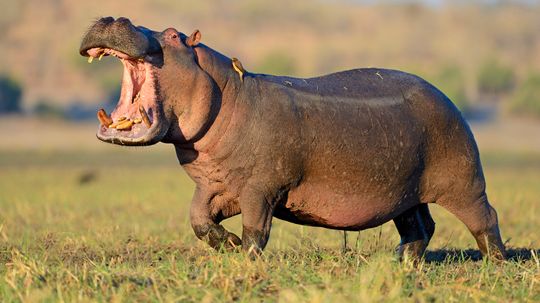
Did you know the word "hippopotamus" comes from the ancient Greek for "river horse"? But don't let that fool you; this big, lumbering mammal is anything but a horse. In fact, it's one of the most powerful animals living in Sub-Saharan Africa today.
By Talon Homer
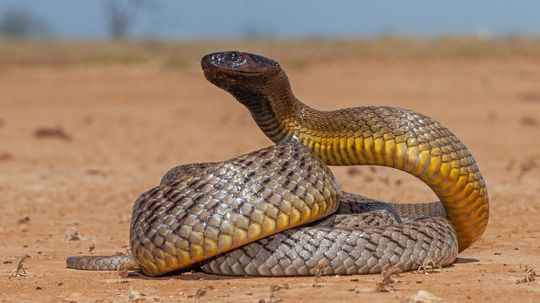
Today, we're diving into the world of the most venomous snake on the planet: the inland taipan. This slithery predator isn't just the most dangerous in terms of venom strength; it's also a highly specialized creature that has adapted to life in some of the harshest environments on Earth.
Advertisement
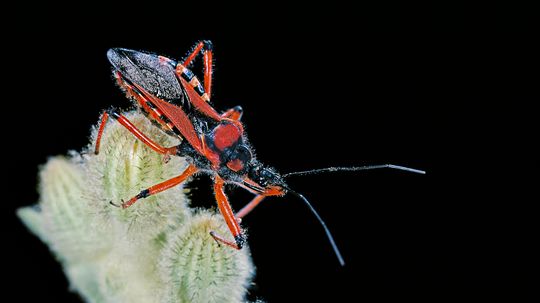
Assassin bugs (also known as ambush bugs or thread-legged bugs) are one of nature's stealthiest hunters, known for their precision strikes and ability to subdue prey with incredible efficiency.
By Talon Homer
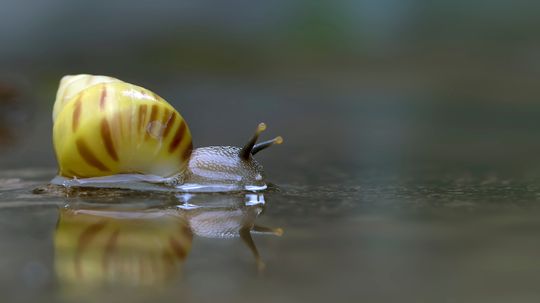
You might think of snails as the little shelled creatures that you find crawling in your garden, or even as a delicacy of French cuisine, where they are called "escargot." But there are snails that live in the water, too, including marine snails in the tropical oceans and freshwater snails found across the world in ponds, lakes and rivers.
By Zach Taras