
Wild Animals
Whether they crawl, fly, swim, slither, walk, run or pounce, wild animals rely on their instincts. Read about all kinds of wild animals, mammals, birds, fish, insects, reptiles and amphibians.
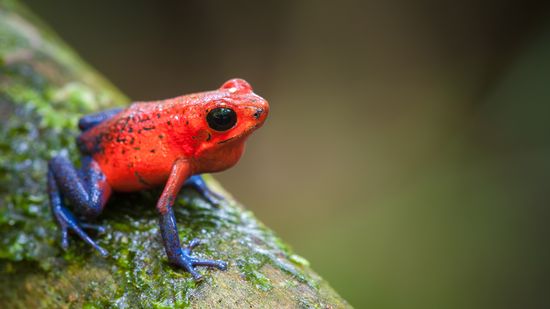
12 Colorful Frog Species: From Tie-dyed Designs to Rare Hues
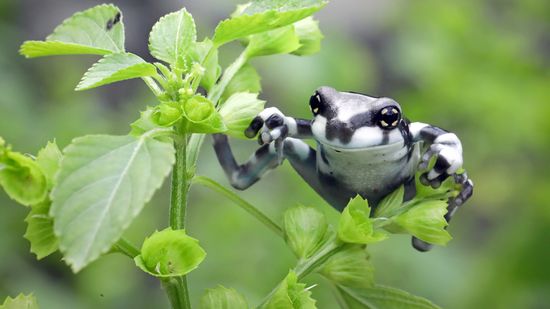
Amazon Milk Frog: Named for Its Defense, Not Its Color
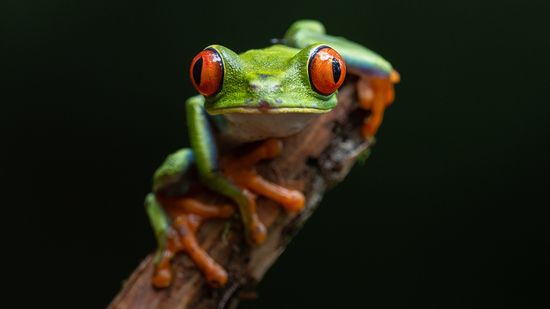
The Red-eyed Tree Frog Has Extremely Sensitive Skin
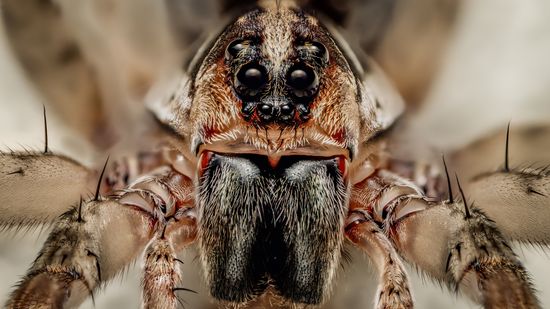
What Is a Group of Spiders Called? (Aside From Icky)
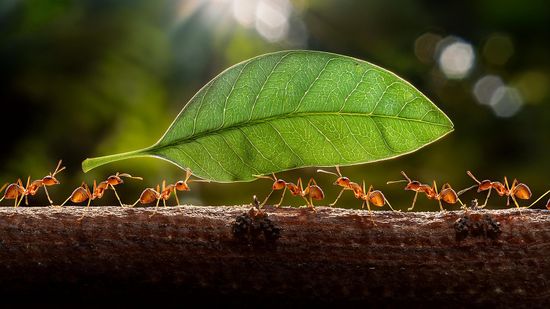
What Is a Group of Ants Called? Army vs. Colony vs. Swarm
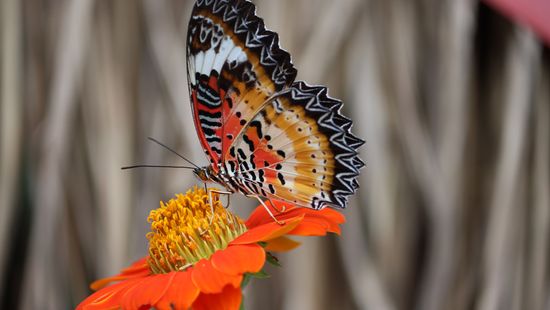
10 Red Butterfly Species Found From India to Florida to Europe
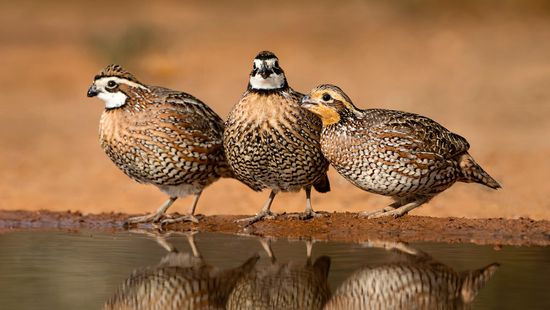
What Is a Group of Quail Called? Why You Should Give a Flock

What Is a Group of Hawks Called? It's About the Shape They Take in Flight
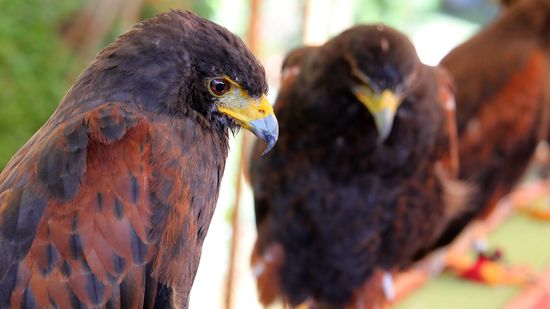
What Is a Group of Buzzards Called? Depends, Are They Feeding or Flying?
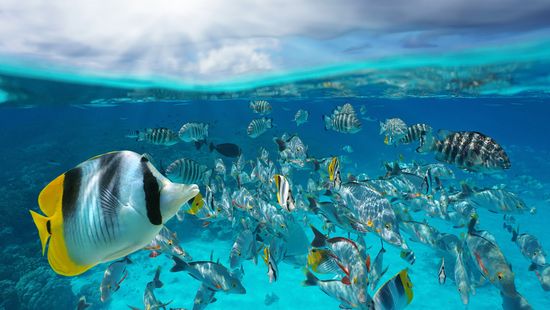
What Is a Group of Fish Called? Not Always a School
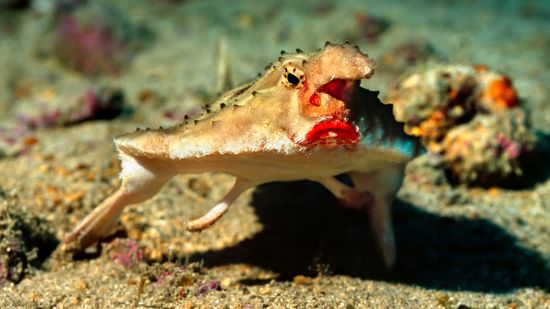
10 Weirdest Fish in the World: Batfish, Hairy Frogfish, and More
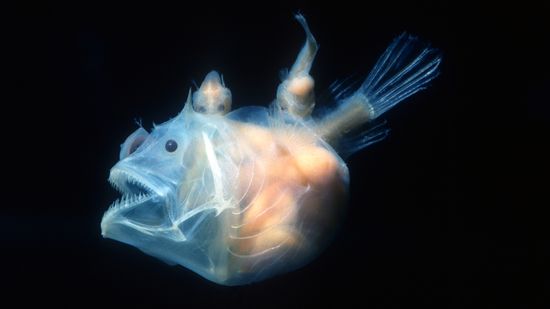
10 Scariest Fish Lurking in Rivers, Deep Ocean Waters, and Shells
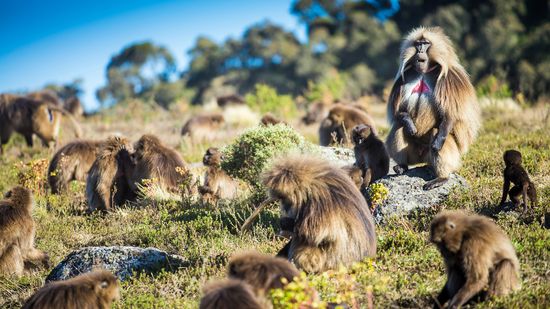
What Is a Group of Baboons Called, a Congress or a Troop?
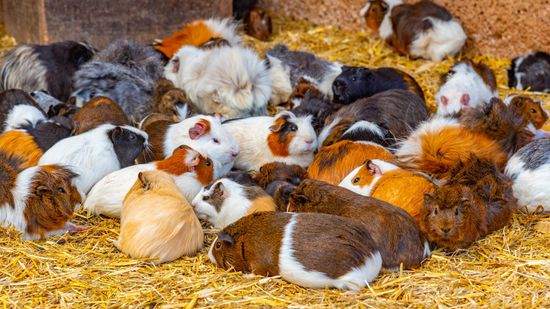
What Is a Group of Guinea Pigs Called? It's Bigger Than You'd Expect

What Group of Animals Is Called a Business?
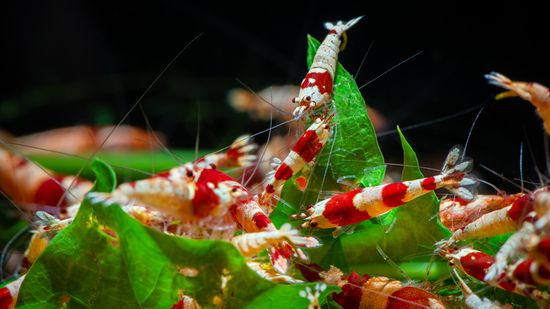
What Is a Group of Shrimp Called? (Hint: You'd Use the Term for Bugs)
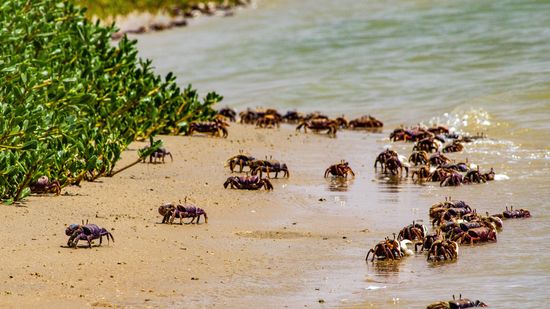
What Is a Group of Crabs Called? A Scuttle, a Clamor, a Cast?
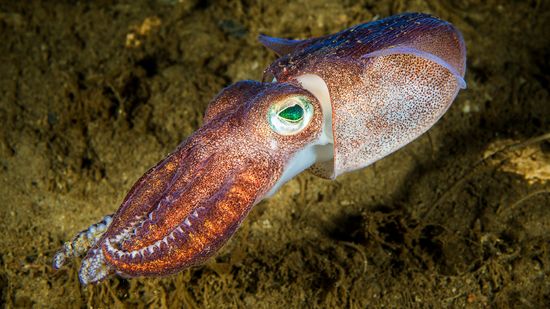
What Is a Group of Squid Called? Not a Squad, Unfortunately
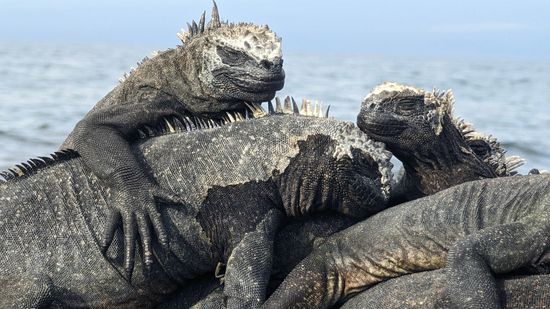
What Is a Group of Lizards Called? Not a Colony or a Pile but a...
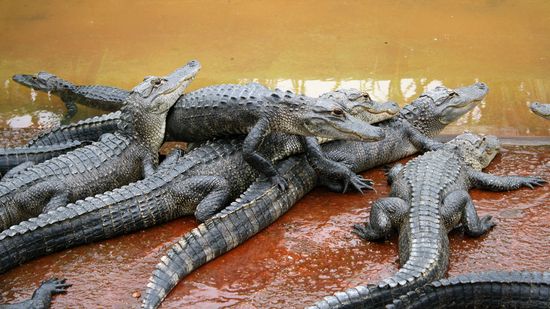
What Is a Group of Alligators Called? It Sounds Surprisingly Formal
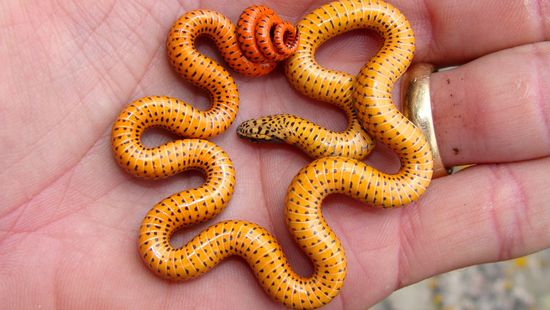
10 Cutest Snake Species That Have Us Squeeing
Learn More / Page 15
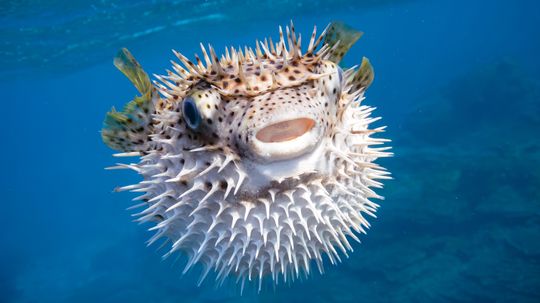
You've probably seen pufferfish on TV or at your local aquarium, puffing up like a balloon when they're startled. But there's way more to pufferfish than their signature defense mechanism. They're a diverse group of species with some truly unique traits.
By Zach Taras
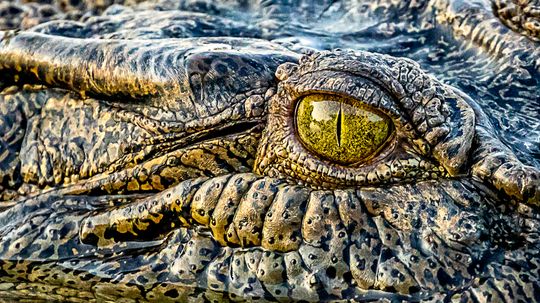
The saltwater crocodile, Crocodylus porosus, is the largest living reptile on Earth, and it rules the waters from northern Australia to Southeast Asia. These massive reptiles are often called "salties" and can grow to incredible sizes, with large male saltwater crocodiles sometimes reaching lengths of up to 7 meters (23 feet).
By Talon Homer
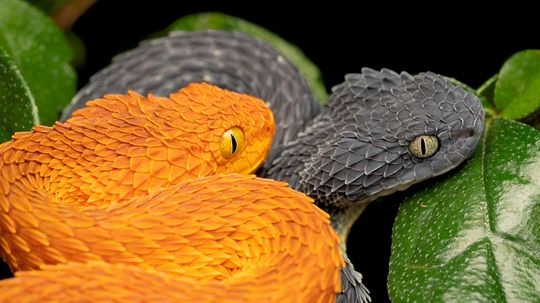
An orange snake stands out with its striking hues and unique patterns, making it one of the most beautiful reptiles in the wild. From forest floors to deserts, these snakes use their bright coloring for camouflage or warning.
By Yara Simón
Advertisement
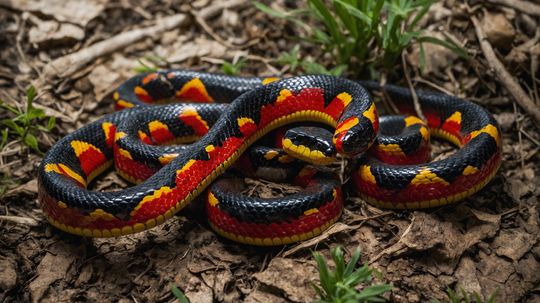
At first glance, the coral snake vs. king snake distinction can seem borderline impossible. But these two reptiles are worlds apart in terms of how they live, hunt and defend themselves.
By Yara Simón
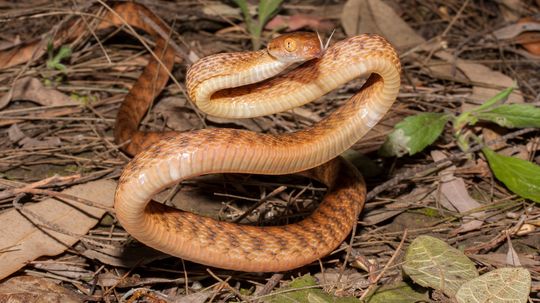
Let’s talk about one slithery critter that's made quite a name for itself: the brown tree snake. These sneaky reptiles may look like your average snake, but they've caused a big stir in some unexpected places.
By Mack Hayden
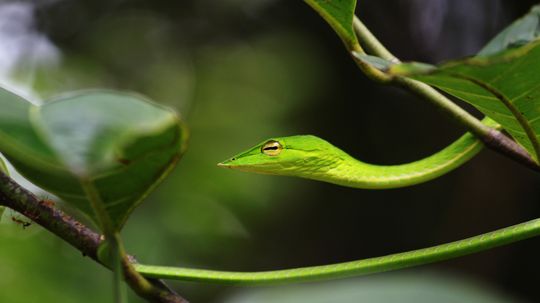
Slender as a twig and perfectly camouflaged in trees, the vine snake is an adaptable reptile. They live in some of the most lush and vibrant environments, including the forests of South America.
By Yara Simón
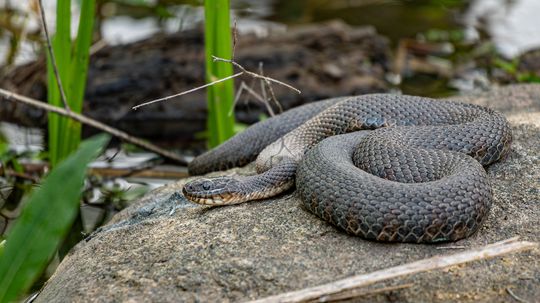
The plain-bellied water snake (Nerodia erythrogaster) is a sleek, semiaquatic snake that inhabits central North America. They thrive in both terrestrial and aquatic habitats, making them highly adaptable predators.
By Yara Simón
Advertisement
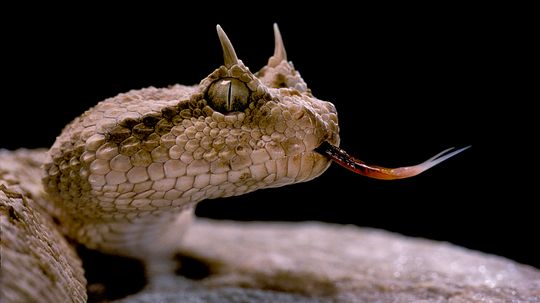
If you see a horned snake, you'll understand how it got its name: They have unique "horns" near their eyes. These venomous snakes live in deserts and other dry environments, and their adaptations help them survive and hunt in harsh conditions.
By Yara Simón
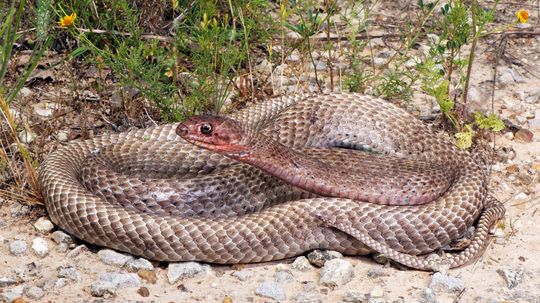
According to a University of Michigan study, snakes won the evolutionary jackpot, partly because of their speed. These stealthy ambush predators can really get moving when they need to chase down prey or escape danger.
By Yara Simón
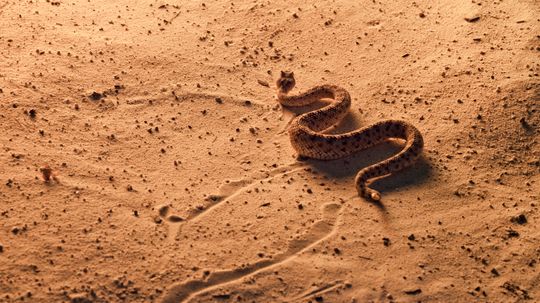
Let's talk about one of the coolest movers and shakers in the desert world: the sidewinder snake. Known for its unique way of getting around, this snake has mastered the art of slithering across scorching desert sands in the hottest places on Earth.
By Talon Homer
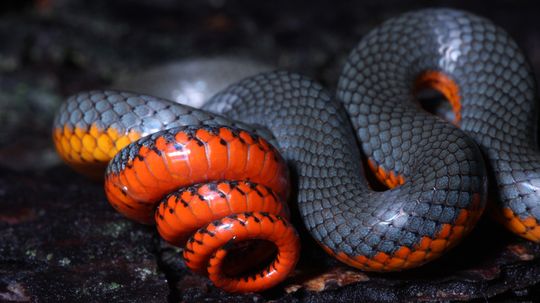
In North America and other parts of the world, you may encounter a red and black snake along your hike and wonder if you're dealing with a venomous snake species or something like a harmless milk snake.
By Talon Homer
Advertisement
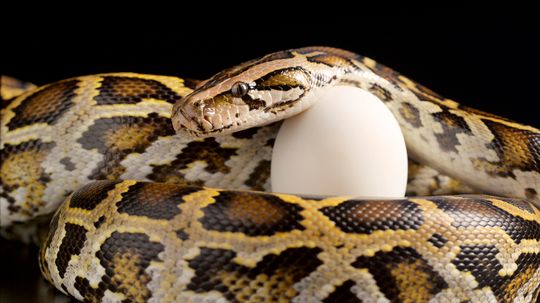
Humans have the birds and the bees to explain the ins and outs of reproduction, but for our slithering friends, the process is far more intriguing. So, how do snakes reproduce?
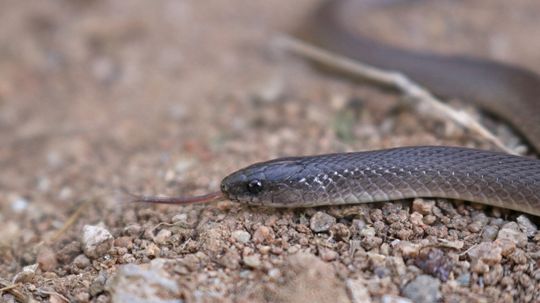
We're about to dive into the world of a snake you might not have heard much about: the rough earth snake. This small, secretive snake is found in various parts of the United States, and while it might not be as flashy as some other reptiles, it's got some nifty features that make it an important part of its ecosystem.
By Mack Hayden
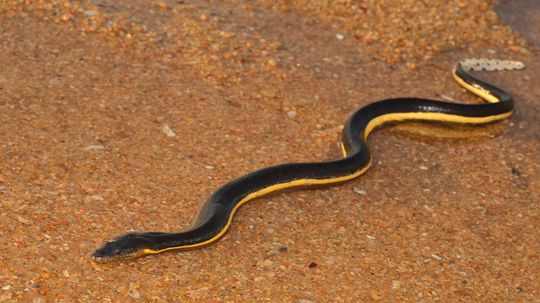
Join us as we dive into the deep blue to meet one of the ocean's most fascinating and mysterious creatures: the yellow-bellied sea snake.
By Zach Taras
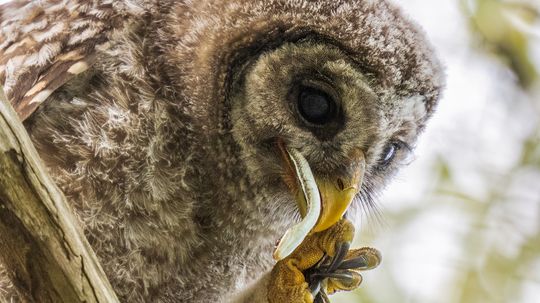
While snakes skillfully hunt their prey, they aren’t at the top of the food chain. From birds of prey to larger mammals, there are plenty of animals in the wild that hunt snakes for a tasty meal.
By Yara Simón
Advertisement
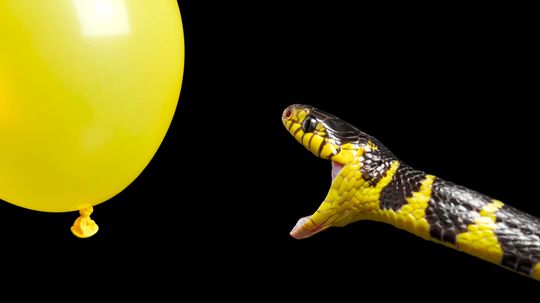
The black and yellow snake is vibrant and eye-catching, and it's not just for show. In the animal kingdom, bright colors often serve as warnings to potential predators.
By Yara Simón

Canada’s a big country — like, really big. And with all that space, it’s no wonder there are some pretty massive cities to go along with it. From coast to coast, the largest cities in Canada aren't just sizable in population; they cover a ton of land too.
By Mack Hayden
Tropical environments are often home to countless reptiles, like snakes, alligators and lizards — the type of wildlife you might expect to encounter during a vacation to one of the Hawaiian islands. But is this the case? Does Hawaii have snakes?
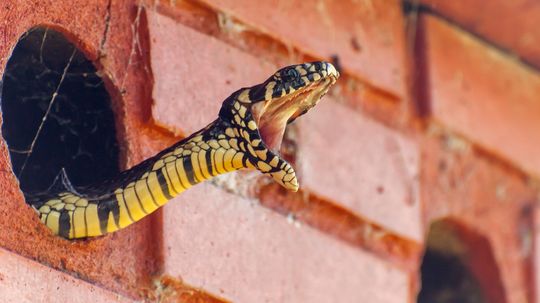
A chicken snake is a type of snake known for raiding chicken coops to eat eggs, birds and small mammals, such as rats and mice. This behavior makes these reptiles both a friend and a foe to farmers.
By Marie Look
Advertisement
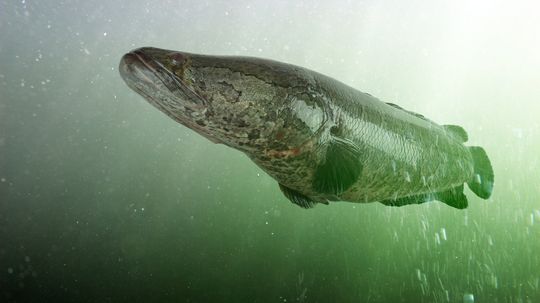
Today, we’re going to dive into the world of a perplexing and somewhat notorious creature: the snakehead, aka snake fish. These predatory fish are known for their long, snake-like bodies, aggressive hunting style, and ability to survive on land. What's more, they’re an invasive species in many parts of the world, including the United States.
By Talon Homer
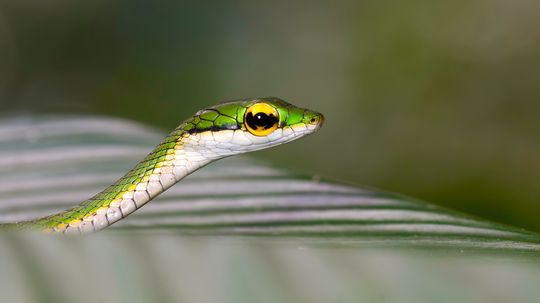
Today, we're going to talk about a snake that glides through the trees of Central and South America: the parrot snake: These slender, vibrant creatures might look delicate, but they're expert hunters with some cool adaptations that help them thrive in the tropical forests.
By Zach Taras
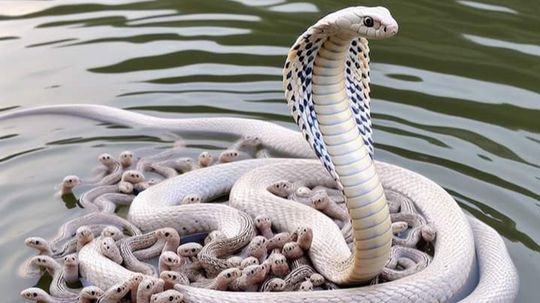
Cobras are some of the most venomous snakes on the planet, also known for their intimidating hoods and swift strikes. But while their venom and striking power make them feared by many, the role of the cobra snake in ecosystems is invaluable, from controlling rat populations to maintaining a balance among predators.
By Marie Look
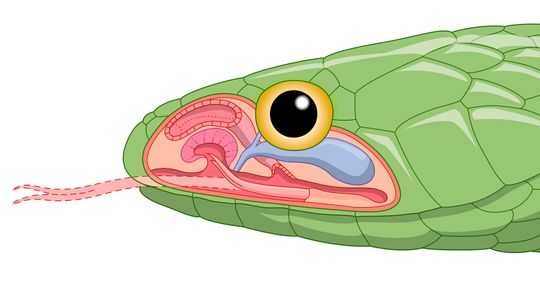
Unlike most other animals, snakes do not have limbs to help them get from one place to another. Instead, they slither — but there's a little more to snake anatomy than how they move. Finely tuned for survival, snakes have specialized anatomy that let them thrive in diverse environments.
By Yara Simón
Advertisement
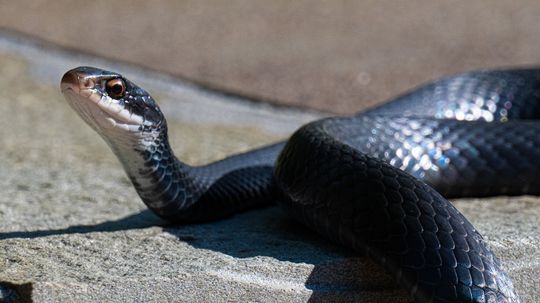
The racer snake is sleek and swift. Despite their sometimes intimidating speed, mostly harmless to humans. You may confuse racers for other snakes because of their color, but they have unique behaviors and characteristics that make them stand out.
By Nicole Antonio & Yara Simón
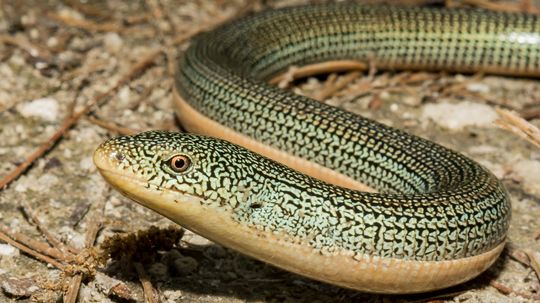
Today, we’re diving into the world of the glass snake, more commonly known as a glass lizard. They aren’t actually snakes at all; they’re several species of legless lizard. That's right, glass lizards look an awful lot like snakes, but they have some key differences that set them apart.
By Talon Homer