
Mammals
Scientifically-speaking there are 11 mammal groups, and most Mammals are warm-blooded, have body hair, give live birth and nurse their young with milk from mammary glands. Check out these articles about all kinds of mammals.
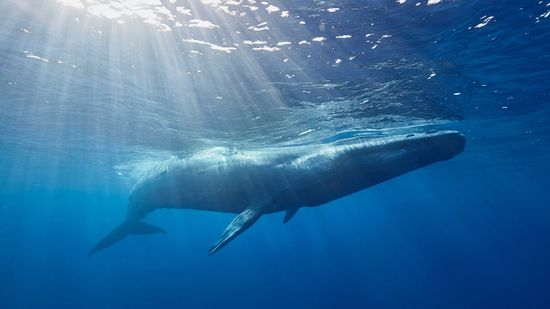
Why Are Blue Whales Going Silent?
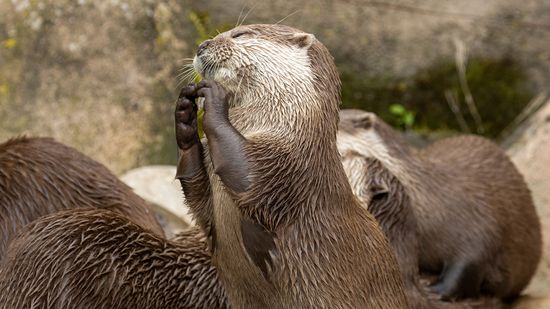
What Is a Group of Otters Called? The Official Terms Are Adorable
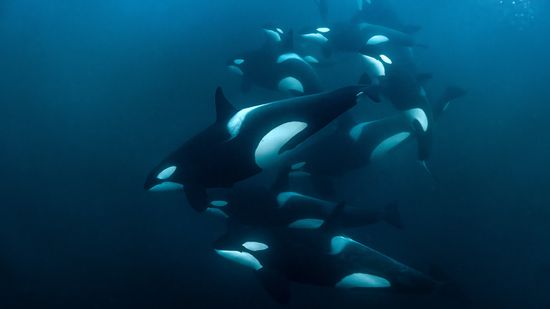
What Is a Group of Orcas Called? Not a School or a Squad But A...
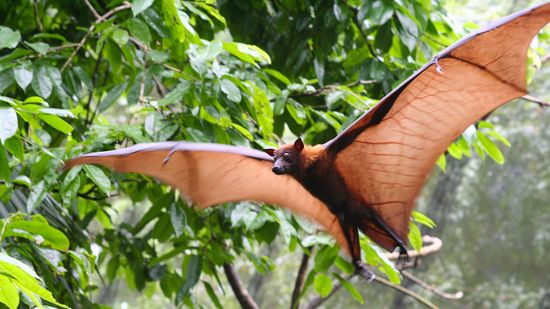
The Largest Bat in the World Has a Wingspan Over 5 Feet
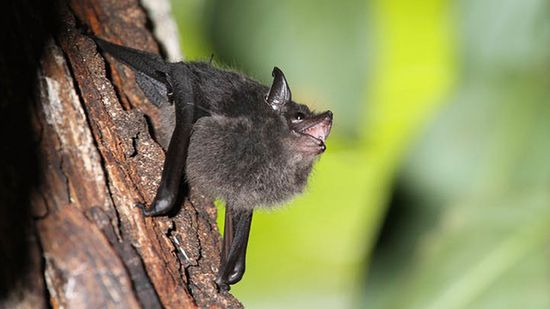
Baby Bats Babble With Moms, Hinting at Human Language Development
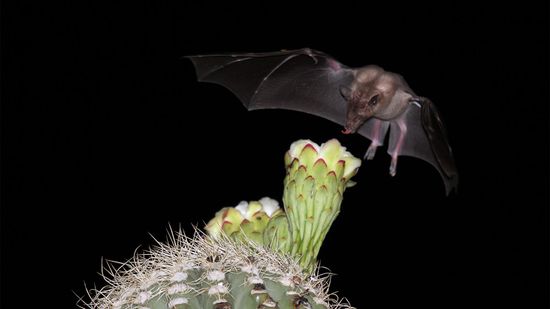
Fruit Bats Are the Best Pollinators (and Suppliers of Tequila)
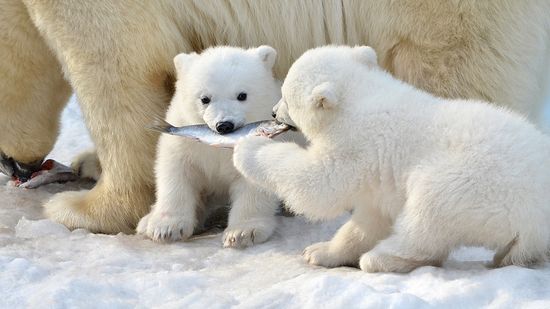
What Is a Group of Polar Bears Called? Sounds Sneaky
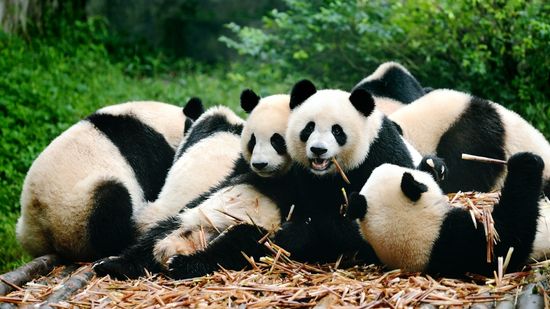
What Is a Group of Pandas Called? We're Blushing
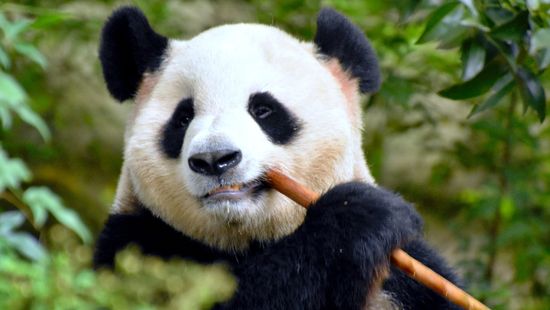
What Do Pandas Eat (Other Than Bamboo)?
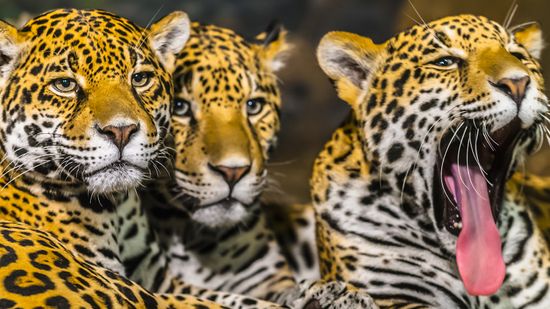
What Is a Group of Jaguars Called? Sounds Shady...
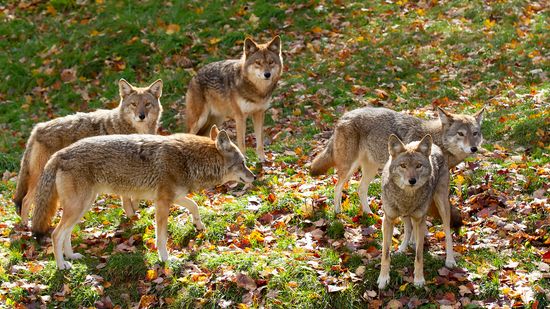
What Is a Group of Coyotes Called?
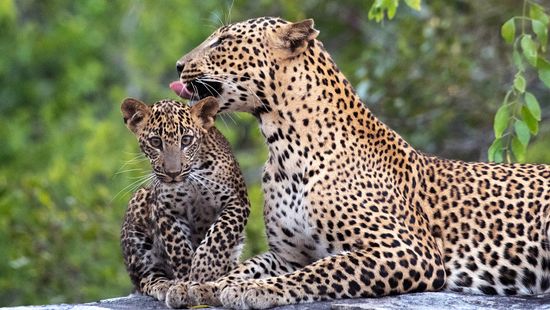
What Is a Group of Leopards Called? Hint: It's Related to Their Behavior
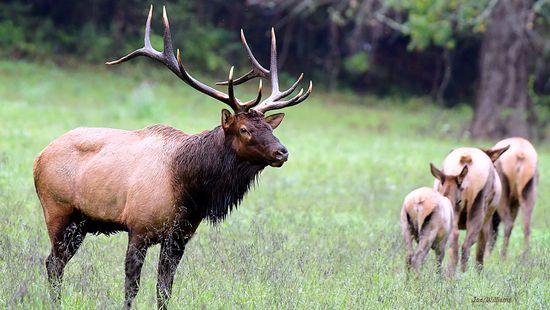
What Is a Group of Elk Called? Not Always a Gang
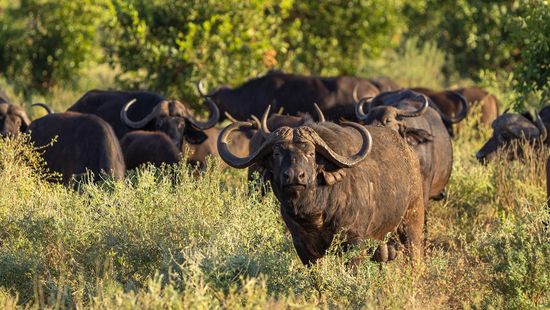
What Is a Group of Buffalo Called? Hint: It Also Applies to Bison
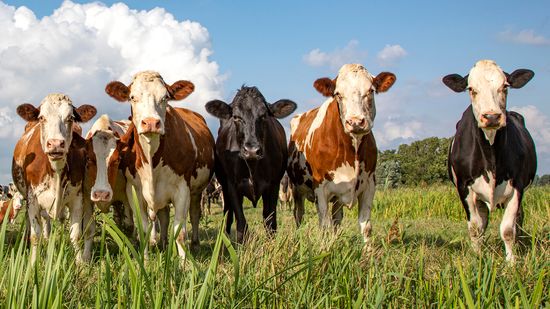
What Is a Group of Cows Called? Not Always a Herd
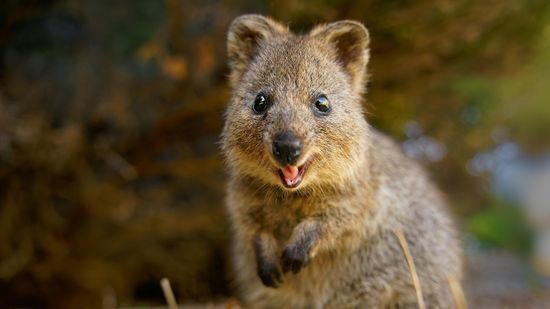
The Happiest Animal on Earth Is the Quokka
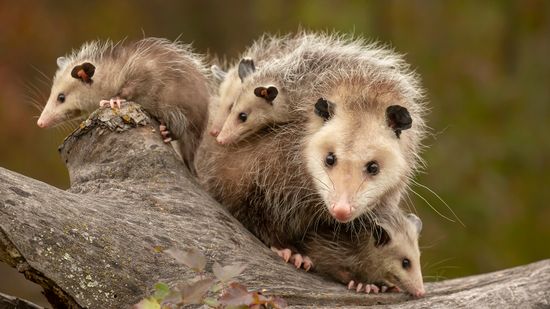
What Do Possums Eat? Most Things, It Turns Out
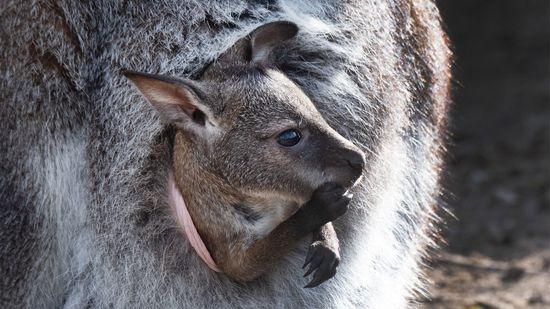
What's It Like Inside a Kangaroo's Pouch?
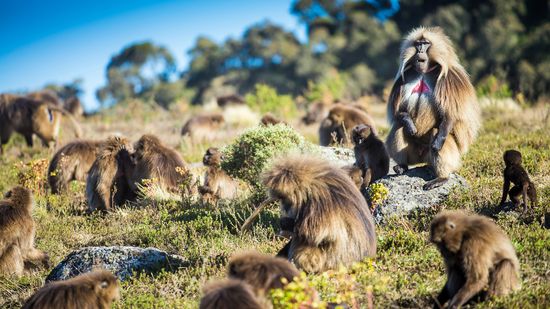
What Is a Group of Baboons Called, a Congress or a Troop?
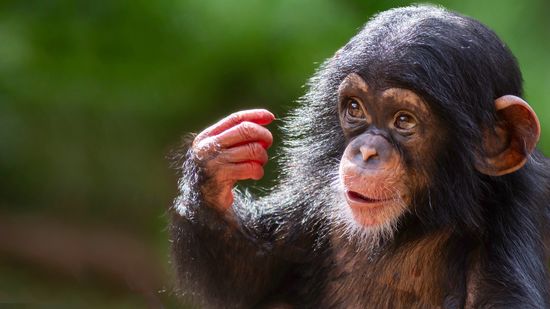
What Is a Group of Apes Called? Not a Troop but a...
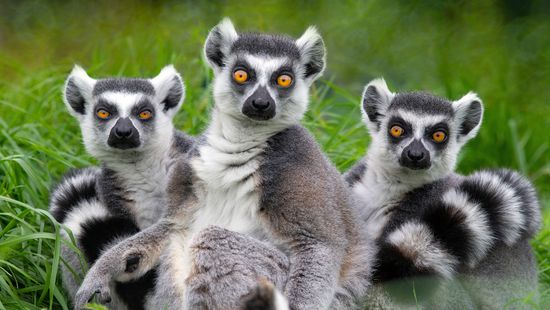
What Is a Group of Lemurs Called? Sounds Highly Suspicious
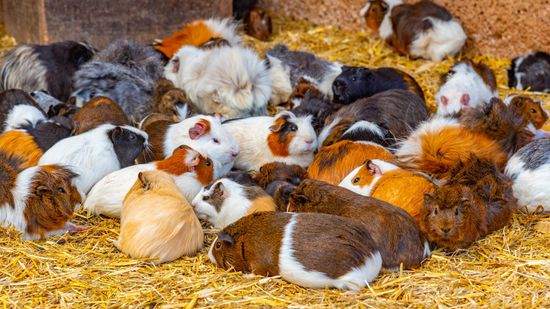
What Is a Group of Guinea Pigs Called? It's Bigger Than You'd Expect
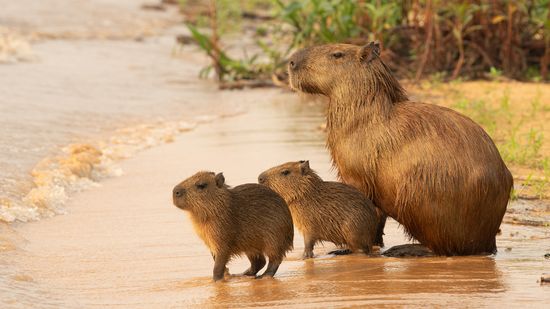
What Is a Group of Capybaras Called? Reminiscent of Cattle
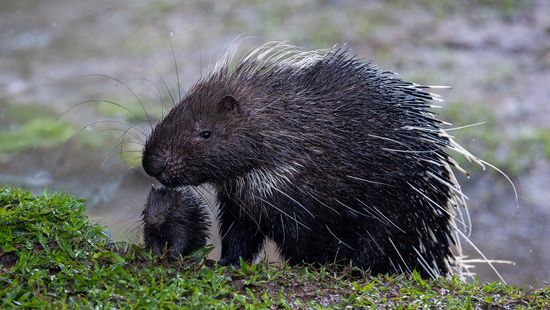
What Is a Group of Porcupines Called? Exactly What It Looks Like
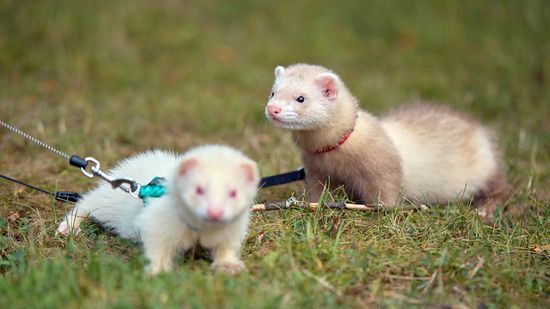
What Group of Animals Is Called a Business?
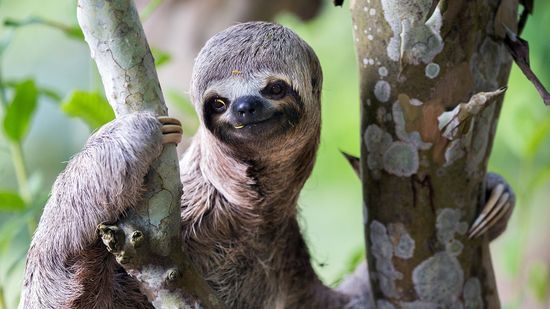
What Is a Group of Sloths Called? It's About as Cuddly As They Are
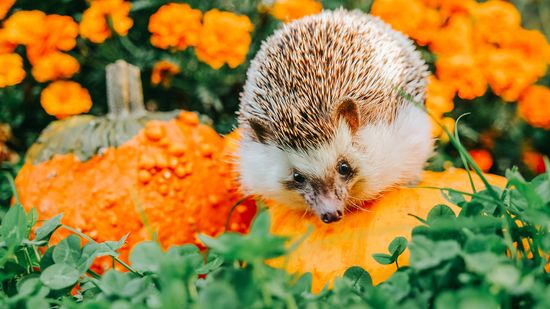
What Is a Group of Hedgehogs Called? It's Adorably Appropriate
Learn More / Page 10
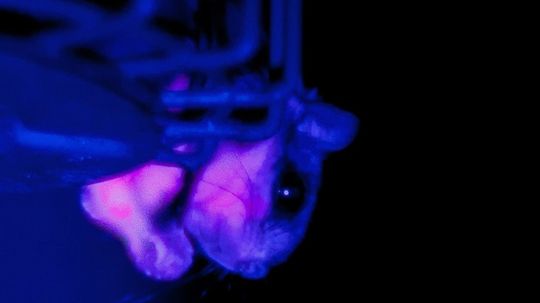
Perhaps it's a mating signal. Or meant to confuse owls and other predators. Or maybe it's just for looks.
By Jamie Allen
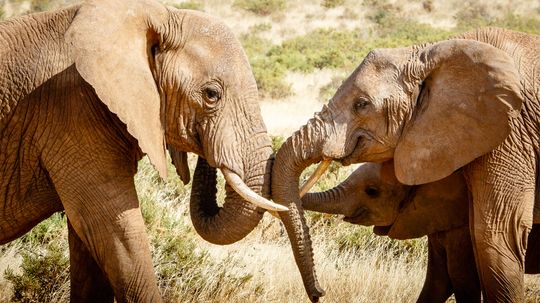
Elephants make a specific sound to warn each other of nearby humans.
By Loraine Fick

A dolphin doesn't breathe automatically, so during sleep, one side of its brain stays awake to ensure the mammal rises to the surface and breathes.
By Loraine Fick
Advertisement
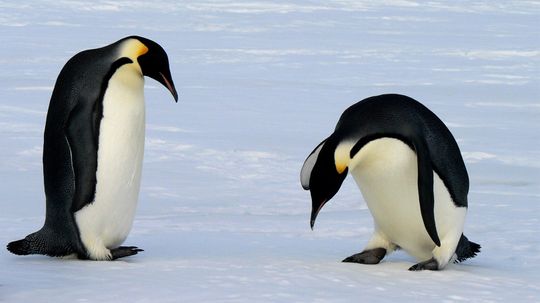
Penguins stand for months on the coldest ice in the world without their feet freezing, thanks to special blood circulation.
By Loraine Fick
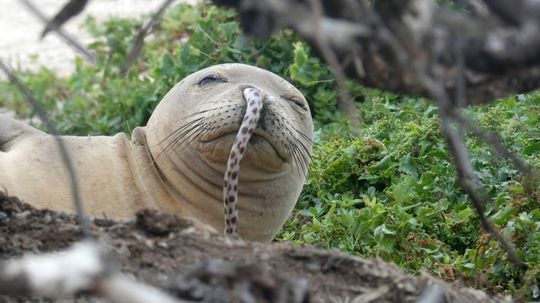
It looks excruciating, and nobody knows exactly why it happens.
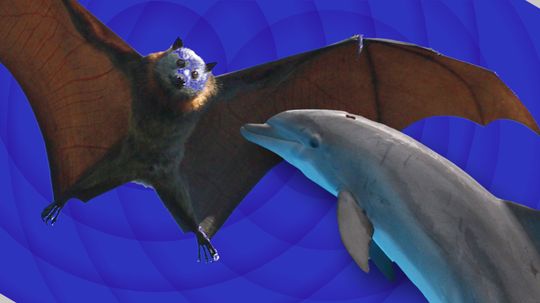
Before you declare which team you're on, we've got the breakdown on this auditory battle royal.
By Mark Mancini
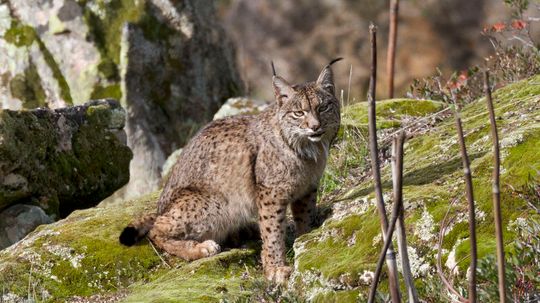
When we think of big cats in the wild, we most likely think of lions and tigers. But there are so many more amazing wild cats you've probably never even heard of. Here are five.
By Oisin Curran
Advertisement
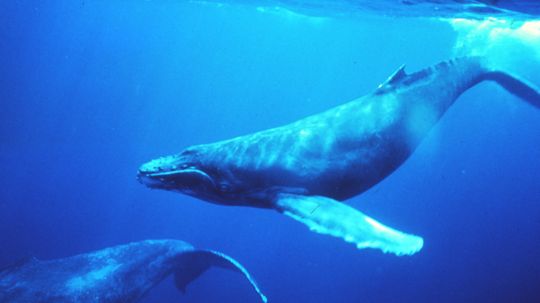
Do humpback whales get tired of singing the same old song, or do they simply start over when it gets too complicated?
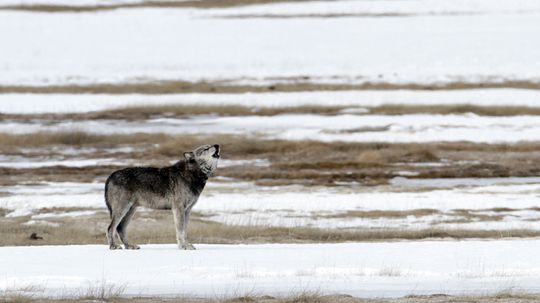
A first-of-its-kind study reaffirms why wolves are vital to the health of our ecosystem.
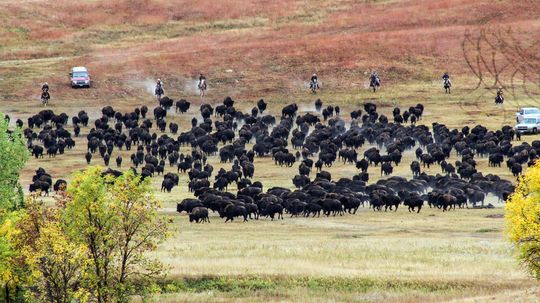
The annual bison roundup in South Dakota's Custer State Park is a spectacle full of cowboys, horses and of course wild buffalo, all set against the backdrop of the rolling Black Hills. It's also about as Americana as you can get.
By John Donovan
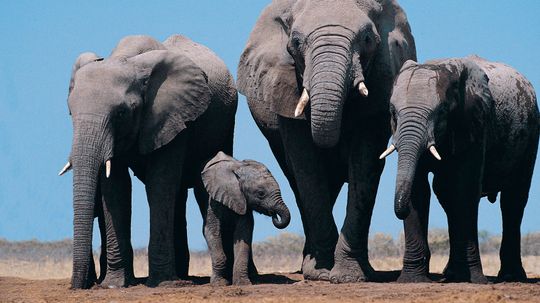
Scientists have known for a long time that elephants have no sweat glands and keep cool through slinging mud on their skin. But they didn't know what made the skin so wrinkled - until now.
Advertisement
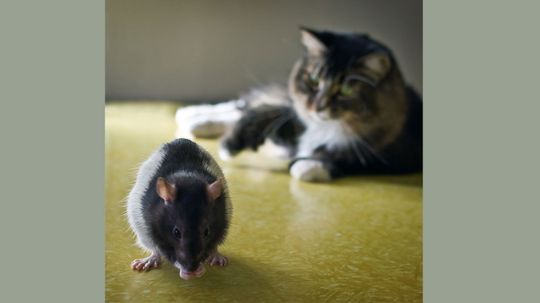
The old saw about cats being good catchers of rats was finally put to scientific study - and the results were pretty sad.
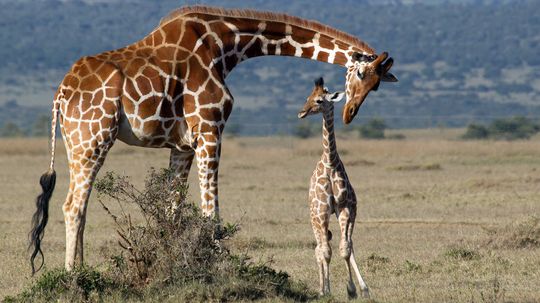
A new study found that those spot patterns are not only inherited from mom, they help camouflage baby giraffes in the wild.
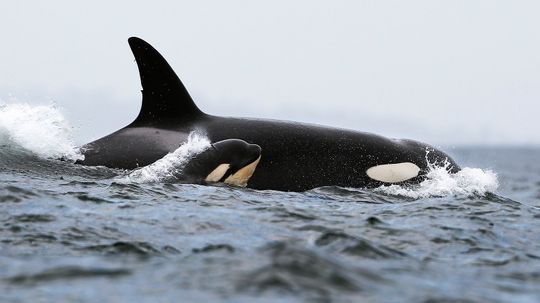
A new study paints a grave future for the killer whale, all because of the now-banned chemicals polychlopinated biphenyls - PCBs.
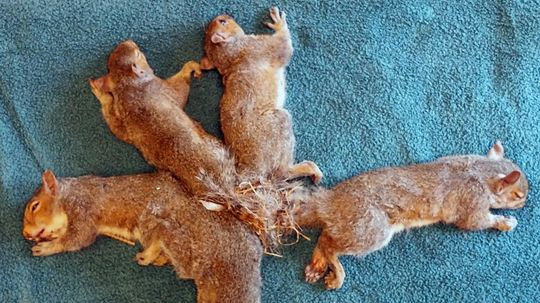
It's a natural phenomenon known as a 'squirrel king.' But what's the deal and why do squirrels get tangled up?
By Jamie Allen
Advertisement

A dolphin named Billie learned a dolphin-show trick from some captive dolphins, taught her wild friends how to do it and started a fad.
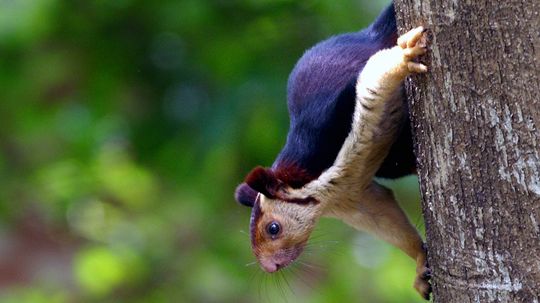
The Indian giant squirrel is covered in flamboyant colors like orange, black and bright purple. But why?
By Jamie Allen
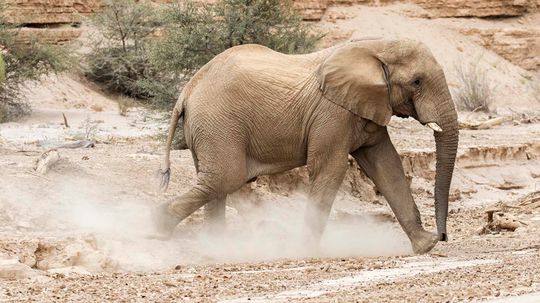
It used to be assumed that African bush elephants avoided the sound of an angry bee hive. Now researchers believe they have receptors to detect a bee's alarm pheromones.
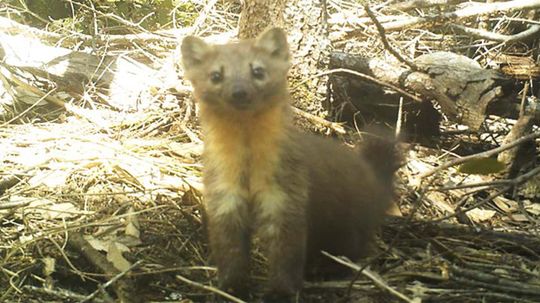
The Humboldt marten was thought to be extinct until it was rediscovered in 1996. Now it is threatened again.
Advertisement

Breaking news: Dolphins and porpoises don't actually look very much alike.
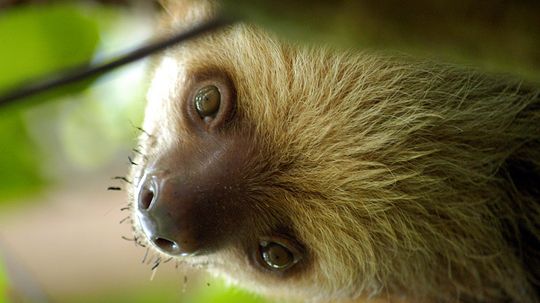
Once a week or so, sloths climb down from their trees and poop on the ground. It feels so good, they do a little dance. But this time of pleasure is also a time of peril.
By Alia Hoyt
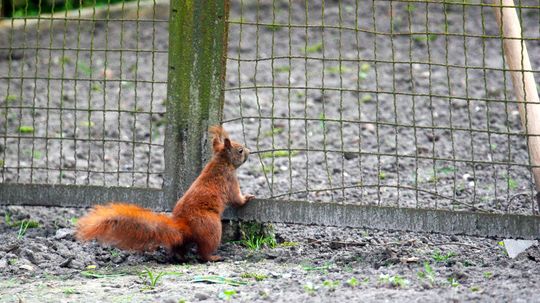
Once you accept squirrels aren't going anywhere, you can apply a more creative approach to keeping the critters away from your prized tomatoes.
By Jamie Allen
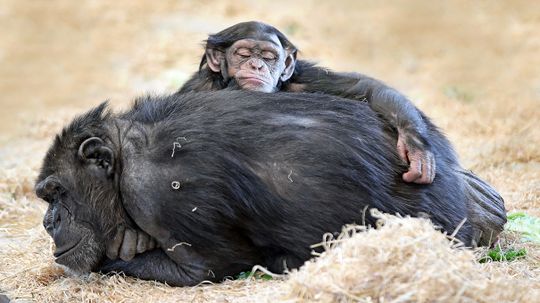
Think your bed is cleaner than a chimp's? Researchers at North Carolina State University set out to find the answer.
Advertisement
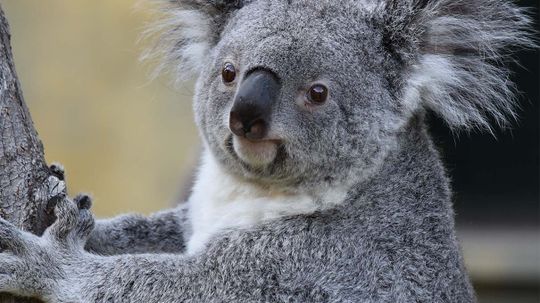
Koala populations in Australia are in decline, in part due to the ravages of chlamydia, a sexually transmitted bacterial infection.
By Carrie Tatro
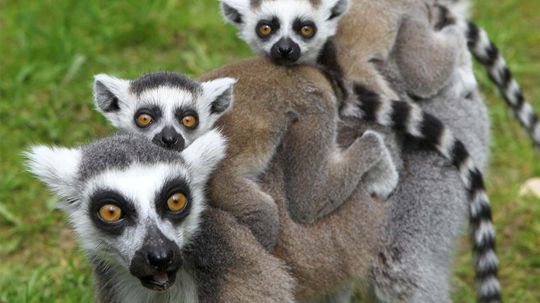
It pays to be brainy when you're a ring-tailed lemur.