
Wild Animals
Whether they crawl, fly, swim, slither, walk, run or pounce, wild animals rely on their instincts. Read about all kinds of wild animals, mammals, birds, fish, insects, reptiles and amphibians.
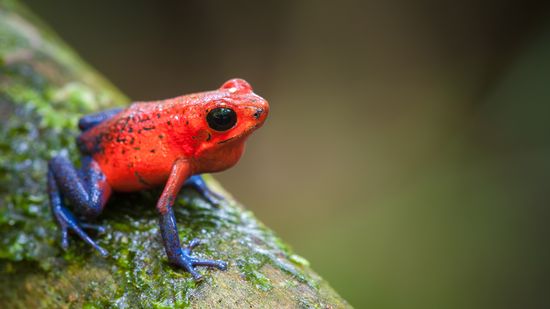
12 Colorful Frog Species: From Tie-dyed Designs to Rare Hues
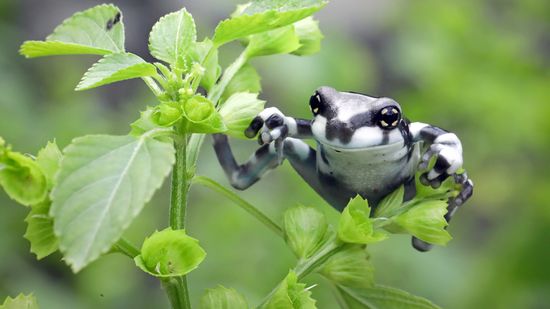
Amazon Milk Frog: Named for Its Defense, Not Its Color
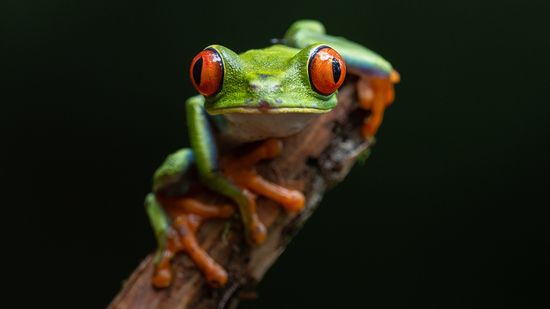
The Red-eyed Tree Frog Has Extremely Sensitive Skin
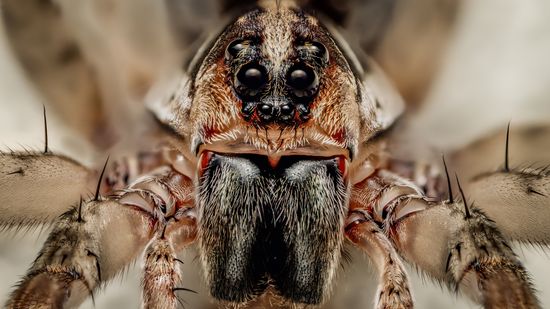
What Is a Group of Spiders Called? (Aside From Icky)
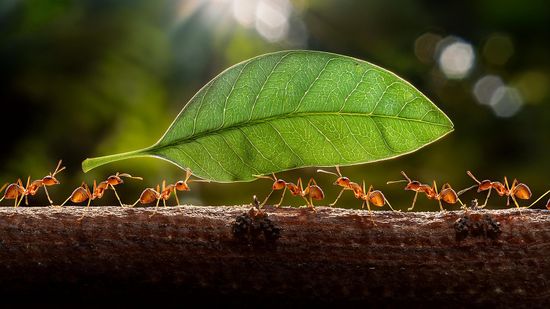
What Is a Group of Ants Called? Army vs. Colony vs. Swarm
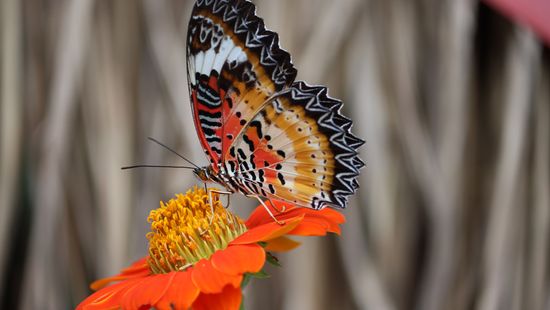
10 Red Butterfly Species Found From India to Florida to Europe
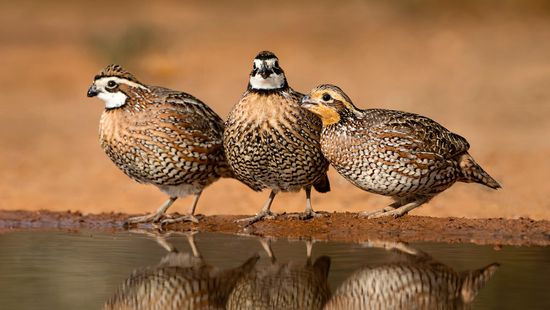
What Is a Group of Quail Called? Why You Should Give a Flock

What Is a Group of Hawks Called? It's About the Shape They Take in Flight
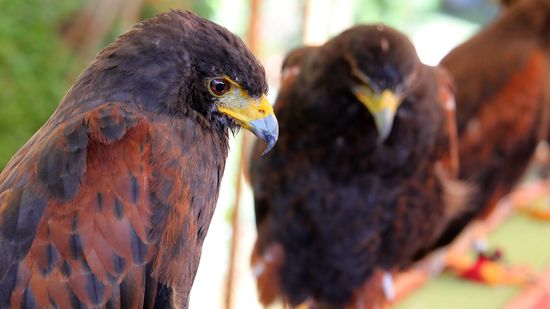
What Is a Group of Buzzards Called? Depends, Are They Feeding or Flying?
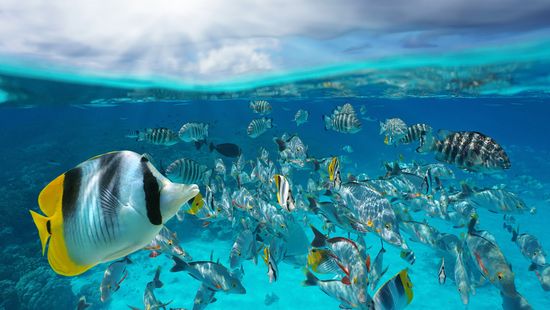
What Is a Group of Fish Called? Not Always a School
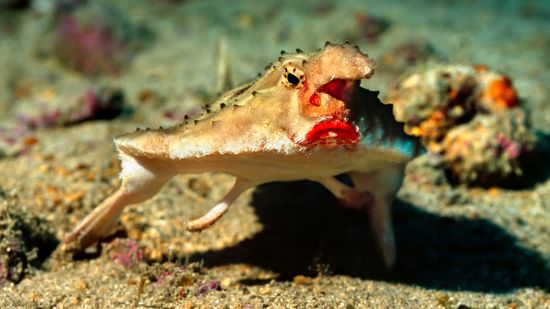
10 Weirdest Fish in the World: Batfish, Hairy Frogfish, and More
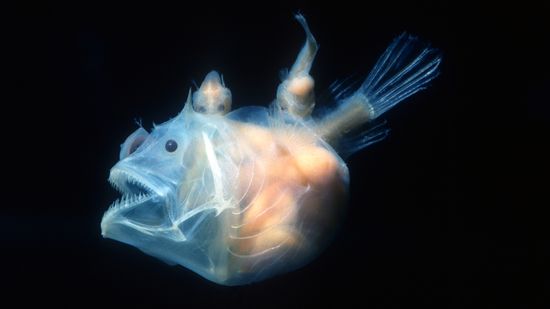
10 Scariest Fish Lurking in Rivers, Deep Ocean Waters, and Shells
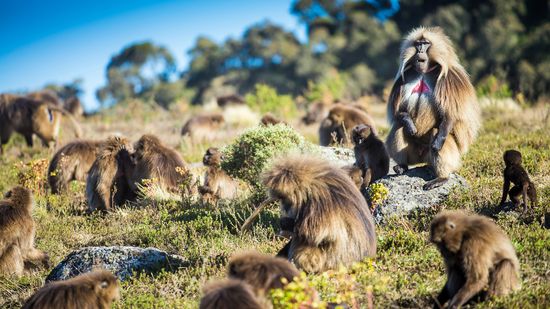
What Is a Group of Baboons Called, a Congress or a Troop?
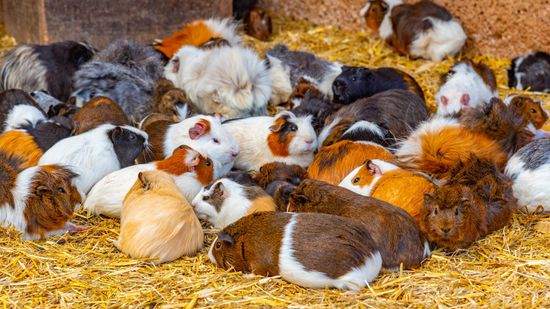
What Is a Group of Guinea Pigs Called? It's Bigger Than You'd Expect
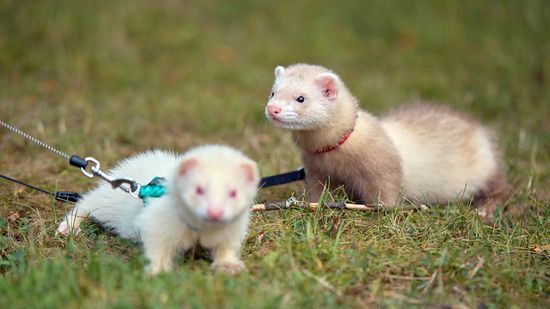
What Group of Animals Is Called a Business?
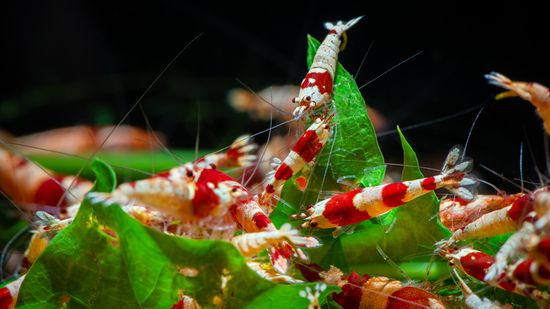
What Is a Group of Shrimp Called? (Hint: You'd Use the Term for Bugs)
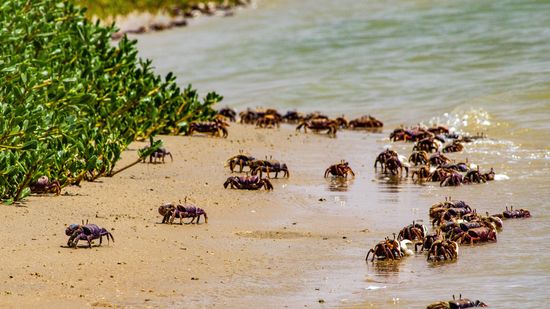
What Is a Group of Crabs Called? A Scuttle, a Clamor, a Cast?
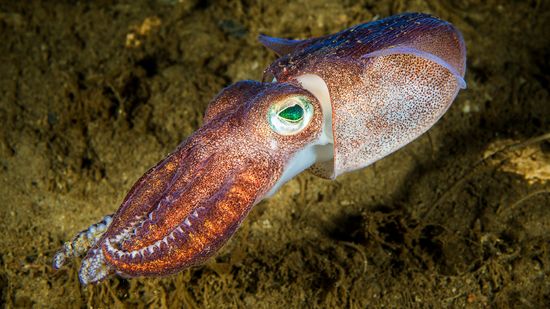
What Is a Group of Squid Called? Not a Squad, Unfortunately
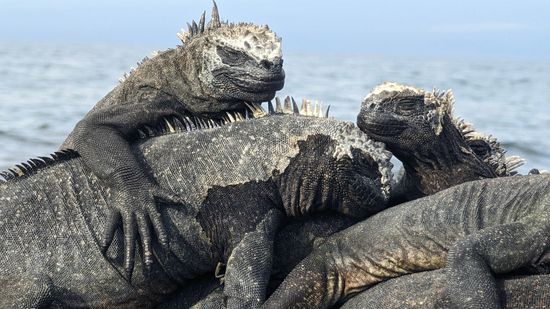
What Is a Group of Lizards Called? Not a Colony or a Pile but a...
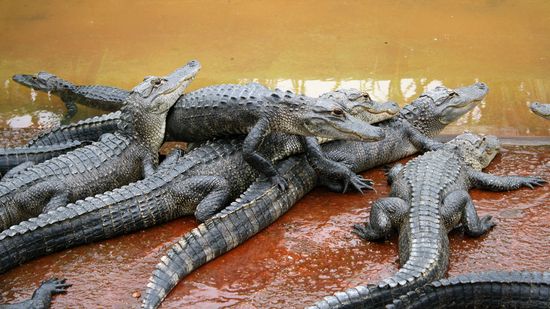
What Is a Group of Alligators Called? It Sounds Surprisingly Formal
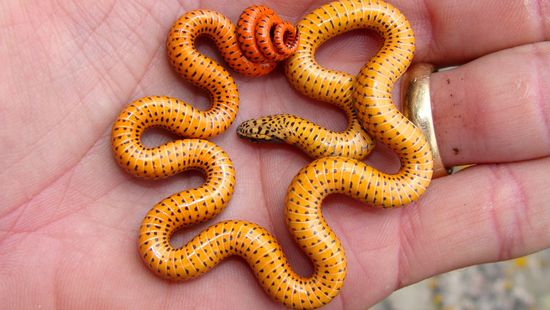
10 Cutest Snake Species That Have Us Squeeing
Learn More / Page 20
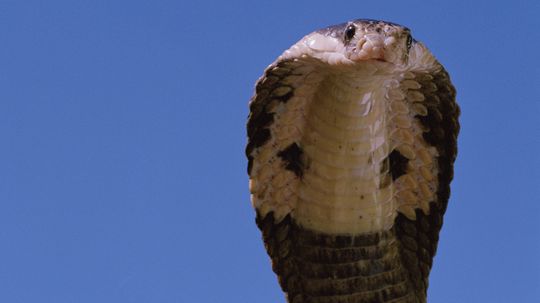
The king cobra (Ophiophagus hannah) is the longest venomous snake in the world and is one of the few snake species to make a nest for its eggs.
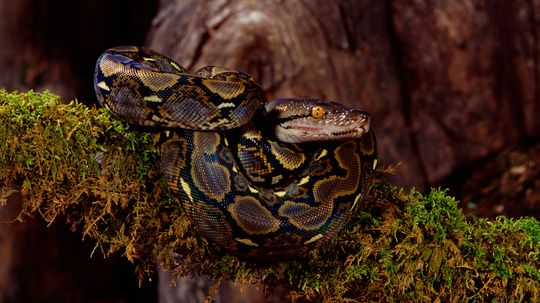
Pythons, the longest snakes in the world, are nonvenomous with a lethal squeeze. These snakes constrict their prey before devouring the meal.
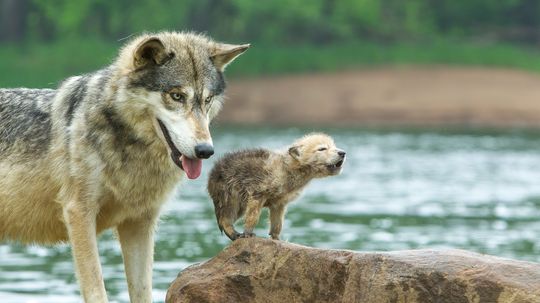
The world's largest wolves weigh up to 175 pounds (79.4 kilograms) and measure up to 6 feet (1.8 meters) in length.
Advertisement
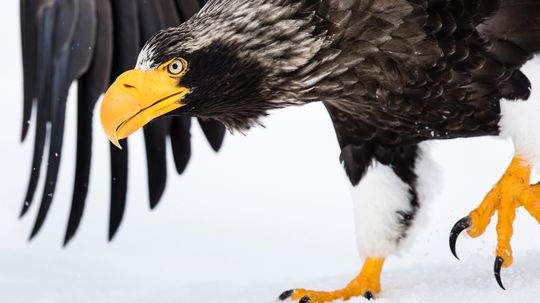
Wingspan isn't the only way to measure the largest eagles in the world. We also looked at weight and height.
By Yara Simón
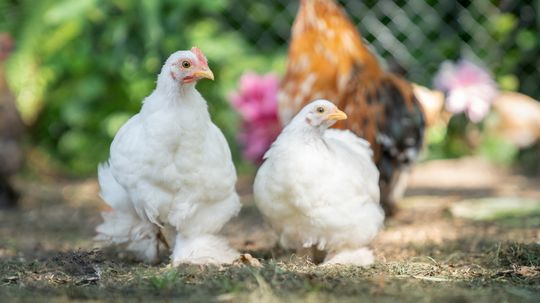
Whether you're a chicken keeper looking to increase egg production or just curious about the largest chicken breed, here's a list of the giants by weight.
By Yara Simón
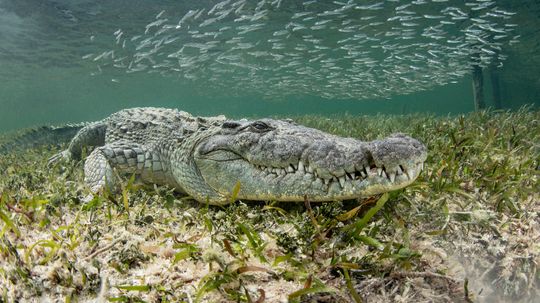
One of the largest crocodiles ever was so big that one website called the species "bus-sized."
By Yara Simón
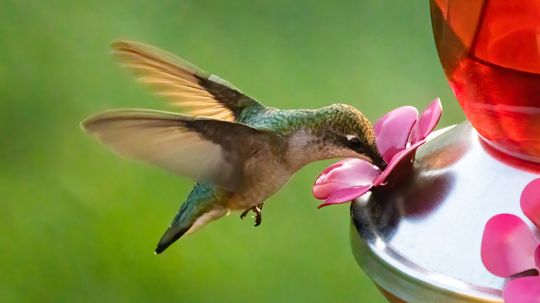
Hummingbird feeders are a great way to help those little fliers, but to feed them responsibly, you need to keep your feeders clean and fill them correctly.
Advertisement
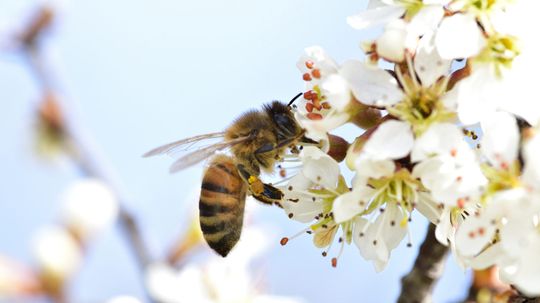
Bees can learn, make decisions and have a sense of smell 100 times more sensitive than ours. And most don't live in hives. Here are some cool facts about bees.
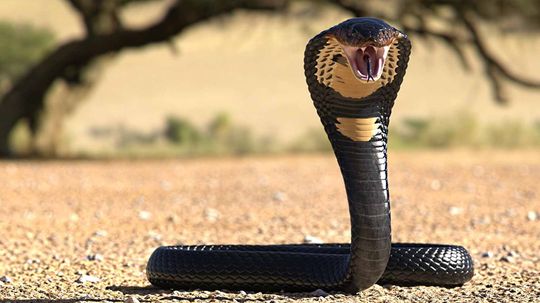
Just one bite from any of these venomous snakes could cost you your life. They're some of the deadliest snakes in the world and you don't want to mess with them.
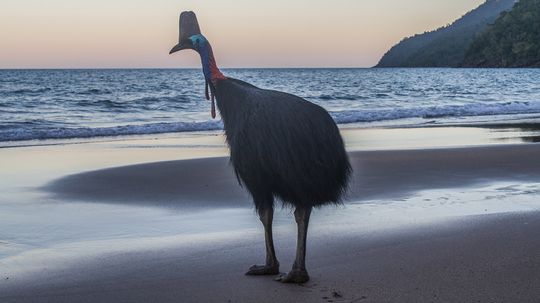
They are all huge, but does it surprise you that none of the nine biggest birds can fly?
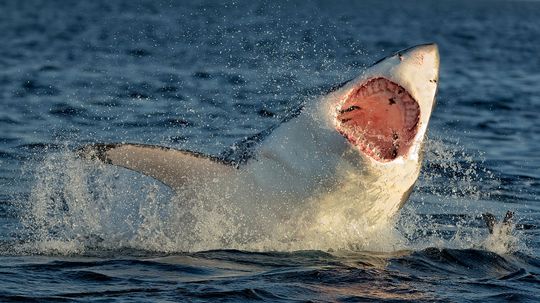
Sharks: They are the stuff of legend and the stuff of nightmares. But which are the biggest? Here are the top 10.
By Carrie Tatro
Advertisement
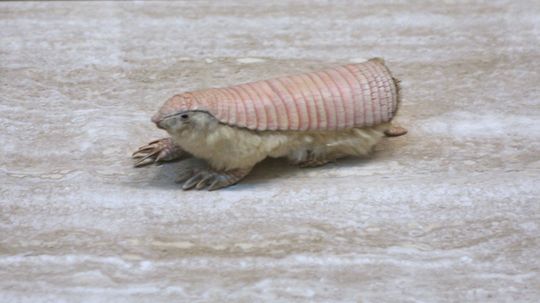
The pink fairy armadillo looks like something out of a children's book and is so rare that very few people have ever seen one.
By Carrie Tatro
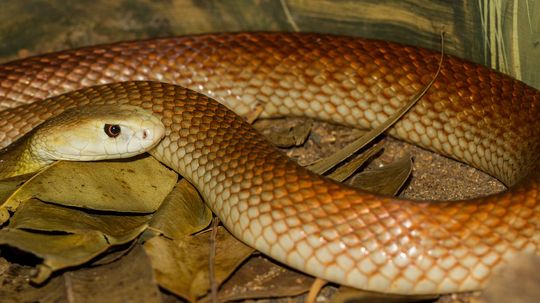
A new study dispels the myth that snakes are deaf to airborne sounds and reveals that different species react differently to the sounds they hear.
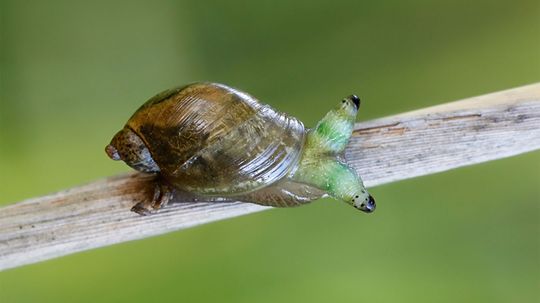
Like something out of a horror film, this parasitic worm invades a snail's eyestalks, where it pulsates to imitate a caterpillar, attracting the ultimate target, a bird.
By Mark Mancini
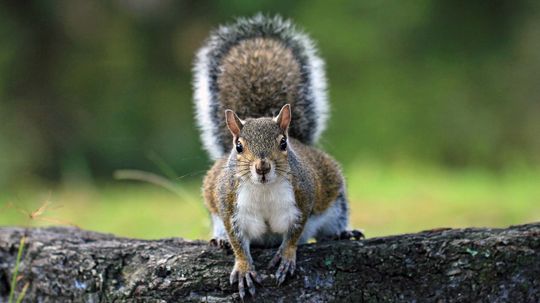
There are tons of squirrel species around the world. Do they all have the same life span?
Advertisement
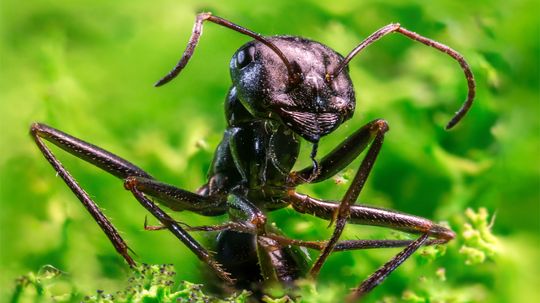
Estimating ant numbers and mass provides an important baseline from which to monitor ant populations amid worrying environmental changes.
By Mark Wong
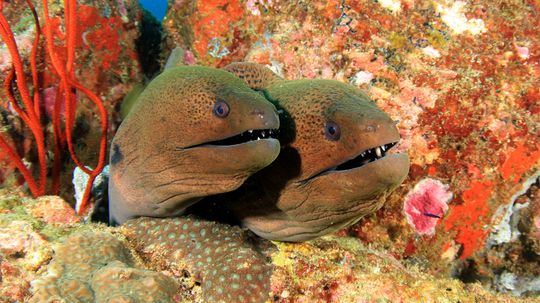
It's a slippery proposition, to be sure, but bees do it, birds do it and you can bet that eels do it too. The question is, how do eels reproduce?
By Mark Mancini
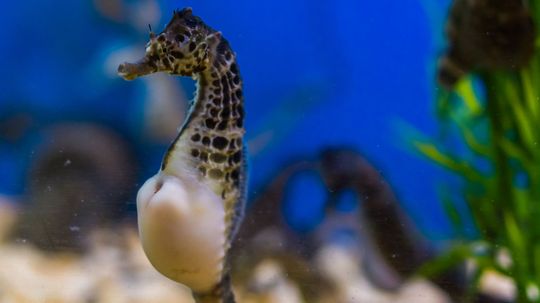
Unlike most species on Earth, the male seahorse, rather than the female, does the gestating and delivery. And he does it in his own unique way, a new study found.
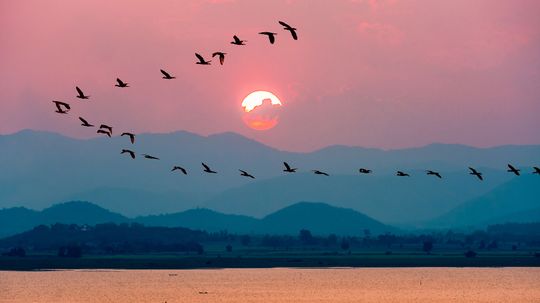
During the fall months, you may see unfamiliar birds in your area as those from the north begin to fly south. But how do they know when it's time to migrate and where to go?
By Alia Hoyt
Advertisement
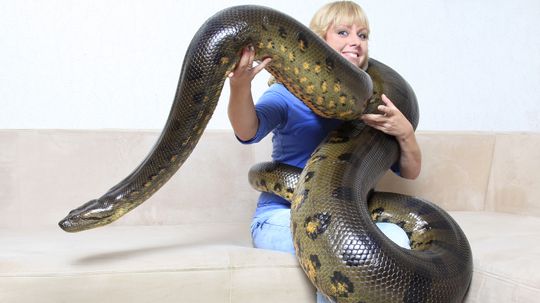
While you may not want to encounter one on a hike, there's no denying that snakes are magnificent creatures - no matter how big or small they are. But when it comes to the biggest snakes in the world, nature truly knows no bounds.
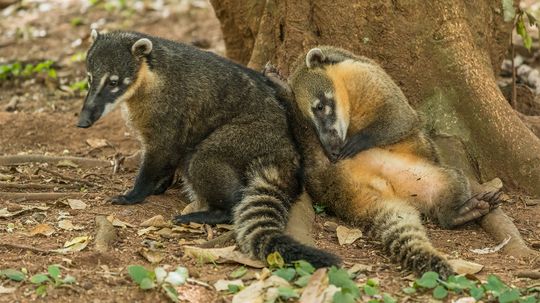
You don't want an animal living in your house that's smarter than a raccoon and never rests.
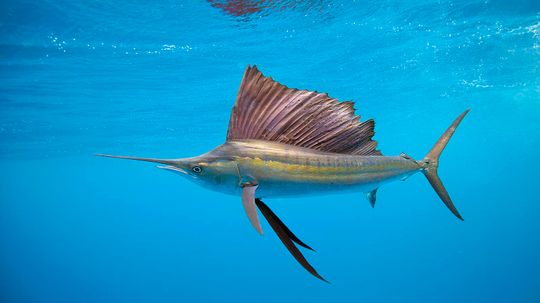
Sailfish are the fastest known animal in the ocean. Just how fast? As fast as a cheetah. That's how fast.
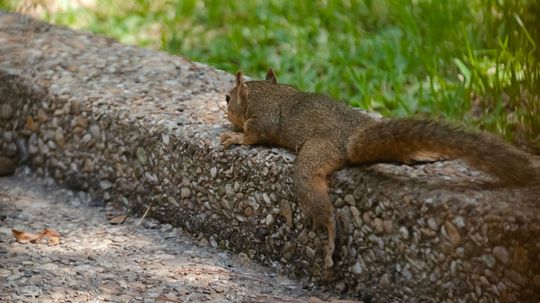
Don't freak out with worry if you see a splooting squirrel - he's just cooling off in the best way he knows how.
Advertisement
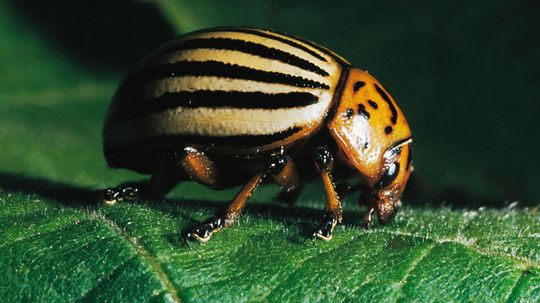
The most iconic agricultural pest of the past 200 years just wants to eat your potato plant.
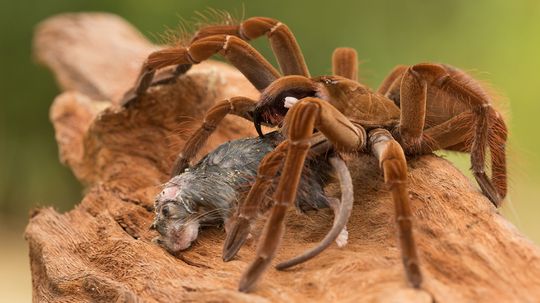
While they may incite fear due to their impressive dimensions, these spiders play crucial roles in their ecosystems and have become subjects of significant scientific interest and study.