
Wild Animals
Whether they crawl, fly, swim, slither, walk, run or pounce, wild animals rely on their instincts. Read about all kinds of wild animals, mammals, birds, fish, insects, reptiles and amphibians.
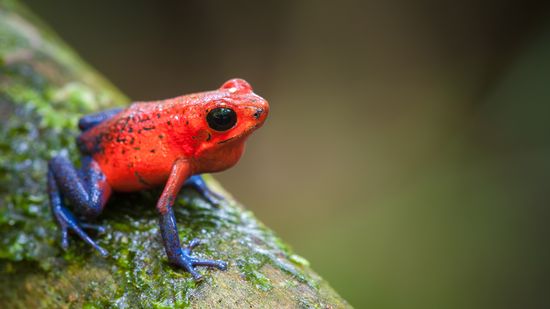
12 Colorful Frog Species: From Tie-dyed Designs to Rare Hues
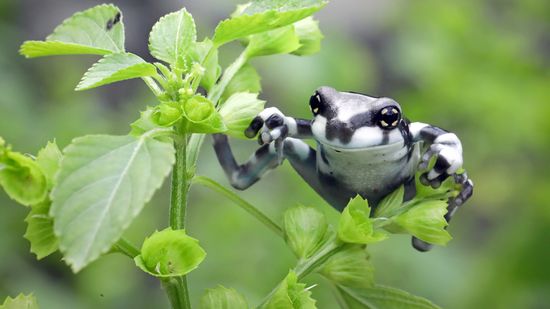
Amazon Milk Frog: Named for Its Defense, Not Its Color
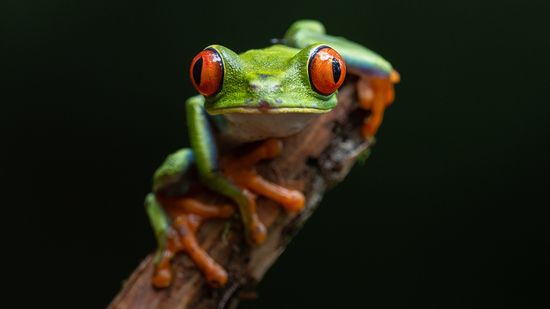
The Red-eyed Tree Frog Has Extremely Sensitive Skin
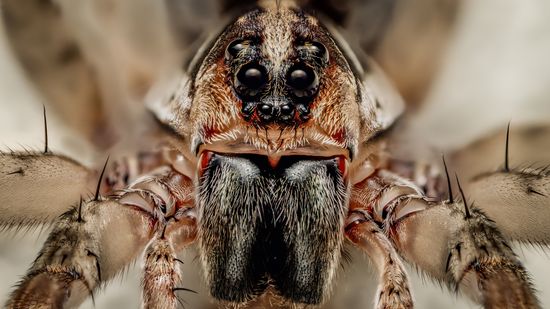
What Is a Group of Spiders Called? (Aside From Icky)
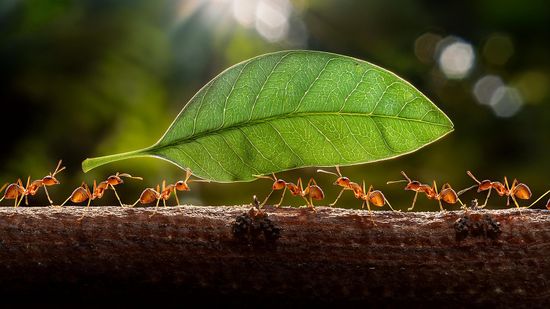
What Is a Group of Ants Called? Army vs. Colony vs. Swarm
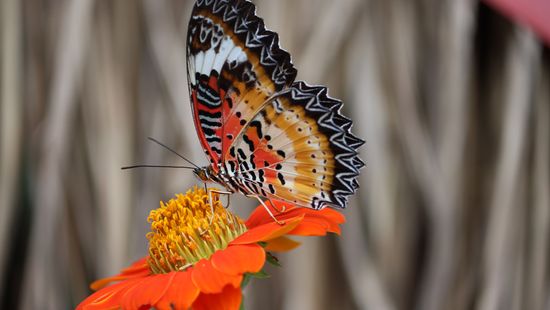
10 Red Butterfly Species Found From India to Florida to Europe
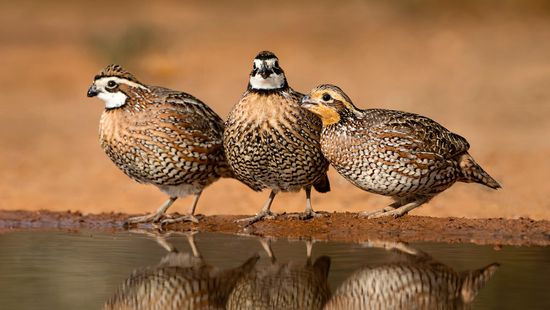
What Is a Group of Quail Called? Why You Should Give a Flock

What Is a Group of Hawks Called? It's About the Shape They Take in Flight
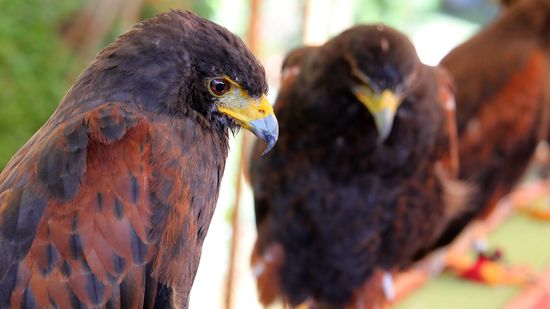
What Is a Group of Buzzards Called? Depends, Are They Feeding or Flying?
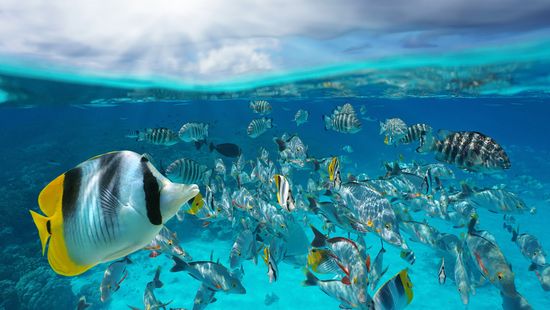
What Is a Group of Fish Called? Not Always a School
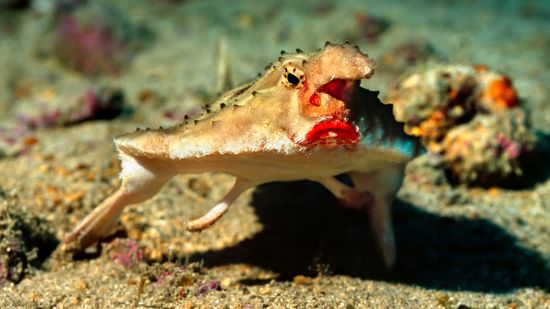
10 Weirdest Fish in the World: Batfish, Hairy Frogfish, and More
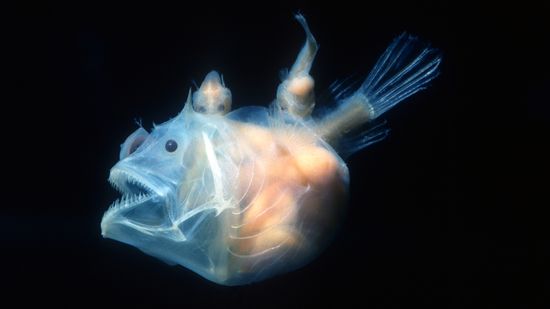
10 Scariest Fish Lurking in Rivers, Deep Ocean Waters, and Shells
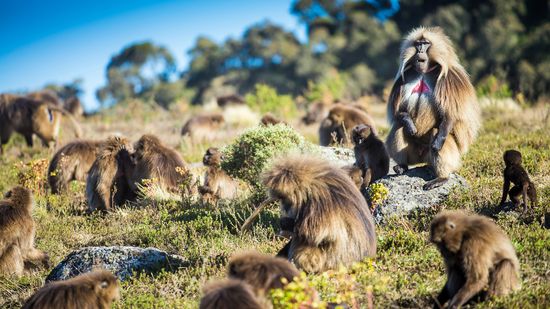
What Is a Group of Baboons Called, a Congress or a Troop?
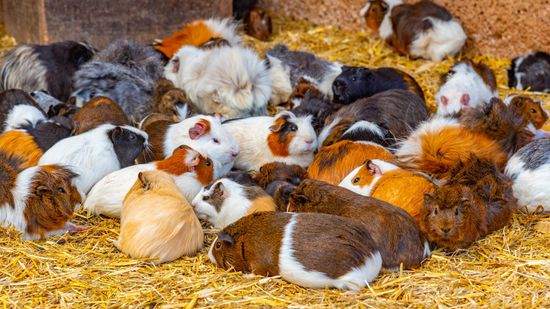
What Is a Group of Guinea Pigs Called? It's Bigger Than You'd Expect
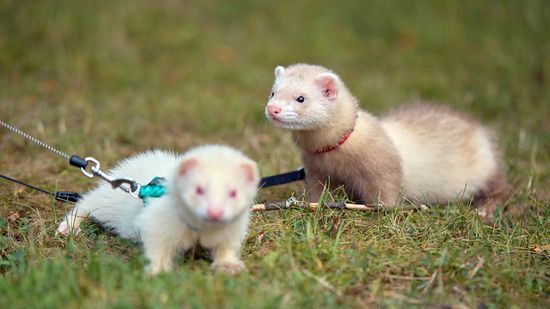
What Group of Animals Is Called a Business?
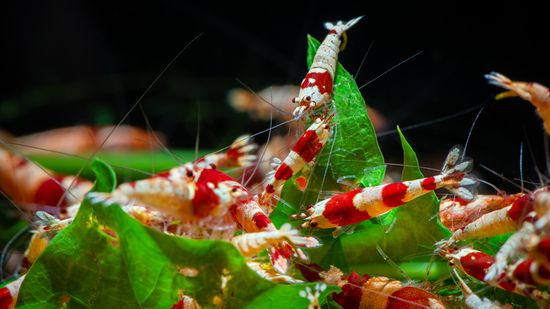
What Is a Group of Shrimp Called? (Hint: You'd Use the Term for Bugs)
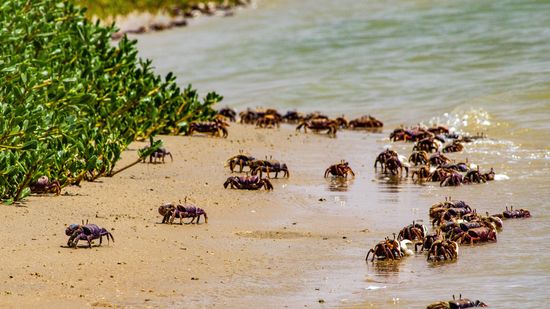
What Is a Group of Crabs Called? A Scuttle, a Clamor, a Cast?
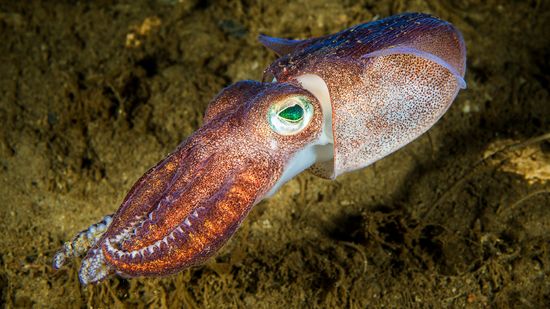
What Is a Group of Squid Called? Not a Squad, Unfortunately
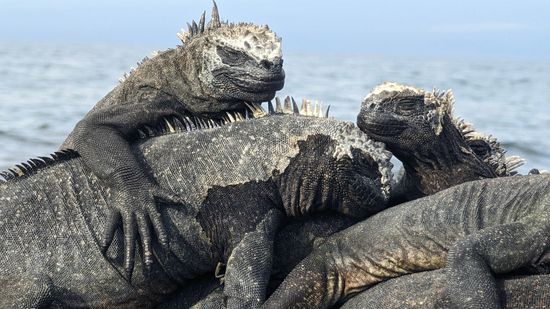
What Is a Group of Lizards Called? Not a Colony or a Pile but a...
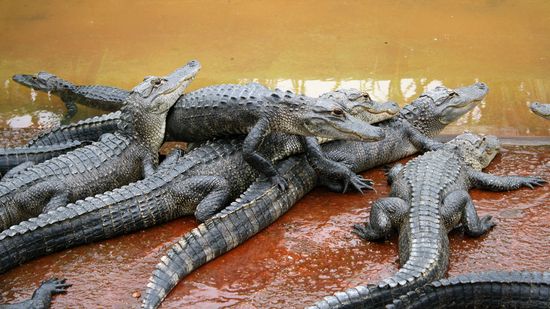
What Is a Group of Alligators Called? It Sounds Surprisingly Formal
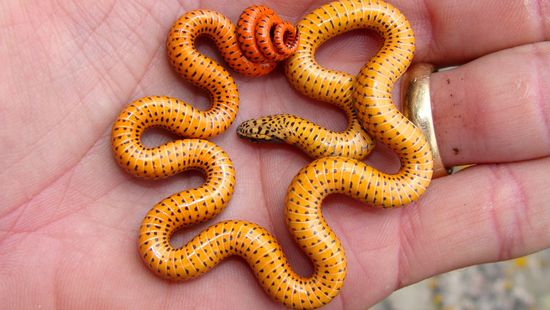
10 Cutest Snake Species That Have Us Squeeing
Learn More / Page 37
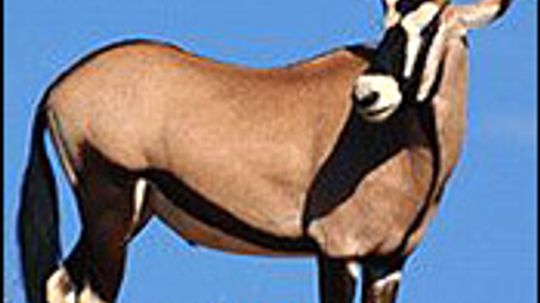
Classified in the bodivae family, the Gemsbok enjoys Arid regions and savannas. They feast on grasses, herbs, juicy roots, fruits, melons, leaves, buds and bulbs; and grow to stand 8 feet tall.
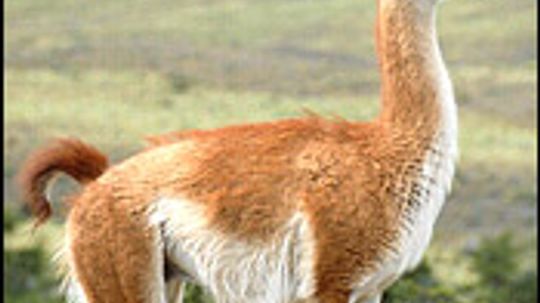
Classified as endangered in Chile and Peru, the guanaco is one of the largest wild mammals in South America is and the puma is its only significant natural predator.
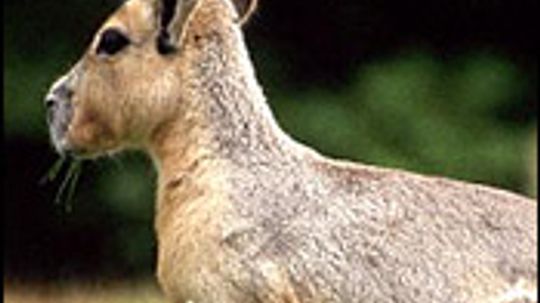
The Patagonian cavy is also called the Patagonian hare, has long legs similar to those of rabbits and hares. You can learn more about the Patagonian cavy at HowStuffWorks.
Advertisement
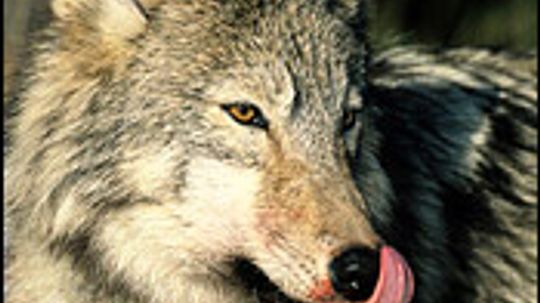
In this guide to mammals, you'll learn about the Gray Wolf, the largest canid in the world. Learn about the Gray Wolf's habitat, diet and conservation status.
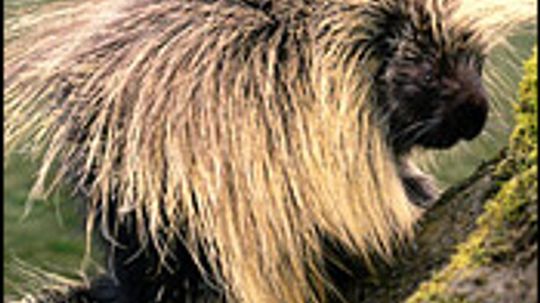
In this guide, you'll learn all about the North American Porcupine, including its habitat, diet and conservation status.
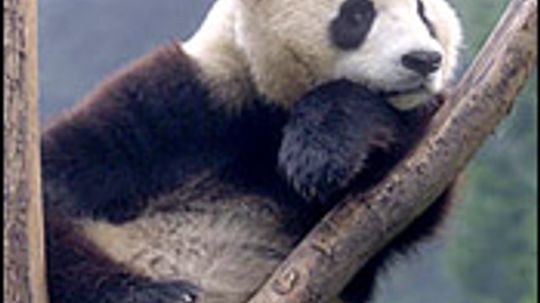
In this guide to the Giant Panda, you'll learn about the current threats and it's habitat.
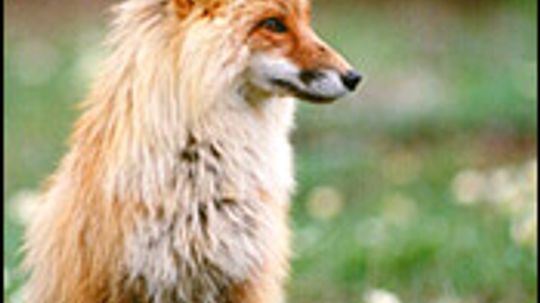
In this guide to the Red Fox, you'll learn cool facts about its habitat, unique behaviors and it's converstation status.
Advertisement
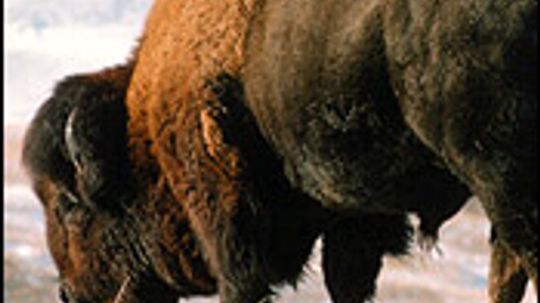
In this guide to the American Bison, you'll learn cool facts about its habitat, unique behaviors and it's converstation status.
In this guide to the Black-Tailed Prairie Dog, you'll learn cool facts about its habitat, unique behaviors and it's converstation status.
As with other tapirs, the short trunk of the Baird's tapir is composed of nose and upper lip. The tapir uses its trunk to pick up grasses, leaves is and fruit and carry them to the mouth.
The duckplatypus is an amazing animal. Learn about the duckplatypus.
Advertisement
The largest bat in the New World and the only species in its genus, Vampyrum spectrum was once thought to drink blood.
In this guide to the Goodfellow's Tree Kangaroo, you'll learn cool facts about its habitat, unique behaviors and it's converstation status.
In this guide to the Kinkajou, you'll learn cool facts about its habitat, unique behaviors and it's converstation status.
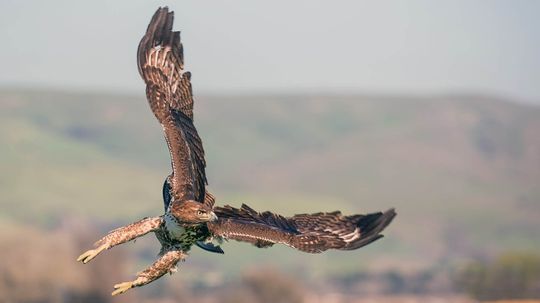
Red-tailed hawks are the most common hawk species in North America. These massive birds are known to mate for life, and, despite their name, to have feathers in a variety of colors.
By Wendy Bowman
Advertisement
What do bears do during the year? Check out this article to learn about behavior of bears from January to December.
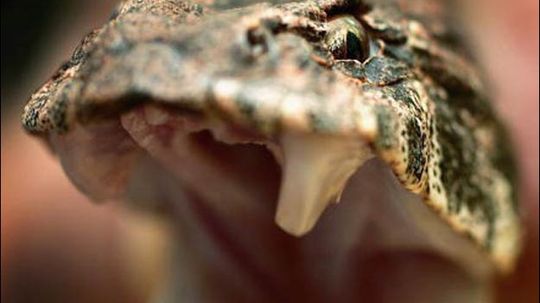
The death adder is native to Australia, New Guina and nearby islands. This relatively short, stocky snake has a triangular head, tapering tail and long fangs, the longest of any Australian snake.
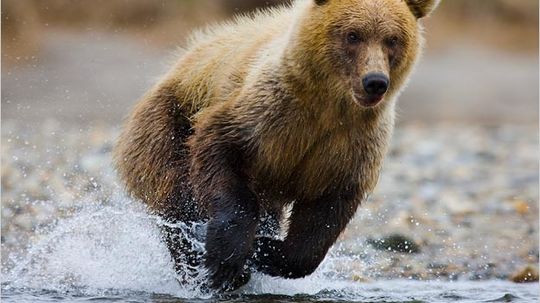
The brown bear, the grizzly, and the Kodiak bear are all part of the brown bear species. Learn about the Brown Bear in this article.

Read the greatest stories of the pigeons who have served as invaluable to people who need to send important messages over long distances.
Advertisement

Check out our list of the most common myths about pigeons, and perhaps you'll learn a thing or two about our familiar feathered friends!
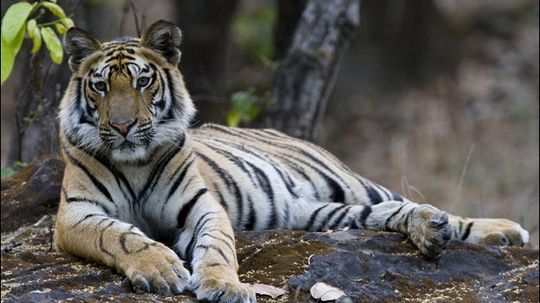
Learn all about tigers with these HowStuffWorks Tiger Facts!
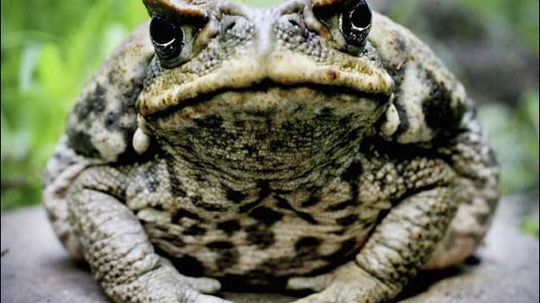
Meet the cane toad! View pictures, watch video, read facts, explore interactives and more.
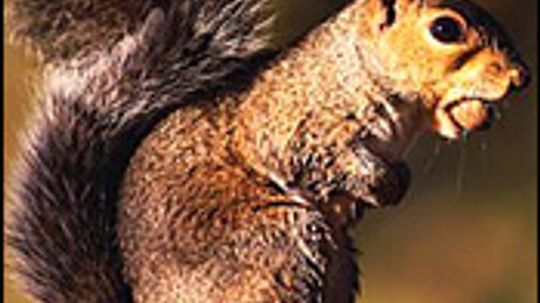
The eastern gray squirrel's natural habitat is the hardwood oak, hickory is and walnut forests of eastern North America, where its numbers are controlled by resource availability and predators such as bobcats, owls is and foxes.
Advertisement

Thoroughbred horses aren't just pretty; they're the end result of centuries of breeding and record-keeping. Where did Thoroughbreds come from -- and why are so many so determined to keep them pure?
By Josh Clark

A friend of mine gave me a package of Sea Monkeys as a gag gift for my birthday. I grew them, and they look nothing like the package but they really are alive! What are these things?