
Wild Animals
Whether they crawl, fly, swim, slither, walk, run or pounce, wild animals rely on their instincts. Read about all kinds of wild animals, mammals, birds, fish, insects, reptiles and amphibians.
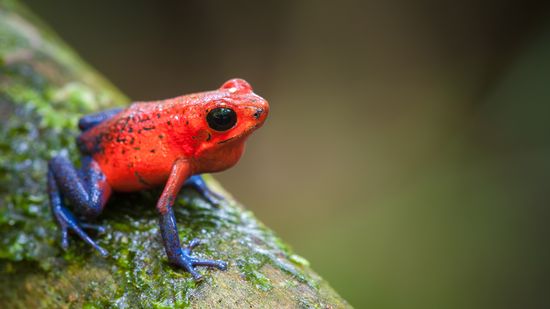
12 Colorful Frog Species: From Tie-dyed Designs to Rare Hues
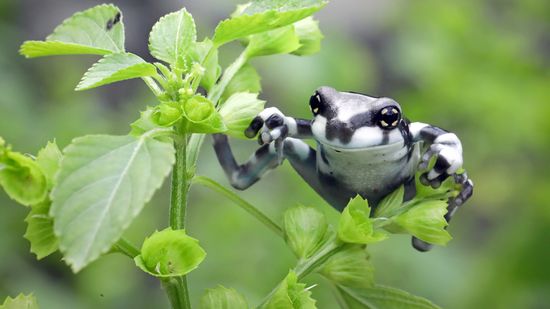
Amazon Milk Frog: Named for Its Defense, Not Its Color
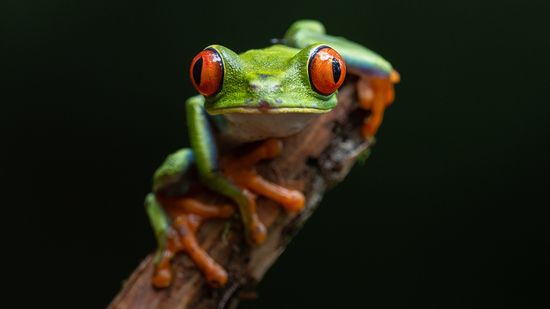
The Red-eyed Tree Frog Has Extremely Sensitive Skin
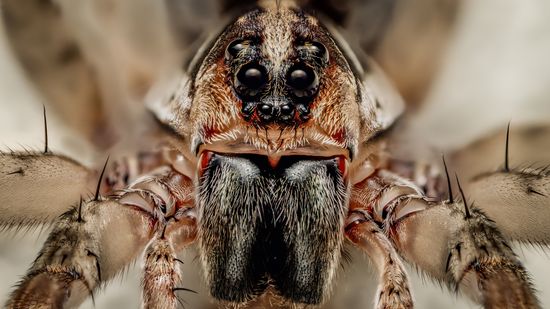
What Is a Group of Spiders Called? (Aside From Icky)
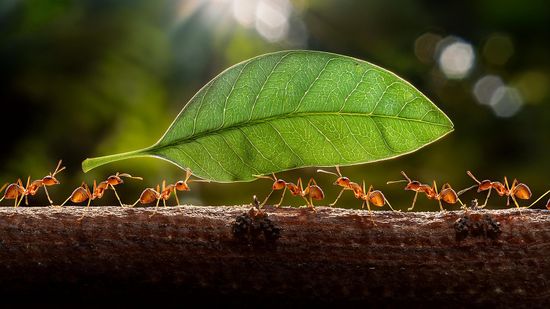
What Is a Group of Ants Called? Army vs. Colony vs. Swarm
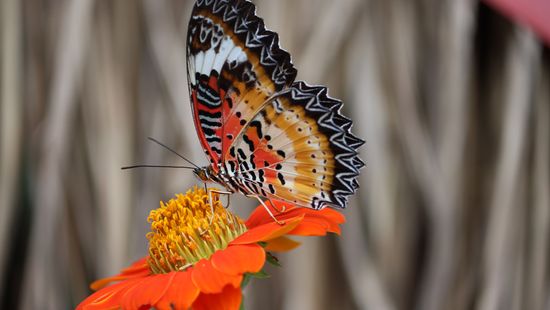
10 Red Butterfly Species Found From India to Florida to Europe
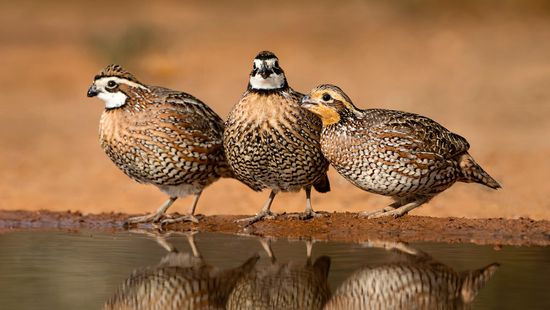
What Is a Group of Quail Called? Why You Should Give a Flock

What Is a Group of Hawks Called? It's About the Shape They Take in Flight
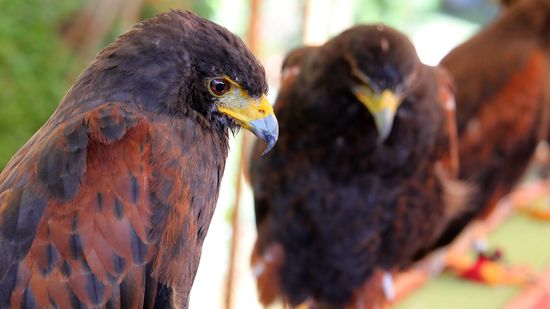
What Is a Group of Buzzards Called? Depends, Are They Feeding or Flying?
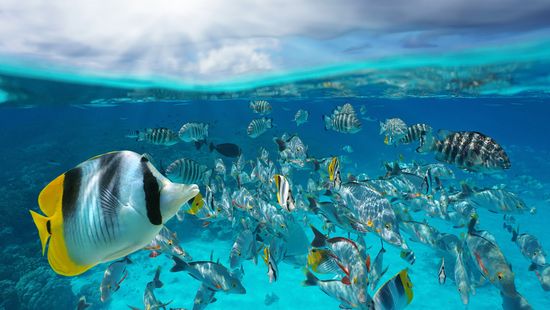
What Is a Group of Fish Called? Not Always a School
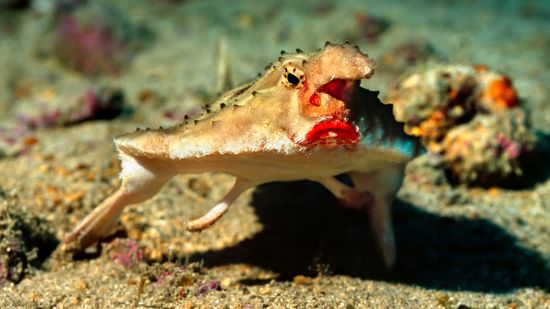
10 Weirdest Fish in the World: Batfish, Hairy Frogfish, and More
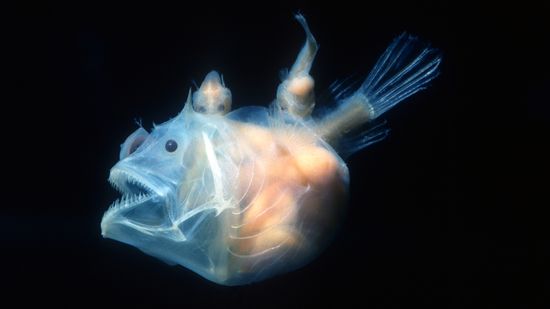
10 Scariest Fish Lurking in Rivers, Deep Ocean Waters, and Shells
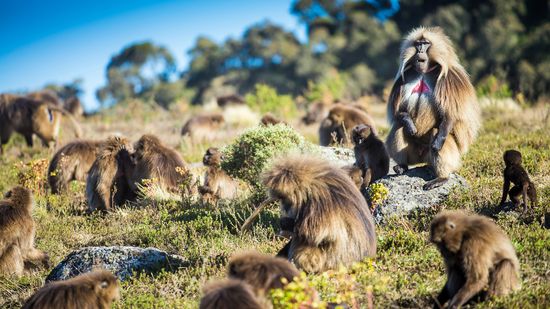
What Is a Group of Baboons Called, a Congress or a Troop?
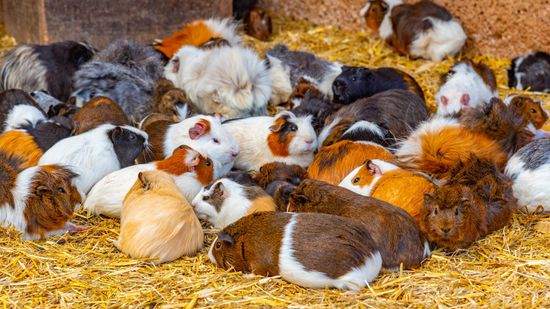
What Is a Group of Guinea Pigs Called? It's Bigger Than You'd Expect
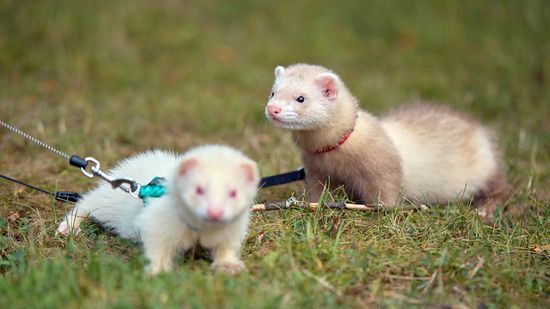
What Group of Animals Is Called a Business?
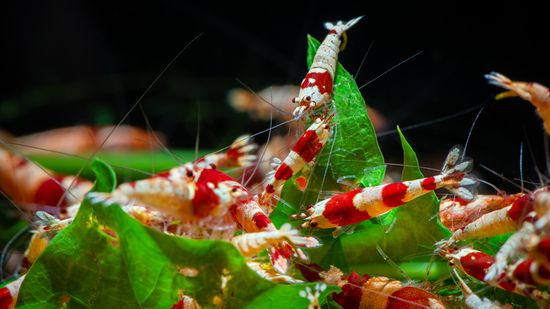
What Is a Group of Shrimp Called? (Hint: You'd Use the Term for Bugs)
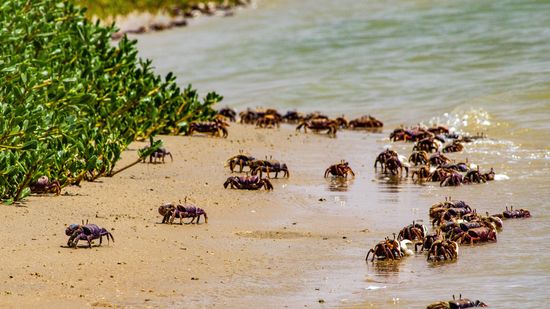
What Is a Group of Crabs Called? A Scuttle, a Clamor, a Cast?
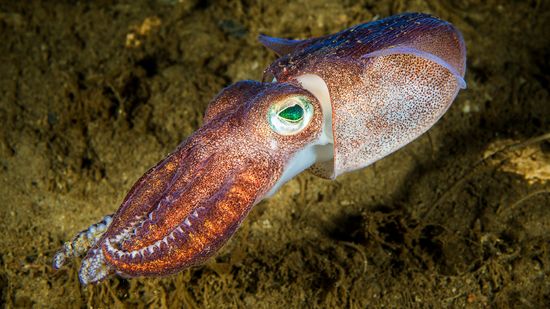
What Is a Group of Squid Called? Not a Squad, Unfortunately
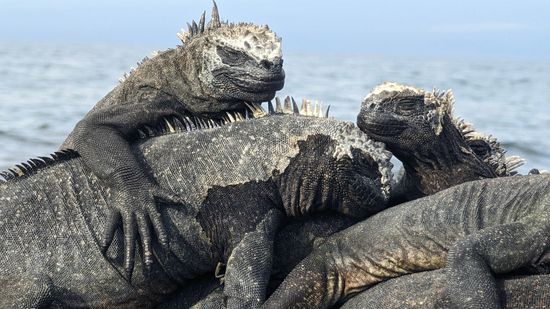
What Is a Group of Lizards Called? Not a Colony or a Pile but a...
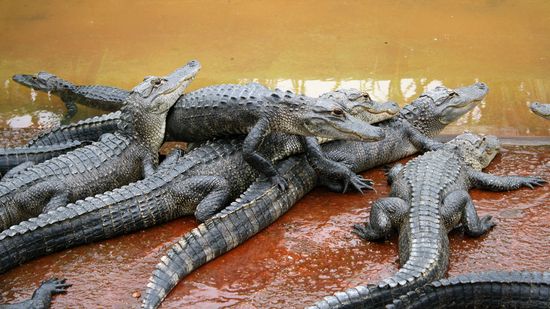
What Is a Group of Alligators Called? It Sounds Surprisingly Formal
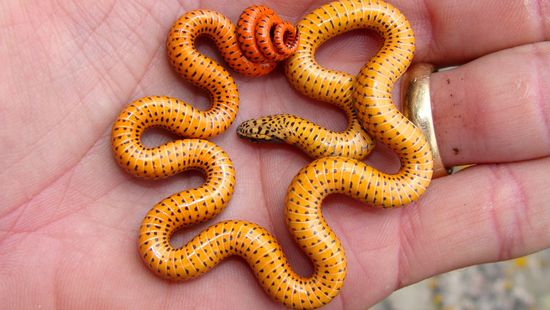
10 Cutest Snake Species That Have Us Squeeing
Learn More / Page 35
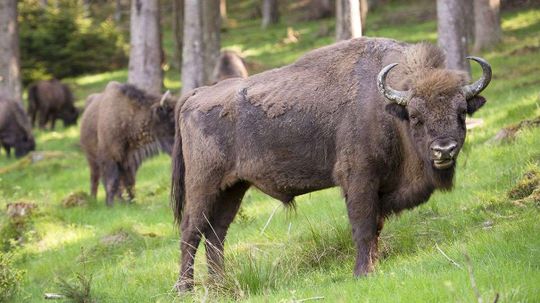
Groups of European bison make movement and grazing decisions by popular vote, choosing to follow or ignore potential leaders' suggestions.
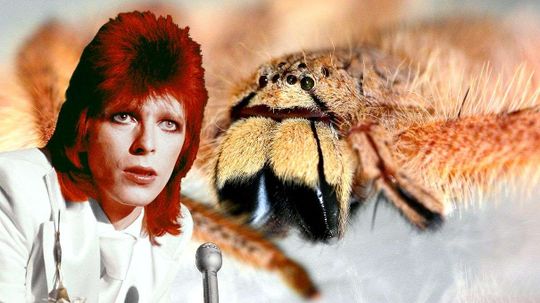
The bright colors of this Malaysian spider, first described in 2009, earned it comparisons to the flamboyant styles of David Bowie.
You were a soldier ant. Each day you mostly did that job until one day a scientist came along, jabbed a needle into your brain and your behavior changed.
Advertisement
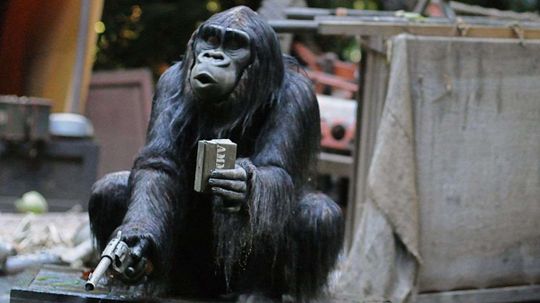
Pop culture has depicted chimps and other primates as both gun-wielding villains and saviors, but should humans be concerned about the possibility of armed apes?
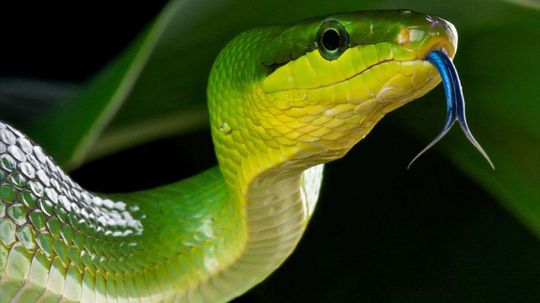
At night in caves around the world, dangling snakes emerge from hiding ready to scarf up flying bats.
By Sarah Gleim
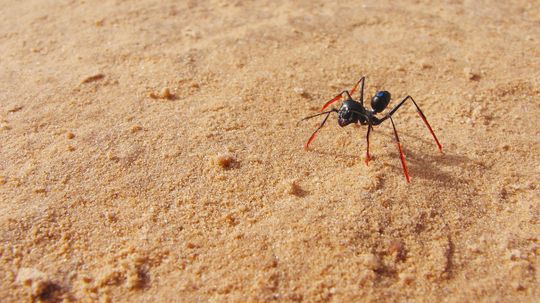
Scientists wanted to figure out how desert ants found their way home without tree shadows to guide them. This is how they did it.
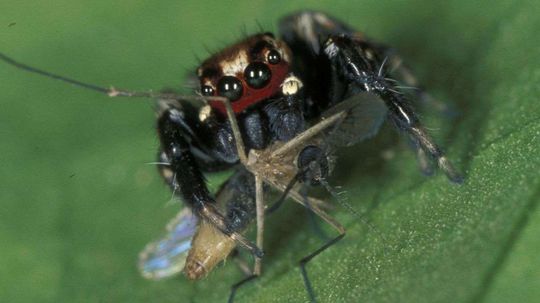
Think spiders are terrifying? It turns out that spiders with a taste for human blood are actually our allies in the fight against malaria.
Advertisement
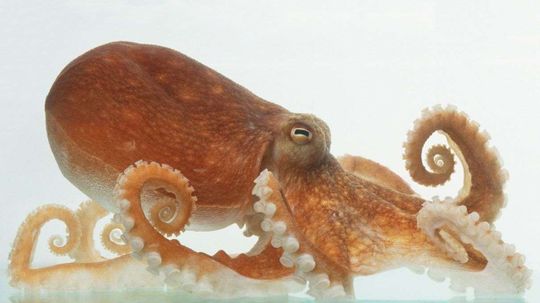
Whether they're busting open a child-proof medicine bottle or prying apart Mr. Potato Head, octopuses have some crazy brains. Actually, they have nine of them.
By Julia Layton
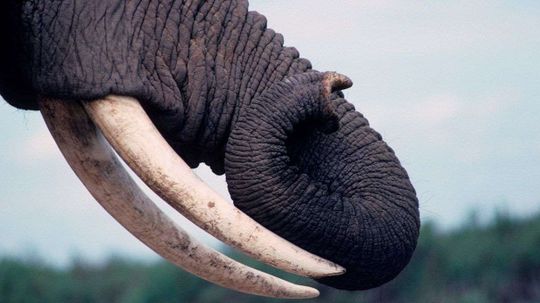
Creatures from pachyderms to bees are better than humans at detecting scents.
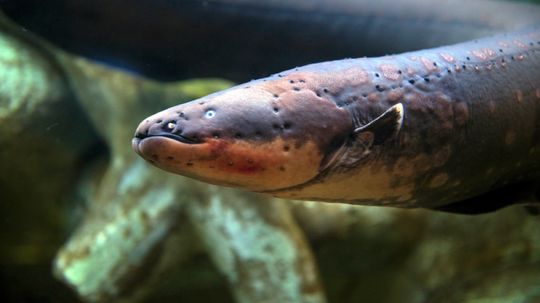
Electric eels actually aren't eels at all, but they certainly are electric. Their shock can kill animals in surrounding waters, but could it take down a human?
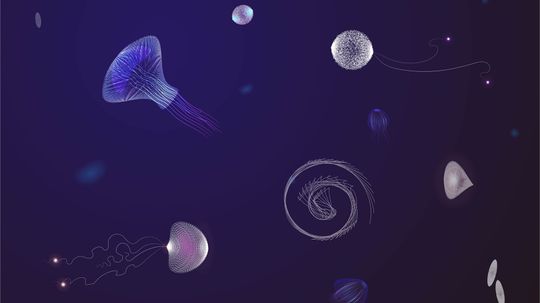
The Mariana Trench is the deepest place on Earth, and we're still in the dark about much of the life that calls it home. Here are just a few of the trench's eye-popping residents.
Advertisement
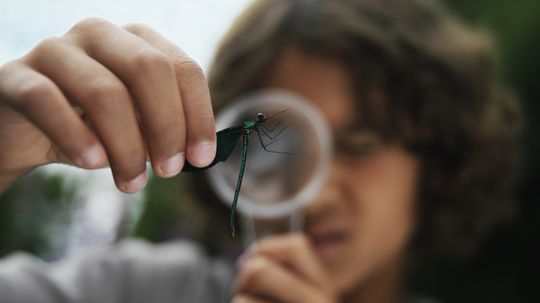
Bugs can destroy crops and spread disease, but those little critters also pollinate our plants. These are just a few of the reasons they're important - and even cool! - to study.
By Erin Wright
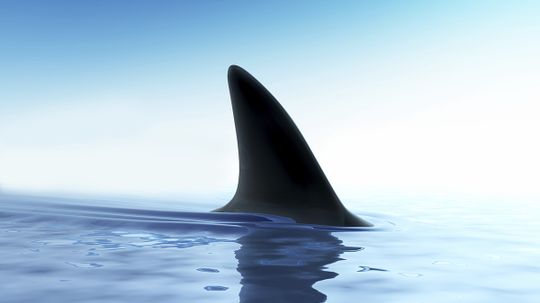
Most of us would take to the seas a bit easier without any hammerheads, blacktips or bull sharks patrolling the waters below. The truth is, however, sharks help maintain a balanced ecosystem.
By Chris Opfer
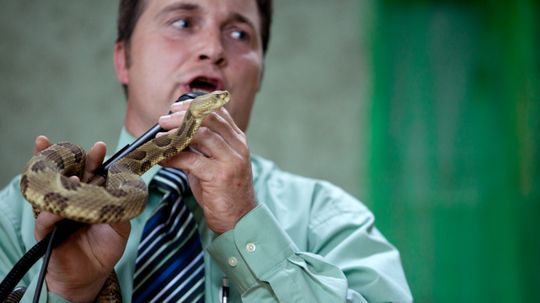
When you handle deadly snakes for a living, caution is job one. When you handle snakes for God, it is not. Let's meet some folks in both worlds.
By Julia Layton
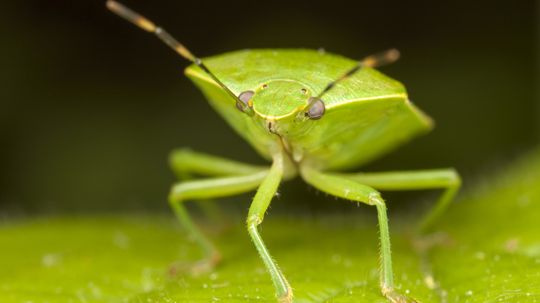
Bugs are insects, but not all insects are bugs. What differentiates the two?
Advertisement
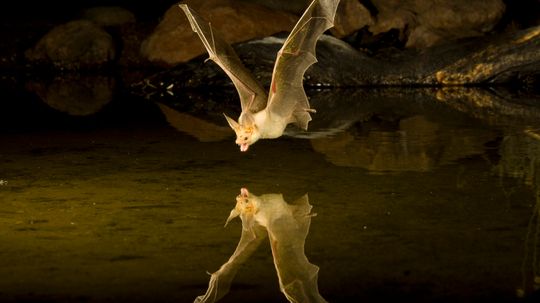
Some bats are messing with their neighbor's sonar to throw them off the track of food.
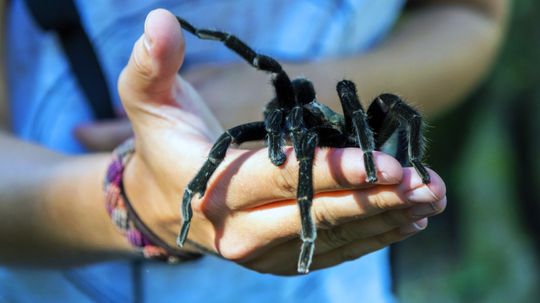
We think we know all about spiders - they spin webs to trap prey; if they bite you, you might die. And if you find one in your house, you should set it free. But what if all these beliefs are a web of lies?
By Chris Opfer
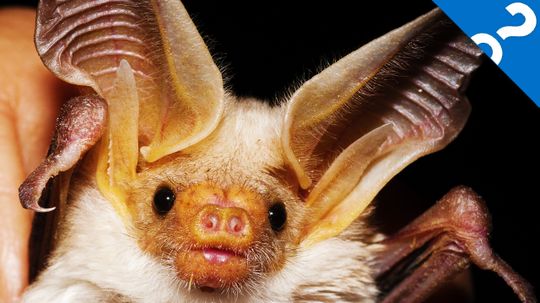
Bats can spread deadly human diseases. Join Lauren as she interviews a virologist about the powerful immune systems of these fascinating creatures of the night.
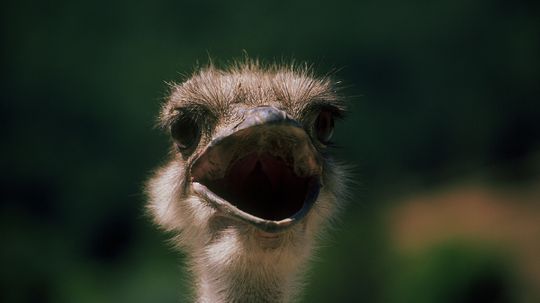
When a friend decides to ignore their problems, you might liken them to an ostrich. But ostriches are much more likely to face a problem head-on than hide it in the sand.
By Bambi Turner
Advertisement
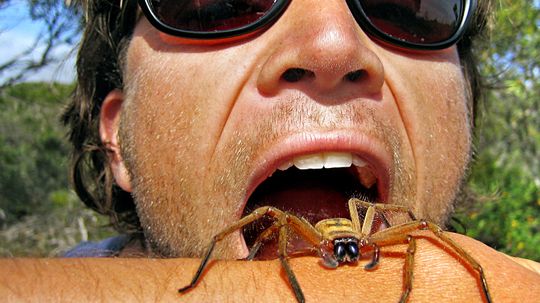
Worried about creepy-crawlies entering your mouth while you sleep? Relax, spiders have no interest in being eaten. In fact, there's no record of anyone swallowing a spider while sleeping.
By Bambi Turner
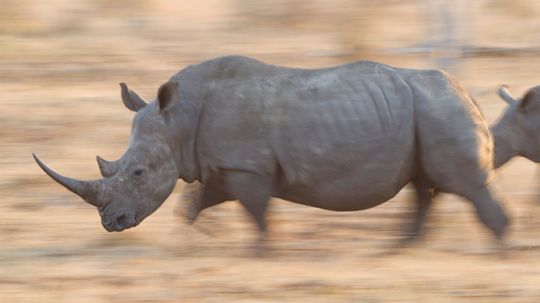
Afraid your formerly humble bonfire has grown a little out of control? Never fear: Your trusty rhinoceros firefighters brigade should be along to stomp it out at any moment. At least, that's the legend. But is there any truth to it?
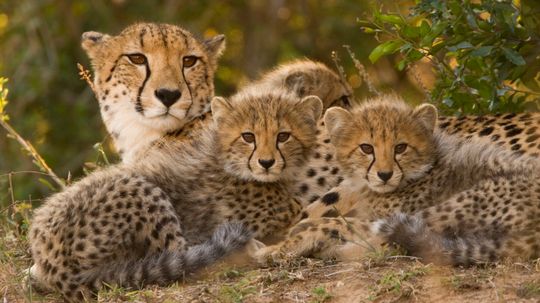
Cheetahs share so much DNA that they're practically clones of one another. But what does this mean for the future of the species?
By Bambi Turner
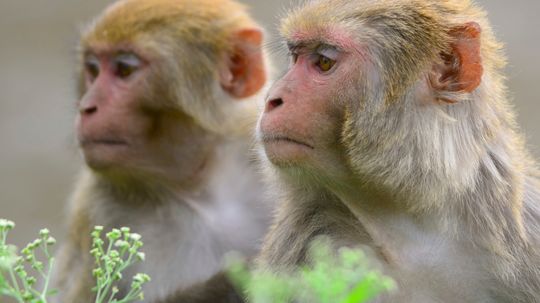
Monkeys share a lot in common with us, but are they just as superstitious? We know that have the ability to gamble, but is it deeper than just a game to them.
Advertisement
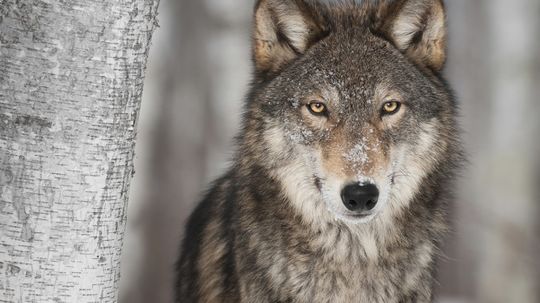
As fans of George R.R. Martin's "Song of Ice and Fire" series know all too well, a person encountering a dire wolf will likely end up in dire straits. But while these fearsome beasts make for great fiction, do they have any grounding in reality?
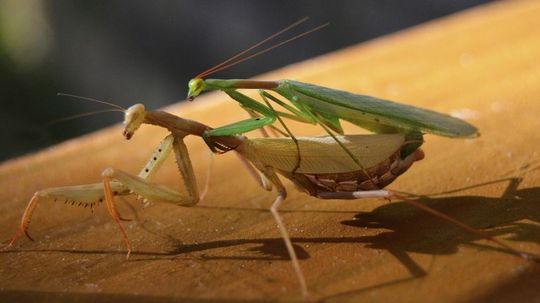
Mating shouldn't be something you lose your head over, but tell that to the male praying mantis. This poor creature has long been the butt of countless procreation jokes, but does he even deserve this unfortunate reputation?