
Animal Facts
Learn about some of the strange and unusual facts and terms in the animal kingdom.

10 Best Animals to Keep as Pets

10 Biggest Cat Breeds to (Lovingly) Shed All Over Your Home
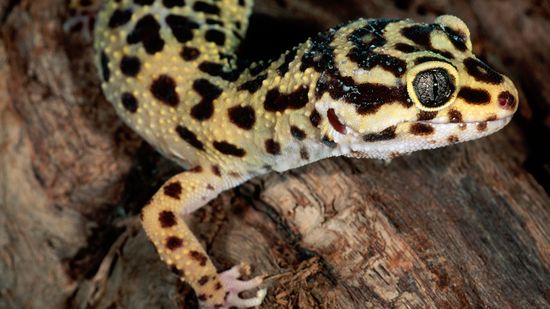
6 Best Lizard Pets for Your Home
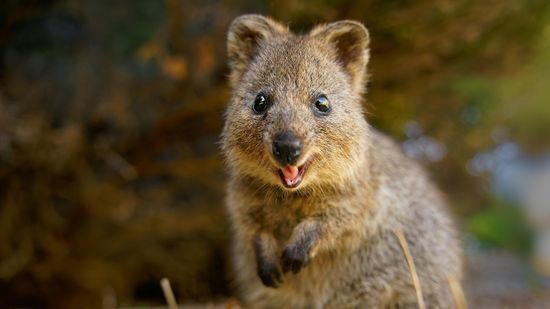
The Happiest Animal on Earth Is the Quokka

How the Spider-tailed Horned Viper Tricks Unsuspecting Prey

The Biggest Fish Ever Caught (By IGFA Standards)

Amur Leopard: The Rarest Big Cat in the World
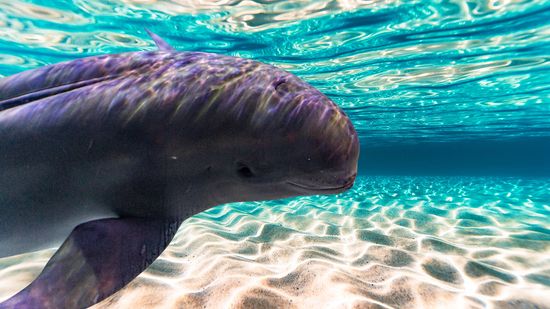
Yangtze Finless Porpoise: The World's Only Freshwater Porpoise

The Western Lowland Gorilla Is Susceptible to Ebola
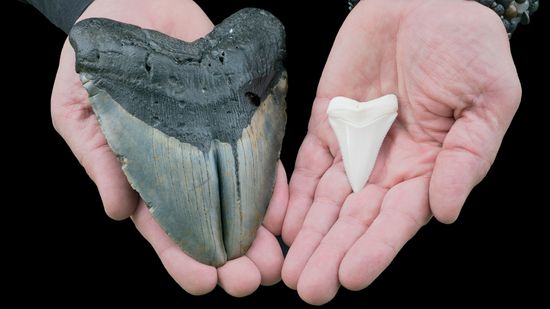
All About the Megalodon, Shark Giant of Prehistoric Times

What Was the Biggest Dinosaur? Here Are the 4 Best Estimates

Meet Palaeophis Colossaeus, the Largest Sea Snake of All Time
Learn More
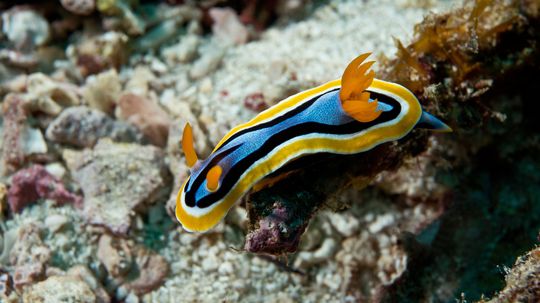
With over 1.5 million different species living on our planet, there is no shortage of interesting ways to categorize them into groups. Most of the unique creatures on the following list are not closely related, except for the fact they are all animals that start with "n."
By Mitch Ryan
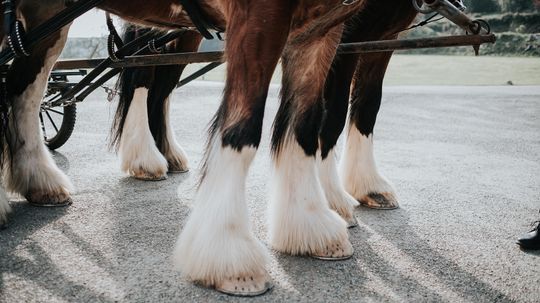
Sampson was a magnificent Shire horse from the mid-1800s whose incredible size and strength made him a legend in his own time. A true colossus, he dwarfed even the largest of draft horses.
By Marie Look
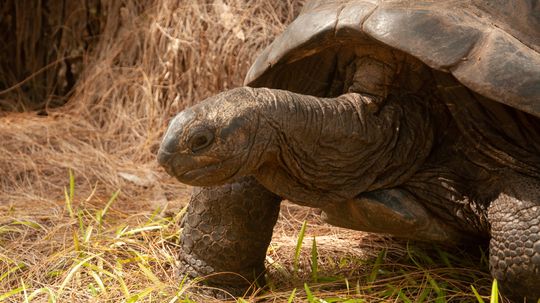
Jeanne Louise Calment, who lived to the ripe age of 122, witnessed incredible milestones in human history, from the unveiling of the Eiffel Tower to the advent of the internet. Her long life, spanning well over a century, is a testament to human resilience and longevity.
Advertisement
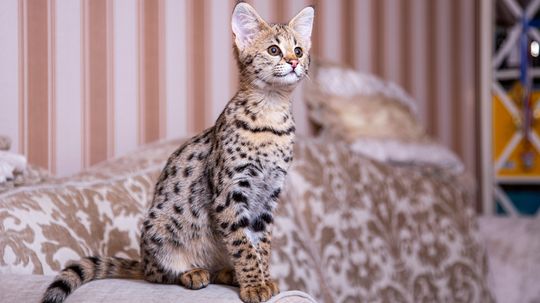
Hybrid animals, also called crossbreeds, are the offspring of two different or closely related species. Some only exist in captivity due to habitat differences.
By Yara Simón
The taxonomy that Carl Linnaeus introduced in "Systema Naturae" set the stage for a uniform animal classification system.
By Yara Simón
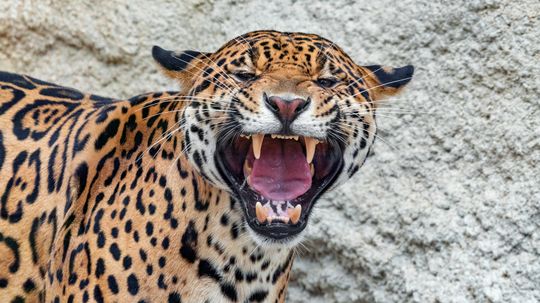
The strongest animal bite in the world isn't easy to measure, but even with conservative estimates, these are some impressive numbers.
By Sascha Bos

Discover the fascinating world of desert animals. Explore their survival strategies and adaptations in harsh arid environments.
By HowStuffWorks
Advertisement

If you think dog and cats are the world's smartest pets, you're right. But there are others too. Which smart animals top the list?
By Mitch Ryan
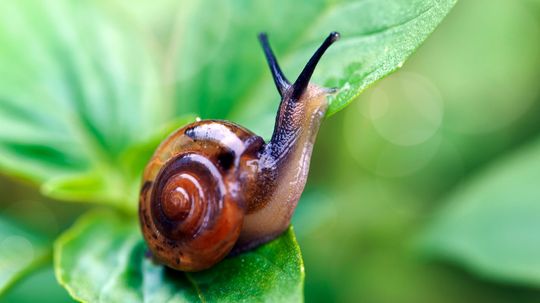
Snails and slugs have to take it easy because of the unique way they move. Fortunately, they don't have to be in a big hurry to get dinner.
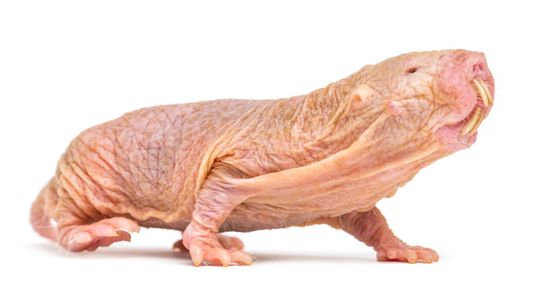
You can't dis a naked mole rat just for being himself, but, really, what animal could be uglier? Well, the world is full of ugly animals and we've got nine other choices for you.
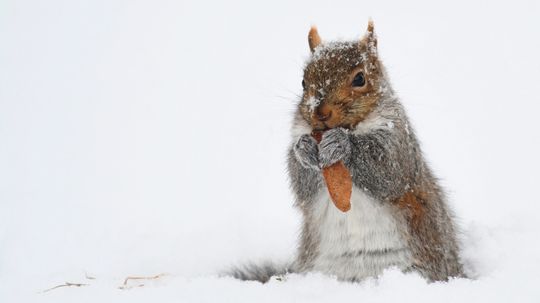
Even if Mother Nature hasn't blessed a wild animal with extra-thick coat of fur, she has provided it with some other ingenious ways to survive winter.
Advertisement
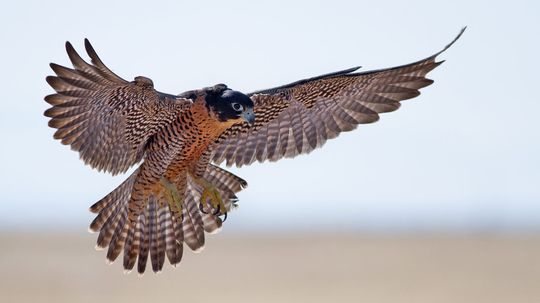
There are a lot of contenders depending on how you slice it. We look at the fastest animals on land, sea and air.
By Alia Hoyt
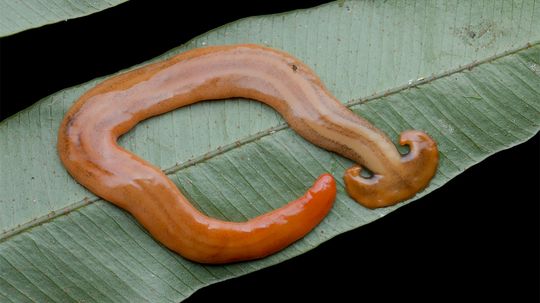
Hammerhead worms are toxic but not particularly dangerous — unless, of course, you eat too many of them.
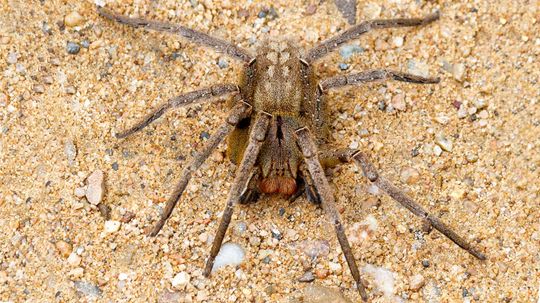
It's hard to say what is the most dangerous animal in the world; you're not comparing apples to apples. But when it comes dangerous, these four top the list.
By Alia Hoyt
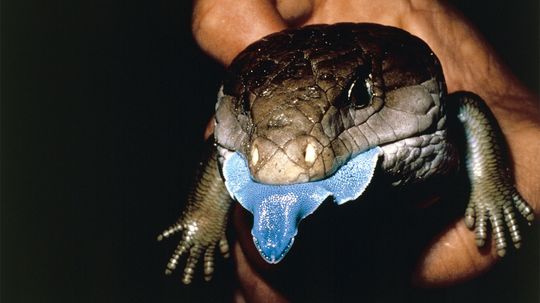
These intelligent, friendly creatures have a life span of 15 to 20 years and make great pets.
Advertisement
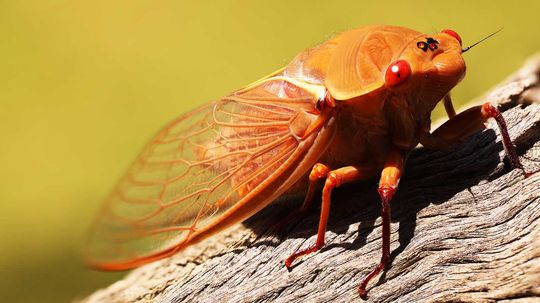
Your dog barking at the mailman? Loud. But he's got nothing on these seven. They're some of the loudest animals on the planet, and they're probably not the ones you'd expect.
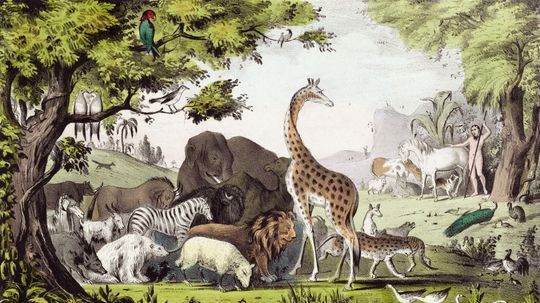
You probably like a lot of Animalia (that's the scientific name for animals), but how well do you know their formal monikers? Every animal has a two-part Latin name, with the first word capitalized, for classification purposes.
By Alia Hoyt
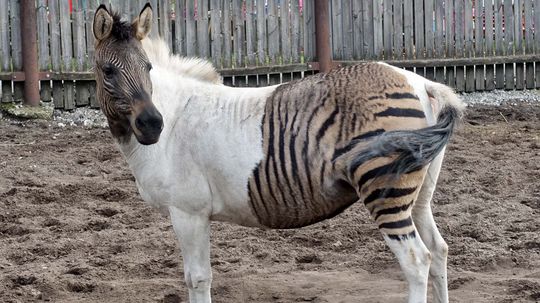
A zorse is one strange looking horse. That's because it's the product of a zebra stallion and a female horse.

Kiddo was his name and not only was he the first cat to attempt to cross the Atlantic in an airship, but he also did it as a stowaway.
By John Donovan
Advertisement
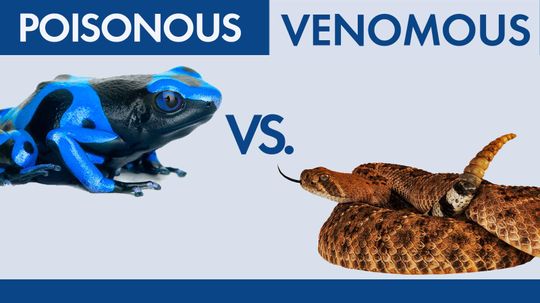
Venomous and poisonous mean very different things and are often used incorrectly. We'll clear up the confusion.
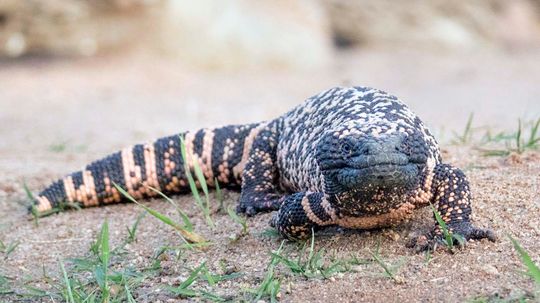
The Gila monster is the most venomous lizard on U.S. soil. But despite the fact that its bite can be debilitating, its venom can also save lives.
By Mark Mancini

We know dogs have been trained to sniff out everything from burglars to bombs. Now a group of researchers is hoping some savvy canines can help detect coronavirus, too.

More than 70 percent of pet owners play music for their pets so Spotify has created custom playlists just for your furry friends (and your favorite iguanas, too).
Advertisement
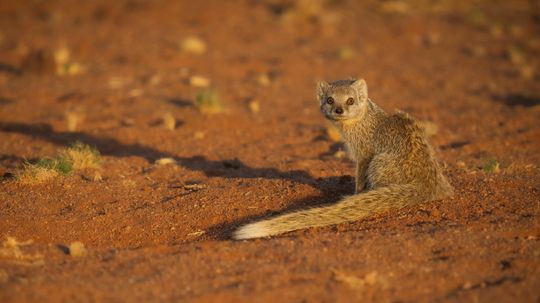
The grudge match that was popularized in Rudyard Kipling's short story "Rikki-Tikki-Tavi" is a mystifying one, but a few specialized traits allow mongooses to add venomous snakes to their list of entrées.
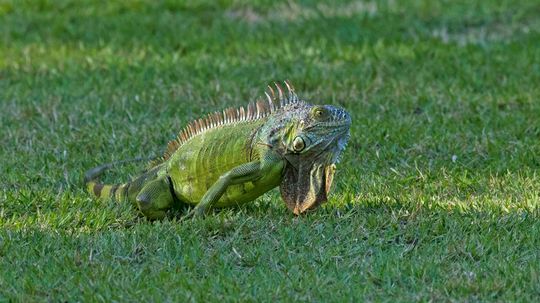
The green iguana isn't native to the Sunshine State. So how did this invasive lizard get there and become the state's menace to society?
By Mark Mancini