
Hoofed Mammals
Hoofed animals are generally herbivorious and very diverse. Learn about antelopes, cattle, deer, pigs and sheep.
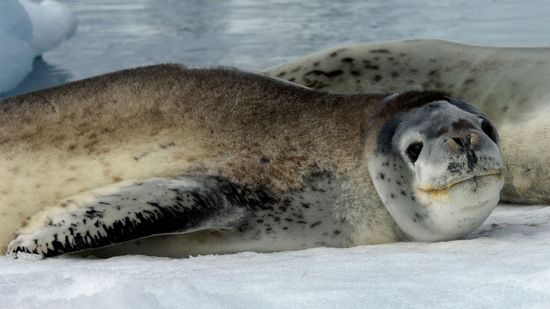
Leopard Seals Are Apex Predators of the Antarctic
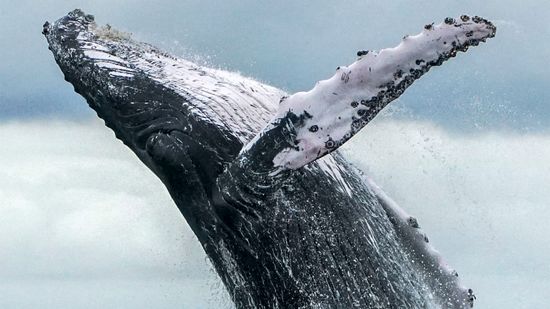
Humpback Whales Have Made an Amazing Comeback From Extinction

9 Enormous Facts About Sperm Whales, Gigantic Creatures of the Sea
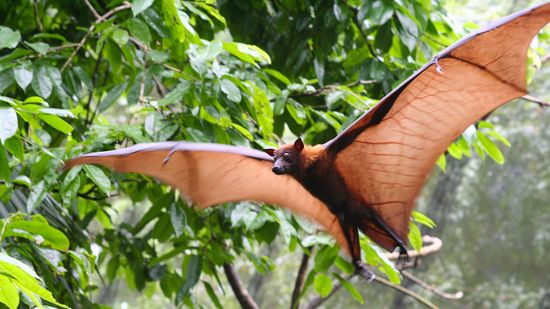
The Largest Bat in the World Has a Wingspan Over 5 Feet
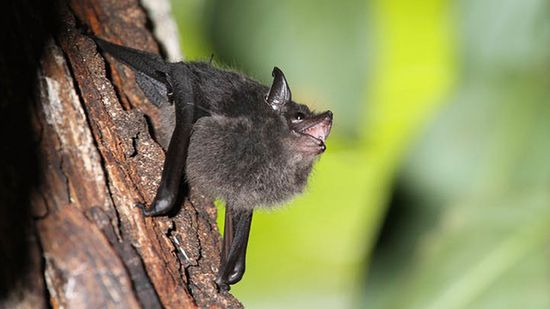
Baby Bats Babble With Moms, Hinting at Human Language Development
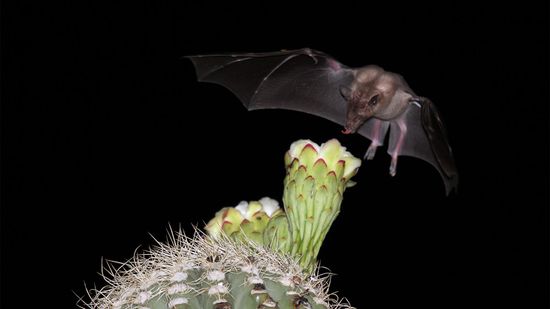
Fruit Bats Are the Best Pollinators (and Suppliers of Tequila)
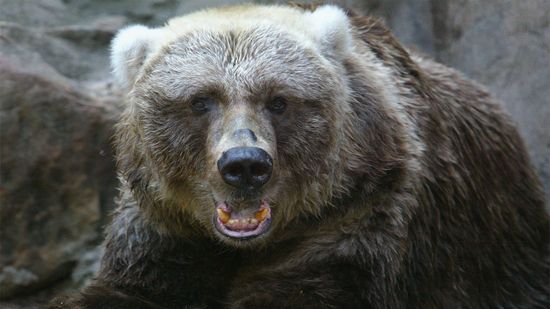
Alaska's Kodiak Bear Is One of the Planet's Biggest
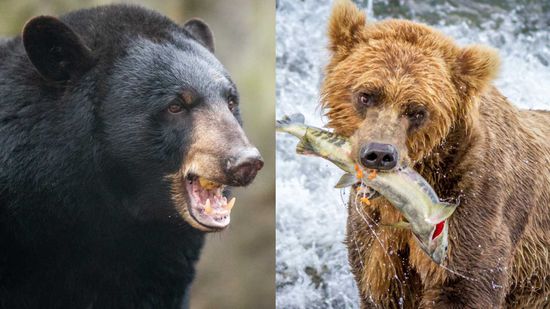
What's the Difference Between a Brown Bear and a Black Bear?
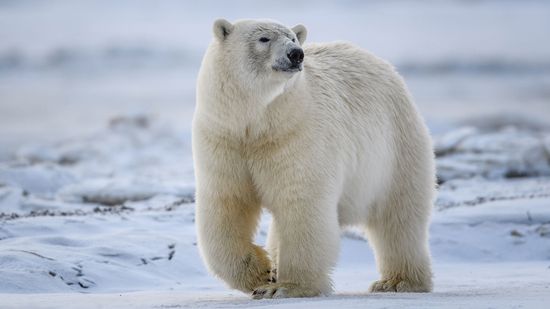
How Polar Bears Work
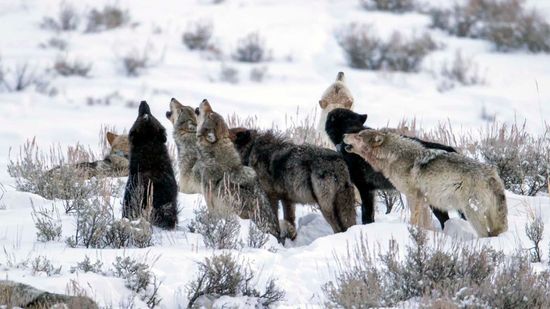
Gray Wolves Will Get Federal Protection Again in Much of U.S.
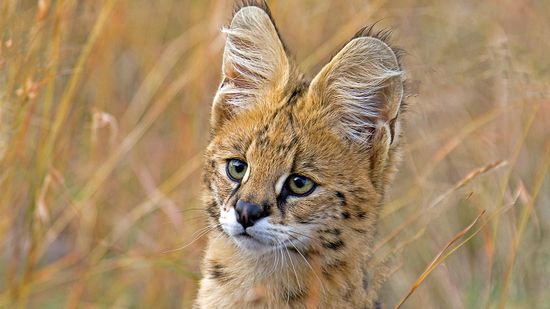
The Serval Stands Tall and Jumps Like A Champion
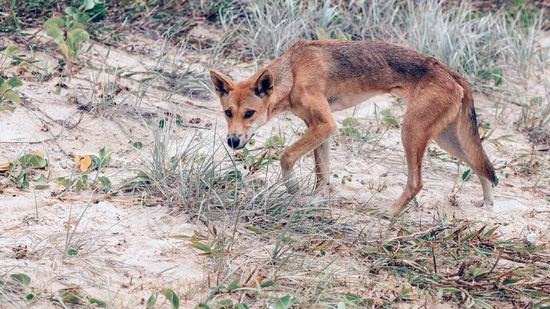
Are Dingoes Dangerous (and Did One Really Eat a Baby)?
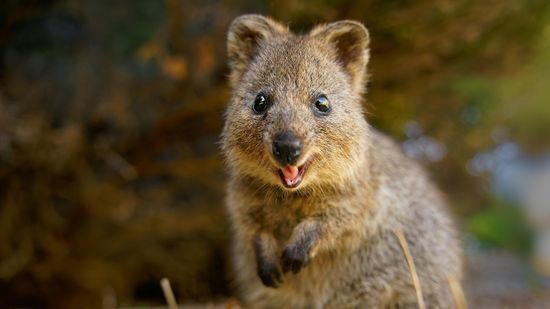
The Happiest Animal on Earth Is the Quokka
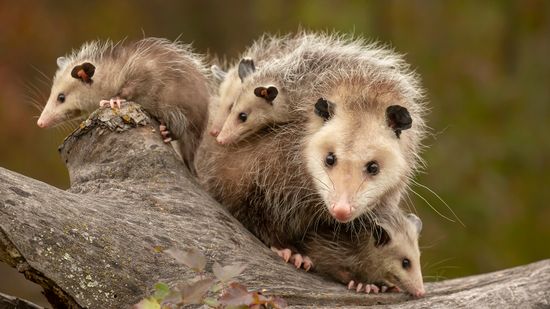
What Do Possums Eat? Most Things, It Turns Out
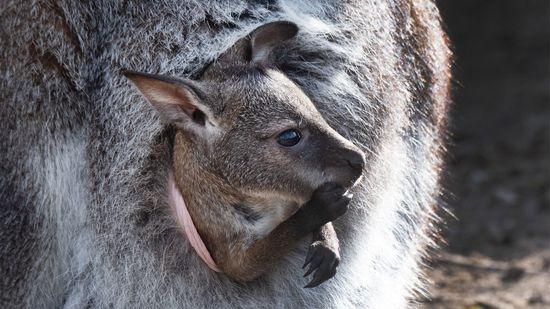
What's It Like Inside a Kangaroo's Pouch?
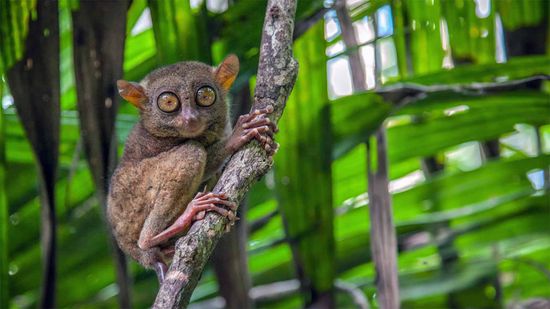
The Tarsier Is One Weird Primate, and Yes, We're Related
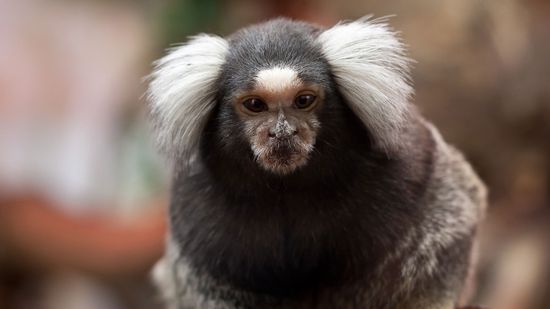
Marmosets Are Tiny, Upper Canopy-dwelling Monkeys
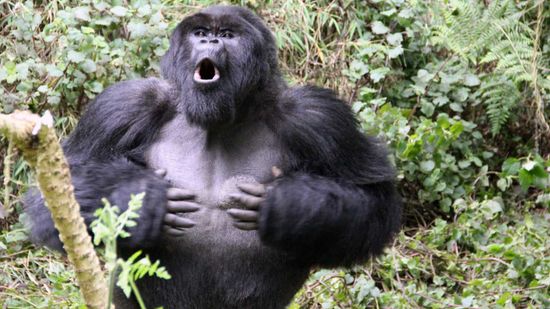
Why Do Gorillas Beat Their Chests?

Rat vs. Mouse Identification: Which Is Eating Your Cheese?

Chipmunk vs. Squirrel Sizes, Habitats and Characteristics
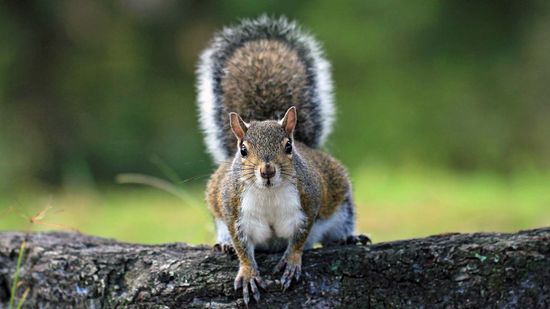
How Long Do Squirrels Live?
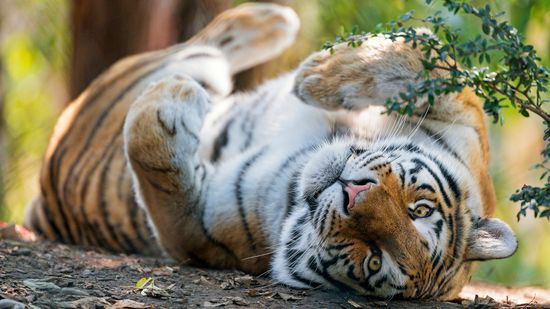
What Is the Biggest Cat in the World? Top 9 Species in the Wild

Cheetah vs. Leopard: Can You Spot the Differences?

Bunny vs. Rabbit: Is There a Difference?
Learn More
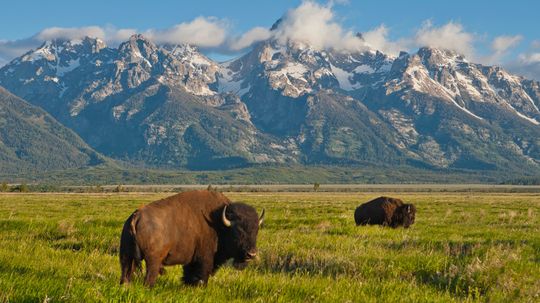
People often use the terms "bison" and "buffalo" interchangeably when referring to large, wooly animals in the Bovidae family. If you drive by one of the two in a national park you may even be inclined to say, "Buffalo, bison — they're basically the same, right?"
By Sascha Bos
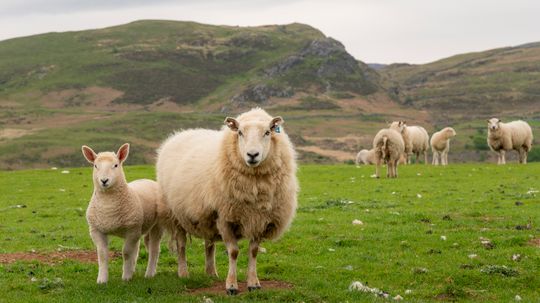
If the differences between a lamb vs. a sheep has kept you awake at night, the answer to your musings is simple: A lamb is just a baby sheep.
By Sascha Bos
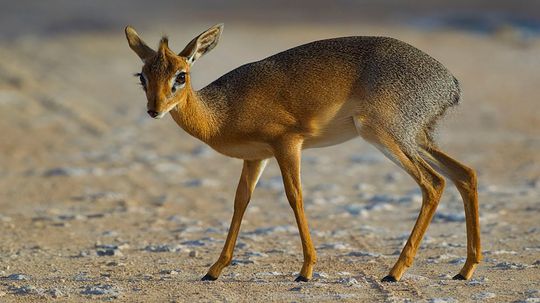
The name dik-dik comes from the repetitive 'dik' sound the tiny female dik-dik makes when she feels threatened.
Advertisement
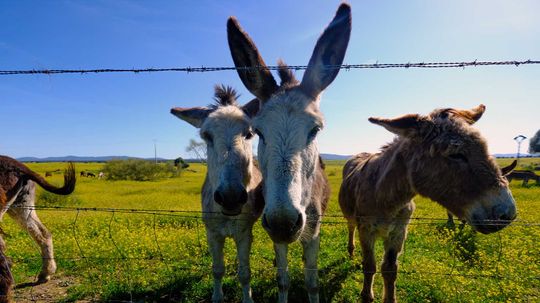
Are these strong and dependable animals all the same? If so, why the different names? If not, what makes them different?
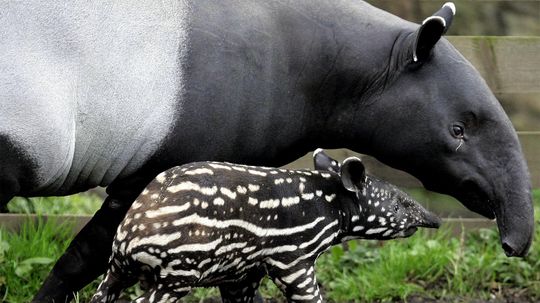
The protection of these strange looking, ancient animals, and creatures like them, may be a key component in helping a planet in climate catastrophe.
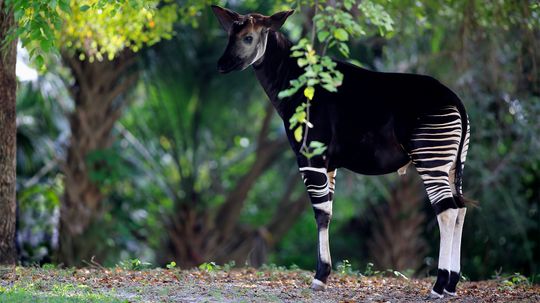
The okapi may look like a zebra-horse combo, but its closest relative is the giraffe. Here are nine fascinating facts about this curious creature.
By Wendy Bowman
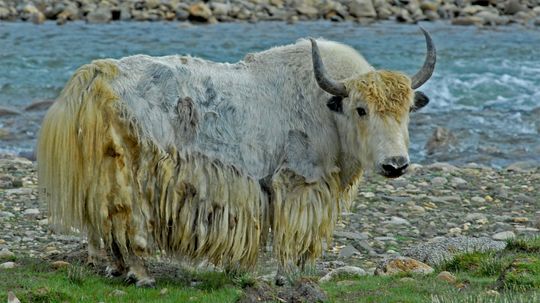
While yaks share the bovine family tree with cows, they're a different species altogether. And, unlike cow dung, yak poop doesn't stink.
By Katie Carman
Advertisement
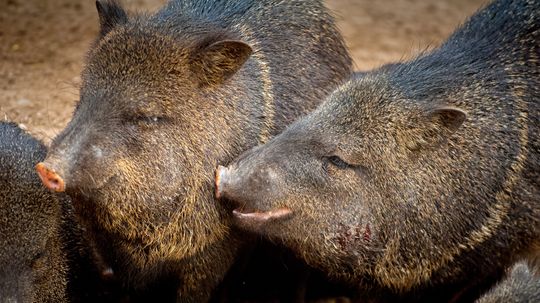
Known in some circles as a 'musk hog' or 'skunk pig,' the javelina's good looks may be in the eye of the beholder, but there's a lot more to this beauty than meets the eye.
By Wendy Bowman
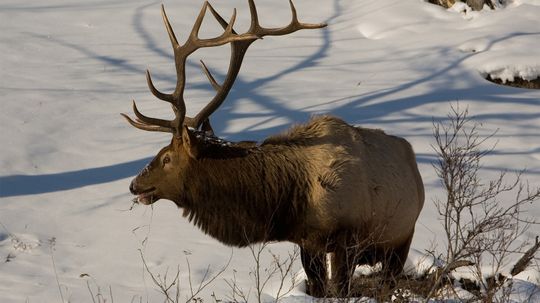
Elk are some of the most majestic animals in the world, but also some of the most aggressive. Here's what you need to know about the territorial elk.
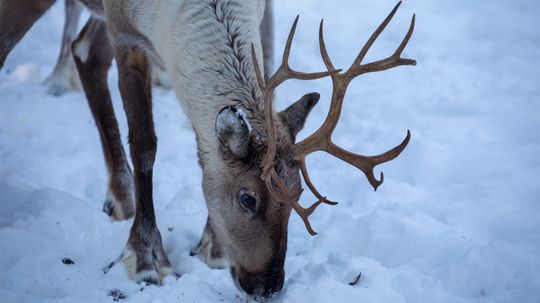
Reindeer are, of course, best known for their main gig om Christmas Eve every year, but there's more to them than just their flying and sleigh pulling prowess.
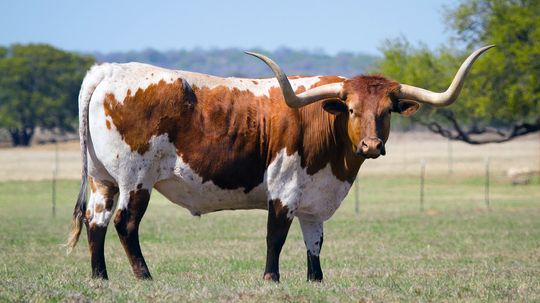
These impressive and intimidating animals have an illustrious past that helped them wend their way through America and settle in the heartland of the South.
By Mark Mancini
Advertisement
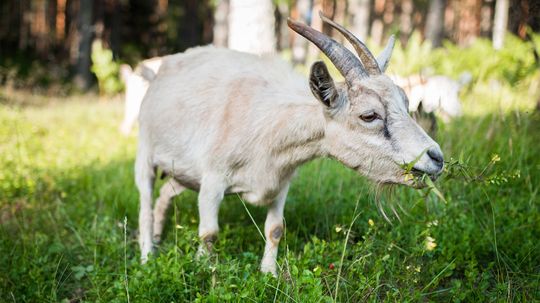
Clearing land with goats rather than machinery is eco-friendly, effective and adorable.
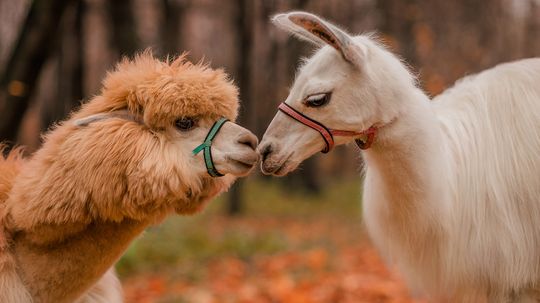
Llamas and alpacas are very similar animals, but the differences in personality are striking.
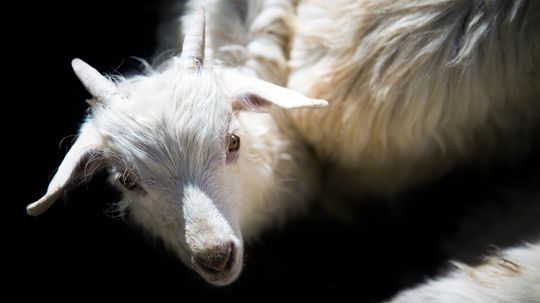
Your favorite cashmere sweater is super-soft and luxurious. It probably cost you an arm and leg, too. Here's why.
By Jamie Allen
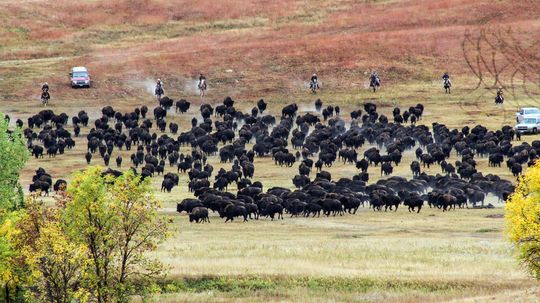
The annual bison roundup in South Dakota's Custer State Park is a spectacle full of cowboys, horses and of course wild buffalo, all set against the backdrop of the rolling Black Hills. It's also about as Americana as you can get.
By John Donovan
Advertisement
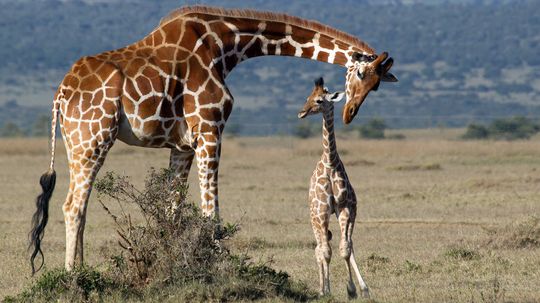
A new study found that those spot patterns are not only inherited from mom, they help camouflage baby giraffes in the wild.

Rhino herds defecate in giant, shared dung piles called midden, then they stick their noses in the stuff. Here's why.
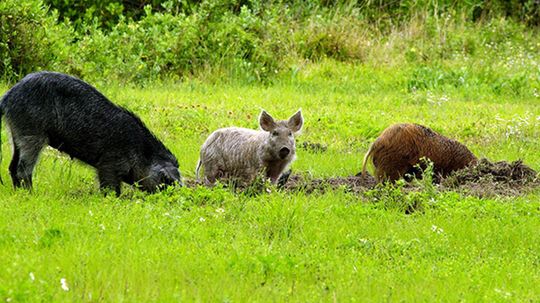
The feral pig population in the U.S. is a growing issue in nearly 40 states. The USDA hopes to wipe out the billion-dollar problem within a decade.
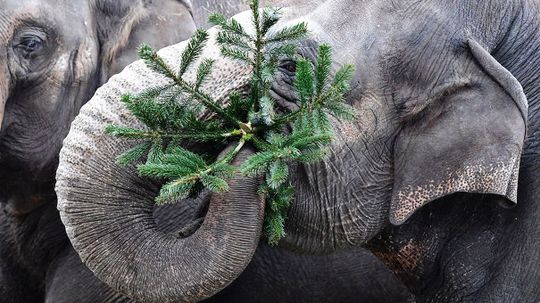
Zookeepers in Europe feed their elephants surplus holiday foliage, giving the animals a treat they both eat and play with.
Advertisement
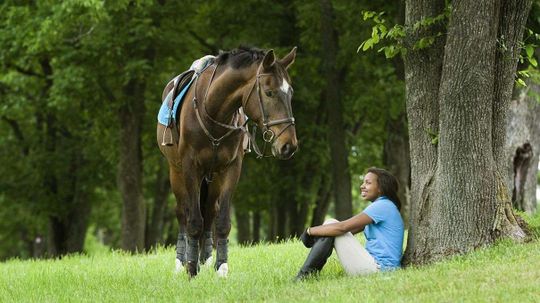
In research that showed intentional expressions of desire, horses have been added to the short list of animals that can use symbols to communicate with humans.
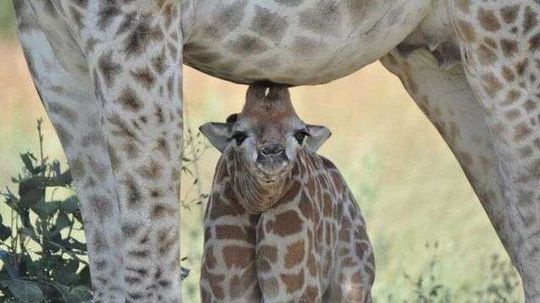
Can you tell one species of giraffe from the next? We've got some pics to help you out.
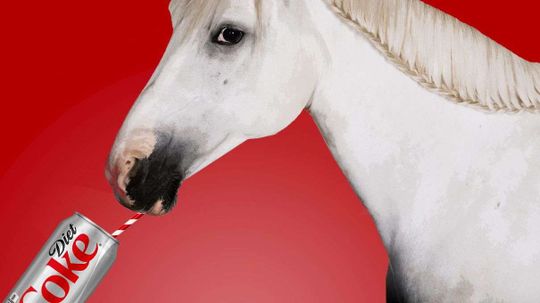
For some horses and ponies, Diet Coke can be a literal lifesaver.
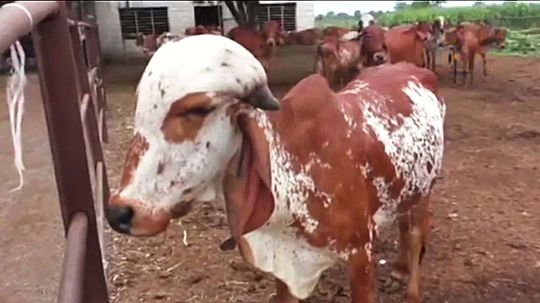
Talk about filthy lucre! Trace amounts of the precious metal turned up when scientists looked into bovine bathroom business.
Advertisement
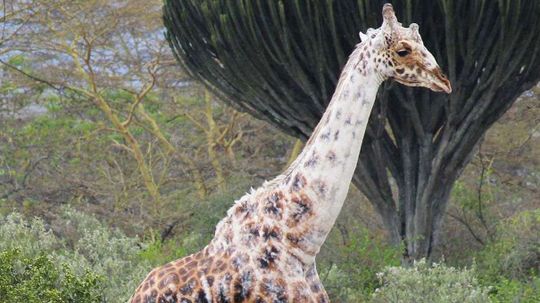
Late-stage albinism? Disastrous paint spill? Marty McFly in giraffe form? Maybe the African mammal just has something in common with Michael Jackson.
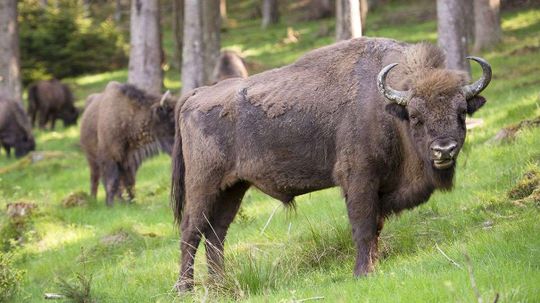
Groups of European bison make movement and grazing decisions by popular vote, choosing to follow or ignore potential leaders' suggestions.