
Primates
Primates are placental mammals that include gorillas, monkeys and chimpanzees, as well as humans. Other than humans, primates are found mostly in Central and South America, Africa, and South Asia.
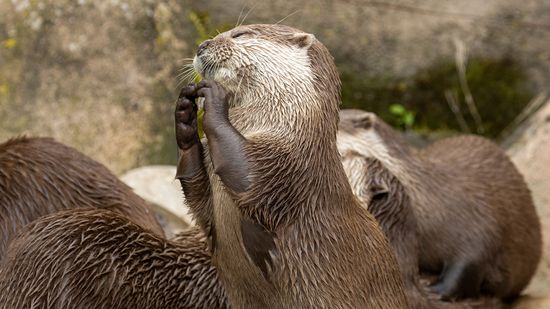
What Is a Group of Otters Called? The Official Terms Are Adorable
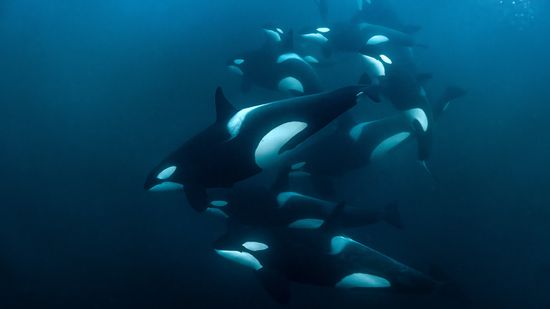
What Is a Group of Orcas Called? Not a School or a Squad But A...
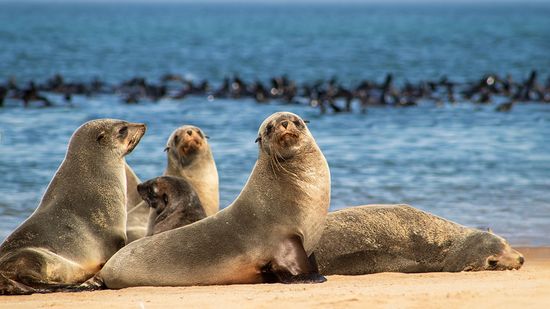
What Is a Group of Seals Called? Depends Where It Is
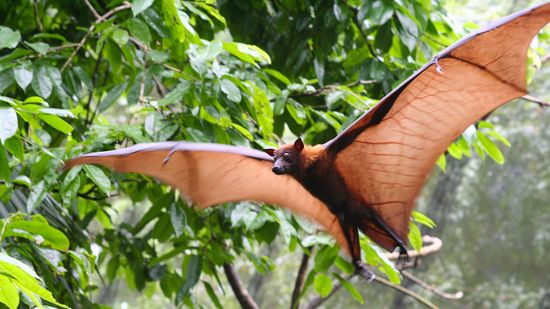
The Largest Bat in the World Has a Wingspan Over 5 Feet
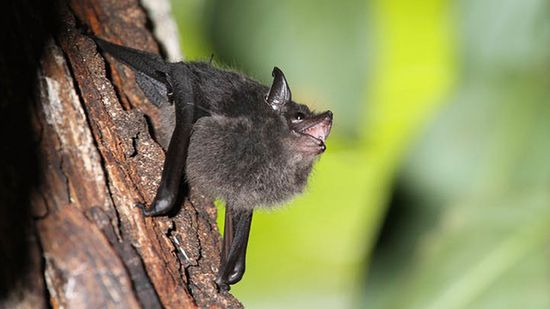
Baby Bats Babble With Moms, Hinting at Human Language Development
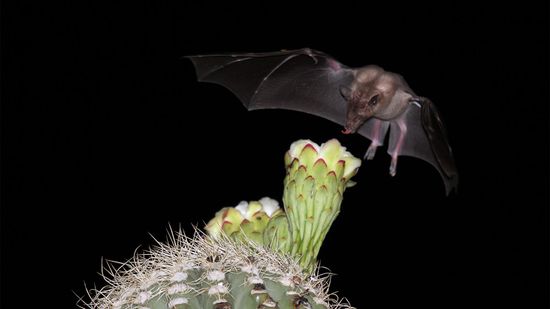
Fruit Bats Are the Best Pollinators (and Suppliers of Tequila)
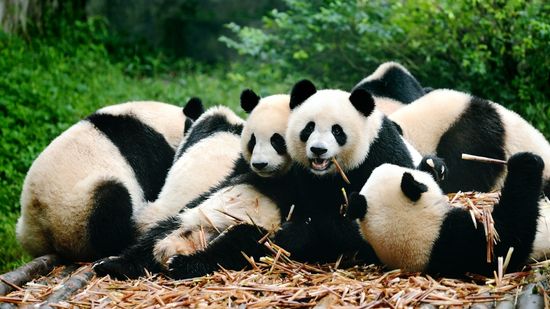
What Is a Group of Pandas Called? We're Blushing

What Do Pandas Eat (Other Than Bamboo)?
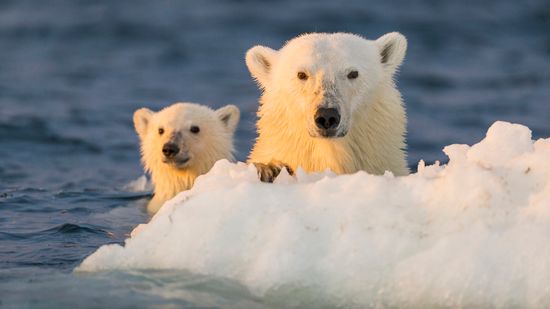
Polar Bear vs. Grizzly Bear: Which Bear Is Bigger and Tougher?
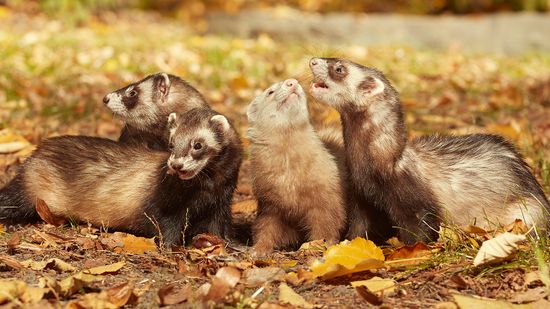
What Is a Group of Ferrets Called? You're Such a Busybody
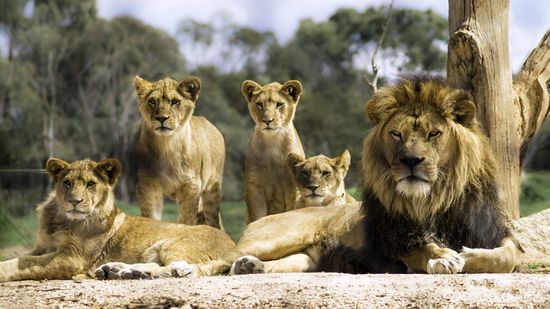
What Is a Group of Lions Called? 'Pride Rock' Makes So Much Sense Now
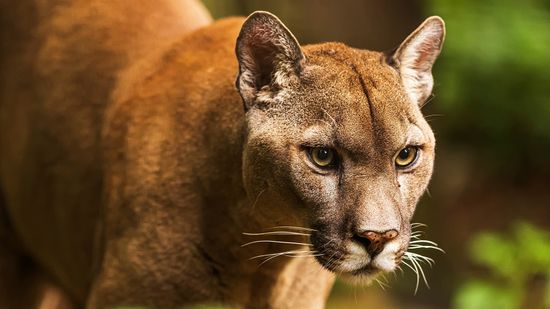
Panther vs. Cougar: Different Names for the Same Cat
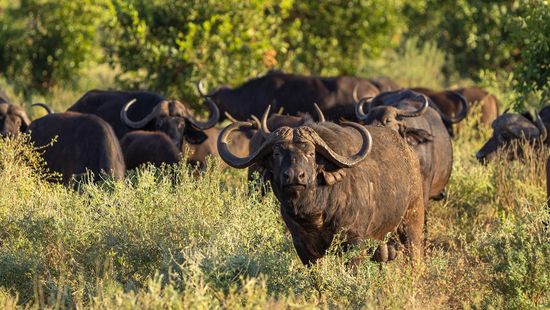
What Is a Group of Buffalo Called? Hint: It Also Applies to Bison
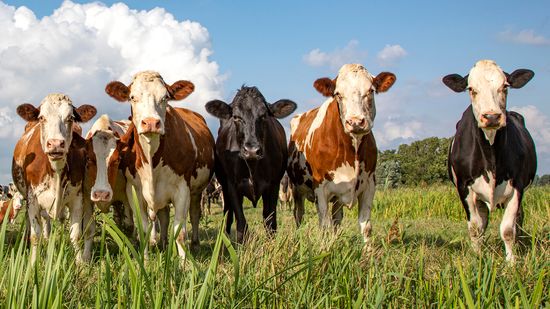
What Is a Group of Cows Called? Not Always a Herd
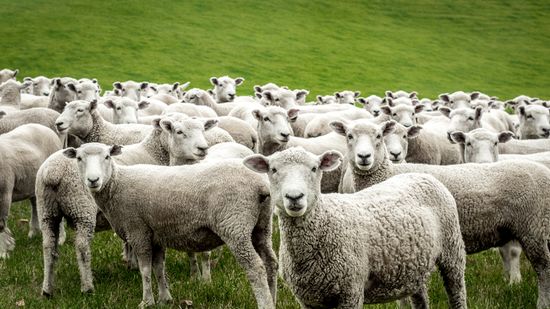
What Is a Group of Sheep Called? Not Necessarily a Herd
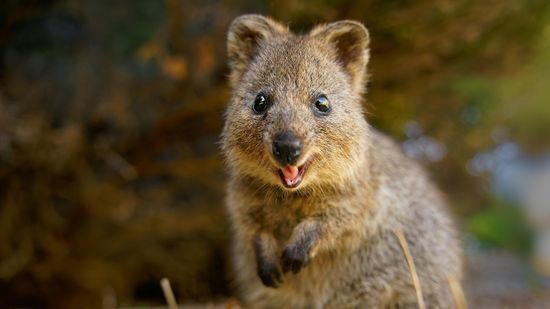
The Happiest Animal on Earth Is the Quokka
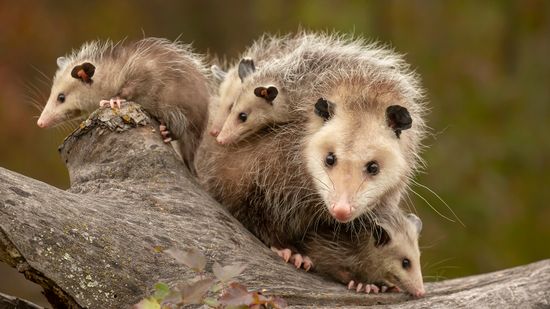
What Do Possums Eat? Most Things, It Turns Out
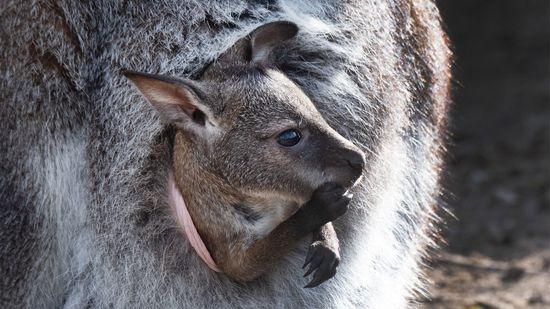
What's It Like Inside a Kangaroo's Pouch?
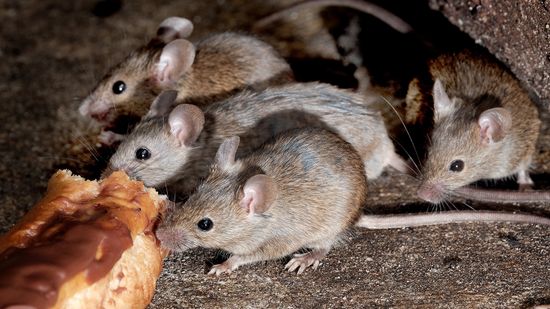
What Is a Group of Mice Called? Not Always a Colony
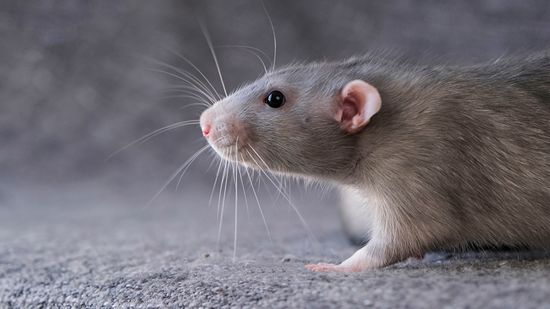
Rat Poop vs. Mouse Poop: Important Differences for Pest Control
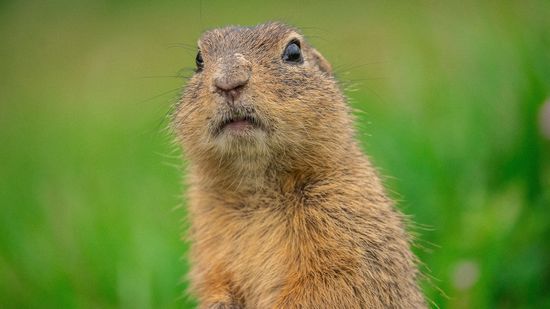
Groundhog vs. Gopher Habits and Identification
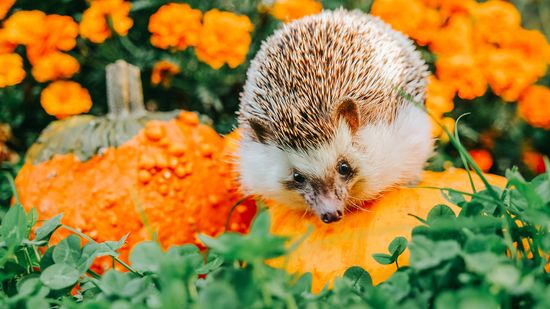
What Is a Group of Hedgehogs Called? It's Adorably Appropriate
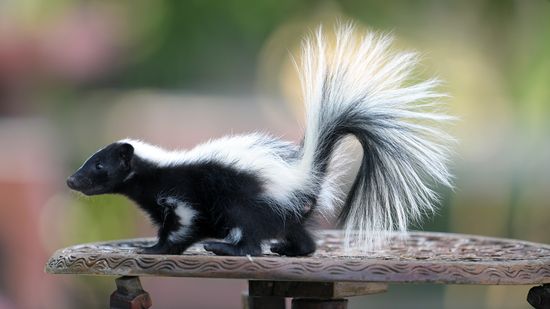
What Is a Group of Skunks Called? Here's Why You've Never Asked Before

What Is a Group of Raccoons Called? It's Surprisingly Elegant
Learn More
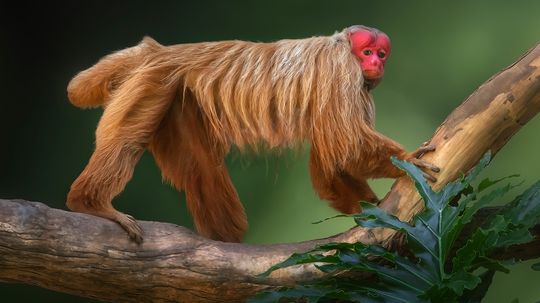
Some monkeys win the genetic lottery. Others? Not so much. The ugliest monkey isn't a single species—it's a whole gallery of primates that make you do a double take, then wonder if evolution was playing a prank.
By Nico Avelle
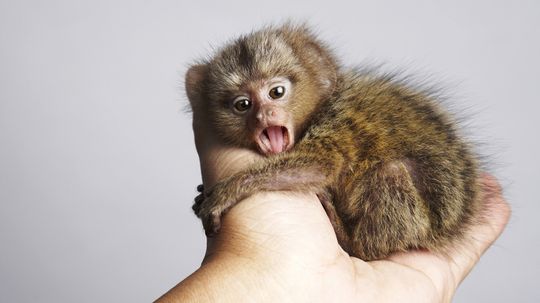
Some animals are so small they seem more like toys than creatures of the wild. Take the finger monkey, for example. Also known as the pygmy marmoset, it's the smallest monkey in the world and could fit snugly in the palm of your hand.
By Nico Avelle
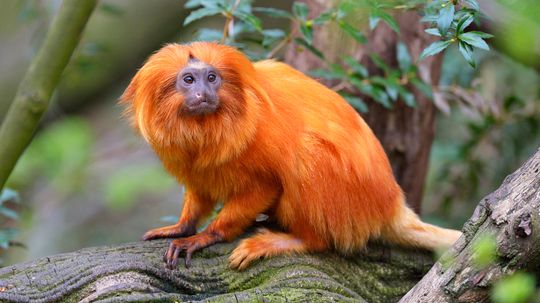
Found swinging through the canopies of tropical forests or foraging on the forest floor, the many types of monkeys are split into two main groups: Old World monkeys and New World monkeys. These primate species differ in habitat, behavior and physical traits, from prehensile tails to colorful facial features.
By Nico Avelle
Advertisement
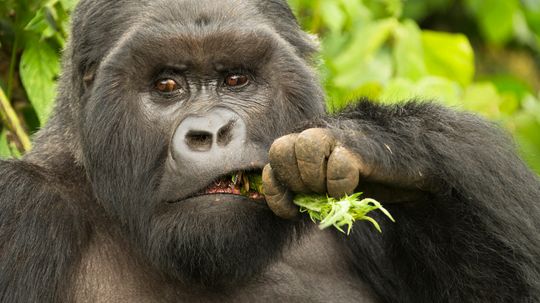
Gorillas — one of the most powerful great apes — have a diet that might surprise you. Even though they’re massive and strong, their meals consist mostly of plants. But let's get specific: What do gorillas eat in the wild, and how do their diets change depending on where they live?
By Talon Homer
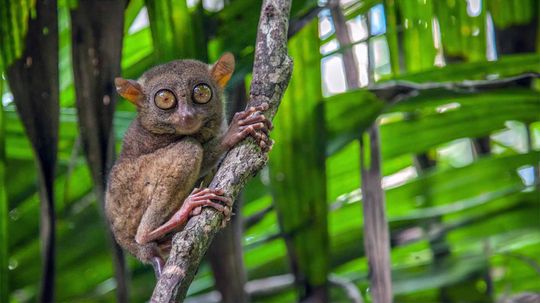
Never heard of the tarsier? Well it's one of the smallest primates in the world but has some of the biggest bug eyes you've ever seen.
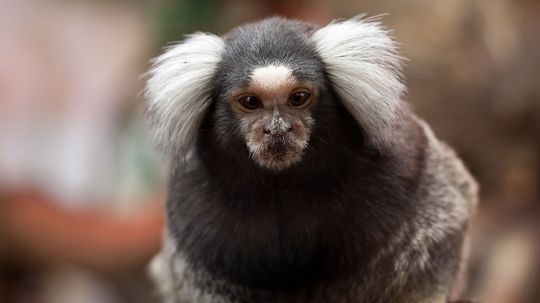
Marmosets are some of the smallest monkeys in the world and are found primarily in the forested areas of central Brazil. And the males support their mates in a very unique way.
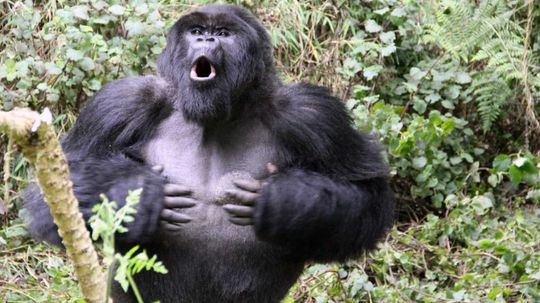
It's a behavior synonymous with gorillas - beating the chest. But why do they do it? Researchers think they've figured out what the purpose is behind that pounding.
Advertisement
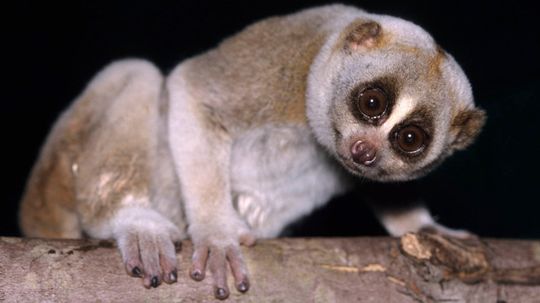
When threatened, the slow loris licks venom secreted from a gland under its arm. Licked and loaded, the loris is ready to poison an attacker with a bite.
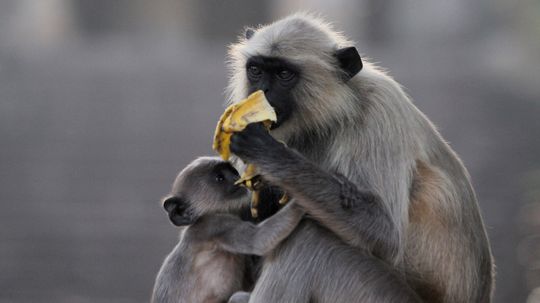
There are over 60 species of langur in the world, all of which eat a plant-based diet and most of which burp a lot.
By Wendy Bowman
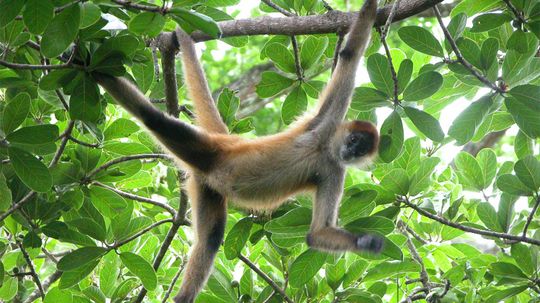
Spider monkeys, an endangered species, are the largest monkeys in the Americas and live in the forest canopy, where they swing through the trees with the greatest of ease.
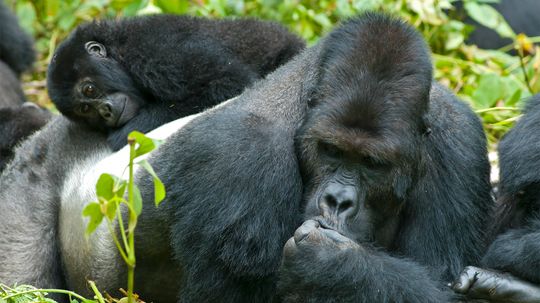
Gorillas can live to be about 35 to 40 years old and are much gentler (and much sleepier) than you might think.
Advertisement
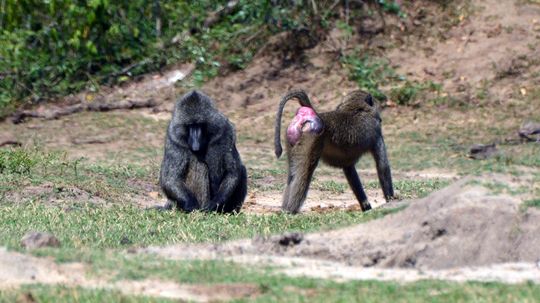
Those red butts on baboons do serve a purpose, sort of, but it's probably not quite what you think.
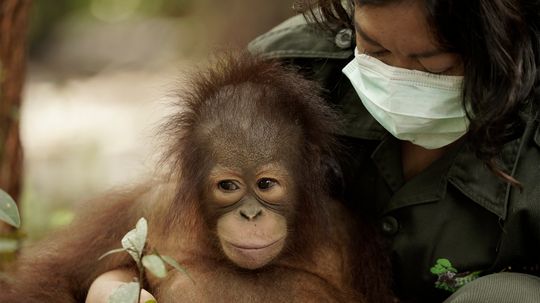
Orphaned Bornean orangutans need all the help they can get - the Borneo Orangutan Survival Foundation steps in to teach them the art of survival.

It may seem like just the cutest thing in the world to you, but owning a pet monkey is a really bad idea. Here's why.
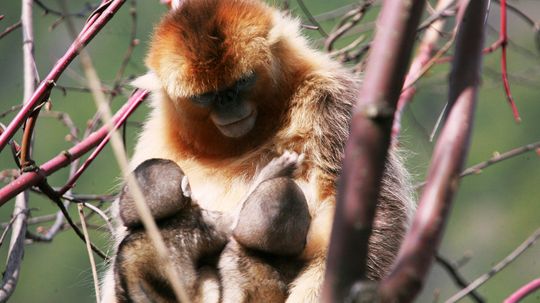
A group of researchers in Shennongjia National Nature Reserve discovered that these female monkeys are essentially happy to feed each other's offspring.
By Jamie Allen
Advertisement
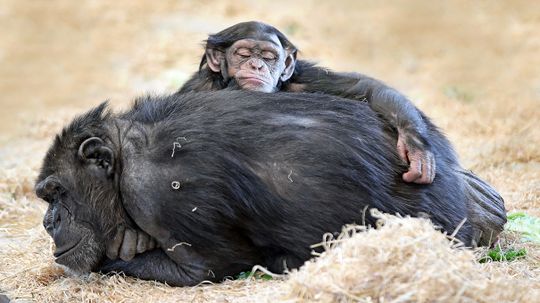
Think your bed is cleaner than a chimp's? Researchers at North Carolina State University set out to find the answer.
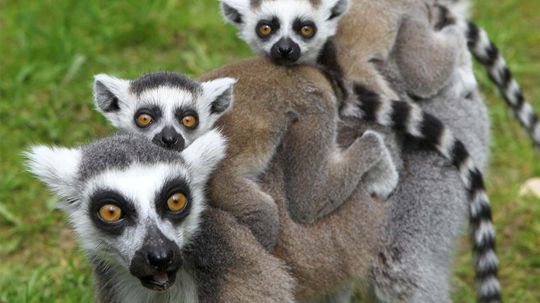
It pays to be brainy when you're a ring-tailed lemur.

Some people mistakenly believe that if chimps are socialized from an early age, they're not a threat to humans. But these five families found out the hard way that chimps will always be chimps.
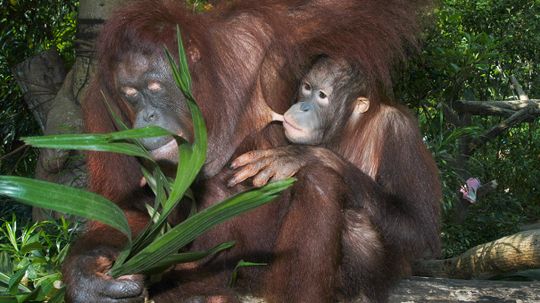
We've learned that young orangutans nurse for much longer than any other mammal, knowledge which could help conservation efforts.
Advertisement
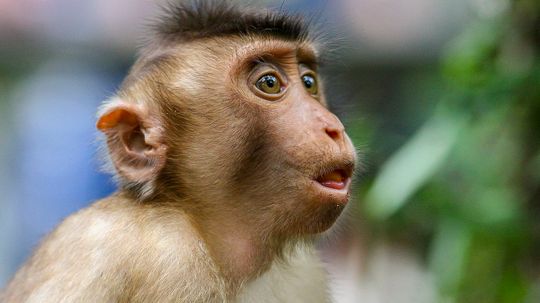
Turns out the reboot of 'Planet of the Apes' got one thing right - it's the brains monkeys lack, not the anatomy.
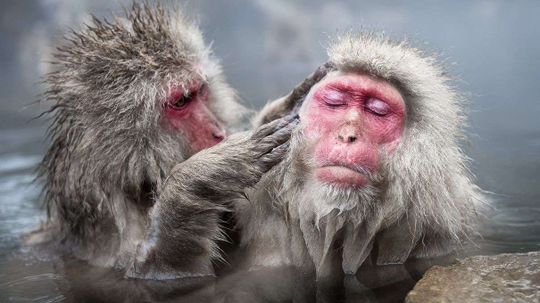
The most popular lady macaques show us why nitpicking pays off.
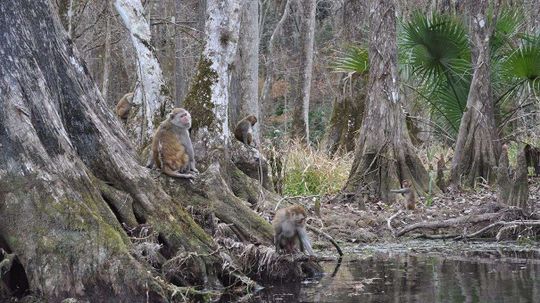
Feral monkeys have roamed Silver Springs State Park in Florida since the 1930s.
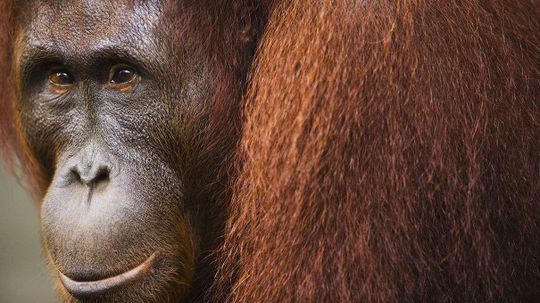
"The Jinx." "Making a Murderer." And now, orangutans? Why this female-on-female ape killing took researchers by surprise - and reads like a human true-crime drama.
Advertisement
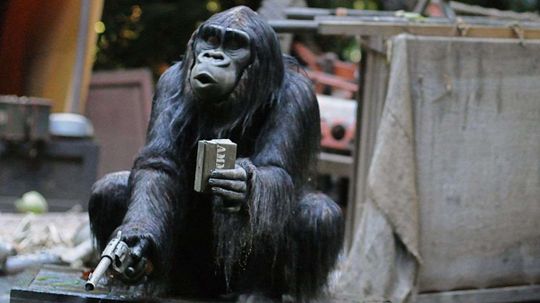
Pop culture has depicted chimps and other primates as both gun-wielding villains and saviors, but should humans be concerned about the possibility of armed apes?
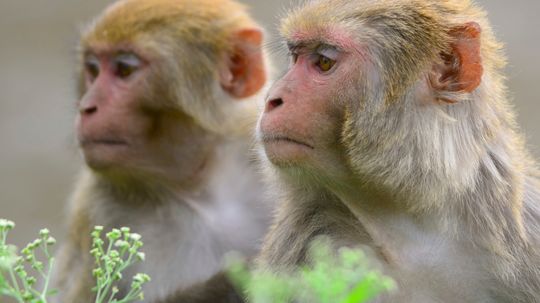
Monkeys share a lot in common with us, but are they just as superstitious? We know that have the ability to gamble, but is it deeper than just a game to them.